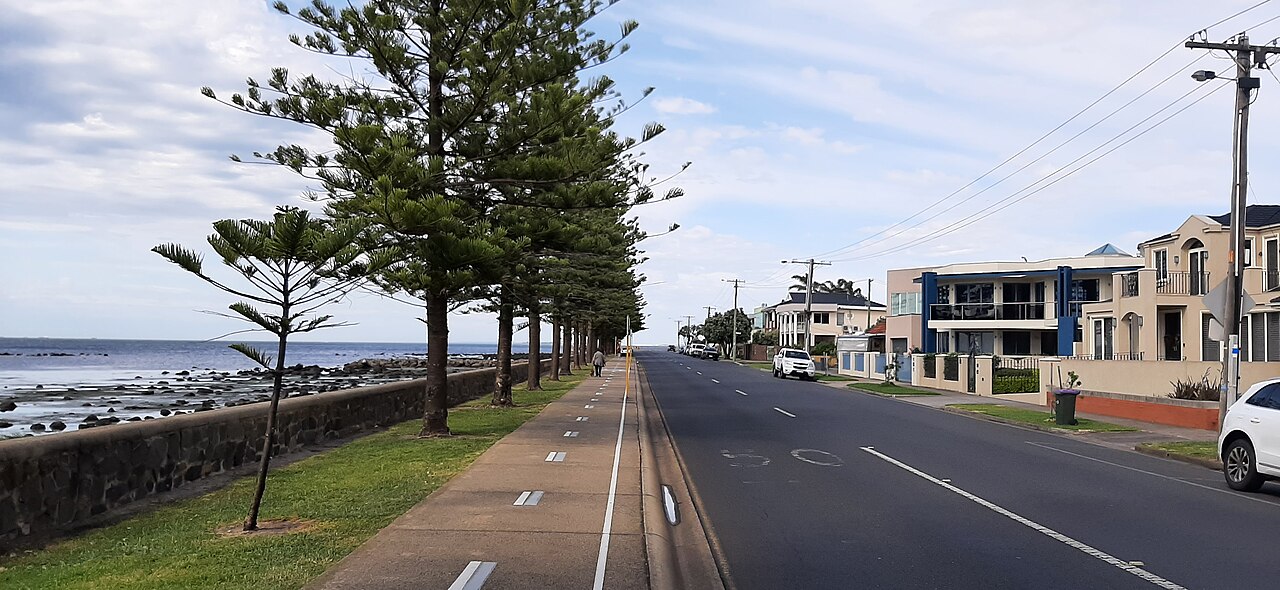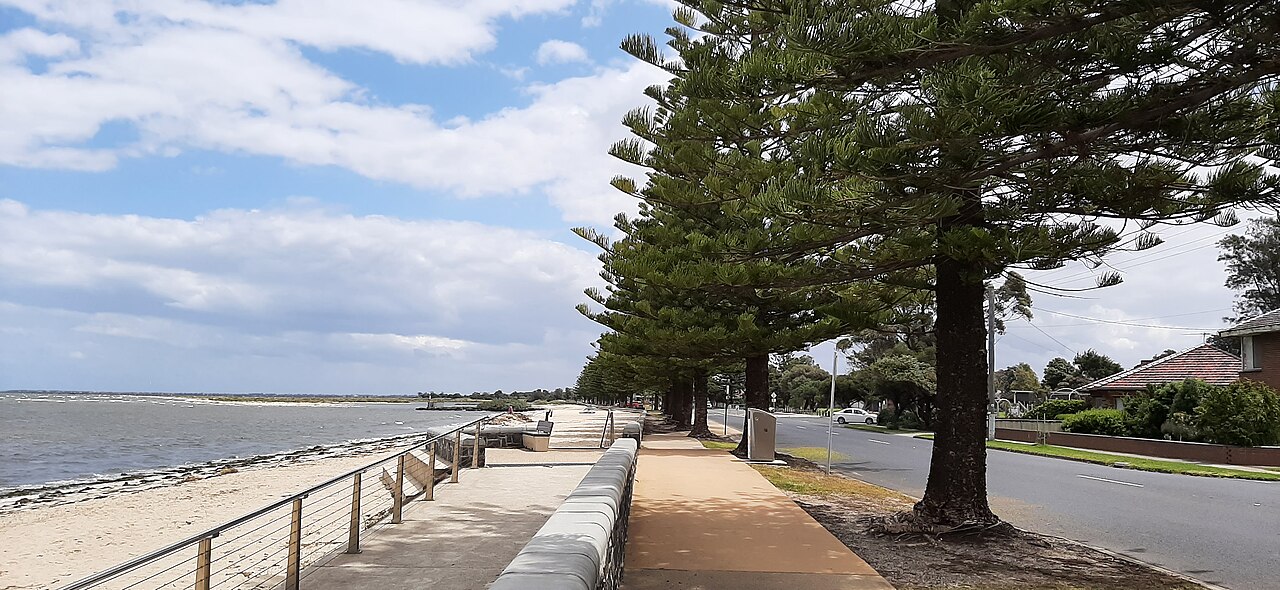
You are sizing up Altona and the usual suburb blur is not helping. Here is the short version: what it costs, how the train works, who it suits, and the one Altona trade-off you should understand before you move.
The Verdict
Altona is the pick if you want a middle-ring Melbourne suburb with train access, moderate pricing, and enough everyday convenience to avoid feeling cut off from the city. MELBZ rates it B overall, which is about right: not a trophy suburb, not a bargain-bin compromise, but a practical west-side option for people who want space and transport without paying inner-suburb rent. The headline numbers are useful. Altona sits 12.0km from Melbourne CBD, has a population of about 10,300, and sits in the City of Hobsons Bay. Public transport is not elite, but it is real: 74 public transport stops in the suburb data, including 10 train stops and 64 bus stops, with Westona Station named as the nearest station in the current dataset.
The rent story is the biggest reason to keep Altona on the shortlist. Typical 1BR rents are listed at $320-$450/week, while the metro median is $580/week for a 2BR according to the Homes Victoria Rental Report from September 2025. That does not make Altona cheap in a universal sense, but it does make it moderate compared with the inner ring. The obvious counterpoint is transport: MELBZ gives Altona a C+ for public transport, so do not read “train access” as “effortless commute”. Expect the Melbourne CBD trip to sit around 24-30 minutes by train when the connection lines up. Do not move here assuming it behaves like an inner-north tram suburb. You will regret that expectation faster than the rent increase.
Local Reality
What Altona actually gives you is a more settled, middle-ring version of Melbourne living. The suburb is 12km from the CBD, which is close enough that the city still matters, but far enough that daily life is shaped by local routines rather than impulse trips across town. Westona Station is the anchor in the current transport data, and Melbourne CBD is the commute reference point. Those two names matter because they describe the real decision: are you comfortable organising your week around a train station and a 24-30 minute CBD run, or do you need denser, more flexible transport every day?
The suburb data points to family-oriented infrastructure and the kind of housing pattern people usually associate with Melbourne’s middle ring: larger blocks, newer builds, and less inner-city compression. That is good if you want more breathing room. It is less good if your version of convenience means stepping out to a dozen late-night options without checking times. Food and drink is the surprise strength: Altona is rated A+ for food and drink in the MELBZ dataset, so the suburb is not just a sleep-and-commute choice. But the original source material here does not name individual venues, so treat that rating as a suburb-level signal rather than a recommendation for a specific restaurant.
Skip Altona if your whole week depends on high-frequency, low-friction public transport. A C+ transport score is workable, not magic. If you are west of the useful station catchment for your daily routine, you should probably compare neighbouring suburbs before committing. And if schools are the deciding factor, do not rely on suburb reputation alone: verified school data for Altona is still being compiled here, so check ACARA My School for the latest school-level listings before you sign anything.
Who This Suits
If you are a CBD commuter who wants a quieter base, pick Altona if the Westona Station connection works for your actual hours. The train commute is listed at 24-30 minutes, which is reasonable on paper, but only if the station location and service pattern match your workday. If you are a renter trying to stay under inner-ring prices, Altona deserves a serious look because the listed 1BR range of $320-$450/week is meaningfully below many better-known inner suburbs. If you are a family buyer or long-term renter, the middle-ring profile is the draw: more family-oriented infrastructure, a population around 10,300, and less of the churn you get in denser rental-heavy areas. If you are a nightlife-first person, be careful. The food and drink rating is strong, but this is still a middle-ring suburb, not a walk-everywhere entertainment district.
Cost expectations should be plain. Altona is moderate, not automatically cheap. The current article data places it 12km from the CBD and describes pricing as moderate compared with inner and outer Melbourne. For renters, the clearest number is the typical 1BR range of $320-$450/week, with the Homes Victoria September 2025 metro median sitting at $580/week for a 2BR. That gives you the comparison frame: Altona can help on rent, but it is not a loophole where every property is underpriced.
Time of day matters most for transport and daily errands. The suburb works best when your commute is predictable and your routine can orbit the train and bus network. It works less well if you need spontaneous cross-town movement, late changes, or multiple transfers. Seasonally, the big caveat is the rental market: 2026 pricing can move quickly, so use the rent range as a guide and check live listings before making a decision.
What to Do Next
Shortlist Altona if the rent range and Westona Station commute both work, then test the trip before applying. For the next comparison, read Altona transport and commute guide.
Is Altona safe to live in?
Altona sits in Melbourne’s middle ring, 12.0km from Melbourne CBD. Overall, Melbourne suburbs are safe by global standards.
Is Altona a good place to live?
Altona scores B overall on MELBZ ratings. Key strengths: 74 public transport stops including 10 train + 64 bus (ranked 111 of 252); Train access via Westona Station.
How much is rent in Altona in 2026?
Altona is in Melbourne’s middle ring. Typical 1BR rents range $320-$450/week. The metro median is $580/week for a 2BR (Homes Victoria, Sept 2025).
What is Altona known for?
Altona is a middle-ring Melbourne suburb in the City of Hobsons Bay area, 12.0km from Melbourne CBD. Population of about 10,300. Rated A+ for food and drink.
Is Altona expensive to live in?
Altona is in Melbourne’s middle ring (12km from CBD). Pricing is moderate compared to inner and outer Melbourne.
Is Altona good for families?
Altona is in Melbourne’s middle ring - typically larger blocks, newer builds, and more family-oriented infrastructure. Population: 10,300.
How far is Altona from Melbourne CBD?
Altona is 12km from Melbourne CBD. The nearest train station is Westona Station. Expect a 24-30 minute train commute.
Does Altona have good public transport?
MELBZ rates Altona C+ for public transport. Transport options: 10 train stops, 64 bus stops. Nearest station: Westona Station.
What schools are in Altona?
Verified school data for Altona is being compiled. Check the ACARA My School website for the latest listings. Most Melbourne suburbs have at least one government primary school within 2km.
Data sources: ABS Census 2021, PTV GTFS April 2026, VicPol Crime Statistics, ACARA School Profiles, Homes Victoria Rental Report Sept 2025. Last updated April 2026.