
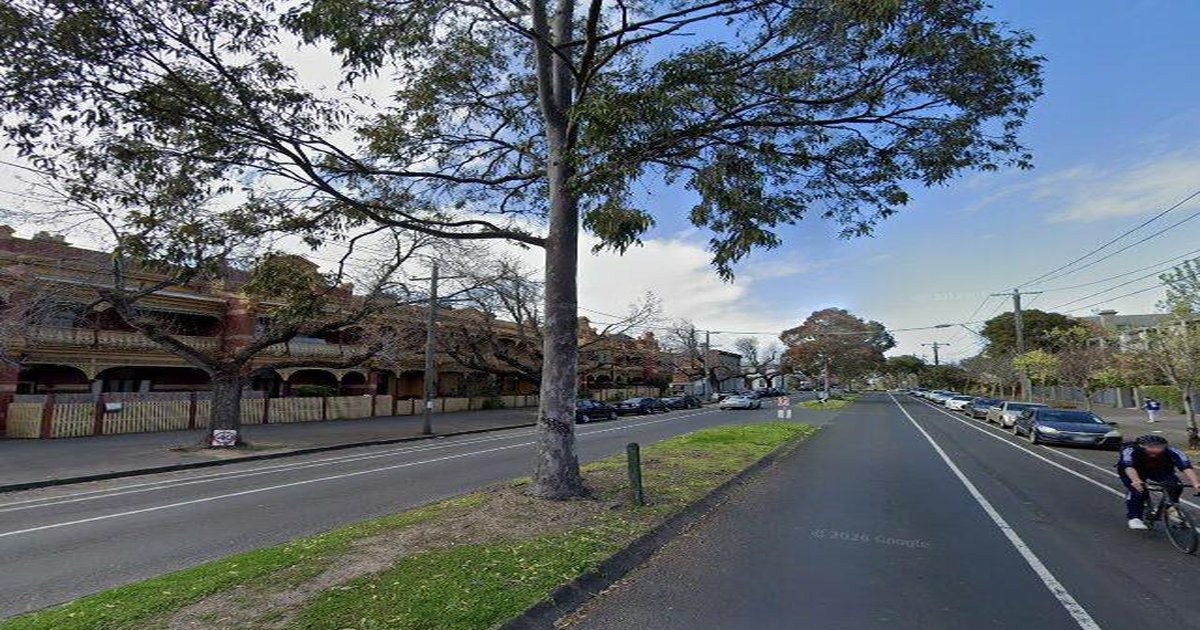
Is Autumn in Melbourne Suburbs Safe in 2026? A Realistic Guide for Melbz.com.au
Autumn in Melbourne – crisp air, golden leaves, and a generally pleasant atmosphere. But when considering a move to, or simply living in, the suburbs, safety is paramount. This guide aims to provide a realistic assessment of safety in Melbourne’s suburbs during autumn 2026, based on current trends and projections, offering practical advice for residents. We’ll avoid the rosy picture often presented in tourism materials and focus on the facts, acknowledging that “safe” is a relative term and varies significantly across different areas.
Overall Safety Rating: A Mixed Bag
Melbourne, as a whole, maintains a relatively good safety rating compared to many global cities. However, the suburbs present a more nuanced picture than the CBD. We anticipate that in 2026, the overall safety rating for Melbourne suburbs will remain around a 6.8 out of 10 (on a scale of 1-10, with 10 being perfectly safe). This reflects a consistent level of concern regarding property crime, particularly theft, and a growing, albeit still manageable, concern about certain types of personal crime. The pandemic’s impact on crime rates has largely subsided, but lingering economic pressures and social factors are expected to maintain a baseline level of risk. Increased police presence and community initiatives are mitigating some risks, but vigilance remains essential.
Property vs. Personal Crime: The Landscape
The vast majority of crime in Melbourne suburbs falls under the category of property crime. This is the area of greatest concern for residents.
- Property Crime (80-85% of incidents): This includes burglary (entering premises with intent to steal), theft from motor vehicles, opportunistic theft (e.g., bags left unattended), and vandalism. Autumn, with its longer evenings and changing weather, unfortunately provides more opportunities for these crimes. The increased use of smart home technology, while offering convenience, also presents new vulnerabilities for hackers and thieves. We anticipate a continued focus on targeting homes with visible valuables and vehicles left unlocked. Areas with higher population density and transient populations tend to experience higher rates of property crime.
- Personal Crime (15-20% of incidents): This category encompasses assaults (ranging from minor altercations to serious injuries), robberies (theft involving force or threat of force), and sexual offences. While statistically lower than property crime, personal crime is understandably more impactful and generates greater fear. Personal crime tends to be concentrated around public transport hubs, entertainment areas, and areas with known gang activity. While overall rates haven’t dramatically increased, there’s a noticeable rise in incidents involving young people, particularly after dark. Cybercrime, including online scams and identity theft, is also a growing concern, blurring the lines between property and personal crime.
Day vs. Night Safety Differences: A Significant Shift
The safety profile of Melbourne suburbs changes dramatically between day and night.
- Daytime Safety: During daylight hours, most suburbs are generally considered safe. Opportunistic theft remains a risk, particularly in shopping areas and parks, but violent crime is relatively rare. The presence of more people and natural surveillance (people observing their surroundings) acts as a deterrent. However, complacency is a danger. Leaving valuables visible in cars or unattended in public spaces is an invitation to thieves.
- Nighttime Safety: As darkness falls, the risk level increases significantly. Reduced visibility, fewer people on the streets, and the potential for impaired judgment contribute to a heightened risk of both property and personal crime. Areas with limited street lighting or a lack of pedestrian traffic become particularly vulnerable. Public transport, especially late at night, requires extra caution. Walking alone, particularly for women, is strongly discouraged in less populated areas after dark. The increased use of ride-sharing services has, in some areas, reduced the risk associated with late-night travel, but vigilance is still required.
Safest and Least-Safe Pockets: A Regional Breakdown
Identifying definitively “safest” and “least-safe” suburbs is complex and constantly shifting. However, based on current crime statistics and trends, here’s a general overview, acknowledging that even within these areas, pockets of higher and lower risk exist:
- Generally Considered Safer (Lower Crime Rates):
- Eastern Suburbs (e.g., Hawthorn, Camberwell, Balwyn): Historically, these areas have enjoyed lower crime rates due to higher socioeconomic status, strong community networks, and active neighbourhood watch programs. However, even these areas are not immune to opportunistic theft.
- Outer South-Eastern Suburbs (e.g., Mount Waverley, Glen Waverley): These areas, with their family-oriented communities and relatively low population density, generally experience lower crime rates.
- Some Northern Suburbs (e.g., Eltham, Research): These more rural-fringe suburbs benefit from lower population density and a strong sense of community.
- Areas of Greater Concern (Higher Crime Rates):
- Inner North-West Suburbs (e.g., Fitzroy, Northcote, Brunswick): While vibrant and popular, these areas experience higher rates of property crime and, in certain pockets, personal crime, particularly around late-night entertainment venues.
- South-Eastern Suburbs with High-Density Living (e.g., Dandenong, Noble Park): Areas with high population density and a transient population often experience higher rates of property crime and, occasionally, gang-related activity.
- Western Suburbs (e.g., Sunshine, Footscray): These areas face socioeconomic challenges that contribute to higher crime rates, although significant community initiatives are working to address these issues.
- Areas Around Major Transport Hubs (e.g., Sunshine Station, Werribee Station): These locations are often targeted by opportunistic thieves and can be unsafe late at night.
Comparison to City Average: Suburban Risks
While the CBD has its own safety concerns, the nature of crime differs. The CBD tends to have more incidents of public order offences and drug-related crime, while the suburbs are more heavily impacted by property crime. The perceived safety of the CBD is also influenced by the constant presence of police and security personnel. In the suburbs, police presence is generally less visible, and residents often rely more on community vigilance and personal safety measures. Statistically, the average resident in a Melbourne suburb is slightly more likely to experience property crime than a resident in the CBD, but the risk of serious personal crime is comparable, particularly in areas with high population density or known criminal activity.
Practical Tips for New Residents (and Existing Ones): Staying Safe in 2026
- Research Your Neighbourhood: Before moving, thoroughly research crime statistics for the specific area you’re considering. Speak to local residents and join neighbourhood social media groups to gain insights into local safety concerns.
- Home Security: Invest in a robust home security system, including alarms, security cameras (visible deterrents are best), and motion-sensor lighting. Ensure all doors and windows are securely locked, even during the day. Consider a monitored alarm system.
- Vehicle Security: Never leave valuables visible in your car. Lock your car doors and windows, even when parked in your driveway. Consider installing an immobiliser and alarm system.
- Be Aware of Your Surroundings: Pay attention to your surroundings, especially when walking alone, particularly at night. Avoid distractions like mobile phones.
- Trust Your Instincts: If something feels wrong, it probably is. Remove yourself from the situation immediately.
- Community Engagement: Join or start a neighbourhood watch program. Get to know your neighbours and look out for each other.
- Report Suspicious Activity: Report any suspicious activity to the police, even if it seems minor.
- Cybersecurity: Be vigilant about online scams and phishing attempts. Use strong passwords and keep your software updated.
- Public Transport Safety: Plan your route in advance and stick to well-lit and populated areas. Be aware of your belongings and avoid sitting near exits if possible. Utilize the “Safe Transport Victoria” app for reporting incidents and accessing safety information.
- Personal Safety Devices: Consider carrying a personal safety alarm or pepper spray (check legality and training requirements).
Disclaimer: This guide provides general information and should not be considered a definitive assessment of safety in any specific area. Crime statistics can fluctuate, and individual experiences may vary. Always exercise caution and common sense, and stay informed about local safety concerns. Consult official sources, such as the Victoria Police website, for the most up-to-date crime data and safety advice. The projections presented are based on current trends and are subject to change.
💬 Discussion
Join the conversation — no account needed