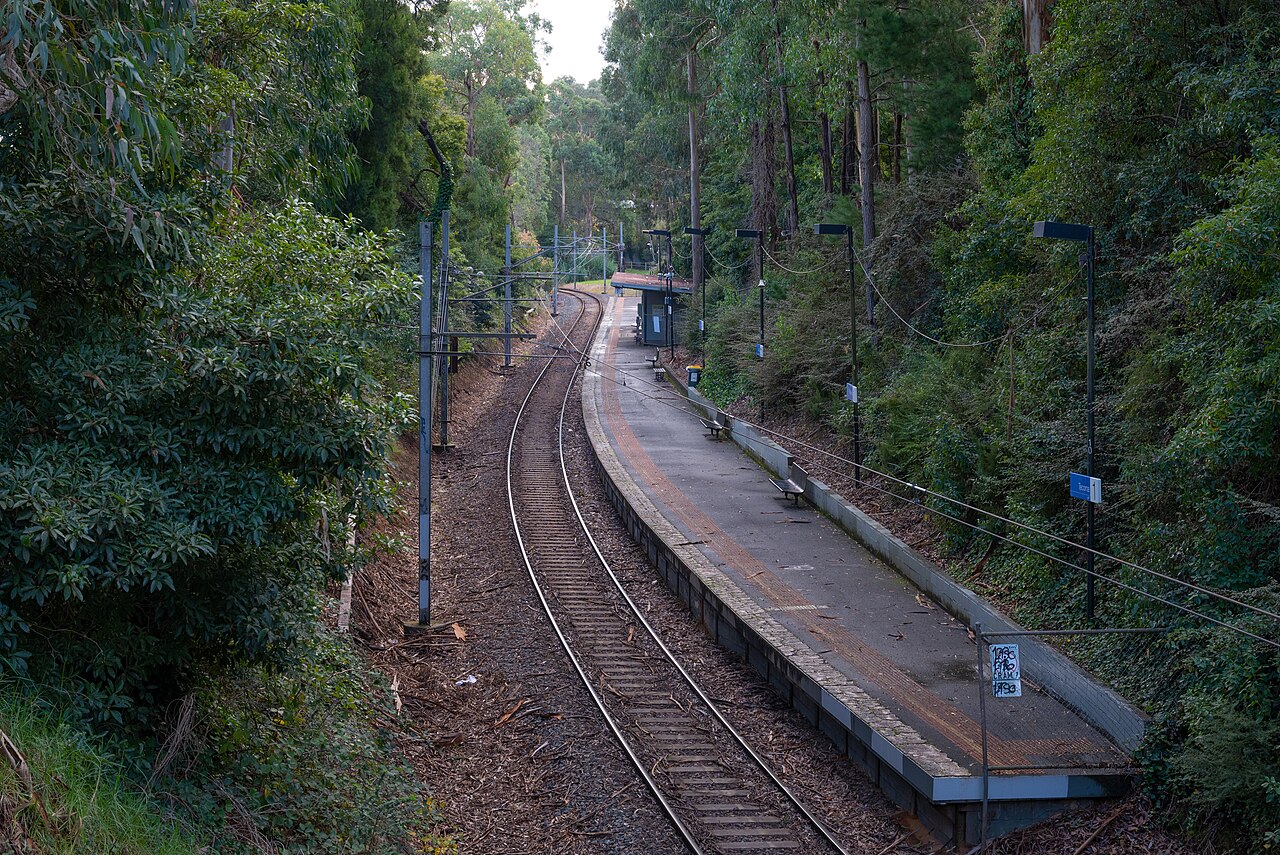
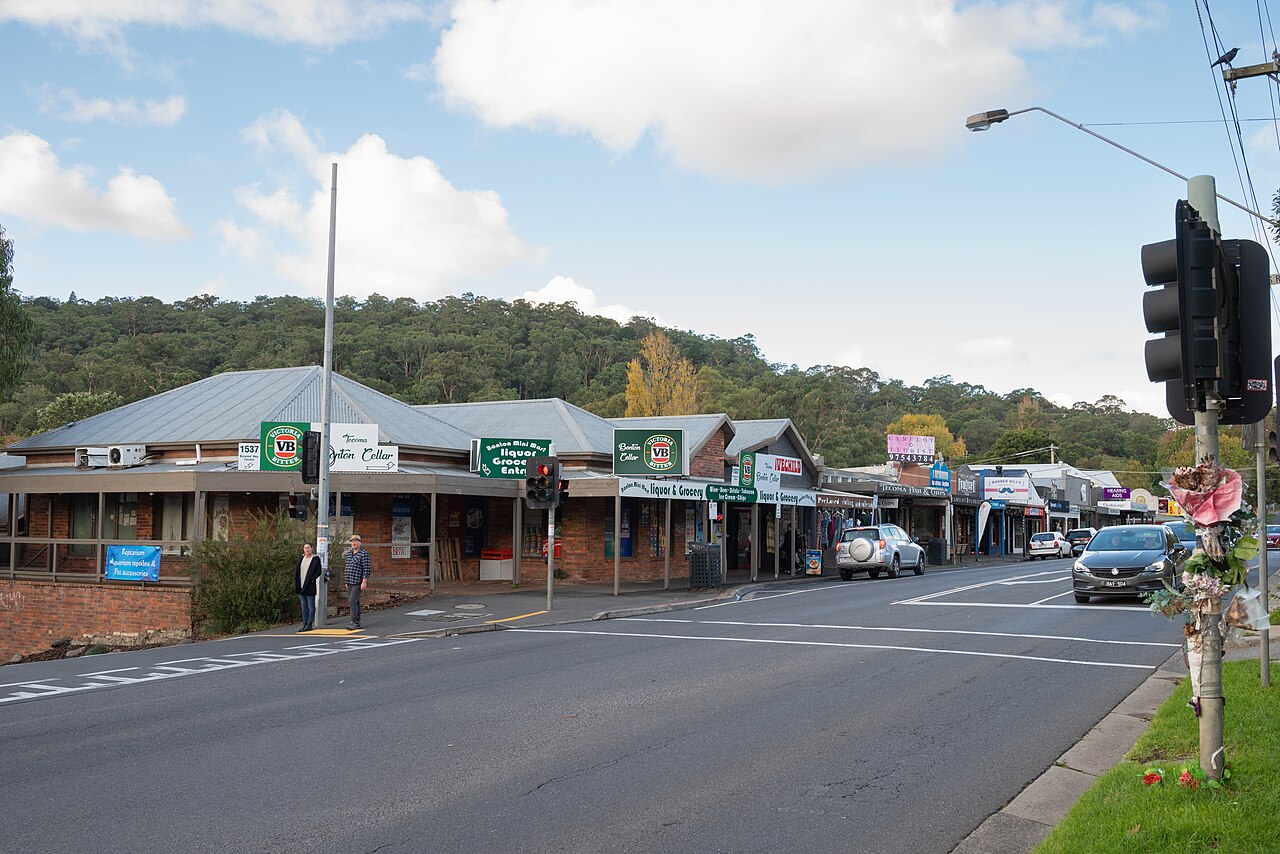
You’re pricing up a move to Belgrave and the cheap-hills fantasy needs a reality check. Here’s the weekly number that matters: about $729 for a single, $932 for a couple, and $1,297 for a family before life gets messy.
The Verdict
The winner is Belgrave for a couple renting a modest two-bedroom place and running one careful household budget. At about $932 a week, the suburb still makes sense if you want space without paying inner-Melbourne rent, especially when a two-bedroom apartment or unit is sitting around $358-458 a week and a three-bedroom house is more like $455-605. A single can do it at roughly $729 a week, but the rent share is harsher unless you take a room in a share house at about $268-318 a week. A family lands closer to $1,297 a week before childcare, school costs, pets, insurance, or any serious weekend spending.
The reason Belgrave works is rent. Compared with CBD living, the saving can be $100-200 a week on housing alone, and you usually get more space for it. The reason Belgrave bites back is transport and winter. A full-fare Myki commute is about $49 a week, but a car is effectively mandatory for most households once groceries, school runs, weather, and hills enter the picture. Car running costs can sit around $120-180 a week, and gas heating can push winter bills up 40-60% from June to August. Don’t move here because the rent looks cheap and assume the rest will magically behave. Don’t build your budget around eating out every weekend either — cafe brunch at $18-26 a person and dinner for two at $70-110 is exactly where the neat spreadsheet starts leaking.
Local Reality
Belgrave is not a suburb where every cost is visible on inspection day. The rent looks reasonable first, then the real pattern shows up in the weekly routine: driving for a cheaper grocery run, paying for fuel and servicing, warming a colder house in winter, and occasionally spending more because the convenient option is right there. Coles and Woolworths will cover most shops, but households trying to stay disciplined often drive to Aldi first because a standard grocery run can be $30-50 cheaper. That saving is real, but only if you do not turn the trip into extra impulse spending.
Parking is rarely the problem. Most homes have a driveway or garage, which is one of Belgrave’s practical advantages over denser suburbs. The sharper issue is time. Public transport exists, but the commute trade-off is meaningful, and hybrid workers should avoid buying a pass by habit if Myki money suits their actual travel days better. If you are west of the CBD for work most days, the commute cost is not just dollars; it is the drag on your week.
Skip this if you need a low-maintenance, no-car life. Belgrave rewards people who want space and can plan around distance. It punishes people who expect inner-suburb convenience with outer-suburb rent. If your household is already stretched before utilities, winter will expose it. Budget an extra $15-30 a week from June to August for heating, especially if the home uses gas.
Who This Suits
If you’re a single person trying to save hard, pick the share house path first: a room at $268-318 a week is much easier to defend than carrying a one-bedroom at $314-394 by yourself. If you’re a couple, pick the two-bedroom unit or apartment and keep the grocery routine boring; that is the cleanest version of the Belgrave budget. If you’re a family, pick Belgrave only after adding childcare, school, pet, insurance, and winter heating into the number, not after staring at rent alone. If you’re a hybrid commuter, use Myki money rather than assuming a weekly pass is automatically smarter.
Cost expectations are straightforward if you separate essentials from lifestyle. A single should be thinking around $729 a week, a couple around $932, and a family around $1,297 before the uglier extras. Groceries can sit near $139 a week for a standard single shop, $222 for a couple, and $305 for a family, but premium habits push that higher quickly. Utilities and communications add roughly $64-89 a week for household bills plus about $67 a week for internet and phones, depending on household size.
The season caveat matters here more than it does in flatter, newer suburbs. From June to August, heating costs can jump 40-60%, so a budget that feels comfortable in April can feel tight by July. Summer is easier on bills, but it can be harder on discipline because cafes, dinners, and quick shops creep in. Treat the winter number as the real number.
What to Do Next
Build your budget from the weekly total, then add winter heating and car costs before you inspect anything. If rent is the deciding line, read the Belgrave rent guide before you commit.
The Quick Numbers
| Expense | Single | Couple | Family (2 kids) |
|---|---|---|---|
| Rent | $314/wk | $358/wk | $455/wk |
| Groceries | $139/wk | $222/wk | $305/wk |
| Transport | $49/wk | $88/wk | $98/wk |
| Utilities | $64/wk | $64/wk | $89/wk |
| Internet/Phone | $67/wk | $67/wk | $67/wk |
| Weekly Total | $729/wk | $932/wk | $1297/wk |
| Monthly Total | $2916/mo | $3728/mo | $5188/mo |
| Annual Total | $37,908/yr | $48,464/yr | $67,444/yr |
Housing Costs Breakdown
Renting in Belgrave (April 2026):
- One-bedroom apartment: $314-394/week
- Two-bedroom apartment or unit: $358-458/week
- Three-bedroom house: $455-605/week
- Room in a share house: $268-318/week
These figures come from current Domain and realestate.com.au listings for Belgrave. They shift quarterly — check our rent guide for the latest medians.
Utilities & Bills
| Utility | Single | Couple | Family |
|---|---|---|---|
| Electricity | $25-35/wk | $30-45/wk | $40-60/wk |
| Gas (if connected) | $10-18/wk | $12-22/wk | $15-28/wk |
| Water | $8-12/wk | $10-15/wk | $12-20/wk |
| Internet (NBN) | $20-25/wk | $20-25/wk | $20-25/wk |
| Mobile | $10-15/wk | $20-30/wk | $30-50/wk |
Hidden Costs To Keep
- Council rates: $1749/year if you own
- Body corporate: $6122/year for apartments
- Insurance: $80-150/month for contents or building cover
- Childcare: $100-180/day before subsidies
- School fees: $0 for public, $5,000-15,000/year for private
- Pet costs: $50-100/month for vet, food, and insurance
Budget data compiled from ABS household expenditure surveys, local rental listings (Domain, realestate.com.au), and utility comparison sites. Updated April 2026. Individual circumstances vary.