
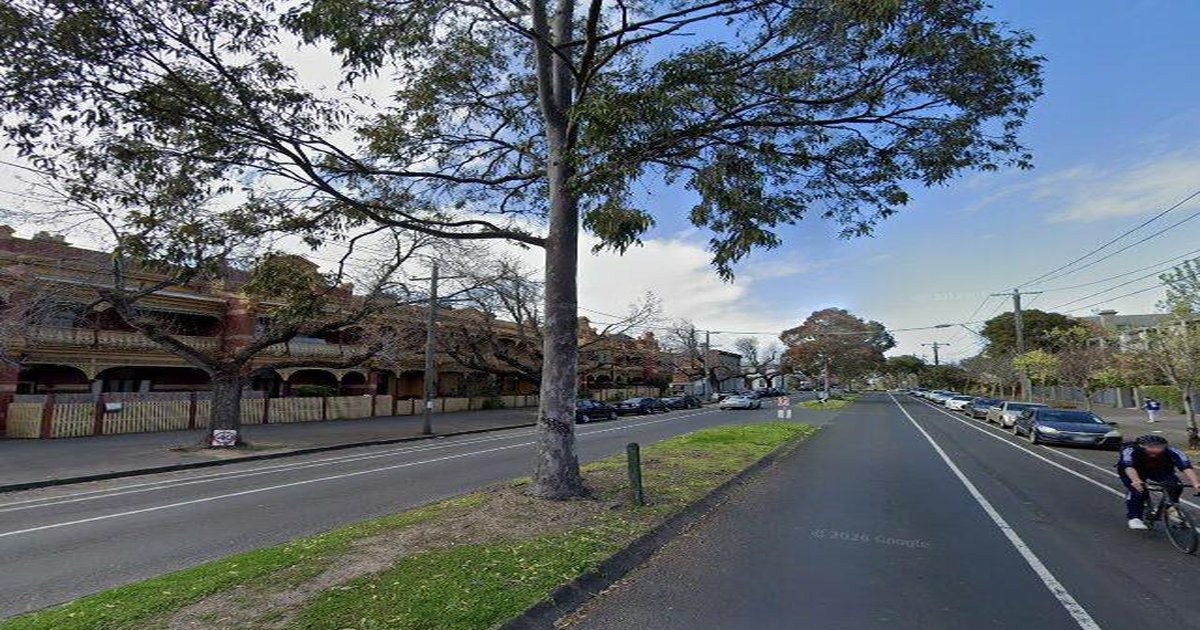
Is Best Restaurants Melbourne Safe in 2026? A Resident’s Guide
Melbourne’s restaurant scene is world-renowned, and the “Best Restaurants” precinct – encompassing areas like Fitzroy, Collingwood, Richmond, South Yarra, and parts of the CBD – draws diners from across the globe. But beyond the culinary delights, a crucial question for residents and newcomers alike is: how safe is this area to live in, particularly looking ahead to 2026? This guide aims to provide a realistic assessment of safety in Best Restaurants Melbourne, drawing on current trends, police data, and resident experiences. It’s not a tourism brochure; it’s a practical resource for those considering calling this vibrant area home.
Overall Safety Rating: Moderate with Nuances
Assigning a single safety rating is difficult. Best Restaurants Melbourne isn’t a homogenous entity. Overall, we’d rate it as moderately safe, but with significant variations depending on the specific suburb, time of day, and type of incident. It’s generally safer than some outer suburbs, but also demonstrably less safe than more affluent inner-city areas like Toorak or Hawthorn. The area’s popularity, density, and late-night activity contribute to both its appeal and its safety challenges. Looking ahead to 2026, we anticipate continued pressure on resources and potential increases in certain crime types, particularly those linked to economic instability.
Crime Types: Property vs. Personal
Understanding the nature of crime is vital. Here’s a breakdown of the prevalent issues:
- Property Crime (Dominant Concern): This is the biggest safety concern for residents. The area is a hotspot for:
- Theft from Motor Vehicles: Extremely common. Cars parked on streets, even in seemingly well-lit areas, are frequently targeted. This includes window smashing, theft of valuables left in plain sight, and even entire car parts. The problem is exacerbated by the high density of parked cars and the transient nature of some visitors to the area.
- Residential Break-ins: While not as frequent as car thefts, burglaries do occur, particularly in areas with less visible security measures (e.g., houses with overgrown gardens, lack of security cameras). Opportunistic thieves often target homes during daylight hours when residents are at work.
- Bike Theft: A persistent issue, especially in areas with high cycling rates. Even secured bikes are vulnerable.
- Shoplifting: Common in retail areas, particularly those with high foot traffic.
- Sneak-theft: Pickpocketing and bag snatching, though less prevalent than car theft, are a concern in crowded areas, especially around popular restaurants and bars.
- Personal Crime (Less Frequent, More Concerning): While less common than property crime, personal crimes are understandably more distressing.
- Assault (Minor): Often linked to alcohol consumption in late-night entertainment areas. These are typically verbal altercations escalating to minor physical assaults.
- Assault (Serious): Less frequent, but can occur, particularly in areas with a higher concentration of bars and nightclubs. These incidents are often linked to alcohol-fueled aggression or, in rarer cases, gang-related activity.
- Robbery: Relatively uncommon, but can occur, particularly in poorly lit areas or when individuals are perceived as vulnerable (e.g., walking alone late at night).
- Sexual Assault: A serious concern, particularly in areas with high nightlife activity. Increased police presence and awareness campaigns are ongoing, but vigilance is crucial.
- Anti-Social Behaviour: Public intoxication, loitering, and aggressive begging can be disruptive and contribute to a feeling of unease, even if not directly threatening.
Day vs. Night Safety Differences
The safety profile of Best Restaurants Melbourne changes dramatically between day and night:
- Daytime: Generally safer. Increased foot traffic, more businesses open, and greater visibility deter opportunistic crime. Property crime, particularly theft from vehicles, remains a concern. Residential burglaries are more likely to occur during daylight hours.
- Nighttime: Significantly less safe. The area transforms into a nightlife hub, attracting large crowds and increasing the potential for alcohol-related incidents. Personal crime, including assault and robbery, is more likely. Poorly lit streets and alleyways create opportunities for crime. The presence of intoxicated individuals can also contribute to a feeling of unease. Car theft remains a constant threat.
Safest and Least-Safe Pockets (as of late 2024, projections for 2026 suggest these trends will continue)
- Safest Pockets:
- South Yarra (particularly near Chapel Street): Generally well-lit, high foot traffic during the day, and a strong police presence. More affluent residents also contribute to a greater sense of security.
- Richmond (north of Bridge Road, closer to the CBD): A mix of residential and commercial areas with good street lighting and a relatively low incidence of serious crime.
- Fitzroy (around Johnston Street): While Fitzroy has a reputation for being edgy, the areas closer to Johnston Street and with more established businesses tend to be safer due to increased visibility.
- Least-Safe Pockets:
- Collingwood (particularly around Smith Street): High density of bars and nightclubs, leading to increased alcohol-related incidents and anti-social behaviour. Poorly lit areas and narrow laneways create opportunities for crime.
- Fitzroy (Brunswick Street and surrounding areas): While vibrant, Brunswick Street and its immediate surroundings experience high levels of foot traffic and can be prone to petty theft and opportunistic crime, particularly late at night.
- Richmond (closer to Victoria Parade): Some areas bordering the CBD experience higher rates of robbery and assault, particularly late at night.
Comparison to City Average
Overall crime rates in Best Restaurants Melbourne are generally higher than the Melbourne City Council average. Property crime, particularly theft from vehicles, is significantly higher. Personal crime rates are also elevated, particularly in areas with a strong nightlife presence. However, it’s important to note that crime statistics can be influenced by reporting rates and police activity. Areas with a more visible police presence may have higher reported crime rates, even if the actual level of crime is similar to other areas.
Projections for 2026
Several factors suggest potential shifts in safety trends by 2026:
- Economic Instability: Increased cost of living and potential job losses could lead to a rise in property crime as individuals resort to theft to survive.
- Housing Density: Continued high-density development could exacerbate existing safety challenges, particularly in areas with limited infrastructure and resources.
- Police Resources: Ongoing debates about police funding and staffing levels could impact the effectiveness of crime prevention efforts.
- Technological Advancements: Increased use of CCTV cameras and smart home security systems could deter crime, but also raise privacy concerns.
Practical Tips for New Residents
- Secure Your Vehicle: Never leave valuables in your car, even for a short period. Consider installing an alarm system and parking in well-lit areas.
- Home Security: Invest in a good quality security system, including alarms, security cameras, and motion sensors. Ensure your doors and windows are secure.
- Be Aware of Your Surroundings: Pay attention to your surroundings, especially when walking alone at night. Avoid poorly lit areas and narrow laneways.
- Trust Your Instincts: If something feels wrong, remove yourself from the situation.
- Report Suspicious Activity: Report any suspicious activity to the police.
- Join Neighbourhood Watch: Participate in local Neighbourhood Watch programs to connect with your neighbours and share information about safety concerns.
- Secure Your Bike: Invest in a high-quality bike lock and secure your bike to a sturdy object.
- Be Careful with Your Belongings: Keep your phone and wallet secure in crowded areas.
- Know Your Local Police: Familiarize yourself with your local police station and contact details.
- Consider Personal Safety Devices: Carry a personal alarm or pepper spray (where legal and with appropriate training).
- Stay Informed: Keep up-to-date on local crime trends and safety alerts. Follow local police on social media.
Disclaimer: This guide is based on available data and resident experiences as of late 2024. Crime trends can change rapidly. It is not intended to be a definitive statement of safety but rather a resource to inform decision-making. Always prioritize your personal safety and take appropriate precautions. For the most up-to-date crime statistics, consult the Victoria Police website.
💬 Discussion
Join the conversation — no account needed