
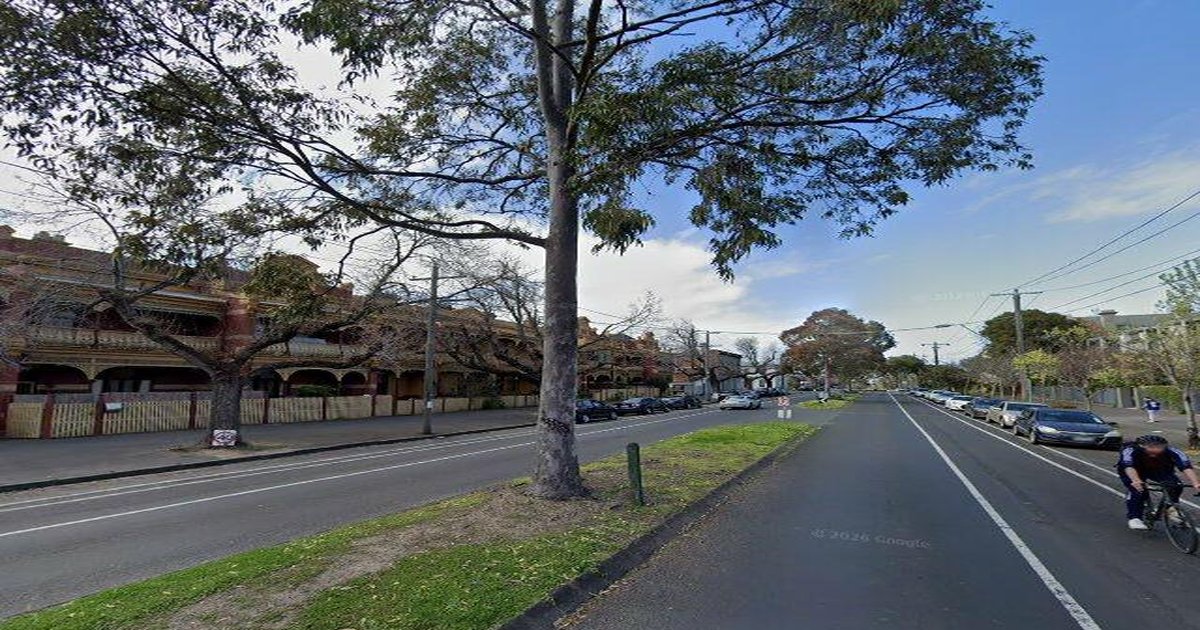
Cost of Living in Melbourne’s Best Suburbs: 2026 Edition
Melbourne consistently ranks high in global liveability surveys, and for good reason. However, the cost of living, particularly housing, can be a significant factor in choosing where to settle. This guide explores the cost of living in some of Melbourne’s top suburbs for 2026, comparing them to nearby alternatives and providing realistic weekly budget examples for both single individuals and couples. Data is based on current trends and projections, acknowledging that market fluctuations are always possible. All rental figures are weekly median values sourced from realestate.com.au and Domain.com.au as of late 2024, with projected increases factored in for 2026.
Suburbs Featured:
- Hawthorn: A consistently popular choice, known for its leafy streets, excellent schools, and proximity to the CBD.
- Richmond: Vibrant and inner-city, offering a lively atmosphere, diverse dining options, and good transport links.
- Balwyn: A more affluent, family-oriented suburb with large homes, prestigious schools, and a quieter lifestyle.
- Comparison Suburbs:
- Kew (Comparison to Hawthorn): Similar vibe to Hawthorn, slightly more affordable, but still desirable.
- South Yarra (Comparison to Richmond): Upscale and trendy, offering a similar inner-city feel but with a higher price tag.
- Rent Breakdown (Weekly Median - Projected 2026)
Housing is typically the largest expense. These figures represent weekly median rents, and actual prices will vary based on property size, condition, and location within the suburb.
- Hawthorn:
- 1 Bedroom Apartment: $550 - $650
- 2 Bedroom Apartment: $750 - $900
- House (3+ Bedrooms): $1,200 - $1,800+ (depending on size and features)
- Richmond:
- 1 Bedroom Apartment: $500 - $600
- 2 Bedroom Apartment: $700 - $850
- House (3+ Bedrooms): $1,000 - $1,600+ (less common than apartments)
- Balwyn:
- 1 Bedroom Apartment: $500 - $600 (limited availability)
- 2 Bedroom Apartment: $700 - $850 (limited availability)
- House (3+ Bedrooms): $1,500 - $2,500+ (generally larger and more luxurious)
- Kew:
- 1 Bedroom Apartment: $520 - $620
- 2 Bedroom Apartment: $720 - $880
- House (3+ Bedrooms): $1,100 - $1,700+
- South Yarra:
- 1 Bedroom Apartment: $580 - $700
- 2 Bedroom Apartment: $800 - $1,000
- House (3+ Bedrooms): $1,300 - $2,000+
- Weekly Groceries
Grocery costs are highly variable depending on eating habits and shopping choices. These are estimates for a reasonable standard of living.
- Single Person: $100 - $150 per week. This allows for a mix of cooking at home and occasional takeaway.
- Couple: $200 - $300 per week. Sharing bulk purchases and cooking together can significantly reduce costs.
- Tips for Saving: Shop at Aldi or Costco (if you have a membership), plan meals, reduce food waste, and cook in bulk.
- Transport Costs
Melbourne’s public transport system is extensive, but car ownership adds significant expenses.
- Myki Pass (Zone 1 & 2): $53.50 (weekly) - Covers most inner-city travel.
- Myki Concession (Student/Pensioner): Lower rates apply.
- Car Ownership (Weekly Average): $200 - $400+ (including petrol, registration, insurance, maintenance, and parking). This is a broad estimate and can vary greatly.
- Cycling/Walking: Free (and good for your health!).
- Ride-Sharing (Uber/Ola): Variable, but budget $20 - $50 per week for occasional trips.
- Dining Out Budget
Melbourne is a foodie paradise, but eating out regularly can quickly drain your finances.
- Single Person: $50 - $100 per week. This allows for 1-2 casual meals out.
- Couple: $100 - $200 per week. Sharing meals and opting for mid-range restaurants can help manage costs.
- Budget-Friendly Options: Explore local pubs, cafes with lunch specials, and food markets.
- What’s Free/Cheap in Melbourne
Melbourne offers plenty of free and affordable activities.
- Parks & Gardens: Royal Botanic Gardens, Fitzroy Gardens, Yarra Park – all free to explore.
- Free Events: Check out websites like Eventbrite and Melbourne City Council for free festivals, concerts, and exhibitions.
- Libraries: Borrow books, movies, and music for free.
- Walking Tours: Many free walking tours are available, covering various aspects of Melbourne’s history and culture.
- Picnics: Pack a lunch and enjoy a picnic in one of Melbourne’s many parks.
- Museums & Galleries (Free Days): Some museums and galleries offer free entry on certain days or evenings.
Weekly Budget Examples (Projected 2026)
These are illustrative examples, and your actual expenses will depend on your lifestyle and priorities.
Single Person - Hawthorn (Moderate Lifestyle)
- Rent (1BR Apartment): $600
- Groceries: $120
- Transport (Myki Pass): $53.50
- Dining Out: $75
- Utilities (Gas, Electricity, Water): $50 - $80 (estimate)
- Internet/Phone: $50
- Entertainment/Miscellaneous: $50
- Total: $1,048.50 - $1,098.50
Single Person - Richmond (Budget-Conscious)
- Rent (1BR Apartment): $550
- Groceries: $100
- Transport (Myki Pass): $53.50
- Dining Out: $50
- Utilities: $40 - $60
- Internet/Phone: $50
- Entertainment/Miscellaneous: $30
- Total: $873.50 - $893.50
Couple - Balwyn (Comfortable Lifestyle)
- Rent (House): $1,800
- Groceries: $250
- Transport (2 x Myki Passes): $107
- Dining Out: $150
- Utilities: $100 - $150
- Internet/Phone: $80
- Entertainment/Miscellaneous: $100
- Total: $2,587 - $2,687
Couple - Kew (Moderate Lifestyle)
- Rent (2BR Apartment): $800
- Groceries: $220
- Transport (2 x Myki Passes): $107
- Dining Out: $120
- Utilities: $80 - $120
- Internet/Phone: $70
- Entertainment/Miscellaneous: $80
- Total: $1,677 - $1,727
Suburb Comparison Summary:
- Hawthorn & Kew: Offer a similar, established feel with excellent amenities and schools. Hawthorn is generally slightly more expensive, particularly for houses.
- Richmond: More affordable than Hawthorn and Kew, with a vibrant, inner-city atmosphere. Good for those who enjoy a lively social scene.
- Balwyn: The most expensive of the four, reflecting its prestige and larger properties. Ideal for families seeking a quiet, leafy environment and access to top schools.
- South Yarra: Comparable to Richmond in terms of inner-city living, but with a more upscale and trendy vibe, resulting in higher rental costs.
Important Considerations:
- Utilities: These are estimates and can fluctuate significantly depending on usage and energy prices.
- Entertainment: This category is highly variable and depends on your individual preferences.
- Healthcare: Factor in potential out-of-pocket medical expenses.
- Insurance: Home and contents insurance is essential.
- Inflation: These projections are based on current trends, but inflation could impact costs.
- Market Fluctuations: Rental prices and other expenses can change rapidly.
This guide provides a comprehensive overview of the cost of living in some of Melbourne’s best suburbs. Thorough research and careful budgeting are essential for making informed decisions and enjoying a comfortable lifestyle in this vibrant city. Remember to always check current market data and adjust your budget accordingly.
💬 Discussion
Join the conversation — no account needed