
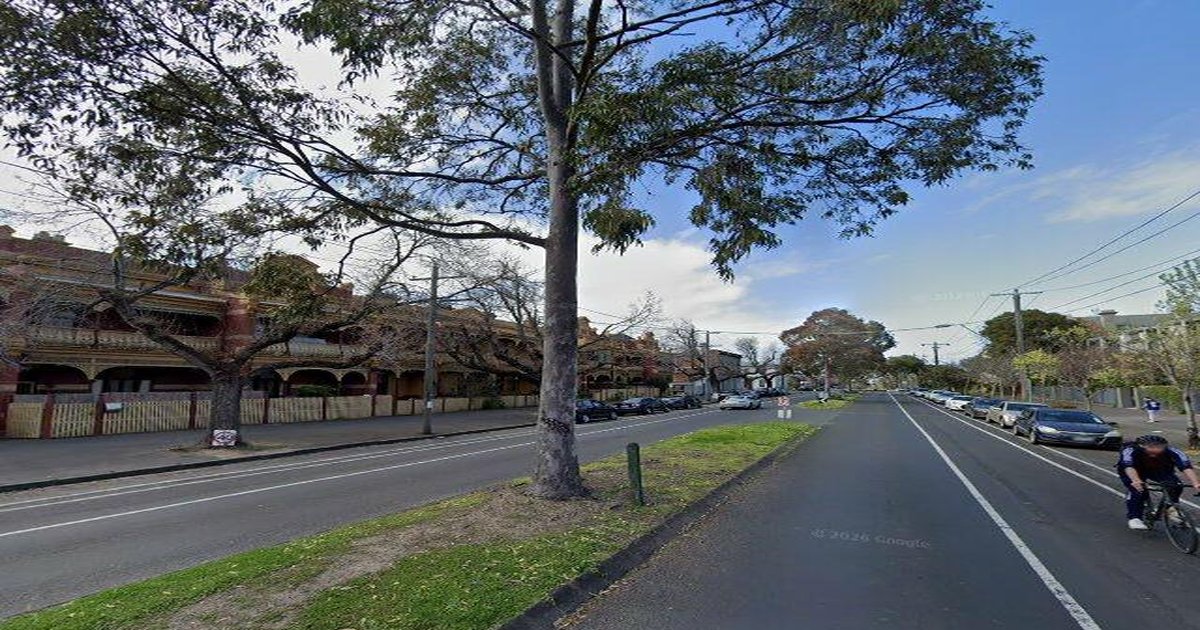
Cost of Living in Best Walks Melbourne Suburbs 2026
Melbourne’s reputation for liveability is intrinsically linked to its vibrant lifestyle and access to green spaces. For those who prioritise walking and exploring the outdoors, certain suburbs consistently top the list. This guide explores the cost of living in some of Melbourne’s best walk-friendly suburbs in 2026, comparing them to nearby alternatives and providing realistic weekly budget examples for both single individuals and couples. We’ll focus on suburbs known for their parks, trails, and proximity to natural beauty, while also considering the practicalities of daily life.
Suburbs Under the Microscope:
We’ll be examining the following suburbs, chosen for their walkability and overall appeal:
- Hawthorn: Known for its leafy streets, proximity to the Yarra River, and excellent public transport.
- Kew: A more established and affluent area with extensive parklands and a village-like atmosphere.
- Richmond: A lively inner-city suburb with the Yarra River trails, parks, and a strong sense of community.
- Comparison Suburbs:
- Malvern: Similar to Kew in terms of affluence and established character, but slightly more accessible to the city.
- South Yarra: A trendy and vibrant area, close to the Botanic Gardens and Yarra River, but generally more expensive than Richmond.
Rent Breakdown (Weekly Median - Estimated 2026):
Rental prices are constantly fluctuating, so these figures are based on current trends and projected increases, factoring in inflation and market demand. Data is sourced from realestate.com.au and Domain.com.au as of late 2024 and adjusted for a projected 3-4% annual increase.
- Hawthorn:
- 1 Bedroom Apartment: $520 - $600
- 2 Bedroom Apartment: $700 - $850
- House (3+ Bedrooms): $1100 - $1500+
- Kew:
- 1 Bedroom Apartment: $550 - $650
- 2 Bedroom Apartment: $750 - $900
- House (3+ Bedrooms): $1200 - $1700+
- Richmond:
- 1 Bedroom Apartment: $480 - $560
- 2 Bedroom Apartment: $650 - $800
- House (3+ Bedrooms): $950 - $1300+
- Malvern:
- 1 Bedroom Apartment: $530 - $630
- 2 Bedroom Apartment: $730 - $880
- House (3+ Bedrooms): $1150 - $1600+
- South Yarra:
- 1 Bedroom Apartment: $580 - $700
- 2 Bedroom Apartment: $780 - $950
- House (3+ Bedrooms): $1300 - $1800+
Weekly Groceries:
Grocery costs vary significantly based on dietary habits and shopping choices. These estimates assume a mix of supermarket shopping (Coles/Woolworths) and occasional fresh produce from local markets.
- Single Person: $100 - $150 (Focus on cooking at home, occasional takeaway)
- Couple: $200 - $300 (More opportunity for variety and occasional premium ingredients)
Transport Costs:
Melbourne’s public transport system is extensive, but car ownership adds significant expenses.
- Myki Pass (Monthly - Zone 1 & 2): Approximately $56.50 (equivalent to $14.13 per week) – Ideal for frequent public transport users.
- Occasional Myki Use: $10 - $20 per week (depending on frequency and distance travelled)
- Car Ownership (Weekly Average - including fuel, registration, insurance, maintenance): $200 - $350+ (Significant variation based on car type and usage)
- Cycling/Walking: $0 - $10 (for occasional bike maintenance)
Dining Out Budget:
Melbourne boasts a world-class food scene. This budget reflects a balance between cooking at home and enjoying the city’s culinary offerings.
- Single Person: $50 - $100 (1-2 meals out per week, coffee, occasional drinks)
- Couple: $100 - $200 (2-3 meals out per week, coffee, occasional drinks)
What’s Free/Cheap:
Melbourne offers numerous opportunities for affordable entertainment and recreation.
- Parks & Trails: Free access to numerous parks, gardens, and walking trails (e.g., Yarra River Trail, Birrarung Marr, Royal Botanic Gardens).
- Community Events: Many free community events, festivals, and markets throughout the year.
- Libraries: Free access to libraries with books, internet, and often workshops.
- Free Museums & Galleries: Some museums and galleries offer free entry on certain days or have permanent free exhibits.
- Picnics: A classic Melbourne pastime – pack a lunch and enjoy a picnic in one of the many parks.
- Walking Groups: Joining local walking groups is a great way to explore the city and meet people.
Weekly Budget Examples (2026 Estimates):
These are illustrative examples, and actual costs will vary.
Single Person – Living in Richmond (1 Bedroom Apartment):
- Rent: $520
- Groceries: $120
- Transport (Myki Pass): $14
- Dining Out: $75
- Utilities (Gas, Electricity, Water): $50 (estimate, can vary seasonally)
- Internet: $40
- Entertainment/Miscellaneous: $50
- Total Weekly Cost: $869
Couple – Living in Hawthorn (2 Bedroom Apartment):
- Rent: $750
- Groceries: $250
- Transport (2 x Myki Passes): $28
- Dining Out: $150
- Utilities (Gas, Electricity, Water): $80 (estimate, can vary seasonally)
- Internet: $40
- Entertainment/Miscellaneous: $80
- Total Weekly Cost: $1478
Comparison – Cost Considerations:
- Kew & Malvern: These suburbs offer a more tranquil lifestyle but come at a premium. Rent and grocery costs are generally higher than Richmond or Hawthorn. The appeal lies in the larger properties and established gardens, which may require additional maintenance costs.
- South Yarra: While close to the city and desirable amenities, South Yarra is the most expensive option. Rent is significantly higher, and dining out costs tend to be elevated due to the abundance of high-end restaurants and bars.
- Richmond vs. Hawthorn: Richmond offers a more vibrant and accessible lifestyle, particularly for those who enjoy a bustling atmosphere. Hawthorn provides a slightly more relaxed and leafy environment, with a stronger sense of community. The cost difference is noticeable, with Richmond generally being more affordable.
Conclusion:
Choosing a suburb based on walkability and cost of living requires careful consideration. While Richmond offers a more budget-friendly option with excellent access to trails and public transport, Hawthorn and Kew provide a more established and spacious environment, albeit at a higher cost. Malvern and South Yarra represent further increases in price, reflecting their desirable locations and amenities. Ultimately, the best suburb depends on individual priorities and lifestyle preferences. This guide provides a realistic snapshot of the cost of living in these popular Melbourne suburbs in 2026, empowering potential residents to make informed decisions and enjoy the city’s renowned walkability. Remember to factor in personal spending habits and potential fluctuations in the market when budgeting.
💬 Discussion
Join the conversation — no account needed