
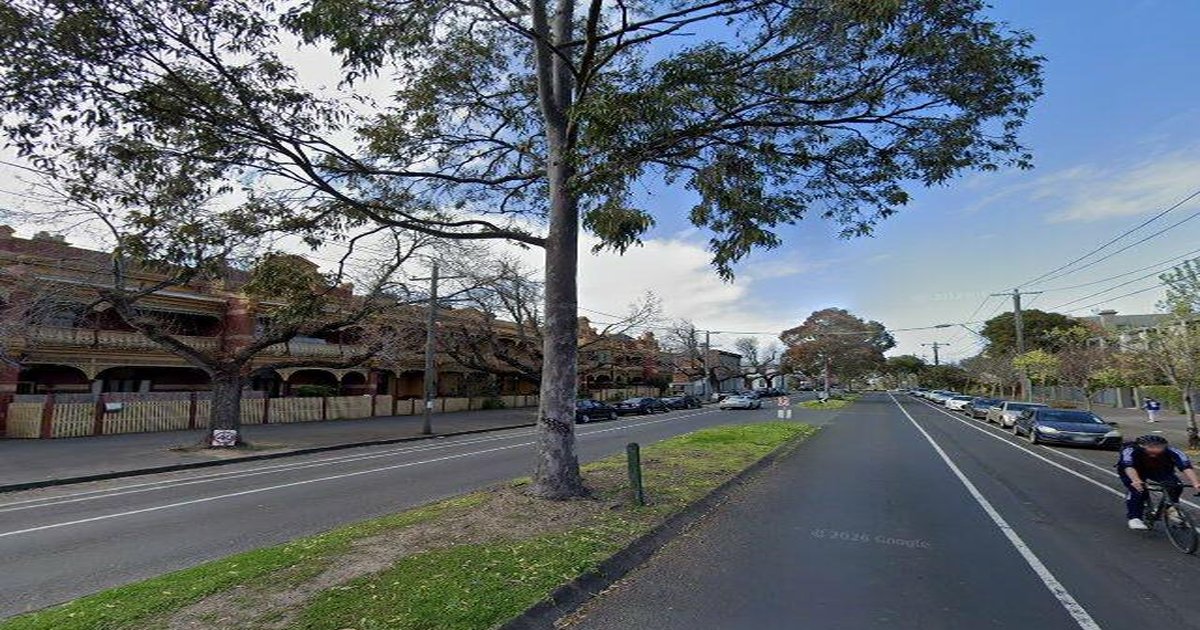
The median house price in Beveridge sits at $469K–$694K in 2026, with units at $308K–$398K. Those numbers position Beveridge firmly in Melbourne’s growth corridor market, 38 km north of the CBD. This guide unpacks the growth story, rental yields, and whether the current pricing makes sense for buyers and investors.
At a glance: 38 km from CBD · Growth corridor ring · House $469K–$694K · Unit $308K–$398K
Median Property Prices – Beveridge (2026)
| Property Type | Median Price Range | vs Melbourne Median |
|---|---|---|
| House | $468,750–$693,750 | ~45% below |
| Unit/Apartment | $307,500–$397,500 | ~39% below |
Estimates based on REIV quarterly data and Domain.com.au listings for 2026. Prices reflect Beveridge’s growth corridor classification at 38 km from the CBD. Individual properties vary significantly by land size, condition, and micro-location.
Price Growth Trend – Beveridge
Beveridge’s property market has been strong growth fuelled by new land releases and infrastructure investment. Estimated annual capital growth sits at 5–10%, characteristic of growth corridors where land values are rising from a lower base. Growth corridor suburbs can deliver higher percentage returns than established areas, but they carry more risk and depend heavily on infrastructure delivery.
Key drivers for Beveridge:
- New land releases and precinct structure plans
- Population growth outpacing Melbourne averages
- Government infrastructure commitments
- Relative affordability attracting first-home buyers and investors
Investor vs Owner-Occupier Breakdown
Growth corridors like Beveridge see strong investor activity (35–50% of transactions) due to lower entry prices and land-lease packages. First-home buyers (50–65%) dominate the owner-occupier segment, often using the First Home Owner Grant ($10,000 for new builds under $750K).
| Buyer Type | Estimated Share | Typical Target |
|---|---|---|
| Owner-occupier | 50–65% | Houses, larger units |
| Investor | 35–50% | Units, smaller houses |
Infrastructure and Development Near Beveridge
Infrastructure is the single biggest external factor in suburban property growth. Here are the key projects affecting Beveridge:
- Melbourne Airport Rail Link connection
- Outer Metropolitan Ring Road (OMR) reservation
- Precinct Structure Plan (PSP) staged land releases
Impact: Properties within 1 km of new stations or major upgrades typically see 5–15% price premiums within 2–3 years of announcement. Track project timelines at bigbuild.vic.gov.au.
Rental Yield – Beveridge (2026)
| Metric | Estimate |
|---|---|
| Gross rental yield (units) | 3.6–5.0% |
| Annual rent (1BR median) | $13,598 |
| Unit purchase price (median) | $307,500–$397,500 |
| House purchase price (median) | $468,750–$693,750 |
| Estimated annual growth | 5–10% |
Gross yield formula: Annual rent / Purchase price. Net yield (after expenses) is typically 1–1.5% lower after accounting for management fees, maintenance, insurance, and vacancy.
Investor note: Higher gross yields in outer suburbs often attract investors, but factor in longer vacancy periods and higher tenant turnover compared to inner Melbourne.
Related Guides
- Beveridge Rent Guide
- Cost of Living in Beveridge
- Beveridge Neighbourhood Guide
- Beveridge Transport Guide
- Is Beveridge Safe?
Prices current as of April 2026. We update this guide quarterly. Got a correction? [email protected]
Sources
- Domain.com.au – property listing data – accessed April 2026
- REIV Quarterly Median Prices – reiv.com.au – accessed April 2026
- ABS Census 2021 – abs.gov.au/census
💬 Discussion
Join the conversation — no account needed