You are pricing up Campbellfield and the cheap-rent story only gets you halfway. The real weekly number is $813 for a single, $1,015 for a couple, or $1,341 for a family, once rent, food, transport, bills and winter shocks are counted.
The Verdict
The budget to use is the full weekly number, not the rent number: $813/week for a single, $1,015/week for a couple, and $1,341/week for a family with two kids. Campbellfield can still beat inner Melbourne on housing, but it only works if you treat transport and utilities as core costs from day one. Rent is the obvious win: current Campbellfield listings put a one-bedroom apartment around $337-$417/week, a two-bedroom unit or apartment around $400-$500/week, and a three-bedroom house around $505-$655/week. Compared with CBD living, that can save roughly $100-$200/week on rent alone, with more space as the trade.
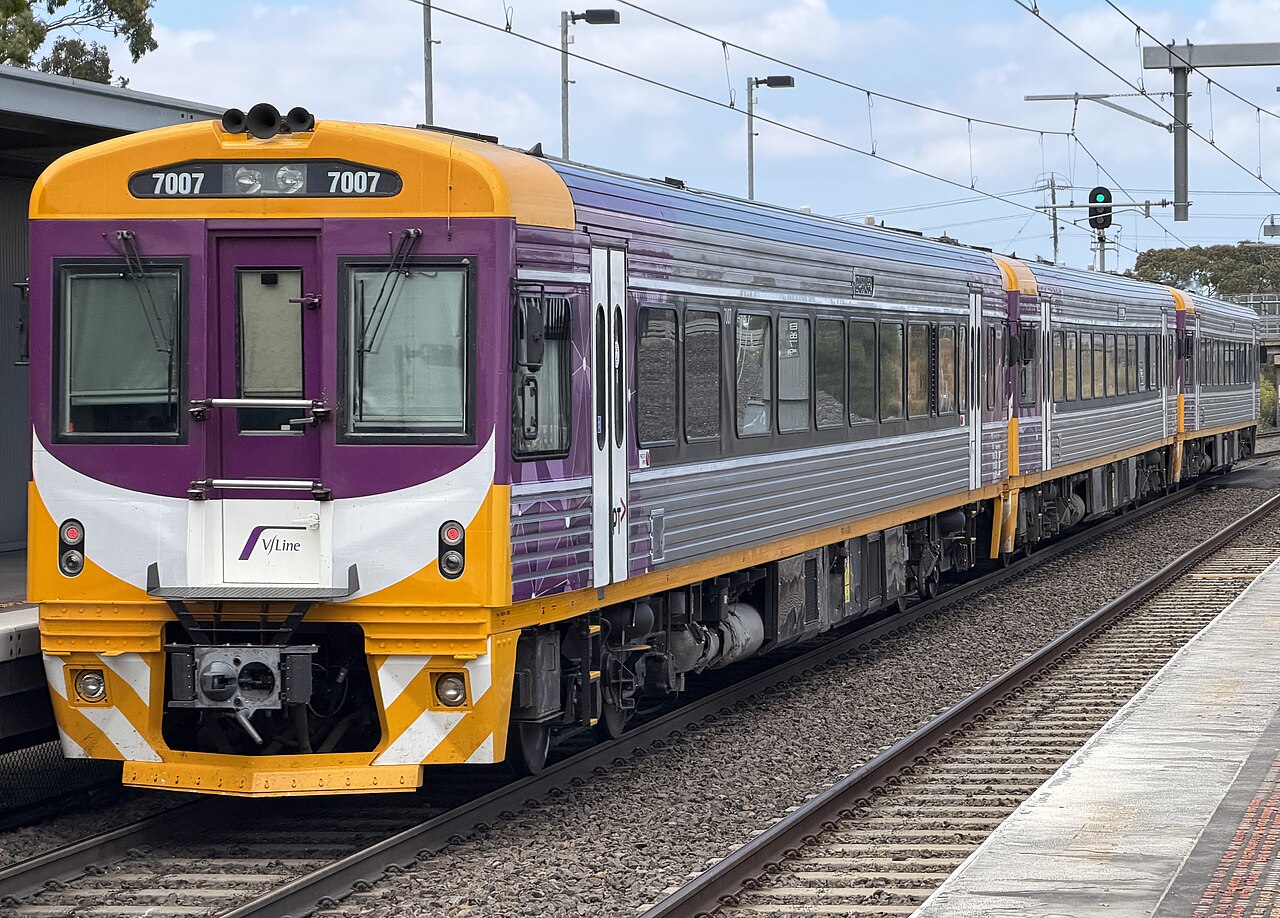
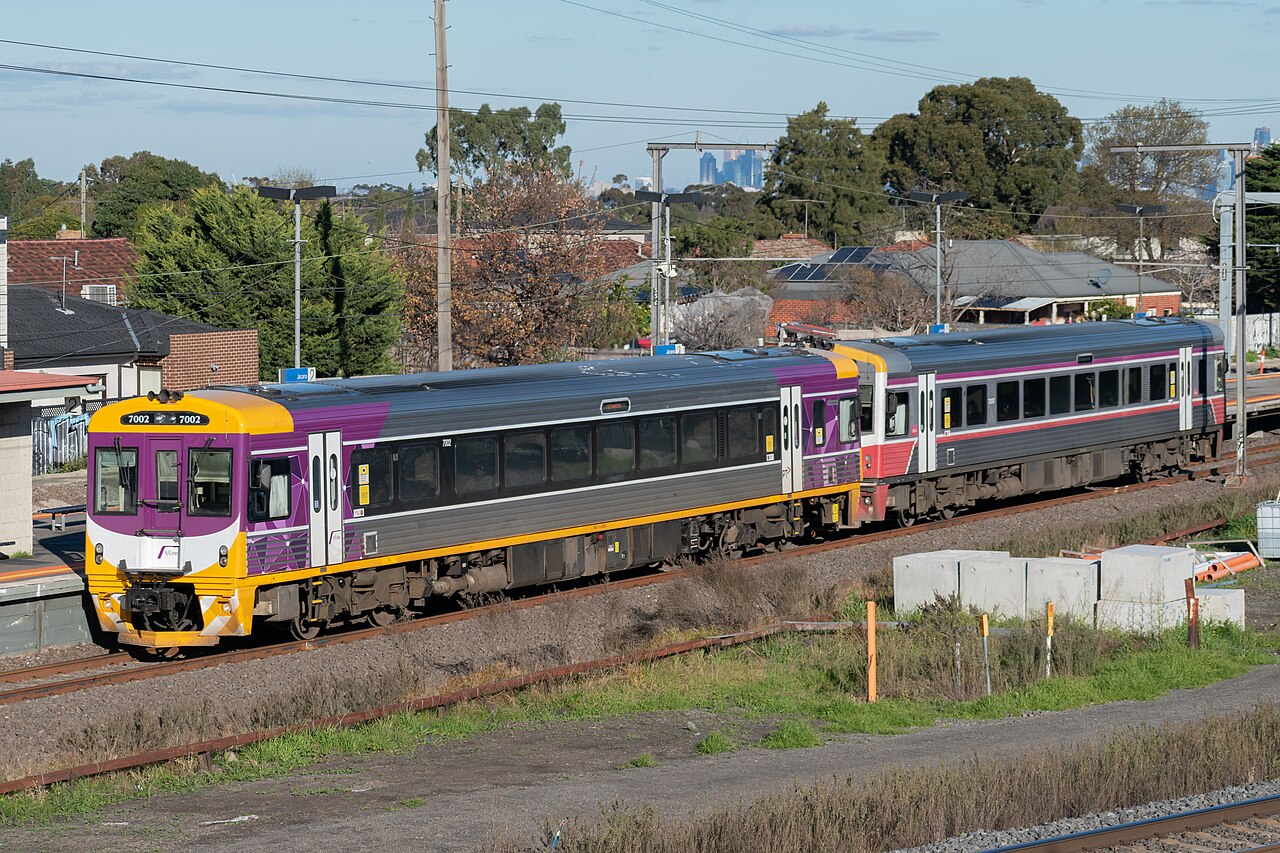
The catch is that Campbellfield is not a suburb where you can pretend a car is optional and then be surprised later. Public transport exists, and a full-fare Myki commuting pattern sits around $36/week, but many households will need car running costs closer to $120-$180/week once fuel, rego, insurance and servicing are included. Groceries are the other swing factor. A standard shop lands around $133-$163/week for one person, but using Aldi first can cut $30-$50/week from a normal grocery run. Don’t build your budget around the cheapest rent listing and then ignore the car – you’ll regret it by the second month.
Local Reality
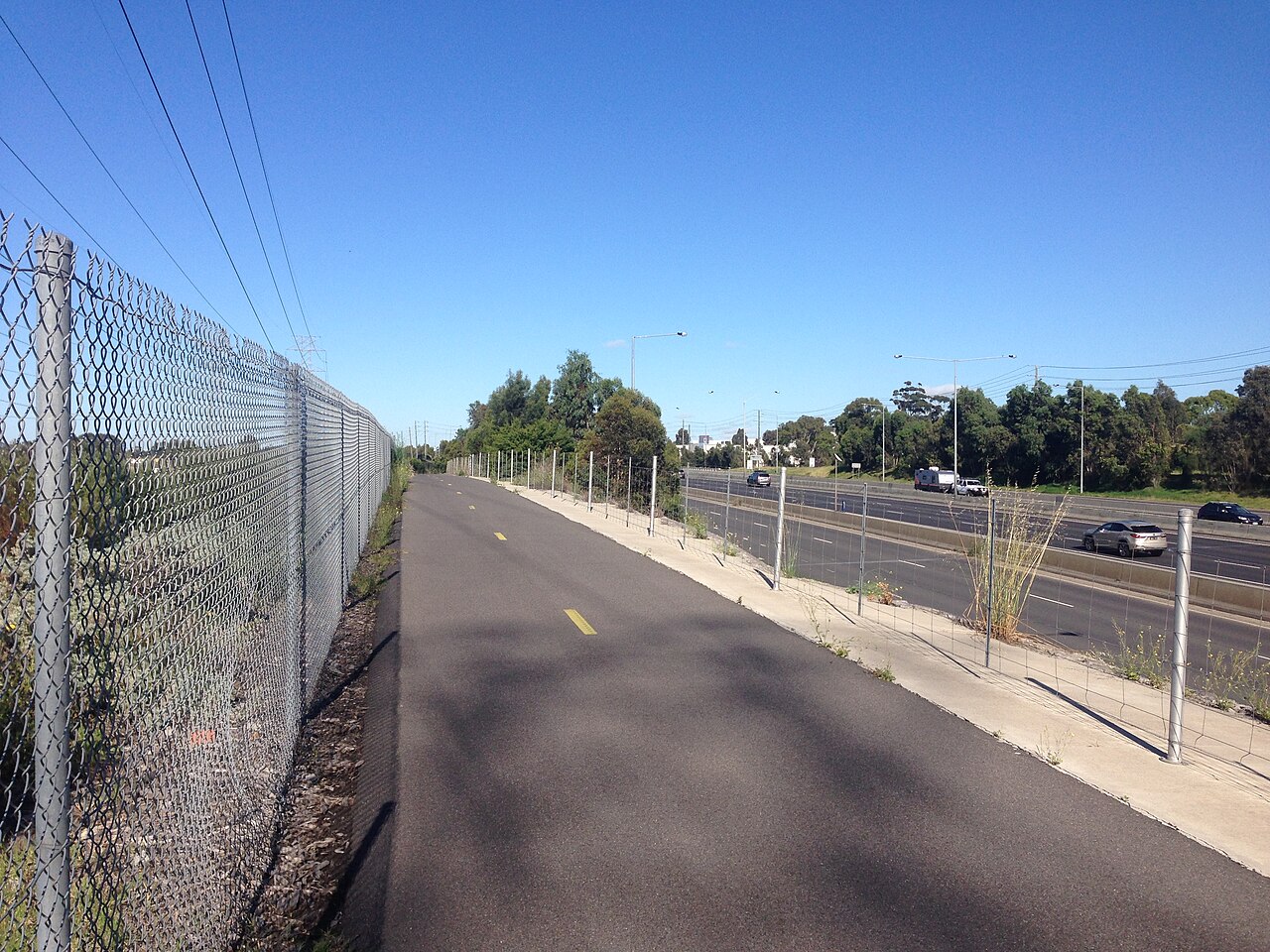
Campbellfield budgeting is practical, not pretty. Parking is rarely the problem; most homes have driveways or garages, so you are not usually circling blocks the way you might closer to the CBD. The bigger issue is distance friction. If your job, school drop-off, gym and supermarket are all in different directions, the cheap weekly rent starts leaking into fuel, takeaway and lost time. Coles and Woolworths will cover the normal shop, but the residents who keep costs down are usually the ones willing to drive to Aldi and do the boring bulk basics first.
The food number is where a lot of people get caught. A cafe brunch at $18-$26 per person does not sound wild once. A mid-range dinner for two at $70-$110 without drinks is fine once. But repeat either habit weekly and Campbellfield stops feeling like a budget suburb. If you are moving here because the rent is cheaper, set a dining and entertainment cap before you arrive, not after your card statement hurts.
Utilities need the same blunt treatment. Electricity, gas, water, internet and mobile together can sit around $72/week for a single or couple, and closer to $100/week for a family. Winter is the warning: gas heating can push bills up 40-60% from June to August, so add $15-$30/week in that period. Skip Campbellfield if you are trying to live car-free and commute across town daily. If your life is mostly west of the CBD, you may be better comparing nearby suburbs instead of forcing Campbellfield to behave like an inner-suburb lifestyle choice.
Who This Suits
If you are a single renter, pick the share-house option if you can tolerate it: a room at $212-$262/week can save about $125/week compared with living alone. If you are a couple, the two-bedroom apartment or unit range of $400-$500/week is the cleanest middle ground. If you are a family with two kids, use the $1,341/week total as the starting point, not the $505-$655/week house rent. If you are buying, add owner costs properly: council rates around $1,855/year, body corporate around $3,709/year for apartments, and insurance that can run $80-$150/month depending on cover.
For cost expectations, the lean version of Campbellfield means Aldi first, home brands, minimal eating out, Myki money rather than a pass if you work hybrid, and quarterly energy plan checks. The standard version means Coles or Woolworths most weeks, occasional dining, and a car that gets used often. The expensive version sneaks up through childcare at $100-$180/day before subsidies, private school fees from $5,000-$15,000/year, pet costs of $50-$100/month, and weekend spending that never made it into the spreadsheet.
Time of year matters. April numbers are useful, but rentals shift quarterly, energy use jumps in winter, and families feel school and childcare timing harder than singles do. From June to August, pad the utilities line before judging whether your budget is failing. If you work hybrid, do not buy a transport pass on autopilot; Myki money usually makes more sense when you only travel some days.
What to Do Next
Use the weekly total that matches your household, then check the current rent band before applying. Start with the Campbellfield rent guide and add car costs before you decide the suburb is cheap.
The Quick Numbers
| Expense | Single | Couple | Family (2 kids) |
|---|---|---|---|
| Rent | $337/wk | $400/wk | $505/wk |
| Groceries | $133/wk | $212/wk | $292/wk |
| Transport | $36/wk | $64/wk | $72/wk |
| Utilities | $72/wk | $72/wk | $100/wk |
| Internet/Phone | $85/wk | $85/wk | $85/wk |
| Weekly Total | $813/wk | $1015/wk | $1341/wk |
| Monthly Total | $3252/mo | $4060/mo | $5364/mo |
| Annual Total | $42,276/yr | $52,780/yr | $69,732/yr |
Utilities & Bills Table
| Utility | Single | Couple | Family |
|---|---|---|---|
| Electricity | $25-35/wk | $30-45/wk | $40-60/wk |
| Gas (if connected) | $10-18/wk | $12-22/wk | $15-28/wk |
| Water | $8-12/wk | $10-15/wk | $12-20/wk |
| Internet (NBN) | $20-25/wk | $20-25/wk | $20-25/wk |
| Mobile | $10-15/wk | $20-30/wk | $30-50/wk |
Budget data compiled from ABS household expenditure surveys, local rental listings (Domain, realestate.com.au), and utility comparison sites. Updated April 2026. Individual circumstances vary.