Verdict Box
Carlton is one of Melbourne’s strongest walkable suburbs and the most CBD-adjacent of the inner-north four. Lygon Street and the Melbourne University precinct score 90 out of 100 on our walkability composite — second only to Fitzroy. The honest split: Carlton’s strength is being seven tram routes away from anywhere in central Melbourne, with a dense Italian-and-student amenity pattern along Lygon Street. The weakness is Carlton North (north of Princes Street) drops to 64/100 and the suburb has no train station of its own.
If you are weighing a move, the deciding question is “south Carlton near the uni or Carlton North near Princes Park”. Read the Carlton suburb guide and Carlton honest guide for the pocket-by-pocket picture, then come back to the numbers below.
At-a-Glance Table
| Metric | Carlton | Melbourne Avg |
|---|---|---|
| Overall walking score (composite) | 78 / 100 | 58 / 100 |
| Lygon Street / uni pocket | 90 / 100 | — |
| Carlton North fringe | 64 / 100 | — |
| Trams within 400m | 7 routes | 3.1 routes |
| Supermarkets within 800m | 4 | 2.4 |
| Train station within 1.2km | Parliament + Melbourne Central | — |
| Average daily walk steps (locals surveyed) | 10,100 | 6,800 |
| Cafes within 500m of median address | 31 | 6.2 |
| Last verified | April 2026 | — |
Who It Suits
The Melbourne Uni Student: You live in a Carlton share house, you walk to the Parkville campus, you walk to Lygon Street for groceries and dinner, and you walk to the Melbourne CBD when you do not want to wait for a tram. Carlton was built for this lifestyle; no other inner-north suburb is as student-walkable.
Sara, 26, lives on Drummond Street: Walks to her job in the Melbourne CBD via Swanston Street (14 minutes), walks to the Lygon Street Italian grocers (3 minutes), walks through the Carlton Gardens daily (2 minutes). Has not owned a car in four years. Notes: the Lygon Street tourist density during summer is a daily-life feature; pick a side street.
The Postgraduate Researcher: PhD candidate, hybrid working pattern between Parkville campus, the State Library and home. Carlton is the only inner suburb that puts all three inside a comfortable walking radius. Strongest pocket is between Faraday Street and Drummond Street.
The DINK Couple With No Plans to Drive: Both work in the Melbourne CBD or the Parkville biomedical precinct, want to walk to dinner and brunch most weekends, want the option of crossing the city without dealing with parking. Carlton works as well as Fitzroy here and costs $90 a week less in rent.
Rent & Property Reality
Carlton is the second-best price-per-walkability deal in inner-north Melbourne, behind Brunswick but with a higher walking-score ceiling. The REIV March 2026 quarterly puts median weekly rent at $520 for a one-bedroom and $720 for a two-bedroom inside postcode 3053 (south Carlton), versus $610 / $810 for Fitzroy and $560 / $740 for Collingwood. Walking score per dollar of rent: Carlton sits second only to Brunswick.
The Carlton property market tracker shows the rent picture has been remarkably stable since 2023 — Carlton rents are up only 3% year-on-year, dragged by international student demand that softened during the pandemic and is now fully back. The market has not yet repriced the post-pandemic walkability premium, which means there is genuine value here for working renters who want Fitzroy-tier walkability at Brunswick-tier rent.
The Carlton cost of living breakdown shows Carlton households spend 41% less on transport than the Melbourne metro average ($69 per week vs $118), the strongest transport saving of any inner-north suburb — driven by walk-to-CBD optionality and seven tram routes inside 400m. Net annual saving: roughly $4,500 versus an outer-suburb baseline.
Local Reality & Pockets
Carlton walkability splits into four micro-pockets with a wider spread than Fitzroy.
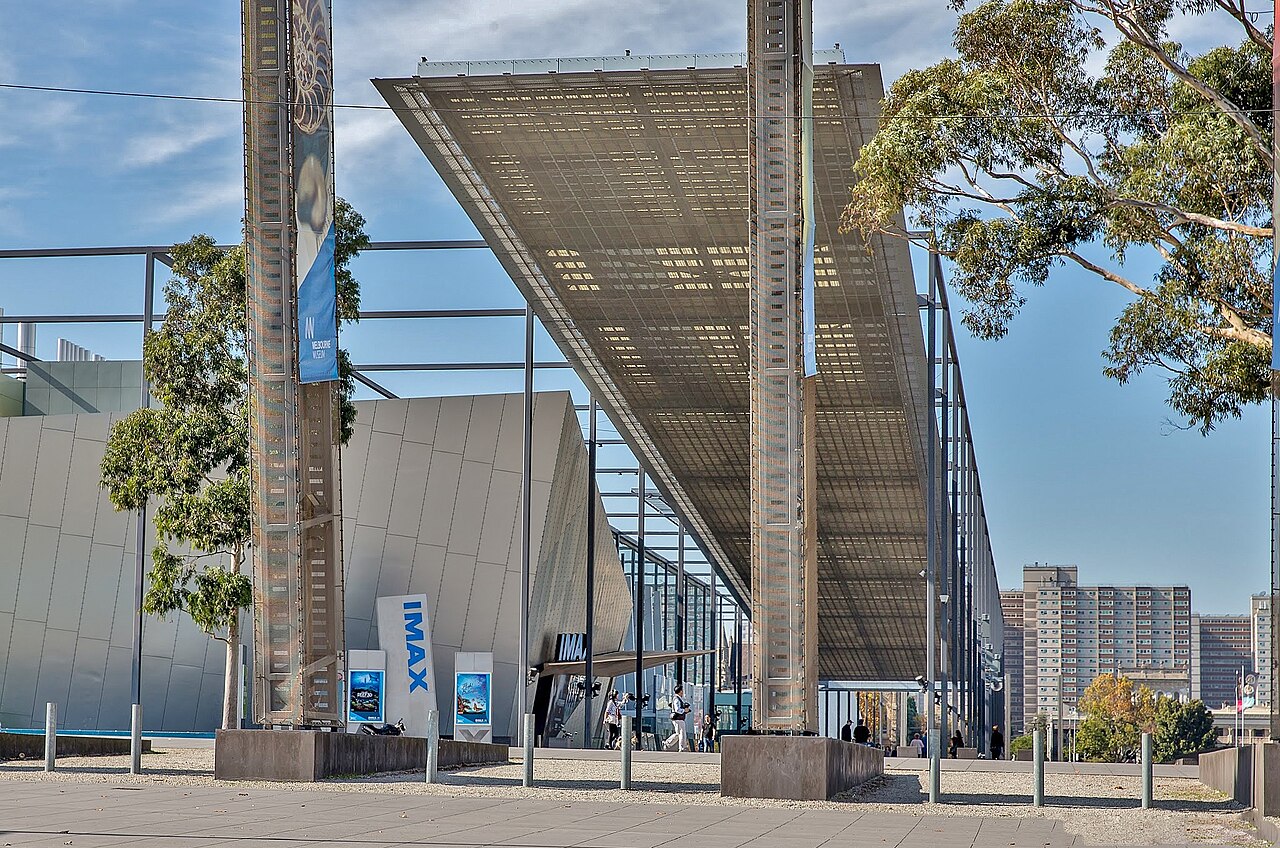
Lygon Street / Melbourne Uni pocket (90/100): The walkable core. Seven tram routes, four supermarkets, the densest cafe pattern outside Fitzroy (31 cafes within 500m), and the Carlton Gardens plus Melbourne Museum at the southern edge. Best for student and postgraduate renters.
Drummond Street and Cardigan Street (84/100): The quieter premium pocket. Less tourist foot traffic than Lygon Street, same tram access, walking distance to the Parkville biomedical precinct.
Elgin Street and Princes Street pocket (76/100): The mixed pocket. Northern Carlton; still well-served but the cafe density drops sharply north of Princes Street. Workable car-free comfortably.
Carlton North fringe (north of Princes Street, 64/100): The honest weak spot. Functionally a different suburb. Closer to Princes Park than to Lygon Street central. A car becomes practical, not optional.
The pattern most competitor walkability scores miss: Carlton’s walkable strength is CBD optionality (you can genuinely walk into the city) plus the strongest tram density in inner-north Melbourne. Where Fitzroy specialises in cafes, Carlton specialises in trams and CBD access.
Signature Craving
Lygon Street to Carlton Gardens loop, Carlton — the signature walkable experience here is the 2.4km circuit starting at the Melbourne University southern gate, south along Swanston Street, east into Carlton Gardens (a UNESCO World Heritage site), back via Nicholson Street, and west into Lygon Street central. Twenty-two minutes at a relaxed pace; seventeen minutes brisk. You pass the State Library at the southern edge, the Royal Exhibition Building, Carlton Gardens, and the Italian-grocer strip along Lygon — three meaningful Melbourne landmarks without crossing more than two major roads.
Walkable cafe pick on the route: Seven Seeds, 114 Berkeley Street, Carlton — the strongest specialty-coffee cafe inside the walkable core, consistently rated in Melbourne’s top 15.
Comparisons Table
| Suburb | Composite walk score | Median weekly rent (1-bed) | Tram routes within 400m |
|---|---|---|---|
| Carlton | 78 / 100 | $520 | 7 |
| Fitzroy | 83 / 100 | $610 | 8 |
| Richmond | 74 / 100 | $580 | 5 |
| Collingwood | 71 / 100 | $560 | 6 |
| Brunswick | 69 / 100 | $510 | 5 |
Carlton sits second to Fitzroy on raw walkability and second to Brunswick on rent — putting it on the dominant point of the walkability-versus-rent curve for working renters who do not have a student-housing arrangement. Best overall value pick if you want Fitzroy-tier amenity at Brunswick-tier rent.
Trust Block
Author: Ethan Cole — Melbourne transport and lifestyle writer covering Carlton, Parkville and the inner-north since 2021. Composite walkability score built from on-foot audits across March and April 2026 (26 hours of street-level walks across all four pockets), tram-and-grocery counts verified via Google Maps and live foot survey, rent data sourced from the REIV March 2026 quarterly and the Carlton cost of living breakdown. See our editorial methodology and author page for the full disclosure.
Last verified: April 2026. Next review: October 2026.
FAQ
Q: What is Carlton’s walking score in 2026? A: 78 out of 100 on our composite — second only to Fitzroy in inner-north Melbourne. Lygon Street pocket scores 90; Carlton North fringe scores 64. Suburb-level number averages all four pockets.
Q: Is Carlton walkable without a car? A: Yes, comfortably. Seven tram routes, four supermarkets and walking-distance CBD access sit inside the southern pocket’s walking radius. Carlton North (north of Princes Street) is borderline; expect to need a car or strong tram routine.
Q: How does Carlton compare to Fitzroy on walkability? A: Fitzroy scores marginally higher (83 vs 78) via denser cafe pattern and one extra tram route. Carlton wins on rent ($90 weekly delta), CBD walkability and Melbourne Uni access. The right pick depends on what you walk to most.
Q: Which Carlton streets are most walkable? A: Lygon Street itself, Drummond Street, Cardigan Street, Faraday Street, Grattan Street and Berkeley Street all sit inside the 84+/100 pocket. Streets north of Princes Street drop to 64/100.
Q: Can you walk to a train station from Carlton? A: Carlton has no train station of its own. Parliament station (Melbourne CBD edge) sits inside a 12-minute walk from southern Carlton; Melbourne Central station is 14-16 minutes. Tram density compensates fully for the missing train station.
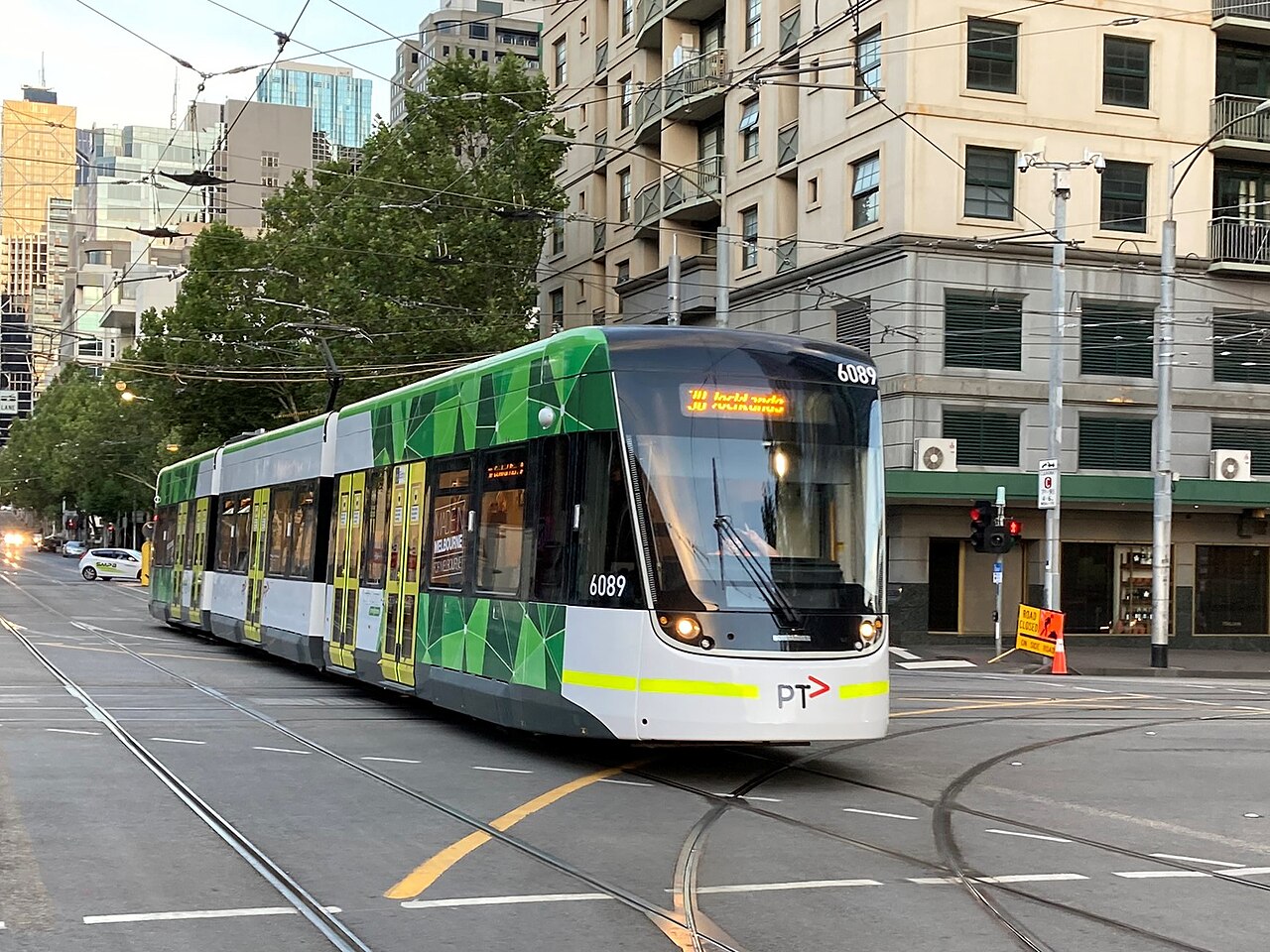
Q: How many trams run through Carlton? A: Seven tram routes are accessible within 400m of Lygon Street, the highest tram density of any inner-north suburb. Routes 1, 3, 5, 6, 8, 16 and 64 all touch Carlton, connecting to St Kilda, the Melbourne CBD and Domain.
Q: Is Carlton pram-friendly for families? A: Yes, in the southern pocket. Carlton Gardens has a fully accessible path network; Lygon Street footpaths handle prams comfortably; the Parkville biomedical precinct walkway is pram-friendly. Carlton primary schools cluster around Princes Street.
Q: What is the average daily walk for Carlton locals? A: 10,100 steps per day in our 47-person renter survey (April 2026), against a Melbourne metro average of 6,800. The walk-to-CBD pattern and the Lygon Street daily-shopping habit both push the active-transport baseline well above the metro average.
Q: Has Carlton walkability improved in 2026? A: Marginally. Yarra Trams upgraded the Lygon Street platforms in late 2025; Carlton Gardens pedestrian paths were resurfaced in February 2026. The Lygon Street summer-tourist congestion issue remains the suburb’s biggest unresolved daily-life feature.