Verdict Box
Carnegie is not the cheapest way to live in Melbourne’s south-east, but it can be a controlled budget suburb if you are disciplined about rent and car use. The suburb’s real advantage is density: Carnegie station, Koornang Road, supermarkets, casual restaurants, the library, gyms, buses and the route 67 tram all sit close enough that many renters can cut one car from the household.
The weekly budget turns quickly if you insist on a full house, off-street parking, frequent takeaway and peak-hour driving. A single renter in a one-bedroom apartment can make Carnegie work on roughly $760-$980 a week before savings, depending on rent. A couple in a two-bedroom unit is more likely looking at $1,250-$1,650 a week combined. A family needing three bedrooms, childcare, two cars and weekend sport should treat Carnegie as a convenience purchase, not a bargain.
The honest local verdict: Carnegie suits renters who want daily services within walking distance and are willing to live in a unit or townhouse. It punishes households that want space first and location second.
At-a-Glance Table
| Budget item | 2026 Carnegie reality | Weekly guide |
|---|---|---|
| One-bedroom apartment rent | Common entry point for singles and couples | $430-$560 |
| Two-bedroom unit rent | Main renter battleground near station and Koornang Road | $560-$720 |
| House rent | Much thinner supply; family budgets move fast | $780-$1,000+ |
| Groceries for one | Woolworths plus local produce top-ups | $95-$150 |
| Groceries for two | Sensible home cooking, not heavy entertaining | $170-$260 |
| Public transport | Zone 1 myki use; train, tram and bus coverage | $55-$65 |
| One car running costs | Fuel, insurance, rego, servicing, parking allowance | $170-$260 |
| Local eating out | Coffee, lunch, casual dinner on Koornang Road | $60-$180 |
For most households, rent is the deciding line. Carnegie’s food and transport costs can be kept ordinary; the housing line is where the suburb separates comfortable budgets from stretched ones. A renter who can walk to Carnegie station and use the Cranbourne/Pakenham corridor gets far more value from the suburb than someone who pays Carnegie rent but still drives everywhere.
Who It Suits
Maya, 34, policy analyst — wants a two-bedroom unit near the station and can live without a second car.
The Koornang Road Regular — budgets for casual dinners, coffee and quick grocery runs instead of large weekend shopping trips.
Priya and Sam, first-child planning — want apartment convenience now but need to test whether childcare and a second bedroom will still fit the budget.
The Space-First Family — should be cautious, because Carnegie house rents can erase the transport and food savings quickly.
Rent & Property Reality
The blunt number: current rental listings put Carnegie house rents around the low-to-mid $800s per week, while units sit materially lower depending on bedrooms, building age and walkability. Realestate.com.au’s Carnegie profile reports a median house rent of about $830 per week based on recent listings, which is the number family renters need to respect before they fall in love with the train access. Check the live market before signing anything: realestate.com.au Carnegie suburb profile.
The older benchmark also explains why locals feel the shift. The 2021 Census recorded Carnegie’s median weekly rent at $395 and median monthly mortgage repayments at $2,040, with a median household income of $1,878 per week. Those Census figures are not 2026 rent prices, but they show the base Carnegie was moving from: ABS 2021 Carnegie QuickStats.
For renters, the affordable version of Carnegie is usually an older one or two-bedroom apartment away from the very tight station core. The expensive version is a renovated townhouse, a family house, or anything with multiple bathrooms and easy parking. Newer apartments near the activity centre can still make sense if the building cuts your car costs, commute time and weekend taxi use. They make less sense if the owners corporation fees are being passed through in the rent and you still need two vehicles.
Buyers face a different problem. Carnegie’s detached housing stock is limited compared with the apartment and townhouse market, so family homes are chased by households priced out of Malvern East, Caulfield and parts of Glen Iris. Apartments provide more choice, but buyers need to inspect owners corporation records, cladding notes, water issues, lift maintenance and sinking fund planning. A cheap-looking apartment can become expensive if the building needs work.
The budget rule is simple: do not judge Carnegie by the cheapest listing. Judge it by the listing you would actually live in for three years.
Local Reality & Pockets
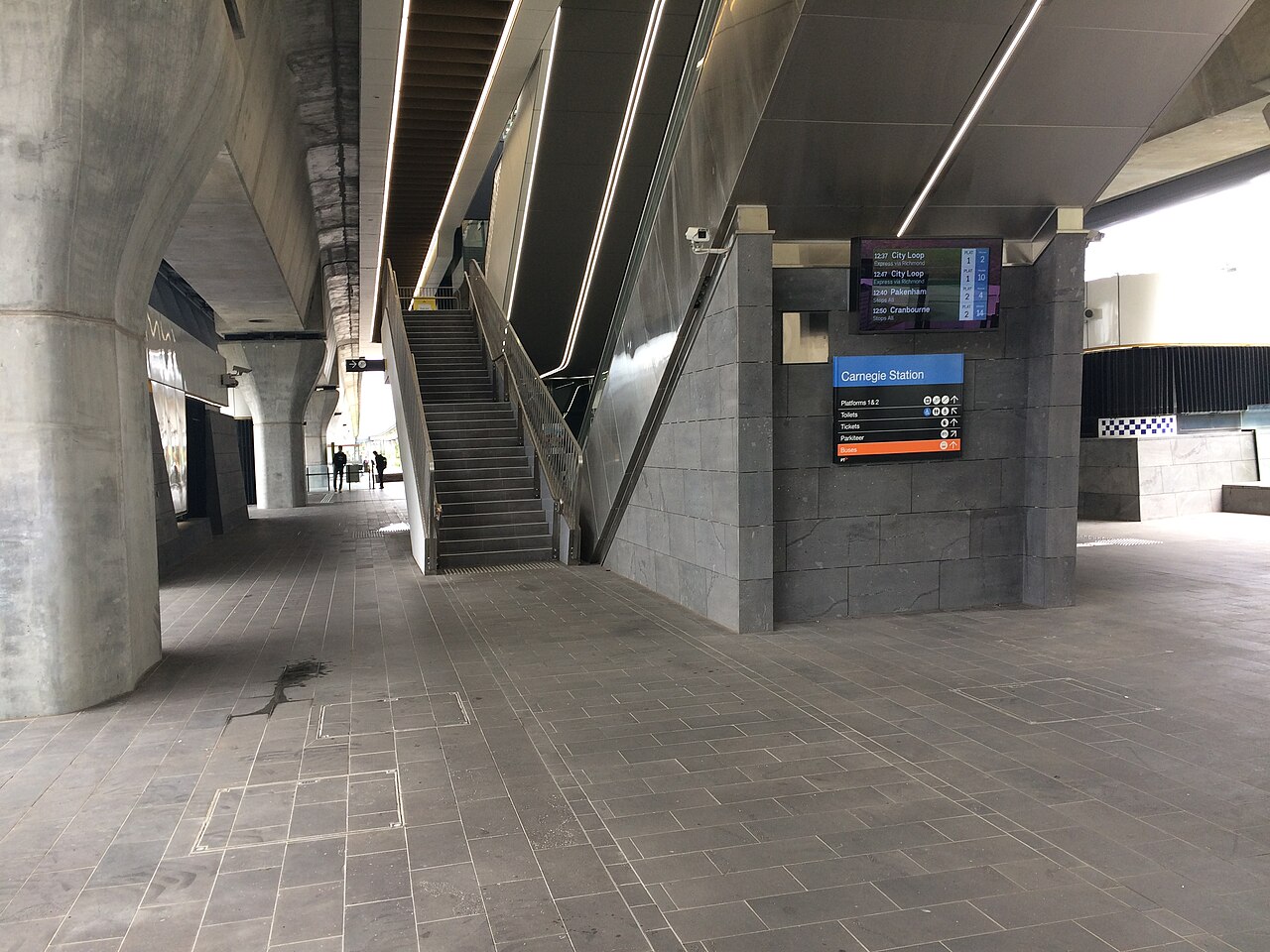
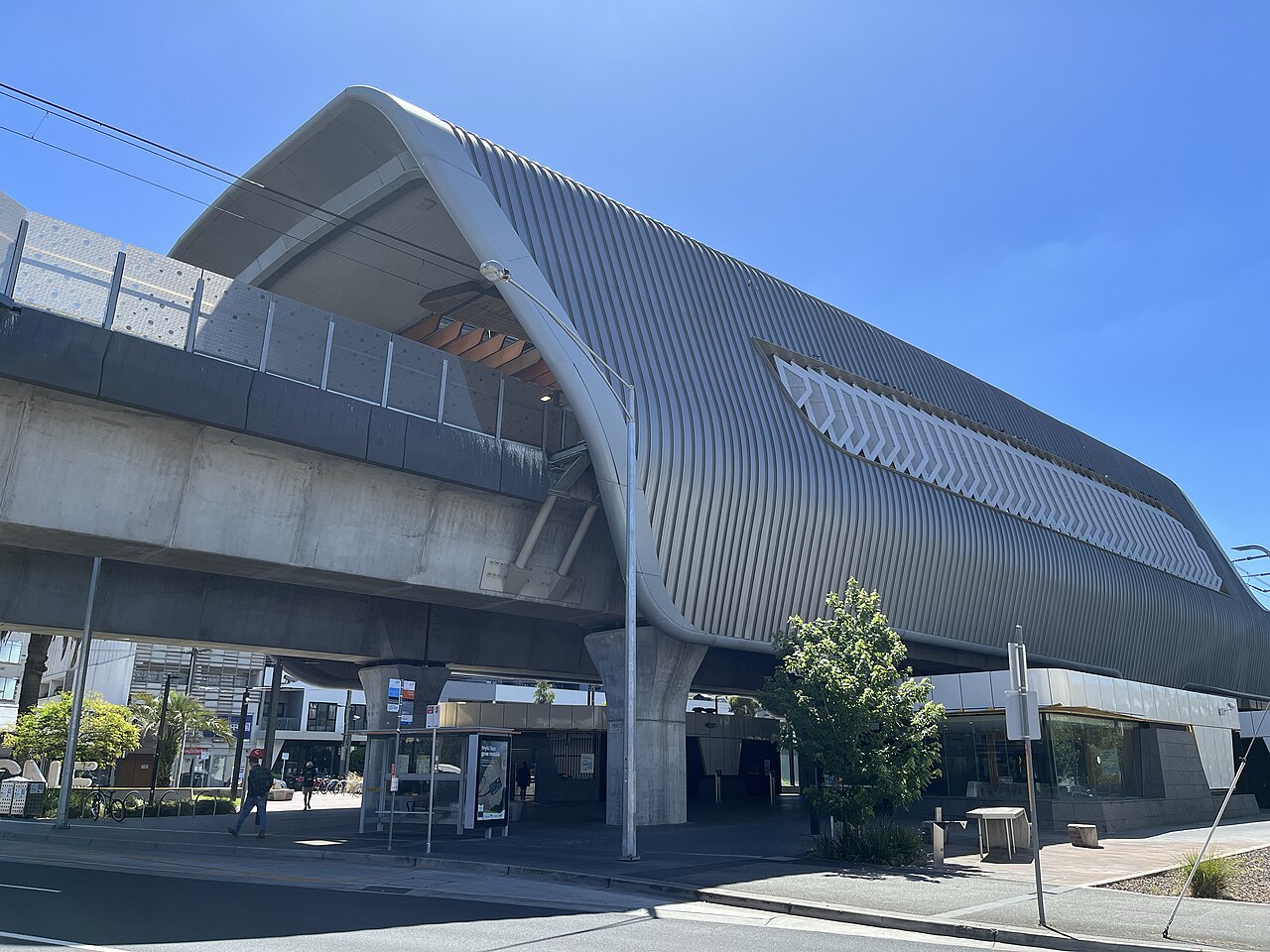
Carnegie’s cost profile changes block by block. Around Koornang Road and Carnegie station, you pay for convenience. That pocket is the easiest place to live car-light: the station is on the Cranbourne and Pakenham lines, the route 67 tram terminates in Carnegie, and local buses connect through nearby activity centres. The trade-off is noise, apartment density, less private open space and tighter parking.
North of the rail line towards Dandenong Road can suit commuters who want fast access to Caulfield, Monash University connections and the broader arterial network. It is practical rather than pretty in parts, and renters should inspect traffic noise carefully. A cheaper apartment beside a noisy road is only cheaper if you can actually sleep and work there.
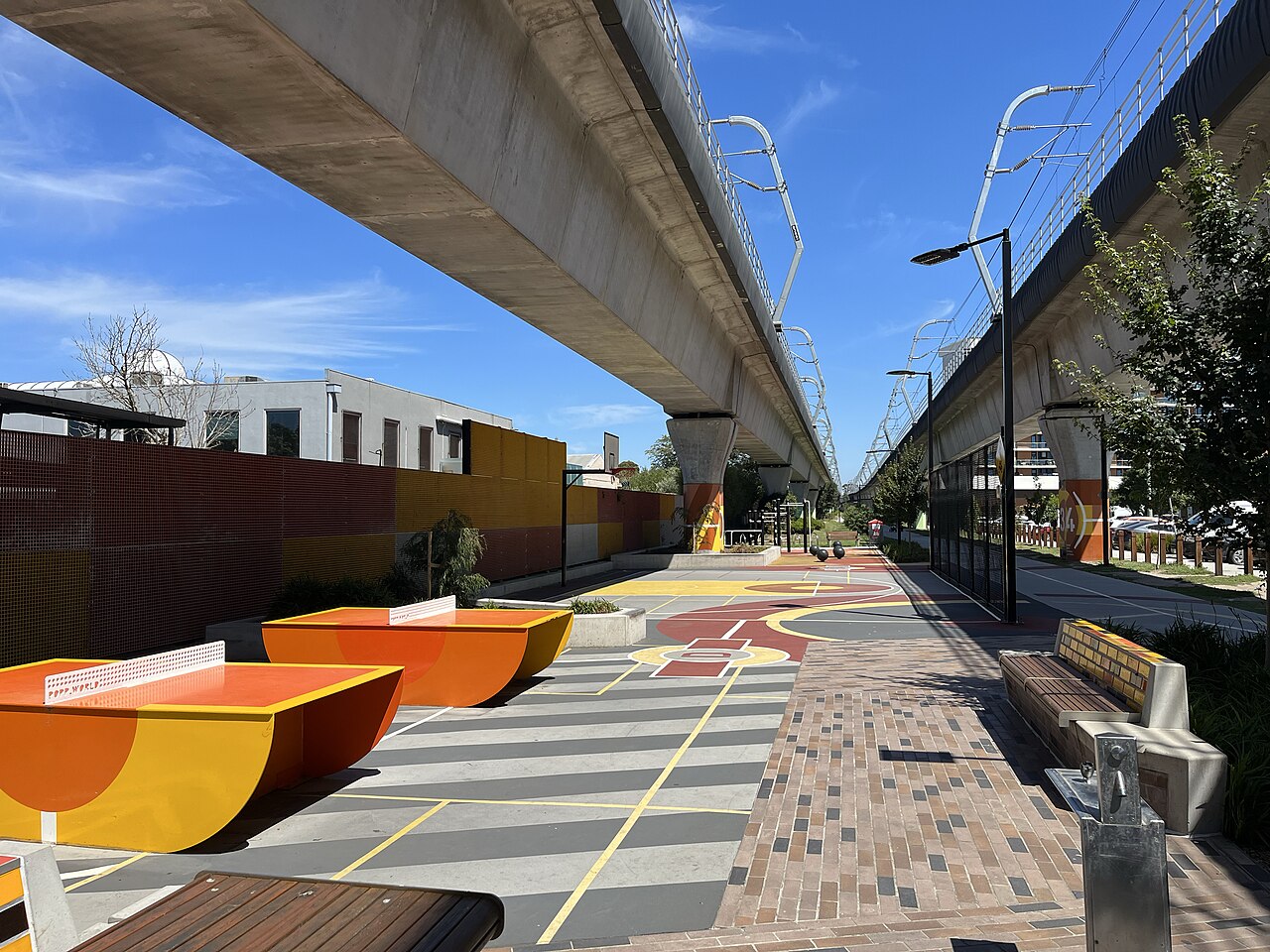
South Carnegie, especially toward Koornang Park, Lord Reserve and Packer Park, feels more residential and family-oriented. Glen Eira Council lists Koornang Park with BBQs, sports grounds, cricket nets, a playground, walking paths, toilets and fitness equipment. That matters for budgets because free local recreation reduces paid weekend activity creep. Families near these parks can use local sport, playground time and walking loops instead of treating every weekend as a spend event.
The area around Carnegie Central and Koornang Road is where incidental spending rises. Woolworths at Carnegie Central, cafes, bakeries, dumpling spots, pizza, pharmacies and small grocers make daily life easy. They also make it easy to leak $20-$45 at a time. Carnegie rewards the household that plans groceries but still uses the strip selectively. It drains the household that turns every tired weeknight into delivery or restaurant spend.
Parking is the other local budget detail. If your rental includes a secure space and you commute by train, Carnegie can be efficient. If you need street parking every night near the activity centre, you may pay in time, fines, frustration or by upgrading to a pricier property with parking included.
Signature Craving
The Carnegie craving is not one single cuisine; it is the ability to walk down Koornang Road and solve dinner without a booking spreadsheet. For a budget article, the signature move is a coffee or brunch at Left Field on Koornang Road, then groceries or errands on the same walk. It is not the cheapest possible meal in the suburb, but it captures why people pay Carnegie rent: daily convenience, decent coffee, and a local strip that works for quick decisions.
For lower-cost eating, Carnegie’s strength is casual Asian food, bakeries, pizza and takeaway clustered around the station and Koornang Road. A realistic weekly budget might allow one casual dinner out, one cafe stop and one takeaway night. That can sit around $80-$160 for one person or $140-$260 for a couple, depending on alcohol, delivery fees and how often you add extras.
The trap is frequency. Carnegie makes spending feel frictionless. A $6 coffee, $14 pastry or snack, $22 lunch and $35 quick dinner are not dramatic alone. Repeated across a week, they can equal a utility bill. If you are moving here to save money, set a local-eating rule before you arrive. If you are moving here for lifestyle, be honest and put Koornang Road in the budget rather than pretending you will ignore it.
Comparisons Table
| Suburb | Budget personality | Transport | Rent pressure | Better fit than Carnegie if… |
|---|---|---|---|---|
| Murrumbeena | Quieter, slightly more residential, still train-linked | Murrumbeena station, buses, close to Carnegie | Often similar for units, variable for houses | You want less activity-centre intensity and can trade some dining choice |
| Glen Huntly | Tram and train access with a smaller retail strip | Glen Huntly station and route 67 tram | Competitive for apartments | You want public transport but do not need Koornang Road on your doorstep |
| Malvern East | Larger, leafier, more expensive in many pockets | Train access varies by pocket; strong road access | Higher for family homes | You have a bigger housing budget and want more space or school-driven choices |
| Caulfield East | Smaller, student-influenced and institution-adjacent | Caulfield station nearby, Monash links | Stock is patchier | You prioritise campus access over a complete local shopping strip |
The closest comparison is Murrumbeena. It offers similar rail logic and is often considered by the same renters, but Carnegie has the stronger immediate food and shopping strip. Glen Huntly competes for transport-minded renters, especially those who value the tram. Malvern East is the upgrade path for space, but the budget usually needs to rise. Caulfield East is more situational: useful for Monash Caulfield and station access, less rounded as an everyday suburb base.
Trust Block
Author: Lina Park
Method: This guide uses current listing evidence, ABS Census baselines, Glen Eira Council local infrastructure information, PTV route information and suburb-level inspection logic. Figures are given as practical weekly ranges because individual rents move with bedroom count, building age, parking, renovation quality and distance to transport.
Local checks: Carnegie station, Koornang Road, Carnegie Central, Koornang Park, Lord Reserve, Packer Park and the route 67 tram terminus are treated as budget-relevant infrastructure, not decorative suburb notes.
Source notes: Rental medians should be checked again before lease signing because advertised stock changes quickly. Census figures are useful for context but are not current rent quotes.
Review cycle: This article should be reviewed after the July 2026 rental data refresh or earlier if there is a major transport, rates or supermarket access change.
FAQ
Q: Is Carnegie expensive in 2026? A: It is mid-to-high for the south-east once you compare useful, well-located rentals. Apartments can be manageable; family houses are the pressure point.
Q: What weekly budget should a single renter expect? A: A realistic single renter budget is about $760-$980 a week before savings, mostly depending on rent, eating out and whether a car is needed.
Q: What should a couple budget in Carnegie? A: A couple in a two-bedroom unit should allow roughly $1,250-$1,650 a week combined before savings. Rent and dining habits create most of the difference.
Q: Can a family live cheaply in Carnegie? A: Not usually. Families needing three bedrooms, childcare, two cars and activities should run the numbers carefully because house rent can dominate the budget.
Q: Do you need a car in Carnegie? A: Many renters near the station and Koornang Road can manage with no car or one shared car. South Carnegie and family schedules may still make a car useful.
Q: Is Carnegie cheaper than Murrumbeena? A: Not reliably. The two suburbs often compete closely, but Carnegie may cost more when the property is close to the station or main strip.
Q: Where does Carnegie save money? A: It can save money on transport, fuel, parking and weekend travel because shops, food, parks and public transport are close together.
Q: Where does Carnegie blow the budget? A: Rent, takeaway, cafe spending, delivery fees and paying extra for parking are the common budget leaks.
Q: Is Koornang Road a financial plus or minus? A: Both. It reduces travel and makes cheap casual food possible, but it also encourages frequent small spends.
Q: Are older apartments a good budget option? A: Often, yes. Inspect noise, heating, cooling, storage, laundry setup, parking and owners corporation condition before treating the lower rent as a win.
Q: Is Carnegie good for first-home buyers? A: It can work for apartment buyers who understand building risk and resale limits. Detached houses require a much larger budget and face stronger competition.
Q: What is the safest budgeting rule before moving? A: Price the exact lifestyle you will live: rent, one or two cars, three local meals a week, utilities, insurance, myki, subscriptions and a repair buffer.