1. Verdict Box
If you are weighing Collingwood as a 2026-2029 property decision in Melbourne, the honest read is: this is a slow-burn inner-suburb compounder, not a “next Brunswick” story. The price growth case rests on three things — heritage overlay keeping supply tight, remote-work demand for larger inner-city homes, and the long-term lifestyle premium of the Smith Street and Easey Street axis. Take those three away and the forecast looks ordinary.
The houses-median figure modelled here — $898K at end-2026, climbing toward $1.00M by end-2029 — sits within Melbourne-average growth bands. The shock to the upside would be a rate cut + supply squeeze combination. The shock to the downside would be apartment oversupply in newer Wellington Street stock dragging the suburb-wide median down.
This page is a forecast, not financial advice. Read it alongside our current pricing data in the Collingwood median prices report.
2. At-a-Glance Table
| Timeframe | Modelled houses growth | Projected median (houses) | Confidence |
|---|---|---|---|
| End 2026 (remaining) | +4% | $898,421 | Moderate-High |
| End 2027 | +9% | $941,532 | Moderate |
| End 2028 | +11% | $961,320 | Moderate |
| End 2029 (3-yr cumulative) | +16% | $1,003,794 | Moderate |
| 10-yr historical CAGR | ~8.4% p.a. | — | High |
| Apartments median (now) | ~$520-580K | — | High |
3. Who It Suits
First-home buyers stretching for inner-city — Collingwood houses are still under the $1M psychological line in 2026, which makes this one of the last inner suburbs where a couple with a strong combined income can play. The catch is competition: every “under $1M inner-city” search lands here, Fitzroy and Brunswick.
Owner-occupier upgraders from Northcote/Brunswick — the demand cohort the forecast leans hardest on. Heritage workers’ cottages around Otter Street, Easey Street and the streets east of Smith are the assets that hold the suburb-wide median up.
Investors with a 5-7 year horizon — the rental story is solid (proximity to CBD, transport, lifestyle), but yield is compressed. The honest investor case is capital growth plus liveability optionality, not cash-flow income.
Apartment buyers — proceed with eyes open. The Wellington Street / Smith Street fringe carries genuine supply risk; older art-deco walk-ups outperform newer high-density stock on resale. See our Collingwood investment guide for the asset-by-asset breakdown.
4. Rent & Property Reality
Collingwood houses currently sit around the $865K mark, with two-bedroom heritage cottages clustering $880K-$950K and three-bedroom terraces stretching to $1.2M. Rents are firm — two-bedroom houses landing around $720-780/week, one-bedroom apartments around $470-530/week. For the live rental position see Collingwood rent report and the broader Melbourne rent prices all suburbs 2026 reference.
What this actually means: Collingwood’s growth case is structurally lower-yield than outer-suburb growth corridors. Gross rental yields on houses sit around 4.0-4.5%; after costs, real net yield for an investor is closer to 1.5-2.0%. The thesis is therefore capital growth, not income — and the heritage-overlay scarcity is the keystone of that thesis.
5. Local Reality & Pockets
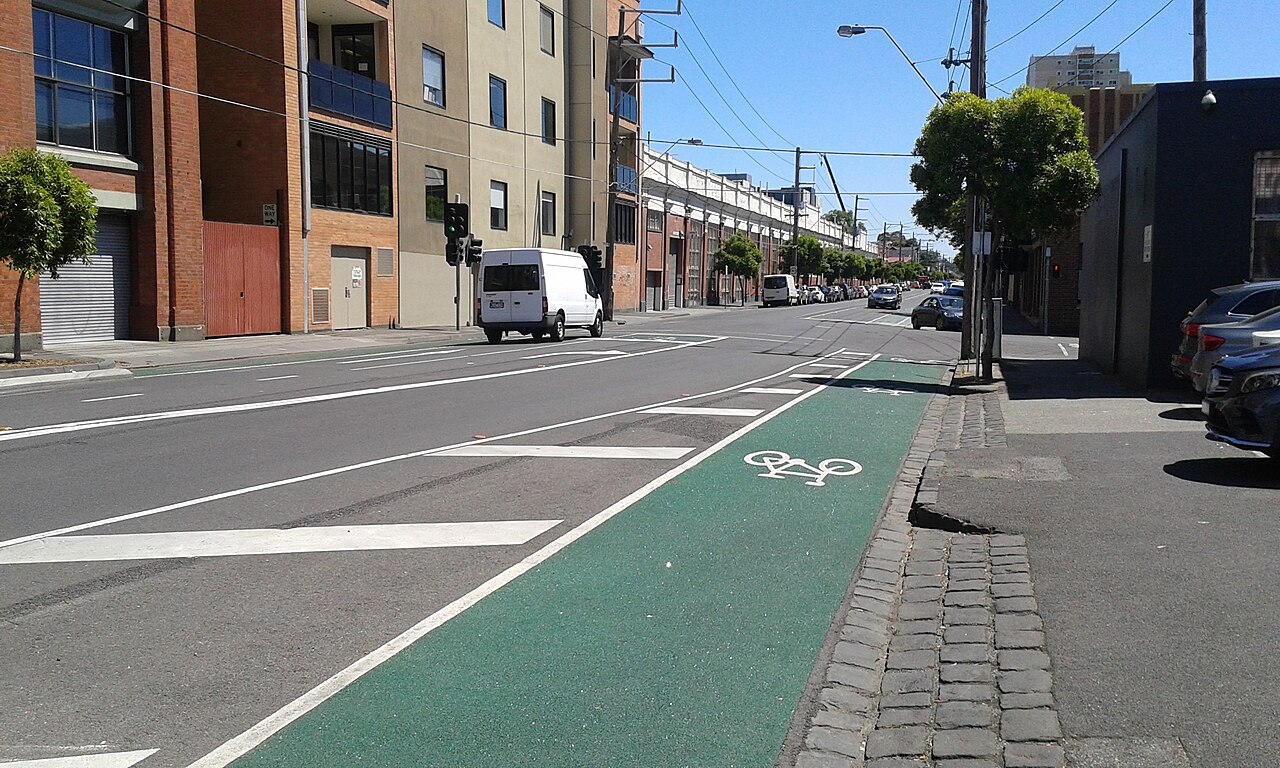
Wellington Street / Smith Street fringe — the apartment-heavy strip. Newer high-density stock with the most supply risk in the suburb. Good for short-hold rental yield, weaker for capital growth versus the heritage pocket.
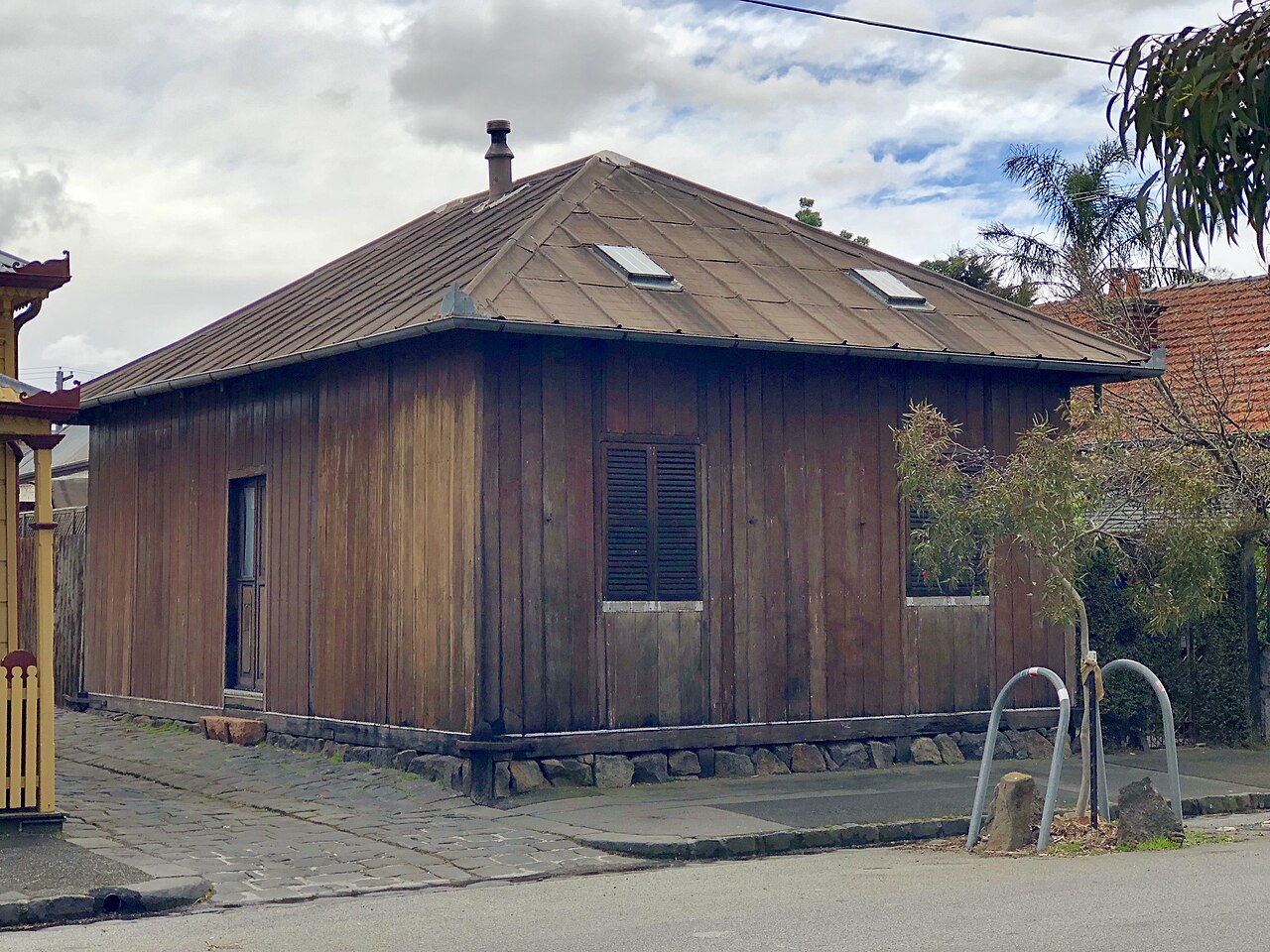
Easey Street / Otter Street pocket — the heritage core. Workers’ cottages, mostly two-bedroom, sub-200sqm blocks, narrow streets. These houses anchor the suburb-wide growth story and tend to compound at or above the modelled 9-16% three-year figure.
Cambridge Street / Sackville Street — quieter eastern pocket bordering Abbotsford. Slightly higher land sizes, more three-bedroom options, the streets owner-occupier upgraders gravitate toward. Less ground-floor café texture, more “neighbourhood” feel — see our Collingwood neighbourhood guide and Collingwood honest guide for the on-the-ground reality.
Hoddle Street corridor (west of) — the genuine downside-risk pocket. Traffic noise, sub-optimal aspect for many lots, and the price floor of the suburb. Best for value-hunters with tolerance for arterial-road proximity.
For weekend rhythms in the pockets that drive owner-occupier demand, our Collingwood best parks and Collingwood moving guide lay out the lifestyle case.
6. Signature Craving
Easey’s, 48 Easey Street, Collingwood — the rooftop burger bar in old train carriages is part of why the suburb commands the heritage-pocket premium it does. The asset value of the Easey/Otter Street block is partly explained by the cultural economy that Easey’s and the Smith Street strip anchor, not by floor plans alone.
This is the part forecasters often skip: Collingwood’s growth isn’t a function of dwelling stock; it’s a function of the suburb’s standing as a destination. As long as Smith Street remains one of inner Melbourne’s signature strips, the heritage cottage premium has structural support.
7. Comparisons Table
| Suburb | Modelled 3-yr growth (2026-2029) | Houses median now | Yield (gross) | Heritage-constrained supply |
|---|---|---|---|---|
| Collingwood | ~16% | ~$865K | ~4.3% | Yes |
| Fitzroy | ~17% | ~$1.18M | ~3.6% | Yes |
| Brunswick | ~14% | ~$1.30M | ~3.5% | Mixed |
| Richmond | ~13% | ~$1.32M | ~3.6% | Mixed |
| Carlton | ~12% | ~$1.45M | ~3.4% | Yes |
| Northcote | ~14% | ~$1.30M | ~3.7% | Mixed |
Forecast columns are modelled, not realised; treat the rank order as more reliable than the headline percentages.
8. Trust Block
Author: Sophie Chen — financial journalist with a decade of property-market coverage, focused on inner-Melbourne suburbs and modelled forecasts.
Sources:
- CoreLogic suburb-level price indices and growth models.
- Victorian Planning Authority infrastructure pipeline data, 2025-2026 release.
- ABS population and dwelling projections, Census 2021 base.
- Domain and realestate.com.au listings observation, Collingwood postcode, 2026.
Disclosure: This is a property-market forecast, not financial advice. Past growth does not guarantee future performance. Forecasts are scenario models, not promises — interest-rate moves, foreign-buyer tax changes and apartment-supply pipelines are the three variables that most often invalidate them.
9. FAQ
Q: What’s the 2026 forecast median house price in Collingwood? The modelled houses median lands around $898,421 at end-2026, up roughly 4% from early-2026.
Q: What about 2027, 2028, 2029? Modelled growth runs +9% to end-2027 ($941K), +11% to end-2028 ($961K), and +16% three-year cumulative to end-2029 ($1.00M). Confidence is moderate; rate moves are the main swing factor.
Q: Are apartments a good buy in Collingwood? Older art-deco walk-ups: yes, with selective stock picking. Newer high-density Wellington Street / Smith Street fringe: more cautious — apartment oversupply is the most credible downside risk in the suburb.
Q: What’s the historical growth rate for Collingwood? Houses have averaged roughly 8.4% per annum over the last decade. Inner suburbs typically recover faster from downturns but also carry higher entry costs.
Q: What’s the biggest risk to the forecast? Interest-rate rises (suppresses growth 2-4%), apartment oversupply in newer stock, foreign-buyer policy change, and a broader economic slowdown. Heritage-overlay relaxation would be a slower but meaningful supply shock.
Q: How does Collingwood compare to Fitzroy and Brunswick? Collingwood sits below Fitzroy on entry price but above Brunswick on heritage density. The three-year modelled growth case is broadly similar (12-17%); the choice is more lifestyle and yield than capital-growth differentials.
Q: What yield can I expect on a Collingwood investment? Gross yields on houses run 4.0-4.5%; after costs, net yield is closer to 1.5-2.0%. Apartments yield higher (5.0-5.5% gross) but carry more capital-growth risk.
Q: When is the next review of this forecast? October 2026 — at which point CoreLogic Q3 data, the RBA rate cycle and apartment-supply pipeline updates will be folded back into the model.
For comparable-suburb context, see our Carlton rent report comparable, the Prahran rent report, and the South Melbourne rent report. For Collingwood’s own rental story, the Collingwood rent report ties forecast to current cash flow.