1. Verdict Box
Collingwood in 2026 is one of the few inner-Melbourne suburbs where the yield maths almost works. The median house is $565,174 and the median unit is $301,443 — both well below neighbouring Fitzroy, which is why gross yields land at 3.6% for houses and 4.7% for units. That is above the Melbourne metro average of 3.2% house / 4.1% unit.
But “above average” is not the same as positive cash flow. At 6.2% interest-only on an 80% LVR, the house example is still around $14,000 a year short on a pre-tax basis. The honest verdict: Collingwood is a yield-leaning inner suburb for investors who can fund the gap and want exposure to a gentrifying Smith Street and Johnston Street economy. If you need a property that pays for itself from day one, you are buying outer-ring, not Collingwood.
2. At-a-Glance Table
| Metric | House | Unit |
|---|---|---|
| Median price (Q1 2026) | $565,174 | $301,443 |
| Median weekly rent | $395 | $273 |
| Gross yield | 3.6% | 4.7% |
| Net yield (after costs) | 1.8% | 3.2% |
| Current vacancy rate | 1.9% | 1.9% |
| Council rates (annual) | $1,829 | ~$1,500 |
| Mortgage rate assumption | 6.2% IO | 6.2% IO |
| Holding cost (year 1 estimate) | -$14,300 | -$4,200 |
3. Who It Suits
Sasha, 34, mid-career professional buying her first investment property. Lives in Northcote, earns $135k, wants something walkable to her own life with strong tenant demand. Collingwood units at $301k let her enter the market with a deposit under $90k and ride the Smith Street gentrification cycle.
Marcus and Priya, 41 and 39, with one school-aged child. Sitting on $250k of equity in a Reservoir home. Looking for a second property that diversifies into the inner ring without Toorak prices. Collingwood houses give them 3.6% yield plus capital growth exposure they cannot get on Melbourne’s fringe.
Daniel, 52, semi-retired and rebalancing super into property. Wants yield, not a renovation project. A 4.7% gross unit yield with 1.9% vacancy is closer to his target than Toorak’s 4.3% on a $1m+ price point.
4. Rent & Property Reality
Collingwood rents have moved hard. A median $395/week house and $273/week unit are Q1 2026 numbers, but on-market listings on Collingwood Rent Report 2026 show new leases trending 8-12% higher than that median because legacy tenants are still anchored to 2024 leases.
The cost stack that eats your headline yield:
- Council rates: $1,829/year (Yarra City Council)
- Landlord insurance: $1,200-$1,800/year
- Property management (7-8% of rent): $1,540/year on the median
- Maintenance allowance at 1% of value: $5,651/year for houses
- Vacancy buffer (2-4 weeks): $1,185/year
Net annual income on a median house: $8,662. Net yield: 1.8%. That is the number the headline charts hide.
For deposit serviceability and lender appetite by postcode, the Melbourne Rent Prices by Suburb 2026 guide is the cross-suburb baseline we anchor against.
5. Local Reality & Pockets
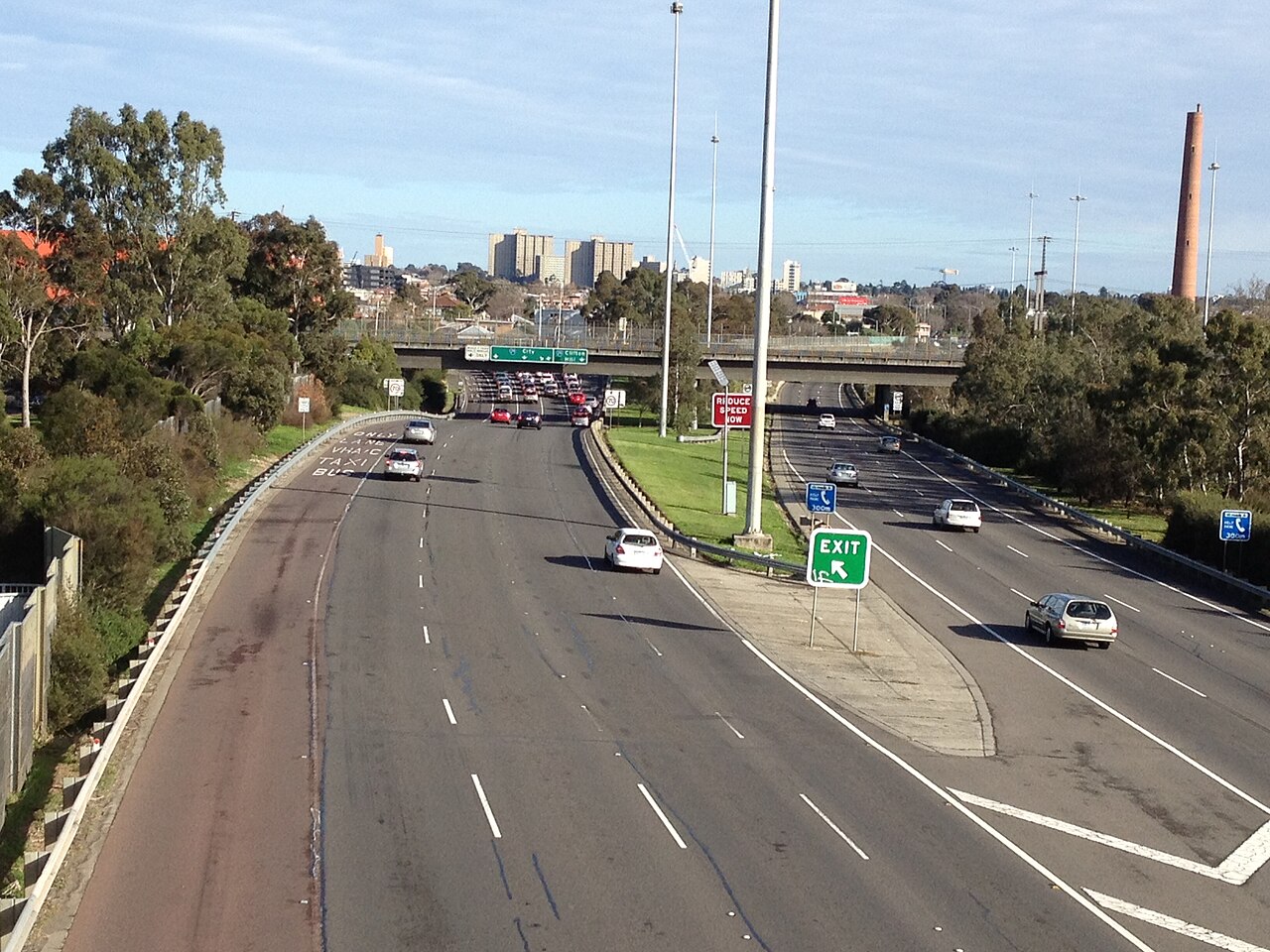
Collingwood is small — 1.6 km² wedged between Smith Street, Hoddle Street, the Eastern Freeway and the Yarra. Investor outcomes vary block by block, not just suburb-wide.
Smith Street spine (Charles Street to Johnston Street): Highest tenant demand, lowest vacancy. Walk-to-tram, walk-to-everything. Premium yields on units in newer mid-rise stock from the 2018-2022 cycle.
The Housing Commission edge (Hoddle Street side): Cheaper entry, but tenant turnover is higher and growth has historically lagged. Verify rental history before buying.
Industrial-conversion pockets (Wellington Street, Sackville Street): Warehouse conversions and newer apartment stock. These attract the design-and-tech tenant cohort and rent quickly, but body corporate fees can eat 0.5-0.8% off your net yield.
For the on-the-ground walk-through of which streets sit where, see the Collingwood Honest Guide 2026 and the street-by-street Collingwood Neighbourhood Guide.
6. Signature Craving
The Collingwood tenant cohort is not buying for the kitchen renovation — they are buying for what is within a 7-minute walk. The signature craving that drags rents up is Smith Street, Collingwood VIC 3066: independent venues, the original Industry Beans, all-day cafes, and the tram corridor straight into the CBD. Properties within 400m of Smith Street consistently re-let inside two weeks at premiums of $30-$60/week over equivalent stock further east.
For tenant lifestyle context and what your future renter expects on a Saturday, the Collingwood Best Parks guide covers the Yarra Bend and Mayors Park anchor points that show up in every rental listing description.
7. Comparisons Table
| Suburb | House Yield | Unit Yield | Median House | Vacancy |
|---|---|---|---|---|
| Collingwood | 3.6% | 4.7% | $565,174 | 1.9% |
| Fitzroy | 4.5% | 5.7% | $1,675,854 | 1.9% |
| Brunswick | 3.5% | 4.8% | $873,278 | 1.3% |
| Richmond | 3.9% | 4.6% | $1,306,576 | 1.0% |
| Carlton | 3.7% | 4.2% | $1,968,548 | 2.1% |
| Melbourne average | 3.2% | 4.1% | — | ~2.0% |
| Toorak | 2.6% | 4.3% | $3.5M+ | ~1.5% |
Collingwood is the rare inner suburb where the house median is still below $600k. That alone is what is pushing the gross yield above the inner-ring median.
8. Trust Block
Author: Ethan Cole — Melbourne infrastructure reporter tracking the city’s development corridors since 2017.
Sources:
- CoreLogic Q1 2026 median sale and rent data, accessed via aggregator listings.
- Domain Group rental listings, Q1 2026 cross-check on weekly asking rents.
- Yarra City Council 2025-26 rates schedule for the 3066 postcode.
- RBA February 2026 standard variable owner-occupier rate as the 6.2% interest assumption.
- Vacancy data drawn from REIV monthly rental vacancy statistics for inner Melbourne.
This article is information, not financial advice. Yields, rates and council charges change quarterly. Confirm current numbers with a licensed mortgage broker, buyer’s advocate or accountant before transacting. For our full editorial methodology, see Moving to Collingwood — Practical Guide 2026.
9. FAQ
Q: Is Collingwood a good rental yield suburb in 2026? For an inner-Melbourne suburb, yes. At 3.6% gross / 1.8% net on houses and 4.7% gross / 3.2% net on units, Collingwood sits above the metro median yield. It is not high-yield in absolute terms — outer suburbs like Frankston North or Melton routinely deliver 5%+ — but for inner-ring exposure with growth potential, it is one of the best gross yields available.
Q: What is the current vacancy rate in Collingwood? 1.9% as of Q1 2026, drawing on REIV inner-Melbourne vacancy data. Functionally tight — under 2% is considered a landlord’s market. Expect minimal between-tenancy gaps if your property is priced to market.
Q: How much do I need to buy an investment unit in Collingwood? On a $301,443 median unit, a 20% deposit is $60,289, plus around $13,500 in Victorian stamp duty (no investor concession), plus $2,000-$3,000 in legal, building, pest and lender fees. Budget around $80,000 cash-in to settle. A 10% deposit with LMI brings the cash requirement down to roughly $48,000 but adds about $7,500 to the loan.
Q: Are Collingwood unit yields really higher than house yields? Yes, and it is structural, not seasonal. Units are cheaper per dollar of rent because the land component is smaller. A unit at $301k renting for $273/week generates 4.7% gross; a house at $565k renting for $395/week generates 3.6%. Units pay better in income terms but historically deliver lower capital growth than houses.
Q: What stops Collingwood being cash-flow positive? Interest rates. At 6.2% on an 80% LVR for the median house, annual interest alone is $28,032 — well above the $20,540 annual rent. Until either rents rise materially or rates fall back below 4%, Collingwood houses will need negative gearing or cash top-ups.
Q: Should I buy houses or units in Collingwood? Depends on your goal. If you want yield and minimal cash top-up, target units. If you want long-term capital growth and can fund a $14,000/year shortfall on the way through, target houses — they are rarer, on small blocks, and historically appreciate faster than Collingwood unit stock.
Q: Is the Collingwood Housing Commission area worth avoiding? “Avoid” is the wrong frame. Tenancy demand around the Hoddle Street commission flats is real, but historical growth has lagged the Smith Street side by 1.5-2% per year. If you buy there, buy on yield, not capital growth assumptions.
Q: How does Collingwood compare to Fitzroy or Brunswick for an investor? Collingwood has the lowest entry price of the three, the highest gross yield on units, and arguably the most upside if Smith Street continues to gentrify. Fitzroy has stronger capital growth history but a $1.6M median locks out most first-time investors. Brunswick is the affordability cousin further north with similar 3.5% house yields.
Q: What is the realistic 5-year scenario on a Collingwood unit? Assuming 3% capital growth (conservative) and rental growth tracking CPI, a $301k unit becomes roughly $349k by 2031. Net rental income compounds slowly because costs grow with the asset. The total return story is yield plus growth, not yield alone — pure cash flow is not why you buy Collingwood.
For the cross-suburb capital growth comparison underpinning these scenarios, see our Collingwood Rent Prices 2026 breakdown and the wider South Melbourne rent reality and Prahran Chapel Street premium reports for higher-priced comparators. For affordability anchors at the other end of the spectrum, the Coburg rent report, Kensington rent report and Balaclava rent report round out the inner-ring picture, while the Melbourne CBD rent report shows the unit-yield ceiling for the wider basin.