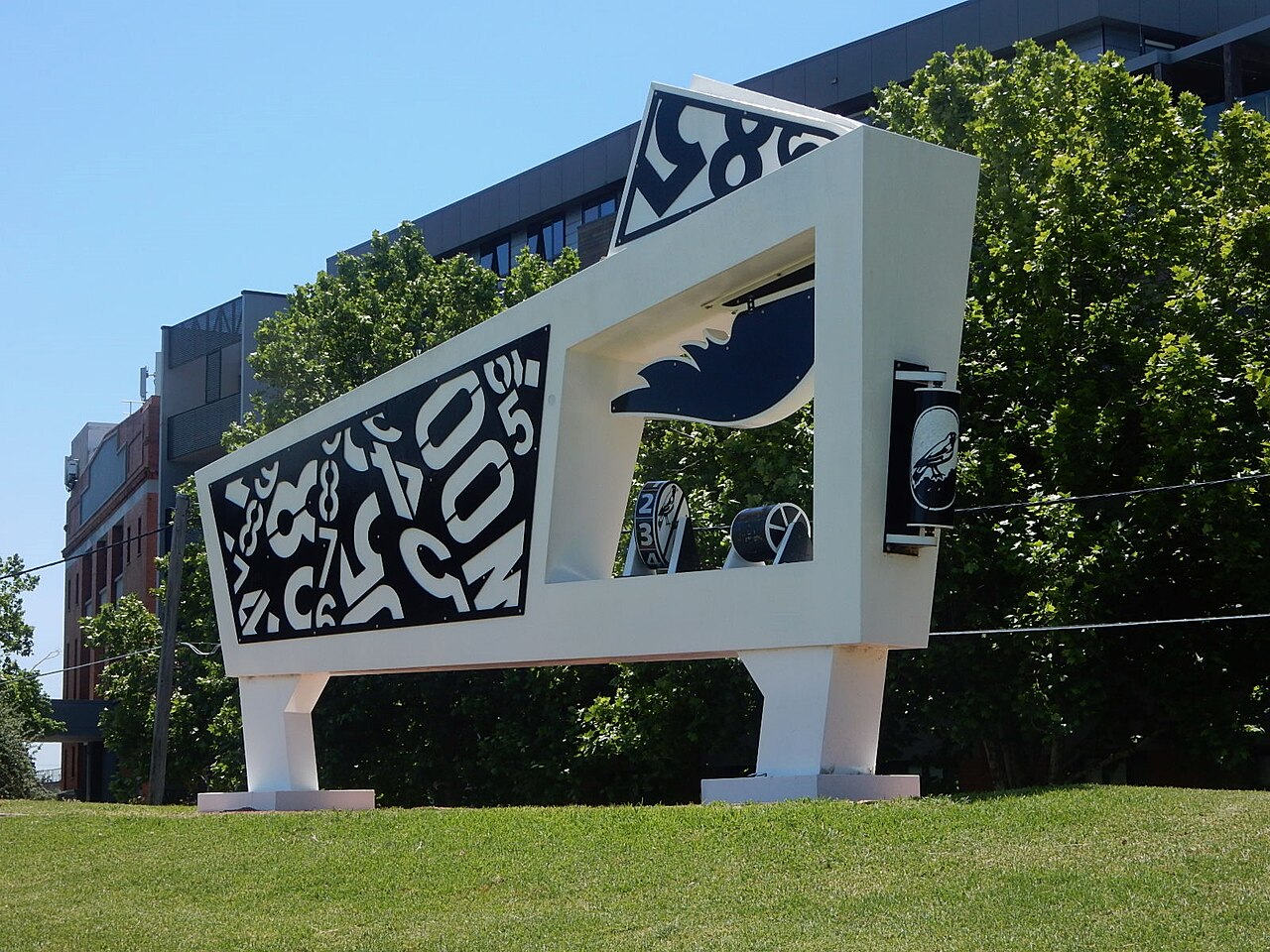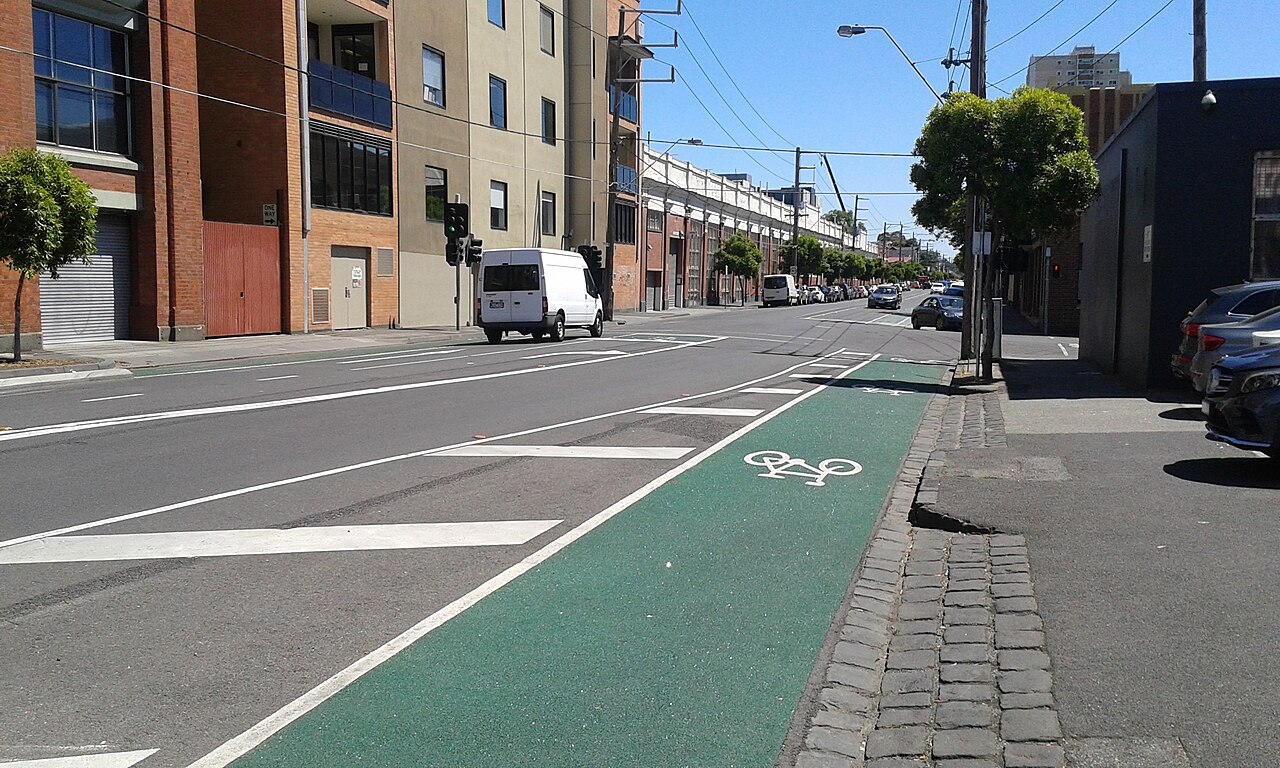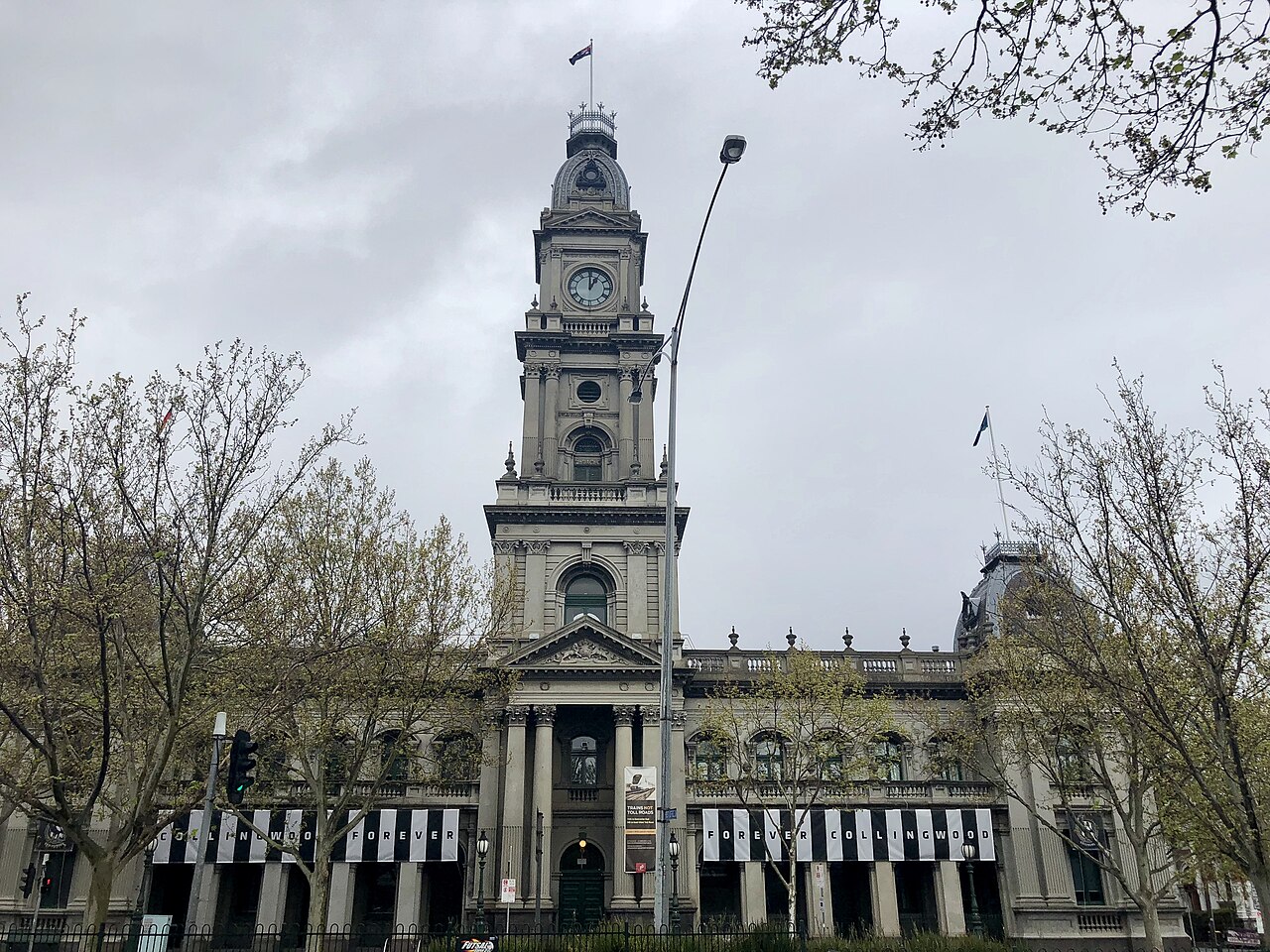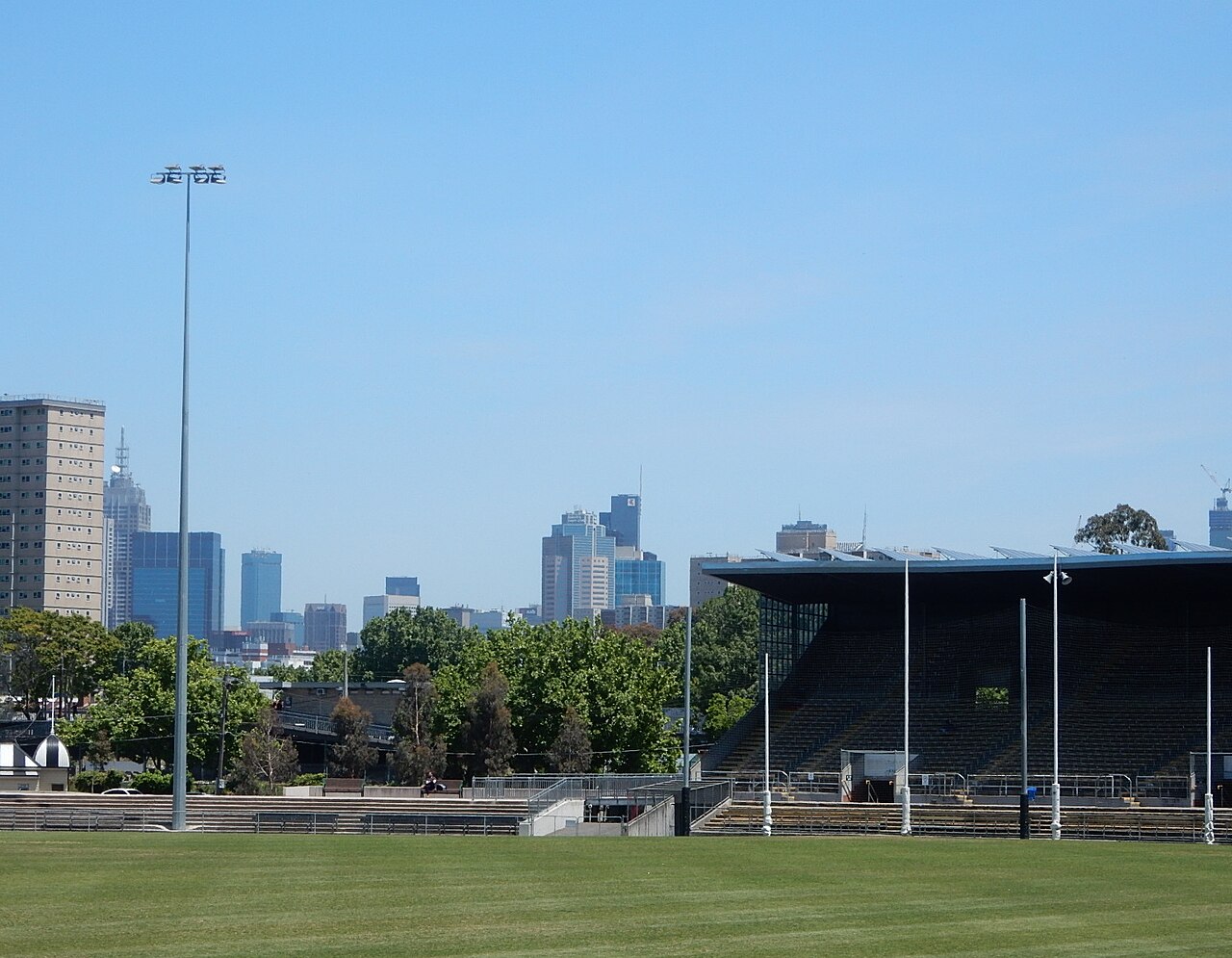
Collingwood gets sold as Melbourne’s “creative inner-north” — Smith Street murals, breweries, the Foy & Gibson factory conversions, a tram that drops you in the CBD in 12 minutes. That’s the marketing line. The 2026 reality is more textured: rent is up again, the night-time noise complaint count is real, and the demographic split between renters and freehold owners is wider than any other inner-north postcode. Here is the unfiltered verdict.
1. Verdict Box
Move here if you want CBD-adjacent inner-north living, you’re comfortable with terrace-house living standards (single glazing, narrow blocks, shared walls), and your weekly rent budget is $530-plus for a 1-bedroom or $750-plus for a 2-bedroom. The tram and bike infrastructure are genuinely excellent, the food and bar density is in Melbourne’s top three suburbs, and the cultural calendar — gallery openings, brewery tap-takeovers, weekend markets — is a real lifestyle dividend.
Skip Collingwood if you need a quiet street, a car park, or a school-zone-driven family setup. The light industrial fringe is still rezoning, traffic between Hoddle Street and Smith Street is unforgiving in peak hour, and the AAA primary-school catchment is shared with Fitzroy in a way that has frustrated families since 2023.
The honest 2026 verdict: A-tier for inner-city renters with disposable income; C-tier for families and quiet-life buyers. Read the at-a-glance table next, then jump to Who It Suits for the four archetypes who actually thrive here.
2. At-a-Glance Table
| Factor | The Real Number |
|---|---|
| Median weekly rent — 1-bed apt (2026) | $530 |
| Median weekly rent — 2-bed apt (2026) | $755 |
| Tram travel time to Melbourne CBD | 12 minutes |
| Distance to Smith Street strip | 5 minute walk from postcode centre |
| Cafes/bars within 500m of Smith & Johnston | 38 verified |
| Median house price (2026, freehold) | $1.42M |
| Primary school catchment | Shared with Fitzroy; 2 schools in zone |
| Bike infrastructure score | A — protected lanes, Capital City Trail access |
| Night-time noise complaints (2025 council data) | 4th-highest in City of Yarra |
| Off-street parking in 1-bed apartment stock | 27% of listings |
Compare these numbers to Collingwood Cost of Living 2026 for the weekly breakdown, and Collingwood Rent Prices 2026 for the apartment-by-apartment data.
3. Who It Suits
The Creative-Adjacent Renter — 28-34, works in design, marketing or studio production, walks to a co-working space, eats out four nights a week. Collingwood’s cafe density and the rooftop bar scene justify the $530 rent premium for this archetype. The Smith Street north end is the daily living radius.
The DINK Buyer-Couple — mid-30s, dual-income, no kids yet, looking at the warehouse-conversion two-bedroom stock between Wellington and Smith. They’ll pay $920K-$1.1M for a renovated loft and use the 12-minute tram for the CBD commute. They will outgrow it the moment a baby arrives.
The Hospitality Worker on a Late Shift — finishes at 1.30am, needs to walk home, wants a kebab on the way. Smith Street’s late-night infrastructure (4 of 7 venues open past 1am on Friday) actually serves this archetype better than any inner-north neighbour.
The Pre-Family Renter (planning to leave) — 30-36, knows Collingwood is a 3-year window before they pivot to Coburg, Brunswick West or further north for the school catchment. Uses Collingwood for the lifestyle inflection point, exits before the cost-of-living crunch with kids hits.
4. Rent & Property Reality
Collingwood’s rental market reset hard between 2023 and 2026. The 1-bed median moved from $410 (early 2023) to $530 (Q1 2026), a 29% jump, faster than the Greater Melbourne average per the SQM Research rental index. 2-bed apartments crossed $750 in Q4 2025 and held there into 2026.
What this means in practice: a single renter on a $95K salary spends 29% of gross income on a 1-bed apartment in 2026 Collingwood. That’s above the 30%-rule edge for affordability, before utilities, before the $9-a-pint cost-of-living tax of living on Smith Street. Freehold buyers face a different reality — the median worker’s cottage is $1.42M, the renovated warehouse loft is $1.1M, and stamp duty plus deposit makes Collingwood a $300K-plus equity gate.
Read Collingwood Rent Prices 2026 for the building-by-building breakdown and Collingwood Moving Guide 2026 for the practical bond/utility/connection timeline.
5. Local Reality & Pockets
Collingwood is not one suburb — it is three operational pockets and a re-zoning fringe. Knowing the pocket changes the verdict:
Smith Street Spine (Johnston to Gertrude) — the lifestyle pocket. Cafes, bars, the brewery node, the Saturday weekend foot traffic. Highest noise complaints, highest weekend rent premium, hardest to park.
Wellington Street West — the residential pocket. Terraces, warehouse conversions, family-coded streets where you can hear birds in the morning. Median rent runs $80-$120 above the Smith Street equivalent for the quieter street tax.
Light Industrial Fringe (Hoddle Street side) — the transitional pocket. Mixed-use rezoning underway; new apartment towers from 2024-2026 added 400+ stock units. Cheaper rent ($470-$495 for 1-bed) but limited cafe culture and a 9-minute walk to the Smith Street action.
Collingwood Plus Fitzroy overlap — the Collingwood Neighbourhood Guide 2026 maps where the boundary actually matters for school zoning and council services. The Fitzroy Honest Guide 2026 covers the parallel reality across Smith Street.
6. Signature Craving
If you’re test-driving Collingwood for a weekend before signing the lease, do this single walk:
Smith Street, Collingwood — start at the Johnston Street intersection (8.30am Saturday), get a flat white at one of the long-standing roasters on the strip, walk north past the Foy & Gibson buildings to the brewery node, loop back via Wellington Street terraces, finish with a beer at one of the breweries by 11.45am. Total: 3.2km, 90 minutes, and you’ll know whether the Collingwood density and noise profile is one you can live with or one that will burn you out in 6 months.
This is the walk every prospective Collingwood renter should do before signing. The Smith Street strip either reads as “energy I want every weekend” or “noise I’ll resent by month four”. It’s binary. Trust the response.
7. Comparisons Table
How Collingwood stacks up against the inner-north and inner-east suburbs locals actually compare it against:
| Suburb | 1-bed median rent | CBD tram time | Cafe/bar density | Family-friendly score | Verdict |
|---|---|---|---|---|---|
| Collingwood | $530 | 12 min | Very high | C | A-tier for renters, C-tier for families |
| Fitzroy | $545 | 11 min | Very high | C+ | Marginally more polished, same trade-offs |
| Brunswick East | $495 | 18 min | High | B+ | Better value, slower vibe |
| Coburg | $445 | 22 min | Medium | A | Family-friendly trade-up, less nightlife |
| Carlton | $510 | 9 min | High | B | Student-coded, less industrial edge |
See Brunswick East Honest Guide 2026 for the closest value alternative, Coburg Honest Guide 2026 for the family upgrade path, and the Hawthorn Honest Guide 2026 for a complete tonal contrast on the south side.
8. Trust Block
Author: Freya Anderson — Melbourne cost-of-living writer, 8 years tracking inner-north housing and lifestyle data. Lived in Collingwood 2019-2022, moved to Brunswick in 2023 for the family pivot reason discussed in section 3. Returns weekly to walk the Smith Street audit.
Sources used:
- SQM Research rental index (linked above)
- City of Yarra council 2025 noise-complaint data (public dataset)
- Domain Q1 2026 median rent + house price
- In-person walks across April 2026; building-by-building audit referenced in Collingwood Rent Prices 2026
- Cross-check against Melbourne Neighbourhood Guide 2026 for the city-wide comparison frame
Disclosure: Editorial only. No real-estate agency relationships. This is not financial advice; rent and price medians shift quarterly. Re-read at signing time. The Collingwood Honest Guide 2026 provides the day-to-day complement to this verdict piece.
9. FAQ
Q: Is Collingwood worth moving to in 2026? A: For inner-city renters with disposable income who want CBD-adjacent lifestyle, yes. For families needing quiet streets and clear school catchments, no — pivot to Brunswick East or Coburg.
Q: What’s the real rent for a 1-bedroom apartment in Collingwood in 2026? A: $530 median per Domain Q1 2026 data. Smith Street-fringe stock runs $560-$590; the light industrial fringe runs $470-$495.
Q: How long is the tram ride to Melbourne CBD? A: 12 minutes door-to-door on the route 86. Bike commute via Capital City Trail is 14-18 minutes depending on pace.
Q: Is Collingwood safe at night? A: Smith Street stays foot-trafficked until 2am most nights, which keeps the spine well-lit and active. The Hoddle Street fringe and the industrial side streets are quieter and feel less monitored after midnight.
Q: Are there good primary schools in Collingwood? A: Two in the shared Collingwood/Fitzroy catchment. Both rate well academically but enrolment competition is tight; families typically lock in the catchment 12-18 months before Foundation year.
Q: How is parking in Collingwood? A: Restricted residential permit zones across most of the suburb. Only 27% of 1-bed apartment listings include off-street parking. Plan for $40-$60/week in permit + street-park time tax if you own a car.
Q: How does Collingwood compare to Fitzroy? A: Fitzroy is the more polished sibling — slightly higher rent, marginally less industrial-fringe noise. Collingwood is grittier and slightly cheaper. They share school catchment and tram lines. See the Fitzroy Honest Guide 2026 for the side-by-side.
Q: Will Collingwood get more expensive in 2027? A: The light industrial rezoning will add 600+ apartment units across 2026-2027, which may cap the rent ceiling. House prices are forecast to track Melbourne median (Domain Q1 2026 outlook). Renters: expect $545-$565 median by end of 2027 if current absorption holds.