Melbourne Suburb Comparisons — X vs Y, Honestly Compared

Melbourne suburb comparisons for movers and renters: Brunswick vs Northcote, Footscray vs Yarraville, Box Hill vs Glen Waverley. Like-for-like data on rent…
Melbourne suburb comparisons usually fail in the same way: they list features for both suburbs without naming the trade-off. Brunswick vs Fitzroy is not a feature list — it's a $80/week rent gap against a 14-minute slower tram. We compare like-for-like on rent, commute, schools and amenity, then tell you which suburb wins for which buyer.

Melbourne suburb comparisons usually fail in the same way: they list features for both suburbs without naming the trade-off. Brunswick vs Fitzroy is not a feature list — it’s a $80/week rent gap against a 14-minute slower tram. We compare like-for-like on rent, commute, schools and amenity, then tell you which suburb wins for which buyer.

I write the comparisons beat. The version of a suburb comparison I want to read as a renter or a buyer is the one that names the audience explicitly (“if you’re a couple under 35 commuting to the CBD on a $600/week budget…”) and then makes a call. Fence-sitting comparisons help nobody.

The comparisons readers actually run

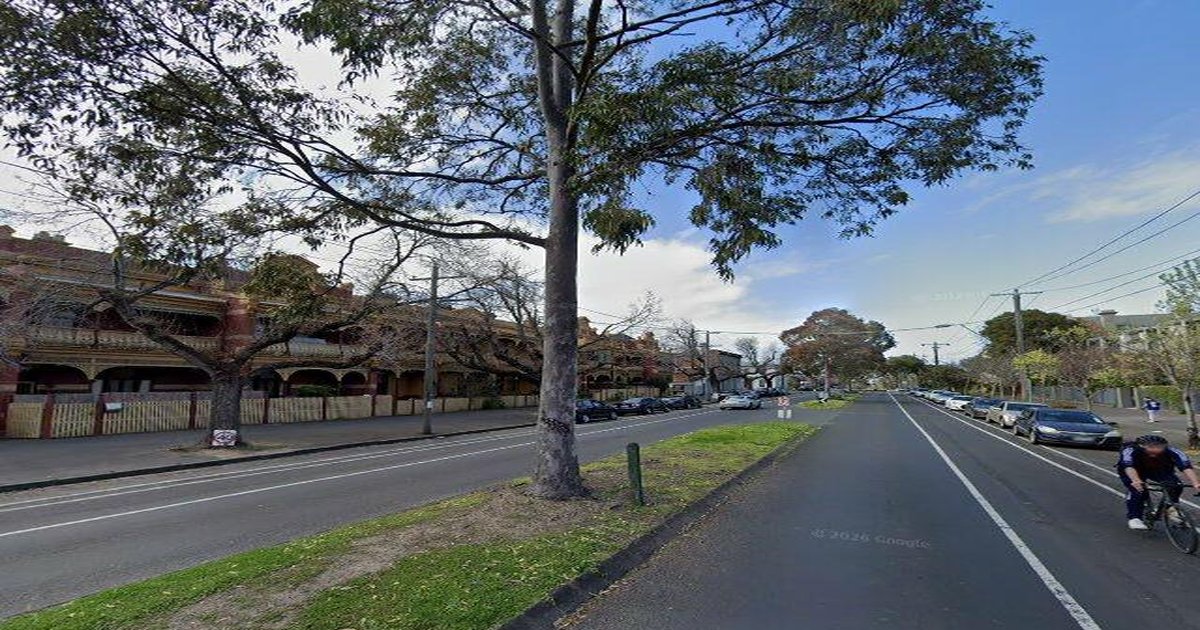
The Melbourne suburb comparisons that come up most in our search and reader-survey data fall into four clusters. Inner-north pairs: Brunswick vs Northcote, Brunswick East vs Fitzroy North, Coburg vs Brunswick — all about rent vs commute trade-offs over similar food and culture profiles. Inner-west pairs: Footscray vs Yarraville, Footscray vs Seddon, West Footscray vs Maidstone — about the cheapest-inside-the-10km-ring question. Inner-east pairs: Hawthorn vs Camberwell, Richmond vs South Yarra, Toorak vs Brighton — about price-tier versus lifestyle. Middle-ring SRL pairs: Box Hill vs Glen Waverley, Cheltenham vs Bentleigh, Burwood vs Mount Waverley — about the speculation premium and the actual lifestyle difference.

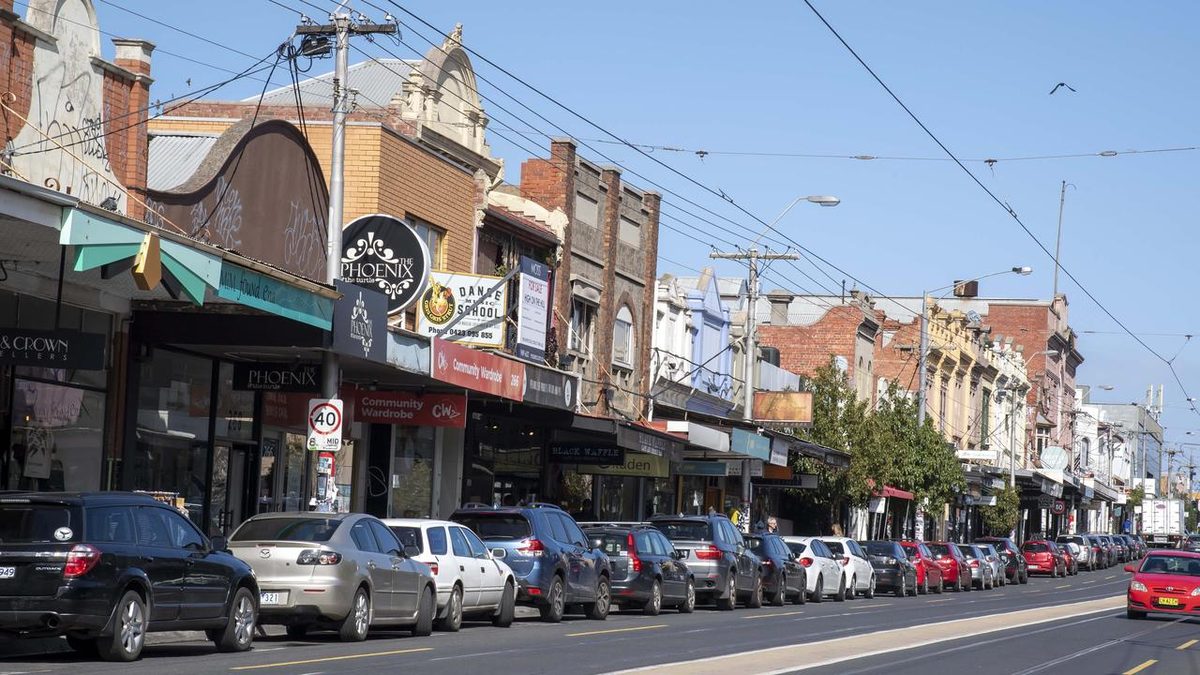
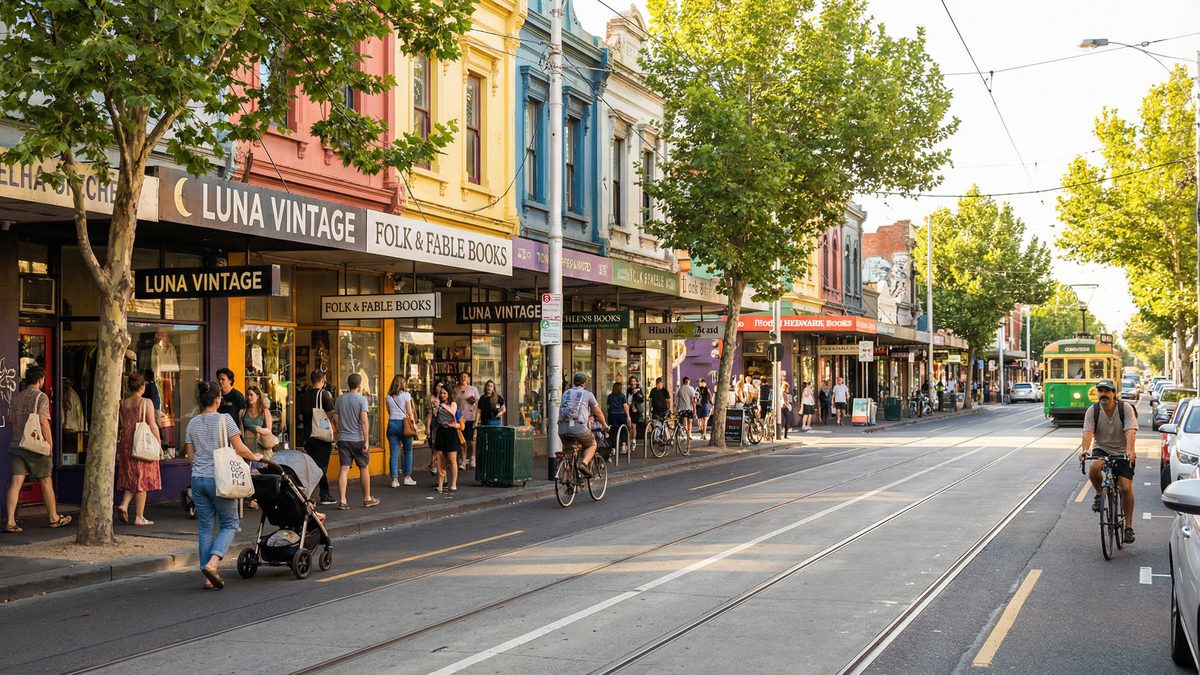
The comparison readers want most often turns out to be Brunswick vs Northcote — they share inner-north tram-line logic, have similar food cultures, both feel like creative-renter suburbs, and the published medians sit close enough that the choice feels like a coin flip. The actual answer is that Brunswick is cheaper ($40-60/week on a 1BR), louder, more dense, with worse late-night transport; Northcote is quieter, slightly older renter demographic, better-rated public primary, and the 86 tram is about 9 minutes slower than the 19 to the CBD on a Friday peak. If you’re a Tuesday-night-pasta-then-bed renter, Northcote. If you’re a Saturday-night-gig renter, Brunswick.

How we normalise

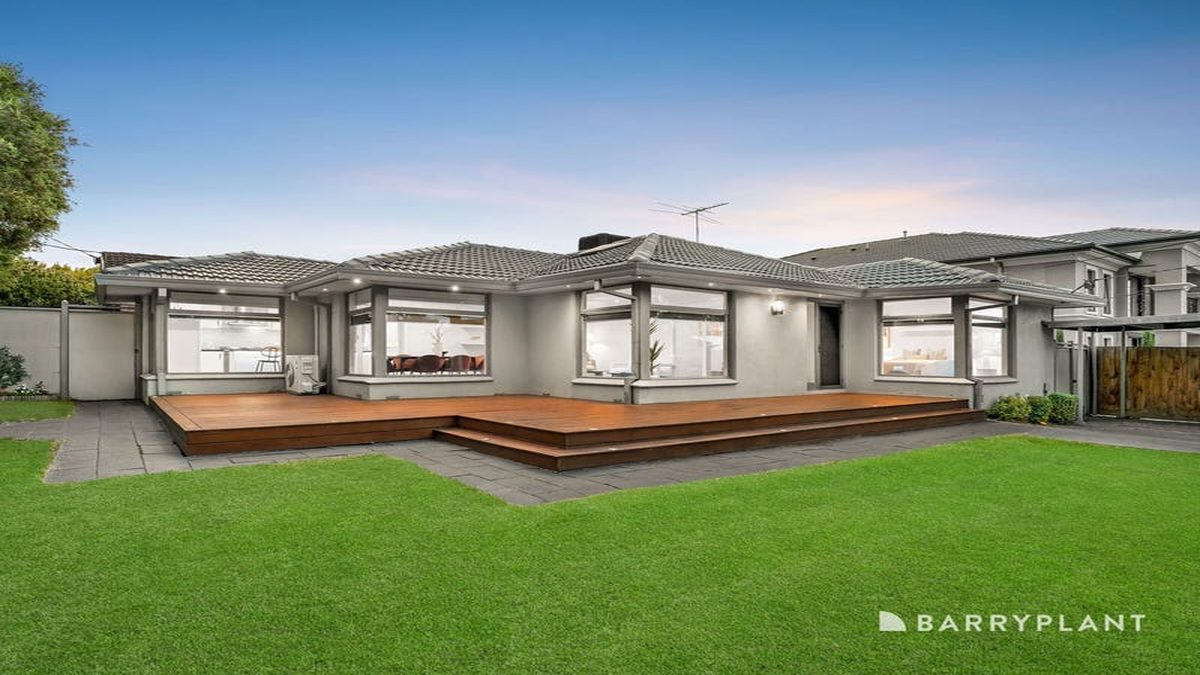
The trap in suburb comparisons is comparing different products. Footscray median rent of $440/week and Yarraville median rent of $560/week look like a clean $120/week gap until you notice Footscray’s median rental is a 1BR apartment in a 1990s block and Yarraville’s is a 2BR weatherboard cottage. Different dwelling, different product, different price. Our comparisons normalise on three variables: dwelling type (1BR apartment, 2BR terrace, 3BR house, etc.), age cohort (pre-1940, 1940-1980, post-1980), and location within the suburb (inner blocks vs station-adjacent vs fringe).

Once normalised, the Footscray vs Yarraville like-for-like on a 2BR weatherboard cottage in April 2026 is Footscray $580/week, Yarraville $640/week — a $60/week gap, not $120, and the trade-off is the train-station walk and the food strip. The methodology page lists every normalisation rule and the data sources we apply.

We also normalise on commute. A “12-minute drive to the CBD” claim is meaningless without time-of-day. Our commute comparisons use a fixed 8:30am Tuesday departure, scheduled time plus average delay from the published reliability data, door-to-platform-to-desk for train comparisons. The numbers sit a chunk above the timetable claims because the timetable measures a single segment, not the door-to-door experience that actually matters.

What most comparisons get wrong

Three patterns we consistently see in other publishers’ suburb comparisons. The “village feel” copout: when a writer can’t find a real differentiator they retreat to lifestyle adjectives (“Northcote has a relaxed village feel; Brunswick has more energy”) that don’t help a reader decide. We force a measurable distinction or we don’t publish. Sale price as a proxy for desirability: median sale price reflects buyer competition, dwelling stock and zoning, not “how good a suburb is to live in.” Carlton houses sell for less than Camberwell houses partly because Carlton terraces are 100sqm and Camberwell houses are 250sqm — that’s a product difference, not a quality judgement. Ignoring time-of-day on transport: a tram route that’s brilliant Sunday and miserable Friday peak is not “the same tram.” Our comparisons flag the peak/off-peak split.

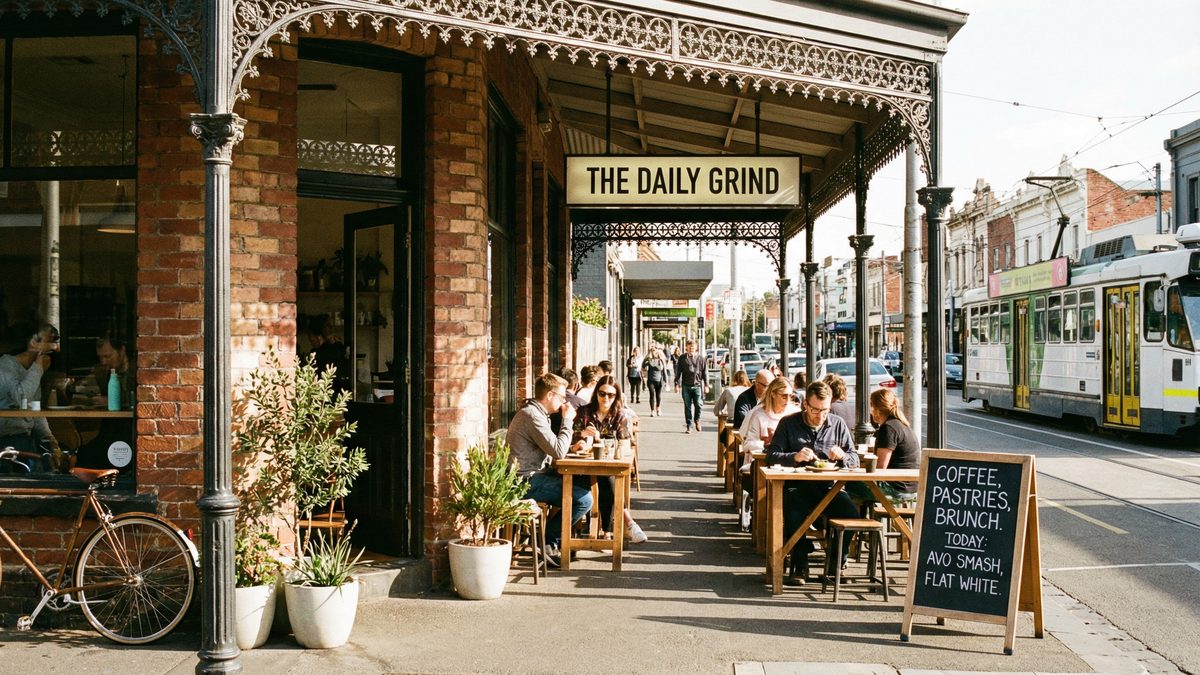
The other thing comparisons usually miss is the second-order amenity difference. Brunswick has a Lebanese bakery within 400m of most addresses; Northcote doesn’t. Northcote has a cinema (the Westgarth, 1921, walking distance from most of the suburb); Brunswick doesn’t. These aren’t headline differentiators but they shape the day-to-day experience of living somewhere, and we surface them in our published comparisons.

How MELBZ covers comparisons

I write this section. Every comparison page names its source data (Domain, REA, ABS, PTV, ACARA, CSA Victoria) and the date of the most recent data pull. We update the high-traffic comparison pairs (Brunswick vs Northcote, Footscray vs Yarraville, Box Hill vs Glen Waverley) quarterly when Domain publishes new rental data. We don’t take property-agency or developer sponsorship for comparison pages — if a real-estate agent recommends a comparison, we’d disclose it; we don’t accept those briefs. See /methodology/comparisons/ and /editorial-standards/.

Share this X Facebook LinkedIn