
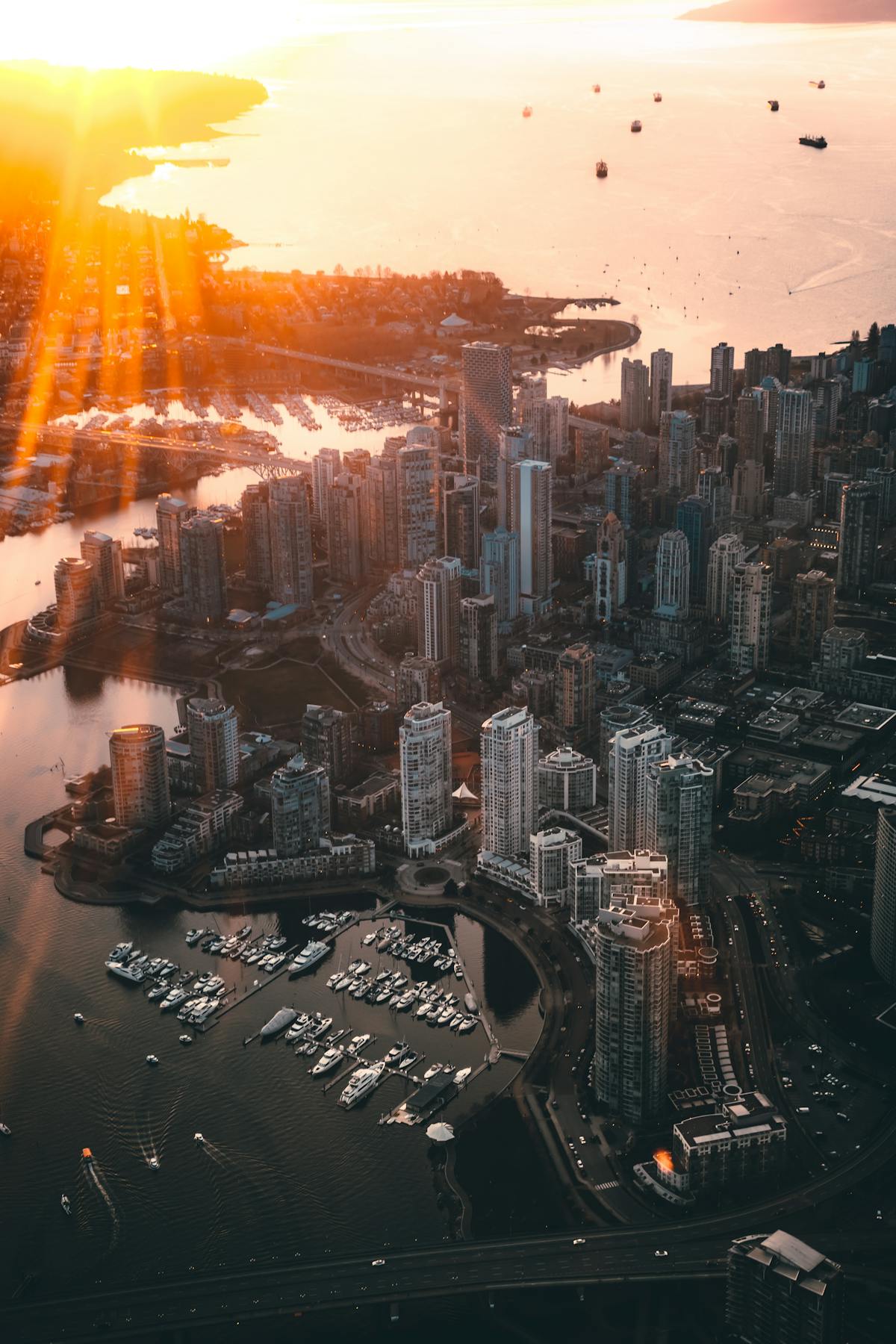
The CBD and Southbank face each other across the Yarra River, connected by a handful of bridges and separated by fundamentally different approaches to city living. The CBD is Melbourne’s commercial and cultural core — noisy, dense, and endlessly convenient. Southbank is its residential counterpart — quieter streets, river views, and a surprising amount of arts and culture. If you want to live in the absolute centre of Melbourne, the choice comes down to which side of the Yarra suits you.
Location and Getting Around
The CBD is the transport hub. Flinders Street Station, Southern Cross Station, Melbourne Central, and the City Loop put every train line within walking distance. The entire tram network converges here, and the Free Tram Zone means you pay nothing to move within the city grid. Everything is walkable — from Queen Victoria Market to Federation Square, from Chinatown to Docklands.
Southbank is technically outside the Free Tram Zone but sits within 5 minutes’ walk of Flinders Street Station. Tram routes 1, 12, and 96 run along Southbank Boulevard and St Kilda Road. The Arts Centre and Hamer Hall are on the doorstep. Walking across the Yarra via Princes Bridge or Evan Walker Bridge takes under 5 minutes — so CBD access is essentially immediate.
Commute to CBD: CBD — you are already there; Southbank 5 mins walk.
Rent and Cost of Living
CBD one-bedroom rent averages around $400 per week in 2026. The stock is overwhelmingly high-rise apartments, many in towers built during the 2010s apartment boom. Quality varies enormously — some buildings have excellent amenities (pools, gyms, concierge), while others have paper-thin walls and maintenance issues. The sheer volume of apartments creates competition, which keeps rents from climbing as sharply as in inner suburbs with less supply.
Southbank is slightly more expensive at around $420 per week. The apartments tend to be newer on average, many with river or city views that command a premium. Southbank’s residential towers are concentrated along City Road and Southbank Boulevard, with some of Melbourne’s tallest residential buildings in the precinct.
Grocery access: the CBD has QV Woolworths, the Queen Victoria Market (excellent for fresh produce), and numerous Asian supermarkets in Chinatown. Southbank has a Woolworths at Southbank Central and a Coles at South Melbourne Market (a short walk south). The South Melbourne Market is one of Melbourne’s best — and a significant advantage for Southbank residents.
Food and Coffee
The CBD’s food scene is enormous. Hardware Lane, Degraves Street, Chinatown, and the laneways surrounding Flinders Lane offer everything from $8 dumplings to $200 degustation menus. The range is unmatched anywhere in Melbourne. Coffee culture practically began in the CBD’s laneways — Patricia, Market Lane, and Brother Baba Budan are all here.
Southbank’s food scene is more concentrated. Crown Casino’s restaurant precinct offers high-end dining, and the Southbank promenade has a mix of tourist-oriented restaurants and some genuinely good options. The Arts Centre precinct draws pre-show diners. But the overall range is narrower than the CBD, and the promenade restaurants skew expensive with a focus on location over substance.
Edge: CBD, convincingly.
Nightlife and Entertainment
The CBD has Melbourne’s densest nightlife. Rooftop bars (Rooftop Bar, Naked in the Sky’s city sibling), laneway cocktail bars (Eau de Vie, 1806), live music venues (Cherry Bar, The Toff in Town), comedy clubs, and late-night restaurants stretch across the grid. Every genre and budget is catered for, every night of the week.
Southbank’s nightlife centres on Crown Casino and the surrounding precinct. Crown has bars, clubs, and late-night entertainment, but the atmosphere is corporate and commercial. Beyond Crown, the Arts Centre and Hamer Hall provide excellent cultural programming — ballet, opera, theatre, and live music — but this is not nightlife in the traditional sense.
Edge: CBD for variety and authenticity; Southbank for arts and cultural entertainment.
Parks and Green Space
The CBD is Melbourne’s most park-deficient area. Flagstaff Gardens, Treasury Gardens, and Carlton Gardens sit on the edges, but within the grid itself, green space is limited to small pocket parks and tree-lined streets. Living in a CBD apartment often means your outdoor space is a balcony.
Southbank has better access. The Yarra River promenade provides a long, landscaped walking path. The Royal Botanic Gardens are a 15-minute walk south. The Alexandra Gardens and Kings Domain sit across the river, easily accessible via footbridges. Southbank’s proximity to green space is a genuine lifestyle advantage over the CBD.
Edge: Southbank.
Noise and Livability
This matters more than people expect. The CBD is loud — construction, trams, sirens, Friday night crowds, and the general hum of a working city. If your apartment faces a major street, sleep can be challenging without double glazing. The CBD also has safety considerations after dark, particularly around some train station exits and late-night entertainment precincts.
Southbank is quieter, particularly in the residential towers away from City Road. The river-facing apartments are relatively peaceful, and the pedestrian-oriented promenade creates a buffer between residential areas and traffic. Weekend noise from Crown can be a factor, but overall, Southbank offers a calmer daily experience.
Edge: Southbank.
Family-Friendliness
Neither the CBD nor Southbank is designed for families. The apartment stock is predominantly one and two-bedroom, schools are limited (though South Melbourne Primary is nearby for Southbank residents), and the urban density does not suit families needing outdoor space and quiet streets.
Southbank has a slight edge — the river promenade, the Botanic Gardens, and the Arts Centre provide family-friendly activities, and the South Melbourne Market is a good weekend outing. But realistically, families outgrow both suburbs quickly.
Edge: Southbank, barely.
The Comparison Table
| Category | CBD | Southbank |
|---|---|---|
| Median 1BR Rent | $400/pw | $420/pw |
| Commute to CBD | 0 mins | 5 mins (walk) |
| Vibe Score | 8/10 | 6/10 |
| Train Line | All lines (City Loop) | Walk to Flinders Street |
| Food Scene | 10/10 | 6/10 |
| Nightlife | 9/10 | 5/10 |
| Family-Friendly | 2/10 | 3/10 |
| Value for Money | 7/10 | 6/10 |
| Best For | Young professionals, international students | Couples, arts lovers, quiet-seekers |
Who Lives Here
The CBD attracts international students, young professionals, and hospitality workers. The population is young, transient, and heavily skewed toward apartment living. Turnover is high — many people live in the CBD for a year or two before moving to a suburb with more space.
Southbank draws a slightly older demographic — professional couples, downsizers, and arts-sector workers. The international student population is smaller, and the general feel is more residential despite the high-rise format.
The Verdict
For Students: CBD wins. Lower rent, better food access, and every university campus is within reach by tram.
For Young Professionals: CBD wins. The food, nightlife, and total convenience make it hard to beat for someone in their twenties working in the city.
For Families: Southbank wins (barely). Neither is good, but the Botanic Gardens and river access give Southbank a slim edge.
For Nightlife: CBD wins. The laneways bar scene is the best in Melbourne.
For Value: CBD wins. Twenty dollars less per week with massively more food and entertainment options on the doorstep.
Overall: The CBD is the better choice for most renters — more affordable, more dynamic, and more convenient. Southbank suits people who want city proximity with a quieter home environment and are willing to pay a small premium for river views and the Arts Centre on the doorstep.