
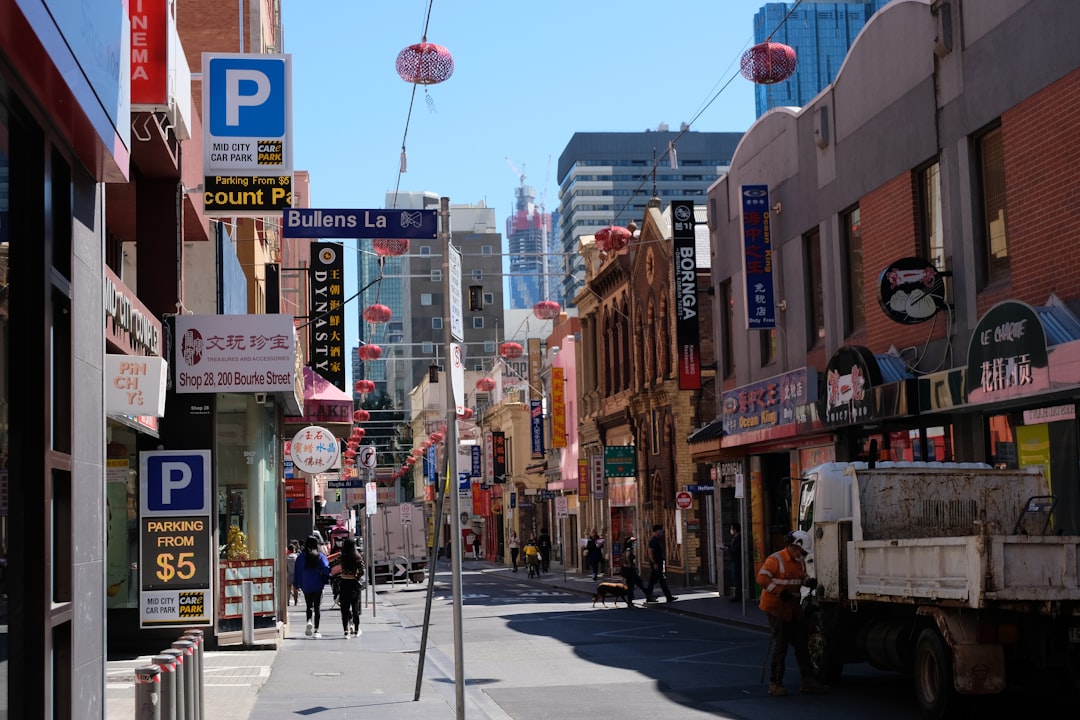
Inner City vs Outer Suburbs: Which Gives Better Value?
Comparing Melbourne suburbs requires looking beyond median prices and Instagram aesthetics. Here’s what actually matters.
The Framework
We compare suburbs across six dimensions:
- Cost — rent, property prices, daily expenses
- Transport — commute times, public transport options, walkability
- Lifestyle — food, nightlife, culture, recreation
- Community — demographics, safety, local organisations
- Practicality — schools, healthcare, shopping, parking
- Growth — infrastructure plans, price trends, development pipeline
Why Direct Comparisons Help
When you’re choosing between two suburbs, abstract rankings are less useful than direct head-to-head analysis. The suburb that wins overall might not win on the specific criteria that matter most to you.
Key Differences
Every suburb comparison reveals trade-offs. One suburb might win on transport but lose on green space. Another might be cheaper but further from the action. Understanding these trade-offs is the whole point.
Making Your Decision
Visit both suburbs on a Saturday morning and a Wednesday evening. The daytime and nighttime character of a suburb can be completely different. Talk to locals in cafes — they’ll tell you things no website can.
Updated March 2026.
💬 Discussion
Join the conversation — no account needed