Verdict Box
Honest reality: Emerald is not a cheap leafy escape where you keep a normal Melbourne routine and just add trees. It works best when you actively want a hills lifestyle, accept that the car does most of the heavy lifting, and can handle wet roads, tree maintenance, power interruptions and a thinner rental pool. Best for: families who want space, home-based workers, tradies, gardeners, and buyers who would rather have slope, trees and privacy than walkability. Skip if: you need late trains, constant rideshare, fast inner-city access, or a rental market with backup options every weekend. Rent pressure: awkward rather than simple; there are few small dwellings, so one-bedroom renters often compete for converted units, studios or small cottages. Commute reality: workable to the outer east, tiring to the CBD. Food scene: better than the population size suggests, but not broad. Family fit: strong if the school run and weekend driving suit you. Overall score: 7.4/10 for the right household, 5/10 for a city-shaped life.
At-a-Glance Table
| Factor | Emerald 2026 |
|---|---|
| LGA | Cardinia Shire Council |
| Postcode | 3782 |
| Geographic tier | South |
| Region | outer-south-east |
| Transport grade | N/A |
| Overall grade | N/A |
Who It Suits
Maya and Tom, remote-first parents — want yard space, schools close by and do not need a train at the front door. The Weekend Builder — accepts sloping blocks, tree work and older houses in exchange for privacy and room for projects. Clare, 46, outer-east commuter — can drive to nearby employment and treats the CBD as an occasional trip, not a daily obligation.
Rent & Property Reality
Median 1BR rent signal: $530 per week, with no reliable year-on-year change published because the one-bedroom sample is too thin; Domain showed a single 1-bed Emerald unit at $530/wk, while its suburb table did not publish a formal 1-bed median. See Domain’s Emerald rental listings and realestate.com.au’s Emerald rental market page, which reports an overall Emerald median rent of $600/wk and a house median of $660/wk, down 8% over 12 months based on 14 house listings.
The practical reading is more important than the neat statistic: Emerald is not a reliable one-bedroom renter’s market. If you are moving from a suburb where you can inspect six apartments in a Saturday morning, reset your expectations. Emerald’s housing stock is mostly detached houses, older cottages, family homes on larger blocks, and a small number of units close to the village. A one-bedroom renter may see nothing useful for weeks, then one acceptable place appears and draws everyone who needs the same thing: a lower rent than a full house, off-street parking, and a manageable commute.
That $530/wk marker should not be treated like a stable median in Richmond, Box Hill or Frankston. It is a live-market clue. It says a small Emerald rental can sit near the price of a modest two-bedroom unit in some flatter outer suburbs because scarcity does the pricing. If your ceiling is under $500/wk, you should search Emerald plus Avonsleigh, Cockatoo, Monbulk, Belgrave and Gembrook at the same time. If you need a pet-friendly home, a fenced yard, storage, or level access, start even earlier because those filters remove most of the stock.
The other rental trap is condition. Hills homes can look charming at inspection and still come with damp corners, steep driveways, limited mobile reception, ageing heating, septic or drainage quirks, and tree-related maintenance. Ask direct questions before applying: heating type, internet connection, water pressure, driveway usability in wet weather, included garden maintenance, and who handles fallen branches. In Emerald, the weekly rent is only one line of the budget; transport, heating, insurance exposure and maintenance friction decide whether the move feels affordable.
Local Reality & Pockets
For daily life, favour the village-side pockets around Belgrave-Gembrook Road, Main Road, Kilvington Drive and the streets feeding into Emerald Lake Road if you want the least complicated version of Emerald. This is where errands, coffee, takeaway, school trips and quick pickups are least painful. Being near Over the Road, The General Food Store, Elevations, Paradise Valley Hotel, Incy Wincy and Big Al’s Pizza sounds like a lifestyle point, but the real value is boring: you can solve breakfast, bread, coffee, a pub meal or pizza without turning every small task into a drive across the hills.
Belgrave-Gembrook Road is the trade-off. It gives you the clearest access and the most useful village proximity, but it also carries through-traffic, weekend tourist movement, school-hour pressure and parking friction. If you are renting or buying close to that spine, inspect at weekday pickup time and again on a wet weekend. A place that feels peaceful at 10:30am can feel exposed when vehicles are banked up, delivery vans are stopping, and everyone is trying to squeeze into the same short-stay parking.
Further out toward Emerald-Monbulk Road, Emerald Lake Road, Macclesfield Road and the more heavily treed residential pockets, you get privacy and space but pay for it in practical drag. Driveways can be steep, shoulders narrow, and visibility poor after dark. Properties may have beautiful outlooks but awkward rubbish-bin access, difficult trailer access, patchy drainage and extra tree maintenance. If you are choosing between two homes, the flatter driveway and simpler road exit will matter more in July than the prettier view did at inspection.
Two honest gotchas: first, transport is not forgiving. Emerald has local bus connections, but this is not a suburb where most households can casually drop a car. If one adult works irregular hours or a teenager has sport, part-time work or TAFE outside the village, a second car can become the real cost of moving. Second, bushfire and storm resilience are not abstract. Check the VicEmergency exposure, roofline trees, gutters, access for emergency vehicles, insurance assumptions and power backup plan. The nicest pocket on paper can be the wrong one if you are anxious every high-wind night or if the school run depends on one narrow road staying clear.
Signature Craving
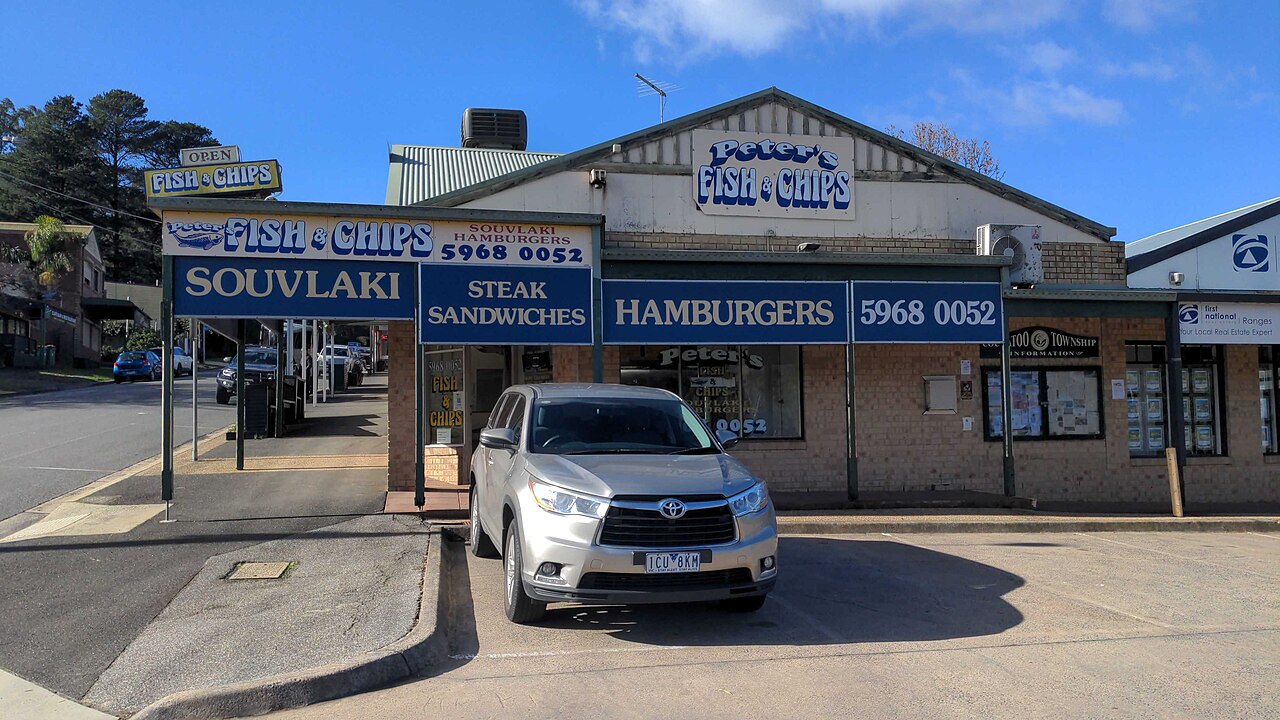
Emerald’s food rhythm is practical rather than performative: coffee before the school run, a proper breakfast when visitors come up, pub meals when nobody wants to cook, and pizza when the weather turns foul. The most useful local craving is The General Food Store on Belgrave-Gembrook Road, because it sits right in the village strip and works for the everyday version of Emerald, not just the weekend postcard. Over the Road is the other easy cafe stop, Incy Wincy covers the Kilvington Drive side, Paradise Valley Hotel gives you the pub option, Elevations handles a more deliberate dinner, and Big Al’s Pizza is the fallback when you have unpacked boxes in the hallway. The honest verdict: the list is strong for a hills suburb, but limited. If you need late-night choice, specialist cuisines and delivery depth, Emerald will feel small fast.
Comparisons Table
| Suburb | Transport | Tier | Region |
|---|---|---|---|
| Emerald | N/A | South | outer-south-east |
| Avonsleigh | F | South | outer-south-east |
| Bayles | n/a | South | outer-south-east |
| Beaconsfield | C+ | South | outer-south-east |
Trust Block
Author: Jack Morrison — Bayside and west property correspondent. Walks every suburb he writes about.
Data: data/melbourne_suburbs_master.json (Codex per-LGA enumeration, cross-checked vs VEC + Australia Post + ABS SA2 boundaries), data/suburb_scores.json (composite percentile grades), data/venues/.json (OpenStreetMap + Gemini-verified venue catalog).
Last reviewed: 2026-05-26. Not financial advice. We do not accept paid placements in editorial.
FAQ
Q: Is Emerald a good suburb to move to in 2026? A: Emerald is a good move if you are choosing the hills deliberately, not using it as a cheaper substitute for an ordinary Melbourne suburb. It suits people who value space, tree cover, privacy, local schools, weekend routines and a slower daily pace. It is weaker for renters who need choice, commuters who need the CBD most days, and households that rely on public transport. The suburb can be excellent, but it demands practical trade-offs around driving, maintenance, weather and emergency planning.
Q: What should I check before signing a lease in Emerald? A: Check the driveway, heating, drainage, mobile reception, internet type, garden responsibilities, tree maintenance and whether the home has any damp or mould history. Emerald rentals can be older, hillier and more exposed to weather than a standard suburban unit. Ask how bins are collected, where visitors park, whether the road is easy at night, and what happens during storms or power outages. A cheap-looking lease can become expensive if you need extra heating, constant gardening or a second car.
Q: Can you live in Emerald without a car? A: Technically some people can manage with buses, lifts and careful planning, but most households should treat a car as essential. Emerald is spread out, the roads are hilly, and many useful trips involve neighbouring suburbs rather than a simple walk down one flat shopping strip. If you work from home and live close to the village, you can reduce driving. But for school, sport, medical appointments, supermarket runs, late shifts and train access, relying on public transport alone will feel restrictive.
Q: Which part of Emerald is easiest for newcomers? A: The easiest start is usually close to the village spine around Belgrave-Gembrook Road, Main Road, Kilvington Drive and the approaches to Emerald Lake Road. You are nearer cafes, takeaway, the pub, local services and the places you will use while settling in. That convenience comes with more traffic and parking pressure, so do not assume central always means peaceful. Newcomers who want privacy can look further out, but should inspect access, road width, lighting, drainage and driveway angle carefully.
Q: Is Emerald affordable for renters? A: Emerald is not reliably affordable in the way renters often mean it. The issue is not just price; it is availability. There are limited one-bedroom and small-unit options, and many listings are houses priced for families. Realestate.com.au reports an overall Emerald median rent around $600/wk and a house median around $660/wk, while one-bedroom medians are often not published because the sample is too small. Renters on tight budgets should search nearby suburbs at the same time and move quickly when suitable stock appears.
Q: What are the main downsides of moving to Emerald? A: The main downsides are transport dependence, low rental choice, weather-related maintenance, bushfire awareness, and the friction of hill roads. You may spend more time driving than expected, especially if work, school or family commitments sit outside Emerald. Tree cover is part of the appeal, but it also means gutters, branches, shade, damp, insurance questions and storm planning. The suburb rewards people who like practical self-management. It frustrates people who want simple, low-maintenance convenience.
Q: How bad is the commute from Emerald? A: The commute depends heavily on where you work. Outer-east trips can be reasonable if your destination is Belgrave, Monbulk, Ferntree Gully, Pakenham-side employment, or other nearby hills and foothill locations. The CBD is a different proposition because you usually need to drive to a train connection or commit to a long road trip. Peak-hour roads, weather, school traffic and tourist movement can all stretch the journey. Test the commute at your actual work time before you commit.
Q: Is Emerald suitable for families? A: Emerald can be very suitable for families that want space, outdoor routines and a village-style daily pattern, but the logistics need to match your household. Check school locations, after-school activities, bus routes, road safety, driveway usability and how teenagers will get around before they can drive. A large block can be brilliant for children, but it also creates mowing, tree and maintenance work. Families usually do best when at least one adult has flexible work or a manageable local commute.
Q: What should buyers inspect more carefully in Emerald? A: Buyers should inspect slope, drainage, retaining walls, roof condition, tree proximity, bushfire exposure, access for emergency vehicles, heating efficiency and whether extensions or outbuildings are properly approved. Do not get distracted by a pretty outlook before checking the practical systems. Hills properties can hide expensive problems in driveways, stormwater, damp subfloors and difficult access. Also price in ongoing maintenance: arborist work, gutter cleaning, heating, road exposure and insurance can change the true cost of ownership.