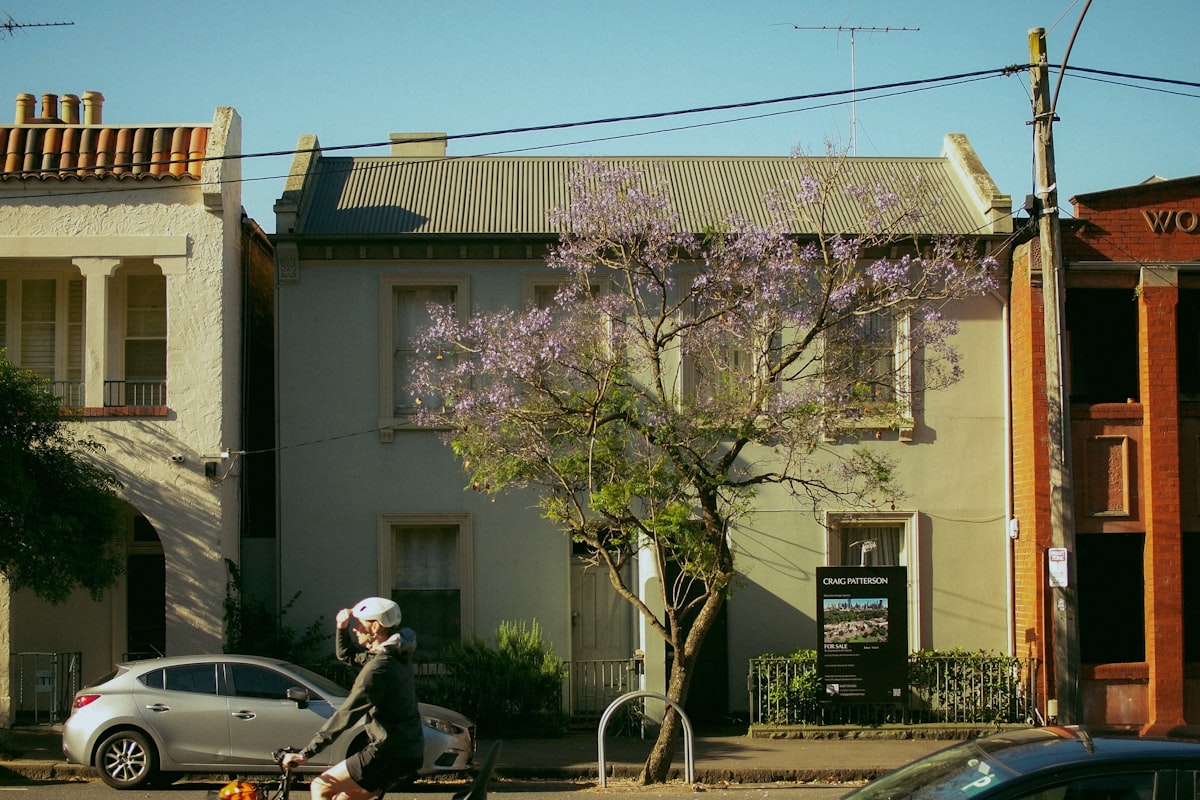
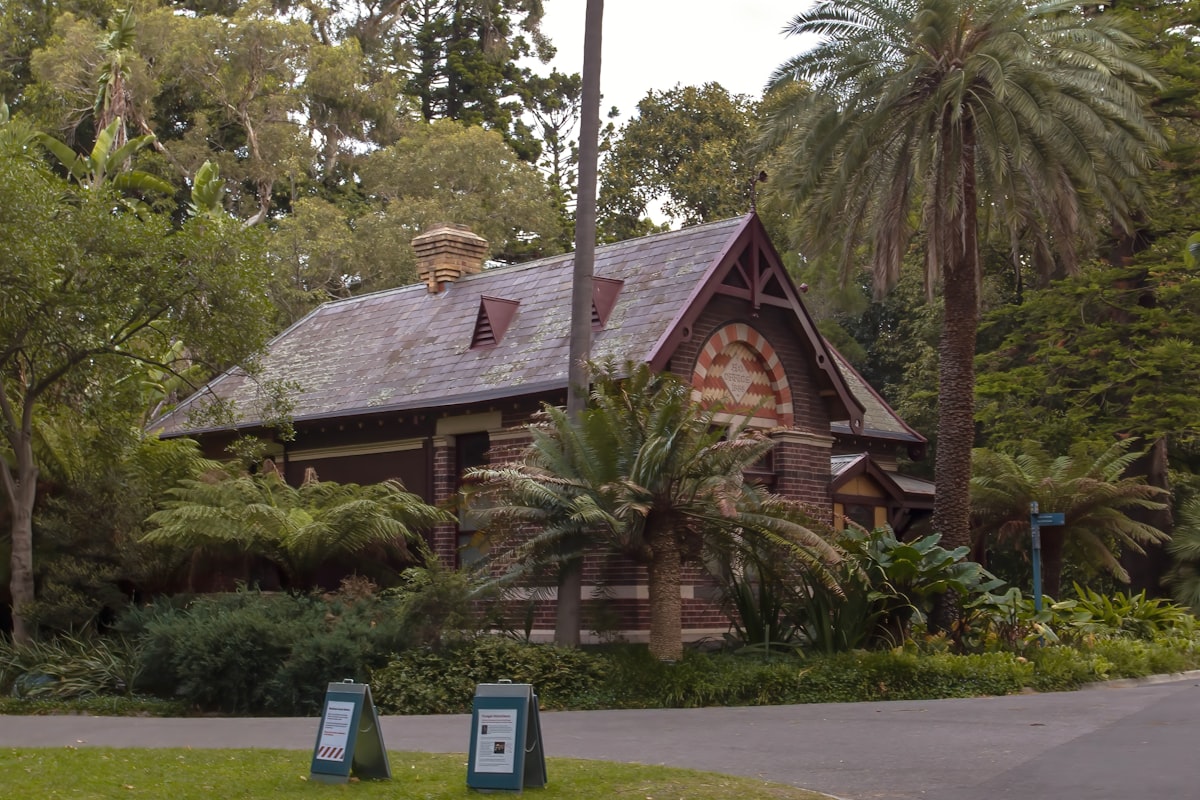
One catchment is a $220K premium. The other has a quieter playground at 3:30pm.
If you’ve narrowed Melbourne’s inner east to Camberwell or Canterbury for the schools, the decision you actually have to make is not which suburb — they share a postcode (3124), they share Whitehorse Road, they share the route 70 tram. The decision is which primary catchment you want to live inside. The Canterbury Primary catchment runs broadly west of Wattle Valley Road; Camberwell Primary picks up the streets south of Canterbury Road. Both schools are good. One catchment costs about $220K more on a 3-bedroom house (REA Group rolling sales, 12 months to March 2026). The honest version of this decision is whether the gap is buying you a measurably different educational outcome or a postcode story.
I have two kids in the Victorian state primary system and I read My School’s NAPLAN data every year. I do not live in 3124. What I have done over the last six weeks is talk to five current parents across the four schools below, read the latest catchment maps from the Department’s Find My School tool, and pull the rolling sales data from REA. Below is the decision the way the parents I spoke to actually think about it.
The catchment line, in detail
The four schools that matter to a primary-school move into 3124:
Camberwell Primary School — Burke Road, established 1888. In-zone catchment runs broadly south of Canterbury Road and east of Burke Road, covering most of the south Camberwell streets and the Camberwell Junction precinct.
Canterbury Primary School — Molesworth Street, established 1899. In-zone catchment covers most streets between Canterbury Road, Mont Albert Road, Wattle Valley Road and Riversdale Road. The northern boundary cuts mid-block in places.
Canterbury Girls Secondary College (and the affiliated Canterbury Boys campus) — the in-zone secondary across most of the 3124 postcode, with slices into Surrey Hills (3127) and Balwyn (3103).
Camberwell High School — co-ed secondary. Catchment runs further south and west.
The bit that catches families out: the catchment lines do not follow the suburb boundaries. A house with a Canterbury 3124 address can be in the Camberwell Primary catchment if it’s south of Canterbury Road. A house with a Camberwell 3124 address can be in the Canterbury Primary catchment if it’s north of Canterbury Road and west of Wattle Valley Road. The Department’s Find My School tool (findmyschool.vic.gov.au) is the only reliable source — confirm the specific address before you sign anything.
What the data actually says
Both primaries are good. Both are well above state averages. The difference between them is real but narrower than the property market is pricing in.
| School | ICSEA (My School 2024) | Year 5 reading band | Year 5 numeracy band | Enrolment | Catchment status 2026 |
|---|---|---|---|---|---|
| Camberwell Primary | ~1145 | Second decile | Second decile | 470 students | At capacity, in-zone only |
| Canterbury Primary | ~1162 | Top decile | Top decile | 410 students | At capacity, in-zone only |
ICSEA is the Index of Community Socio-Educational Advantage — it adjusts for family background and tells you what to expect from the school’s intake. State-school average is 1000. Both these schools are drawing from a similar parent demographic.
The Year 5 NAPLAN difference is the part property agents quote at you. Canterbury Primary’s 2024 Year 5 cohort sat in the top decile for reading and numeracy across Victorian government primaries; Camberwell Primary’s sat in the second decile. The gap exists. The gap is one decile. It does not, in my reading of the data, justify a $220K house-price premium on its own — but the parents I spoke to weren’t paying for the decile gap; they were paying for the smaller cohort, the strength of the music programme, and the catchment scarcity.
What you actually get for the $220K
Three things, in the order parents I spoke to ranked them:
1. A smaller school. Canterbury Primary is about 60 students smaller than Camberwell Primary. That sounds minor; in practice it shows up in the staff-to-student ratio in specialist programmes, and in the way Year 6 transition runs. One Canterbury Primary parent (year 4 child, moved into the catchment in 2022): “It’s the difference between knowing every parent in your kid’s year and not. We didn’t know that mattered until we had it.”
2. A stronger music and arts programme. Both schools run instrumental programmes. Canterbury’s is run on a tighter rotation and the Year 5/6 ensemble has a serious reputation locally — three Canterbury Primary alumni in the 2025 Victorian School Music Festival senior strings ensemble. Camberwell Primary’s programme is solid but doesn’t have the same festival pipeline.
3. The catchment-feeder pattern. This is the bit nobody puts in writing. Canterbury Primary feeds tightly into Canterbury Girls / Boys at Year 7. Camberwell Primary feeds Canterbury Girls / Boys for in-zone girls, but for boys the secondary decision is messier — Camberwell High, Canterbury Boys, or one of the inner-east private schools (Trinity, Camberwell Grammar) are the realistic options, and the in-zone secondary is less of a default. Families with two kids and a mix of genders find Canterbury Primary’s catchment more linear into Year 12. That linearity is what’s priced into the $220K.
What you save in the Camberwell Primary catchment
Three things I’d weigh against the premium:
1. House sizes. The Camberwell Primary catchment includes a deeper run of 1920s–1940s Californian bungalow stock on slightly larger blocks than the Edwardian doubles dominating the Canterbury Primary streets. Median block size in the Camberwell Primary catchment runs about 75sqm larger than the Canterbury Primary equivalent for sub-$2.5M sales (REA rolling 12-month). For families wanting a third bedroom and a yard, this is real.
2. The 3:30pm pickup is calmer. Canterbury Primary’s drop-off and pickup is intense — Molesworth Street and Bryson Street back up for ten minutes either side of the bell. Camberwell Primary on Burke Road has a wider footpath and proper drop-off zones. With twin prams, this matters.
3. Camberwell Junction. Burke Road’s shopping strip is two blocks from Camberwell Primary. The Camberwell market on Sundays, the Burke Road cafes, the medical and dental cluster around Camberwell Junction — the everyday family logistics are tighter in the Camberwell Primary catchment than in the Canterbury Primary catchment, where you’re a tram ride or 12-minute walk to Maling Road or Camberwell Junction proper.
The Year 7 decision, in honest terms
For girls in either catchment, Canterbury Girls Secondary College is the in-zone state option and it is good — top-decile NAPLAN at Year 9, strong VCE results, established music and sport programmes. Most families in either primary catchment send daughters there.
For boys, the picture is messier. Canterbury Boys has had a strong recovery in the last five years (NAPLAN bands have moved up two deciles since 2019, my reading of the My School data). Camberwell High is the alternative and is co-ed. The private school pull in this part of the inner east is real — Trinity Grammar, Camberwell Grammar, Carey Baptist Grammar, and Scotch College all sit within 4km of either primary, and the secondary decision for boys is often a private decision in this catchment regardless of which primary you used.
The implication: if the Year 12 outcome is what you’re optimising for and your kids are heading to private secondary anyway, the primary-catchment premium logic weakens. You’re paying $220K for years 1–6 plus a postcode story.
Who should pick which
Pick Canterbury Primary catchment if: music or arts is part of the family identity; you want a smaller school cohort; both kids are likely to attend state secondary in-zone; the Year 12 outcome matters more than block size.
Pick Camberwell Primary catchment if: you need a larger block or a fourth bedroom; the secondary decision is going to be private regardless; you want Camberwell Junction as your everyday strip; you’re saving the $220K for the next stage.
Pick neither and look further out if: you need three bedrooms under $1.6M (it doesn’t exist in either catchment as of April 2026); you want public co-ed secondary as the default (look at Glen Iris and the Auburn High catchment instead); you’re working from home and need a study (the inner-east terrace stock can be tight on this).
What I’d do
If I were moving back into the state system in this part of Melbourne — both kids primary-aged, public secondary the plan — I’d take the Canterbury Primary catchment if the budget worked and accept the smaller block. The smaller-school cohort and the cleaner Year 7 transition are what most parents I spoke to said mattered more than they expected. If the budget meant choosing between in-zone Canterbury Primary at $2.4M or in-zone Camberwell Primary at $2.2M with $200K toward renovation, I’d pick the renovation. Both schools will get you there.
The decision the property market is selling you — that one catchment is “the better school” — overstates the gap. The decision the schools themselves describe — that the catchments serve similar families with slightly different programmes — is closer to the truth. For wider family coverage of the inner-east, see our Bentleigh vs McKinnon schools comparison — the south-east equivalent of this catchment-line decision.
What to ask at the school tour
Don’t waste the 25-minute walk-around on facilities you can see in a brochure. Ask:
- What’s the actual class size in this year level, and how does it move when a sibling enrolment lands mid-year?
- How does the Year 6 transition to Canterbury Girls / Boys actually run — when do current Year 5 parents start the conversation, and what’s the timeline if a kid is borderline on in-zone status?
- Which specialist programme has lost a teacher in the last two years, and how was it replaced? (This tells you which programme is structurally fragile.)
- What’s the school’s policy on out-of-zone sibling enrolment if we move out of the catchment after the first kid starts? The answer varies by year.
Bottom line
Pick the Canterbury Primary catchment if: music or arts is part of the family identity; both kids are likely state-secondary in-zone; you want the smaller cohort and the cleaner Year 7 feeder pipeline.
Pick the Camberwell Primary catchment if: you need a fourth bedroom or a larger block; secondary will be private regardless; you’d rather pocket the $220K toward a renovation or a deposit on the next move.
Look further out if: you need a 3BR under $1.6M (it doesn’t exist in either catchment as of April 2026), or you want public co-ed secondary as the default — Glen Iris and the Auburn High catchment are the realistic neighbours. Methodology and source notes on our methodology page.
Catchment data retrieved from Find My School on 28 April 2026 — confirm the exact line on a specific address before signing. NAPLAN and ICSEA figures from My School 2024. House and rental data from REA Group rolling 12-month sales to March 2026 and Domain rental report Q1 2026. Enrolment status confirmed by direct phone calls to both primaries on 30 April 2026. Parent quotes anonymised at parent request. Next verification: October 2026 (Department zone review window).