
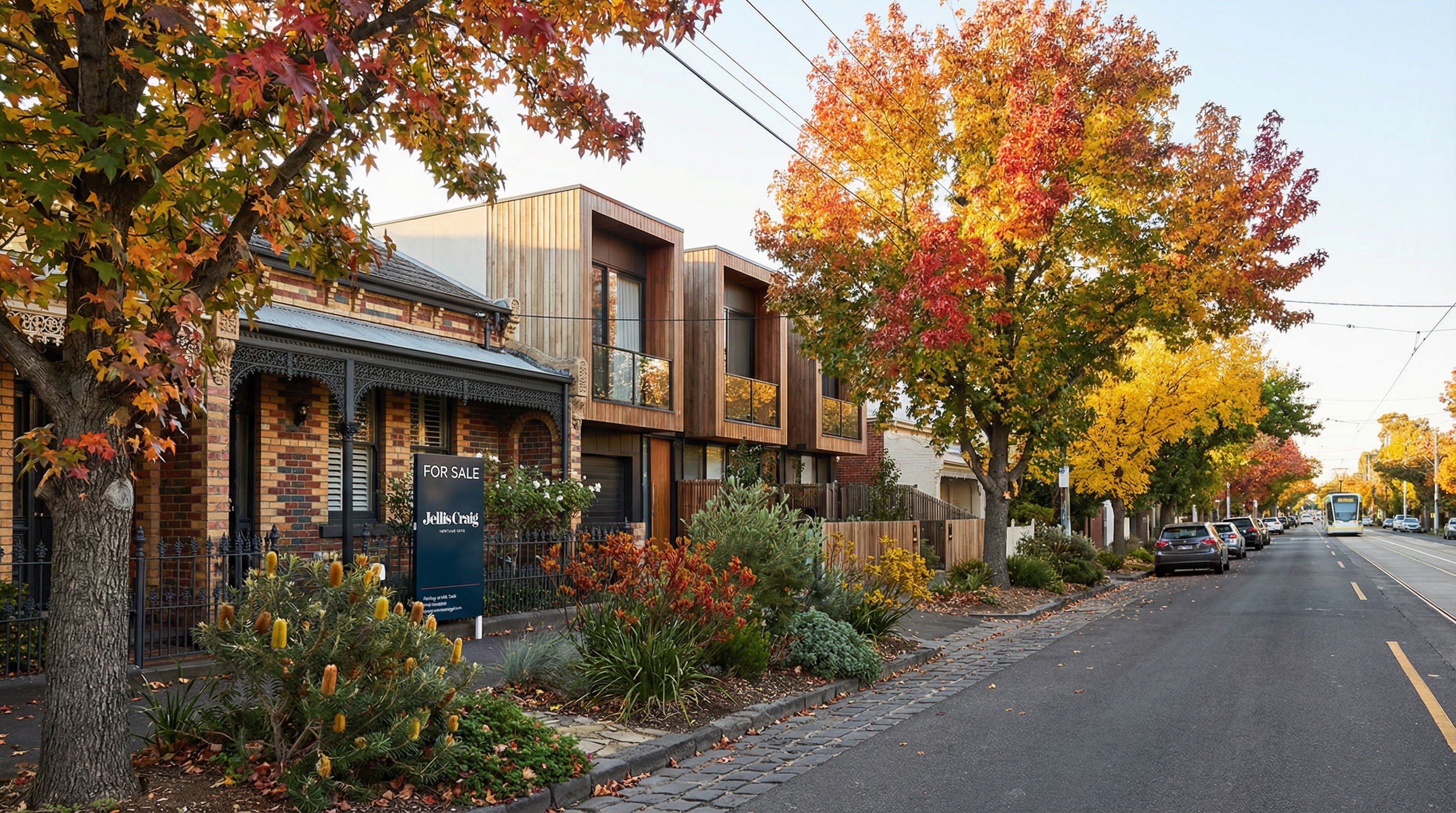
Fitzroy’s demographic profile reflects its position as one of Melbourne’s most established inner-city suburbs — young, diverse, increasingly professional, and shaped by waves of migration that have left their mark on the suburb’s culture, food scene, and community organisations. The 2021 Census provides the most comprehensive snapshot, supplemented by more recent estimates from the Australian Bureau of Statistics.
Population Overview
According to the 2021 Census, Fitzroy had a population of approximately 11,500 residents. The Australian Bureau of Statistics estimates this has grown to approximately 12,200 by 2025, driven primarily by apartment development along Smith Street and the Gertrude Street corridor. Population density is high — approximately 7,350 people per square kilometre — making Fitzroy one of Melbourne’s most densely populated suburbs.
| Demographic Indicator | Fitzroy | Metro Melbourne Average |
|---|---|---|
| Population (est. 2025) | ~12,200 | N/A |
| Population Density | ~7,350/km² | ~510/km² |
| Median Age | 33 years | 37 years |
| Born Overseas | ~35% | ~34% |
| Speak Language Other Than English at Home | ~25% | ~32% |
Age Profile
Fitzroy skews young. The median age of 33 years is four years below the metropolitan Melbourne average, and the dominant age cohort is 25–39 year olds, who make up approximately 40% of the population. This reflects the suburb’s appeal to young professionals, students, and creative workers who are drawn to the inner-city lifestyle, proximity to the CBD, and the cultural scene along Brunswick and Smith Streets.
The proportion of children (0–14 years) is below the metropolitan average at approximately 8%, compared to 18% across Greater Melbourne. This is typical of inner-city suburbs where housing stock — predominantly apartments and smaller terraces — is less suited to larger families. However, the number of families with young children has been increasing, driven by the gentrification of former public housing areas and the development of family-sized apartments.
The over-65 population is also below average at approximately 9%, though Fitzroy’s public housing estates — particularly Atherton Gardens — house a significant number of older residents who have lived in the suburb for decades.
Cultural Diversity
Fitzroy’s cultural diversity has deep historical roots. The suburb was one of Melbourne’s primary settlement areas for post-war European migrants, and later became home to significant communities from Vietnam, East Africa, and the Horn of Africa. Today, the most common countries of birth for overseas-born residents include England, New Zealand, China, Vietnam, and Ethiopia.
The Aboriginal and Torres Strait Islander community has a particularly strong presence in Fitzroy, which has served as an urban gathering place for Indigenous Australians since the mid-20th century. The Victorian Aboriginal Health Service on Nicholson Street, the Charcoal Lane restaurant (a social enterprise training program), and the Fitzroy Stars sporting clubs all reflect this ongoing connection.
Household Types
The dominant household type in Fitzroy is lone-person households, which account for approximately 40% of all dwellings. This is significantly above the metropolitan average of 23% and reflects the suburb’s apartment-heavy housing stock and young professional demographic.
| Household Type | Fitzroy | Metro Melbourne |
|---|---|---|
| Lone Person | ~40% | ~23% |
| Couples Without Children | ~25% | ~22% |
| Couples With Children | ~10% | ~33% |
| Group Households | ~12% | ~5% |
| One-Parent Families | ~5% | ~10% |
Group households — share houses — make up approximately 12% of dwellings, more than double the metropolitan average. This reflects both the suburb’s proximity to universities (University of Melbourne, RMIT, ACU) and the high cost of renting alone in the inner city.
Income and Employment
Fitzroy’s income profile has shifted dramatically over the past two decades as gentrification has transformed the suburb from a working-class area to one of Melbourne’s more affluent inner-city postcodes. The median household income is approximately $1,800 per week, above the metropolitan Melbourne median of approximately $1,700.
The most common occupations among Fitzroy residents are professionals (approximately 45%), managers (approximately 15%), and community and personal service workers (approximately 10%). The creative industries — arts, design, media, and entertainment — employ a disproportionately high share of Fitzroy residents compared to the metropolitan average.
Unemployment in Fitzroy sits close to the metropolitan average, though underemployment — particularly among creative workers and hospitality staff — is higher than the headline unemployment figure suggests.
Housing Tenure
Fitzroy’s housing tenure split reflects the inner-city rental market. Approximately 55% of dwellings are rented, compared to 29% across metropolitan Melbourne. Owner-occupiers (with or without a mortgage) account for approximately 35% of dwellings, and social housing — primarily the public housing towers managed by Homes Victoria — accounts for approximately 10%.
The high rental proportion means Fitzroy’s population is more transient than outer suburban areas. The average length of residence is shorter, and population turnover between census periods is higher. This has implications for community cohesion and local engagement, though Fitzroy’s strong network of community organisations, sporting clubs, and neighbourhood houses helps maintain social connections despite the turnover.
What the Data Means for Living in Fitzroy
For prospective residents, Fitzroy’s demographics paint a picture of a suburb that is young, culturally rich, and increasingly expensive. The high proportion of renters means the rental market is competitive but also means there is always stock available. The low proportion of families with children means schools are less crowded than outer suburban equivalents, but also means fewer family-oriented services and activities compared to suburbs like Northcote or Preston.
The cultural diversity is genuine and visible — it shapes the food scene, the community events, and the street-level atmosphere in ways that distinguish Fitzroy from more homogeneous suburbs.
Last updated: April 2026. Primary data source: Australian Bureau of Statistics, 2021 Census of Population and Housing. Population estimates from ABS Regional Population Growth data.
💬 Discussion
Join the conversation — no account needed