Verdict Box
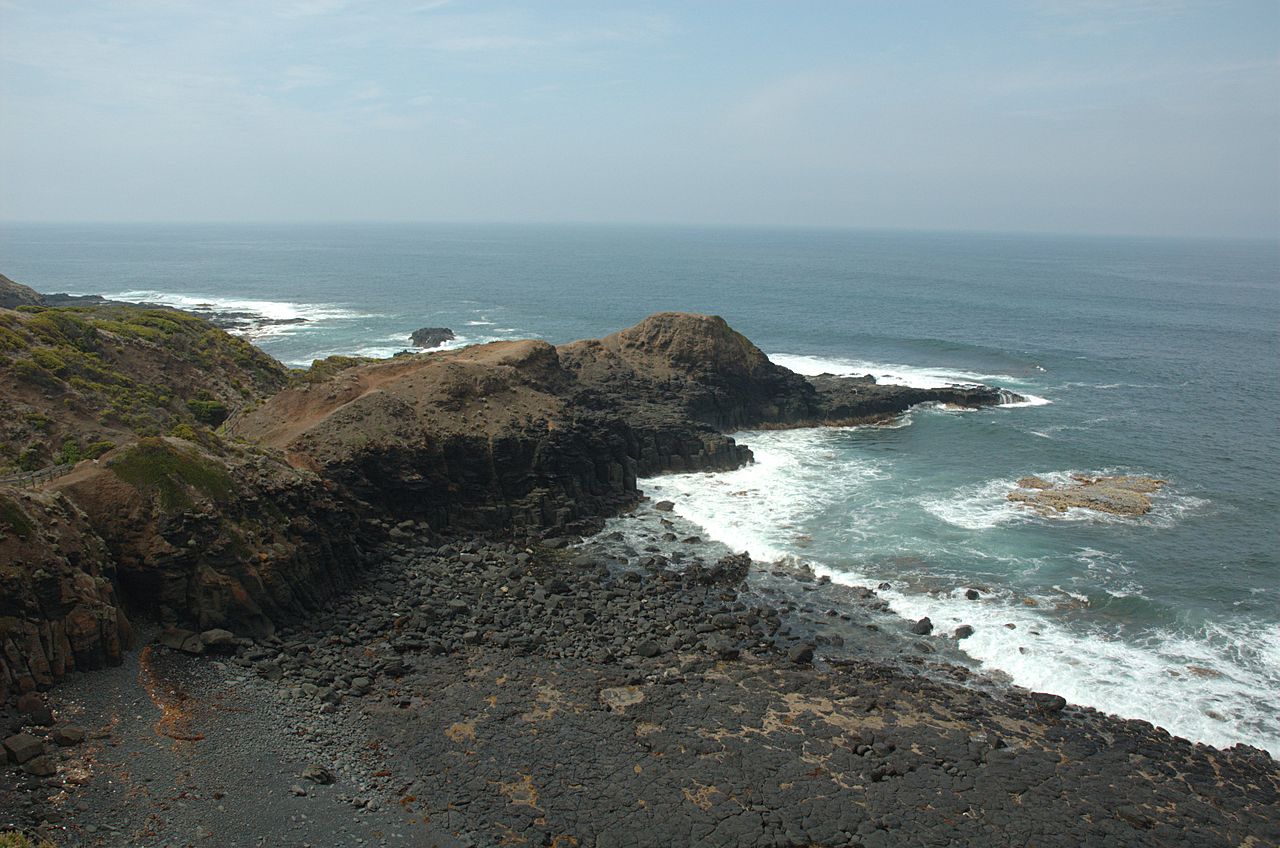
Honest reality: Flinders is not a casual renter’s suburb with a cafe on every corner and a train around the bend. It is a low-supply, high-price coastal pocket where the rental market is so thin that the headline numbers can mislead you. REA’s May 2025-April 2026 data shows only 1 leased one-bedroom unit across the year, so the $450/week figure is a clue, not a comfort blanket. The suburb suits buyers, downsizers, remote workers and families who already accept car dependence. It punishes anyone expecting inner-suburban convenience, late-night food, easy housemate churn or a short public transport commute. Cook Street gives you the small village spine; the pier, golf course, cliff walks and Western Port outlook do the emotional heavy lifting. But daily life is practical: drive to bigger supermarkets, plan appointments, and treat summer parking as a known irritation. Overall score: 7.5/10 if you want quiet coastal permanence; 4/10 if you need frictionless renting.
At-a-Glance Table
| Factor | Flinders 2026 |
|---|---|
| LGA | Mornington Peninsula Shire Council |
| Postcode | 3929 |
| Geographic tier | South |
| Region | mornington-peninsula |
| Transport grade | N/A |
| Overall grade | N/A |
Who It Suits
Claire, 46, remote executive — wants sea air, a proper study and no need to commute five days a week. The Downsizer Couple — trades nightlife and retail choice for a quiet house, garden space and walkable village errands. The Peninsula Weekender-Turned-Local — already knows the drive, the winter quiet and the summer visitor load.
Rent & Property Reality
The 2026 rental number to start with is $450 per week for a 1-bedroom unit, with 0.0% annual change, according to realestate.com.au’s Flinders market profile for May 2025 to April 2026. That sounds almost reasonable until you read the small print: REA also shows only 1 one-bedroom unit leased in the past 12 months. In plain language, Flinders does not really have a normal one-bedroom rental market. It has the occasional small unit or cottage-style listing, and then long gaps where the category barely exists.
That is the first moving-checklist item: do not budget for Flinders the way you would budget for Elwood, Brunswick, Frankston or even Mornington. A median based on one lease is not a reliable shopping guide. It tells you that one small place changed hands at that price, not that you can expect a steady queue of $450/week options. For the actual rental market, the broader figures matter more: REA lists houses at $900/week, up 5.9% year on year, and units at $650/week, up 2.4%. Three-bedroom houses sit around $795/week, while four-bedroom houses are quoted at $1,200/week, though again the sample sizes are small.
The practical takeaway is that Flinders renters need flexibility. If you only want a one-bedroom lease, widen your search to Balnarring, Shoreham, Red Hill South, Merricks, Rosebud, Dromana and Hastings, then decide whether the drive back to Flinders still works. If you need a family home, prepare for prestige-coastal pricing and fewer inspection choices. Pets, storage, heating quality and driveway access are worth checking early because there may not be another comparable listing next weekend.
Also separate permanent rentals from holiday stock. Flinders has houses that make more sense as summer lets than 12-month leases, and that affects availability. A property that looks perfect in March may never appear as a standard tenancy. Before committing, ask the agent about lease length, garden maintenance, water tanks, septic or drainage responsibilities where relevant, and whether the owner has a history of taking the home back for personal use. In Flinders, the win is not finding the cheapest rent; it is securing a stable property that will not force another Peninsula-wide search in six months.
Local Reality & Pockets
Start your search around Cook Street if you want the closest thing Flinders has to a daily village rhythm. Cook Street connects the town centre to Wood Street and Mornington-Flinders Road, and it is the practical spine for coffee, post-office-style errands, quick meals and visitors finding you without three wrong turns. Streets close to Cook Street and Norman Street suit people who want to walk to the village and the foreshore, but they also carry the most weekend movement. Expect more parked cars, more day-trippers and less privacy when the weather turns good.
For a quieter residential feel, look slightly back from the village core rather than right on the obvious route to the pier. Pockets off Wood Street, Bass Street, Barker Street and the roads leading away from the Cook Street strip can feel more settled, with less casual visitor parking at the front door. If you are inspecting near The Esplanade or the roads dropping toward Flinders Pier, check slope, driveway grade, stormwater movement and how exposed the property feels in rough weather. The view can be expensive in maintenance as well as rent.
The roads matter because Flinders is car-first. Mornington Peninsula Shire lists Boneo Road, Mornington-Flinders Road, Wood Street and Cook Street among the key managed roads in and around this part of the Peninsula. The 782 bus runs between Frankston and Flinders via Coolart Road and Hastings, ending around Wood Street/Cook Street, but relying on it for a city job is a serious lifestyle decision. Most residents will drive to larger shops, medical appointments, secondary schools, train connections and late-night services.
Avoid choosing a house purely because it looks peaceful on a weekday inspection. Gotcha one: summer changes the suburb. Parking near Cook Street, the pier and beach access points tightens, and visitors who are lost, hungry or hunting for a park become part of your street soundtrack. Gotcha two: winter changes it again. The suburb gets quieter, which is lovely if you want space, but less convenient if you expect spontaneous dinner options or frequent public transport. Check mobile reception inside the house, heating in older coastal homes, garage clearance, damp smells, fencing for pets and whether the driveway works when two cars plus visitors are in play.
Signature Craving
Flinders is not a suburb where you move for a dense dining map. The honest pattern is residential, coastal and quiet: you keep basics local, then drive when you want a proper meal. For a named neighbouring benchmark, Doot Doot Doot at Jackalope on Balnarring Road in Merricks North is the special-occasion move people know before they know the back roads. It is not your Wednesday takeaway solution, and that is the point. Flinders living works best when you stop expecting every craving to be solved within five minutes. Cook Street can handle a coffee, a casual bite and the visitor circuit, but the serious food plan is Peninsula-wide: Merricks North for a booked dinner, Balnarring for practical errands and cafes, Red Hill for weekend produce, and Mornington or Rosebud when you need scale. If that sounds annoying, do not move here. If it sounds like a fair swap for silence and coast, you will get it.
Comparisons Table
| Suburb | Transport | Tier | Region |
|---|---|---|---|
| Flinders | N/A | South | mornington-peninsula |
| Arthurs Seat | F | South | mornington-peninsula |
| Balnarring | N/A | South | mornington-peninsula |
| Balnarring Beach | n/a | South | mornington-peninsula |
Trust Block
Author: Jack Morrison — Bayside and west property correspondent. Walks every suburb he writes about.
Data: data/melbourne_suburbs_master.json (Codex per-LGA enumeration, cross-checked vs VEC + Australia Post + ABS SA2 boundaries), data/suburb_scores.json (composite percentile grades), data/venues/.json (OpenStreetMap + Gemini-verified venue catalog).
Last reviewed: 2026-05-26. Not financial advice. We do not accept paid placements in editorial.
FAQ
Q: Is Flinders a good suburb to move to in 2026? A: Flinders is good if your life already suits a quiet, car-dependent coastal setting. It is strongest for remote workers, downsizers, established families and people who want a slower Peninsula routine rather than daily inner-city convenience. The trade-off is real: limited rentals, limited public transport, fewer everyday shops and a seasonal visitor load around the pier and village. If your checklist includes a train station, quick late-night food, many rental inspections and easy housemate replacement, Flinders will feel restrictive. If your checklist is space, sea air, privacy and village-scale errands, it makes much more sense.
Q: How expensive is rent in Flinders? A: The headline 1-bedroom unit rent is $450/week with 0.0% annual change on REA’s May 2025-April 2026 profile, but that figure is based on a tiny market. REA shows only one 1-bedroom unit leased in the past 12 months, so it should not be treated as a dependable budget target. The broader market is much more expensive: houses are listed around $900/week, units around $650/week, and larger houses can push well above that. The real issue is not only price; it is scarcity. You may wait longer for a suitable listing than in larger Peninsula suburbs.
Q: Can you live in Flinders without a car? A: You can survive without a car only if your expectations are very limited and your work, shopping and appointments are carefully planned. The 782 bus connects Flinders with Frankston via Hastings, and the key local stop is around Wood Street/Cook Street, but this is not a suburb built around high-frequency transport. Most daily needs beyond the village require driving: larger supermarkets, medical specialists, rail connections, secondary schools and many hospitality options. For a household with children, pets, shift work or regular city commitments, a car is close to essential.
Q: Which part of Flinders should I inspect first? A: Inspect near Cook Street first if you want walkability to the village, coffee, small errands and easier orientation for visitors. Then compare that with quieter streets set back from the village spine, such as pockets around Wood Street, Bass Street and Barker Street. If you are looking near The Esplanade or the pier side, pay close attention to slope, wind exposure, drainage and visitor parking pressure. A beautiful coastal position can still be inconvenient if the driveway is awkward, the street fills on summer weekends or the house needs constant weather-related maintenance.
Q: What are the main downsides of moving to Flinders? A: The main downsides are rental scarcity, car dependence, seasonal crowding and limited everyday services. Flinders can look simple on a sunny inspection: village street, pier, golf course, big sky. Living there is more practical than that. You need to organise around fewer shops, fewer rentals, fewer transport options and longer drives for routine tasks. Summer brings visitor traffic and parking pressure; winter brings quiet that some people love and others find isolating. Older coastal homes also deserve careful checks for damp, heating, insulation, drainage and maintenance responsibility before signing a lease.
Q: Is Flinders suitable for families? A: Flinders can suit families who want space, a quieter street life and access to beaches and outdoor routines, but it is not the easiest option for every household. The big question is logistics. You need to confirm school travel, after-school activities, medical access, supermarket runs and whether older children will feel cut off without independent transport. Families with one parent working from home and two cars will find it easier than families trying to coordinate city commutes and public transport. Before moving, do a weekday test drive at the times you actually need to leave.
Q: How does Flinders compare with Balnarring or Shoreham? A: Flinders feels more tucked away and prestige-coastal than Balnarring, while Balnarring is generally more practical for shopping, cafes and everyday services. Shoreham is also quiet and coastal, but Flinders has the clearer village centre around Cook Street and stronger pier identity. If you want convenience, Balnarring is usually easier. If you want a quieter, more end-of-road feeling and can tolerate fewer options, Flinders has the stronger emotional pull. The sensible move is to inspect all three and time the drives to Frankston, Mornington and your actual workplace before deciding.
Q: What should renters check before signing a lease in Flinders? A: Renters should check more than the usual rent and bond details. Ask about lease length, whether the owner uses the property seasonally, garden obligations, water systems, heating, insulation, damp, drainage and internet reliability. Inspect driveways carefully because some coastal or sloping blocks are awkward with two cars. Check whether the house feels cold or musty, especially if you inspect after rain. Also confirm rubbish collection, parking rules, pet fencing and how far you are from Cook Street, the bus stop and larger shops. In a thin market, one overlooked issue can become a year-long irritation.
Q: Is Flinders too quiet for younger renters? A: For many younger renters, yes, unless they deliberately want a low-key coastal base and already have work, transport and social plans sorted. Flinders is not a suburb for easy share-house churn, frequent late-night venues or spontaneous train trips across Melbourne. It can work for a remote worker, a couple saving for a quieter lifestyle, or someone employed locally on the Peninsula. It will frustrate renters who depend on public transport, want lots of rental choice or expect friends to drop in casually from the city. The quiet is the product, but it is also the constraint.