Where to eat, suburb by suburb
Fitzroy: The creative heart
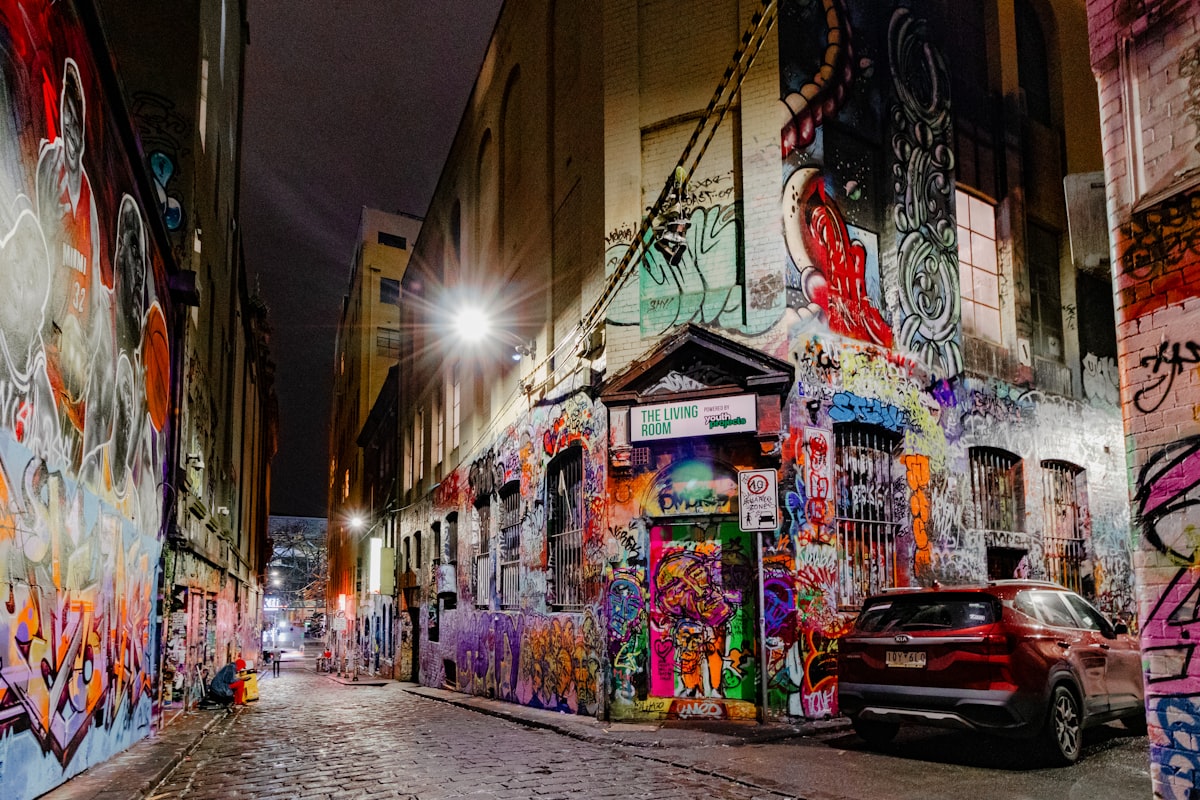
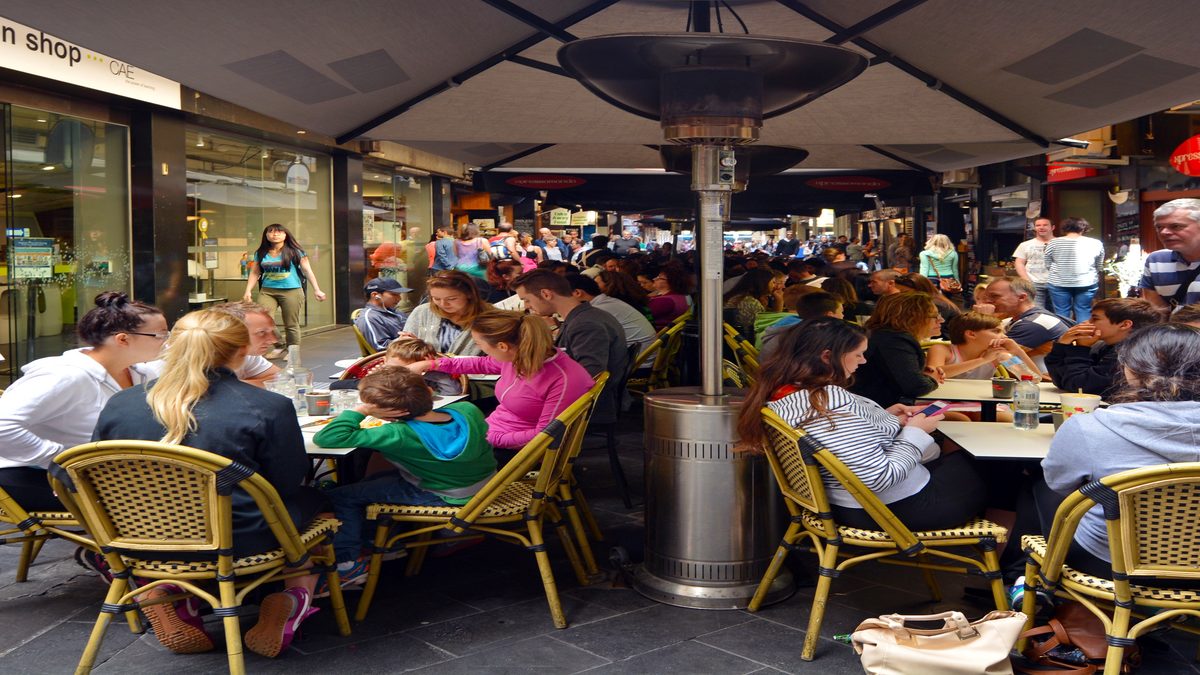
Fitzroy concentrates Melbourne’s most active mid-priced dining strip. Brunswick Street and Gertrude Street between them carry around 60 restaurants — casual bistros to white-tablecloth tasting rooms, plus wine bars that operate as neighbourhood living rooms after 7 pm. The Fitzroy restaurants guide maps the strip; for late-night specifically see our Fitzroy late-night Vietnamese coverage.
Carlton: Little Italy and beyond
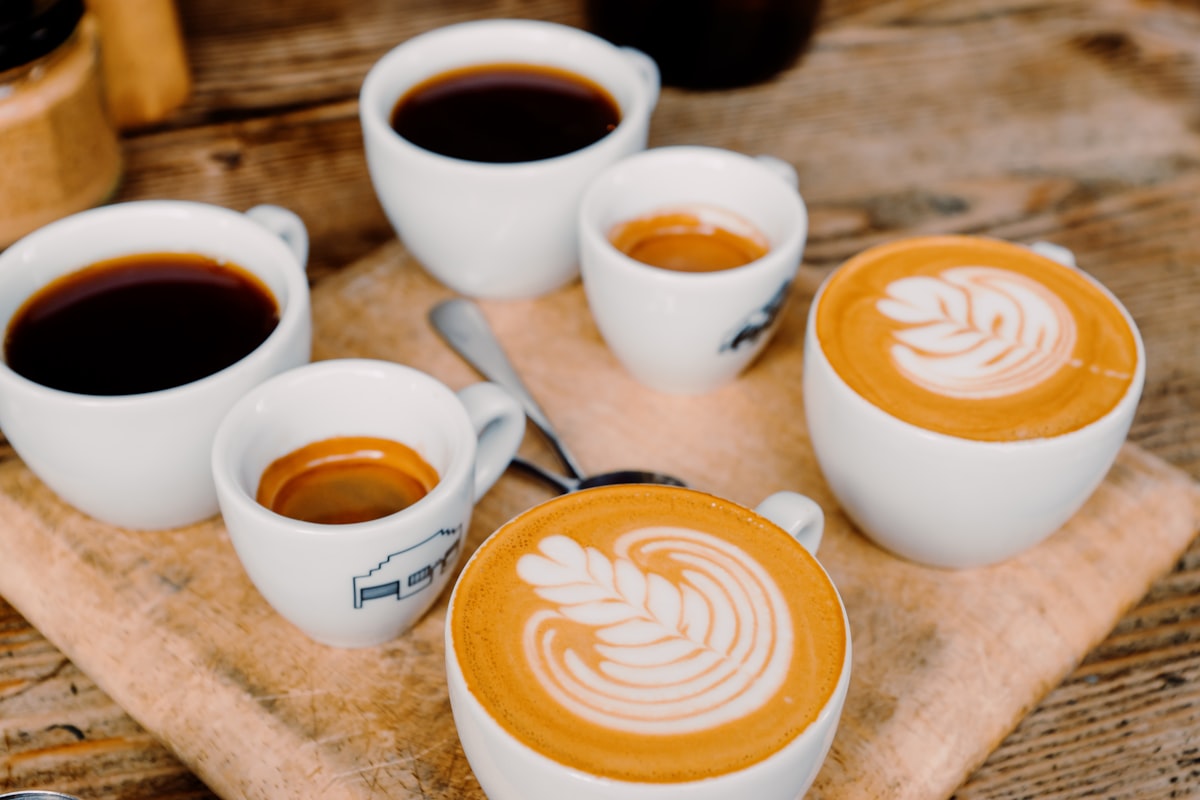
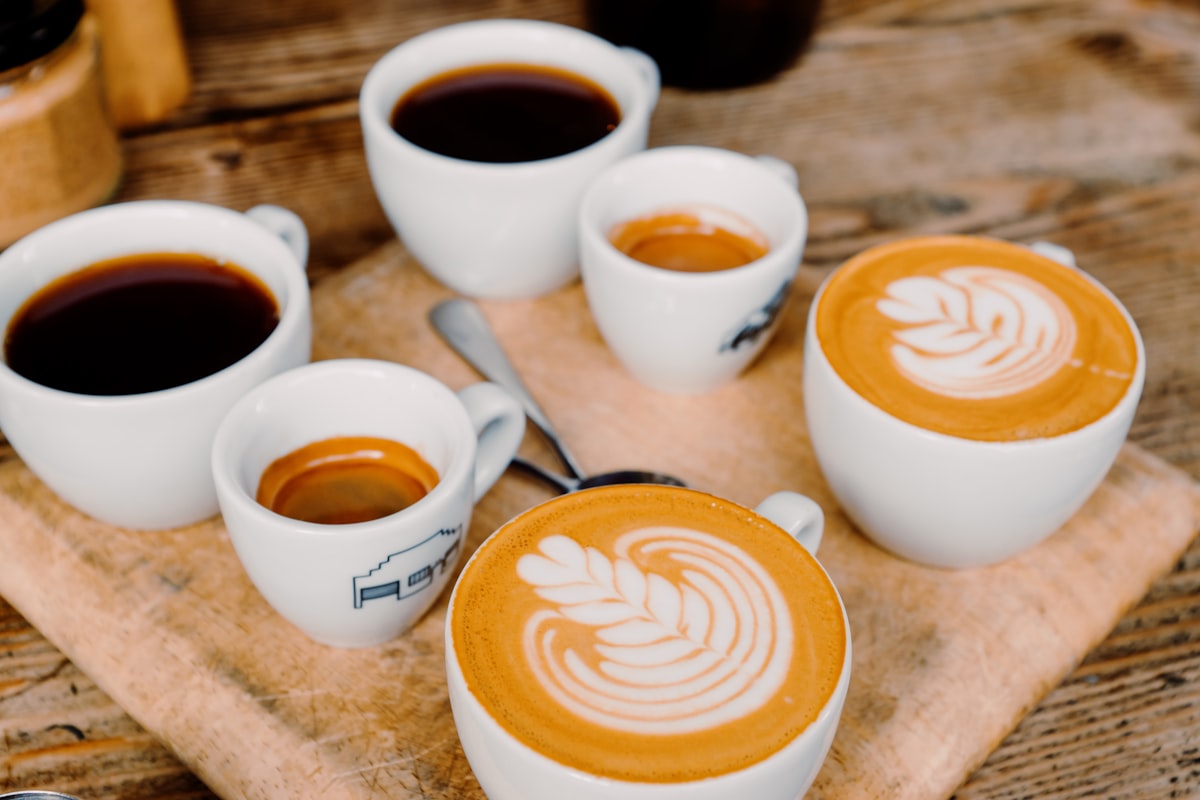
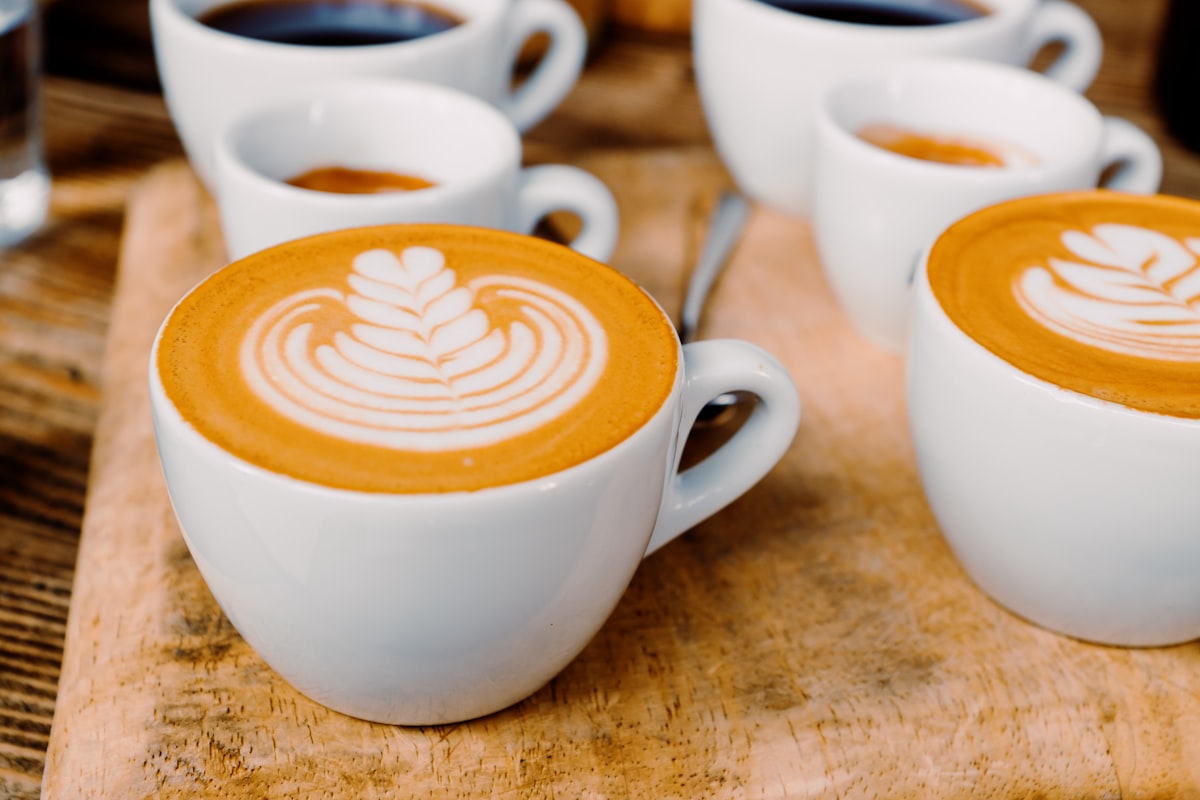
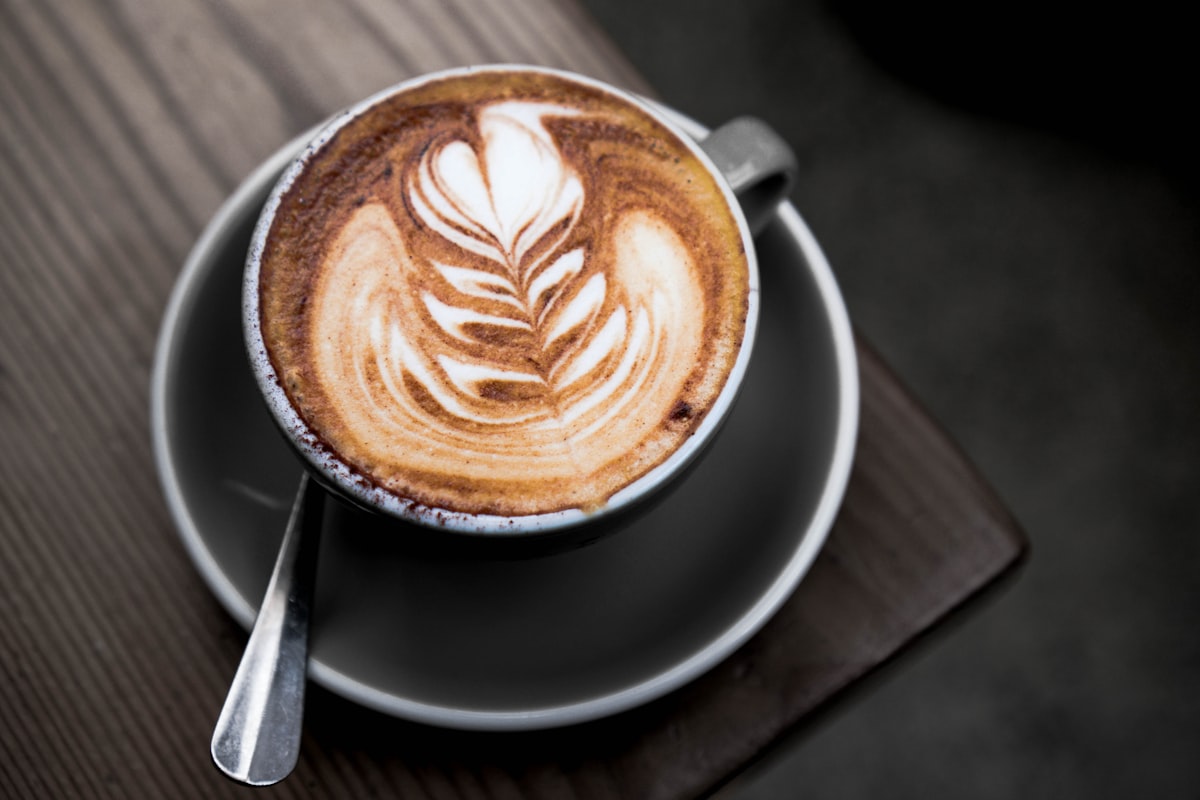
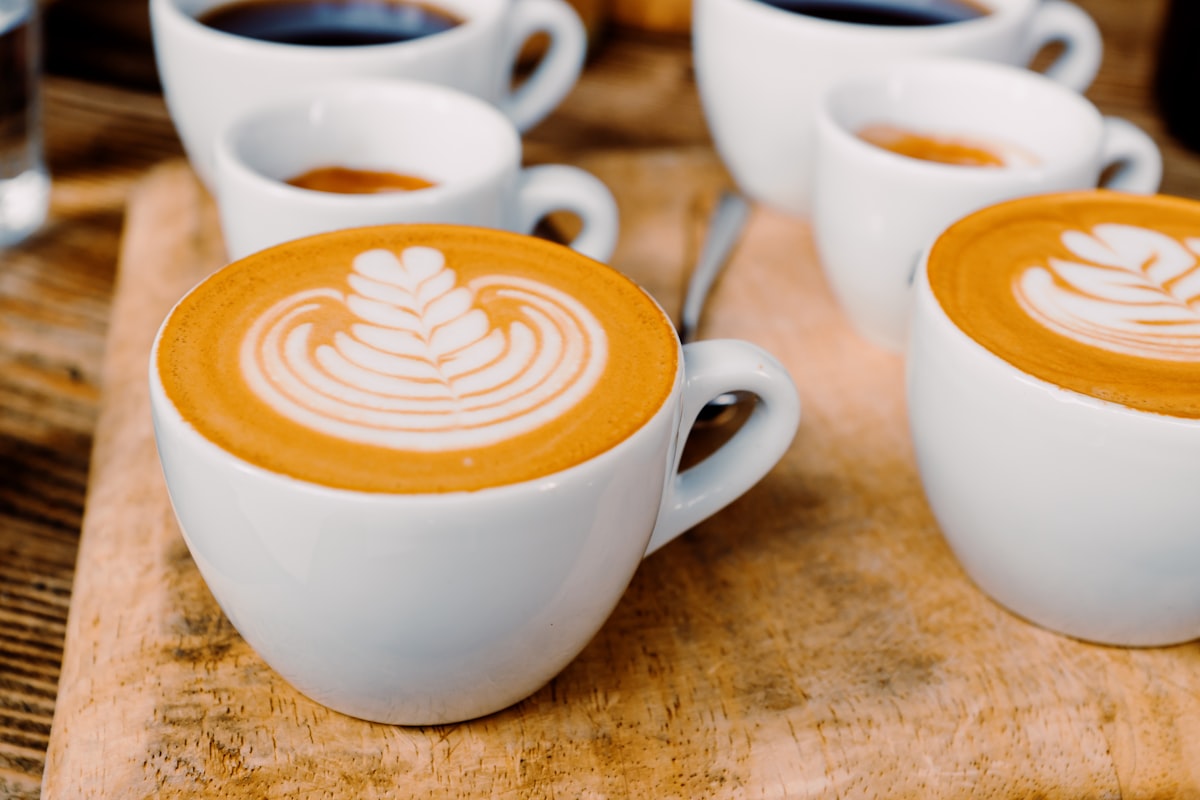
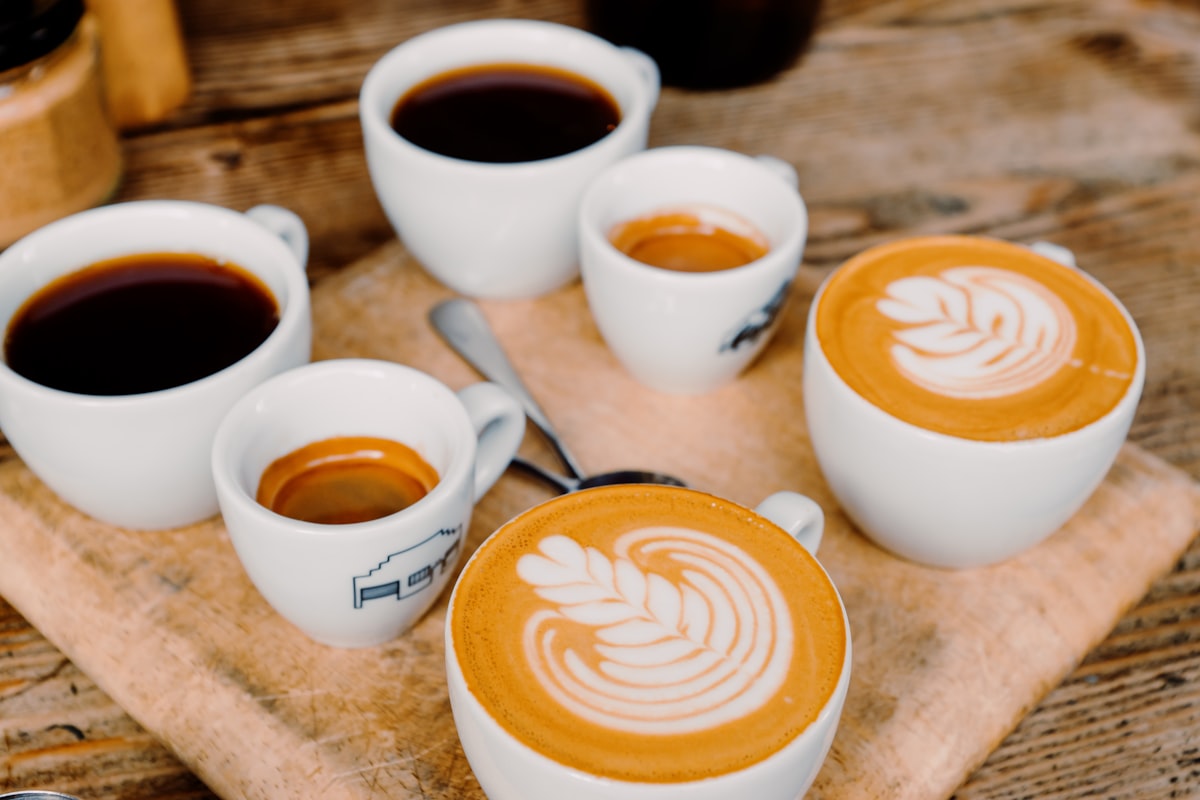
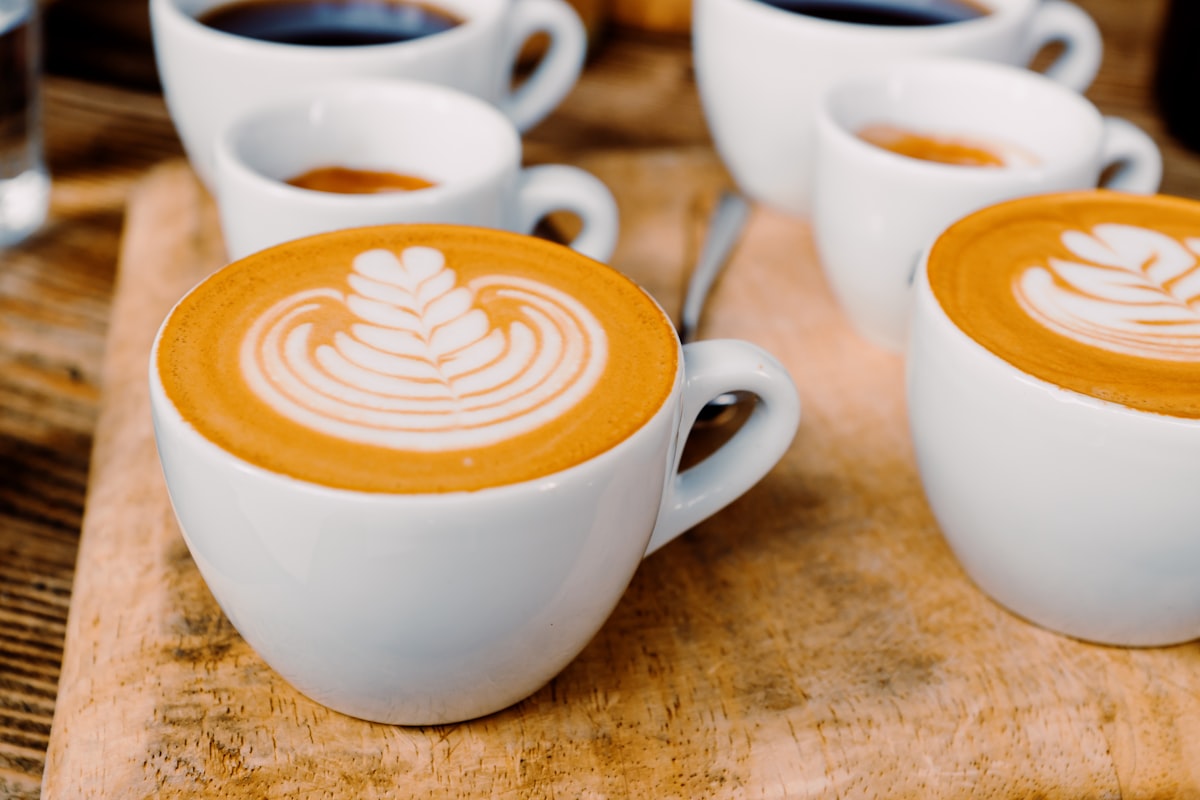
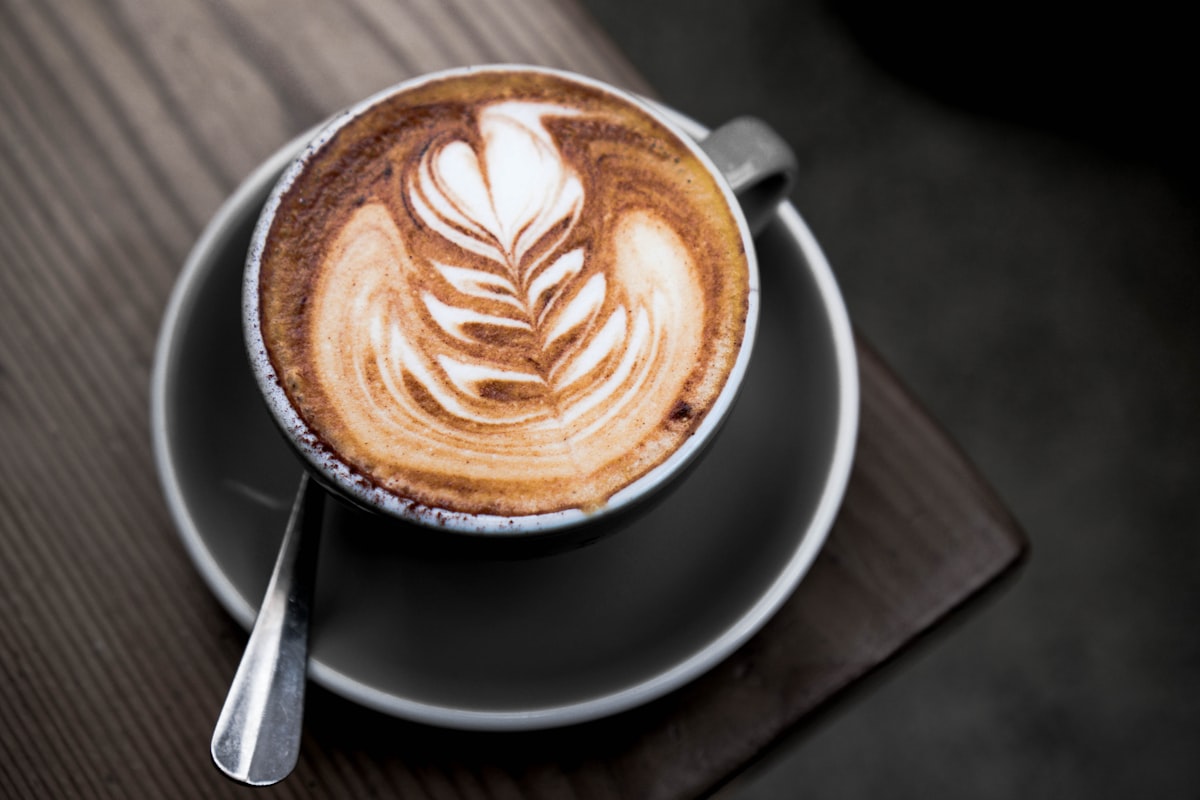
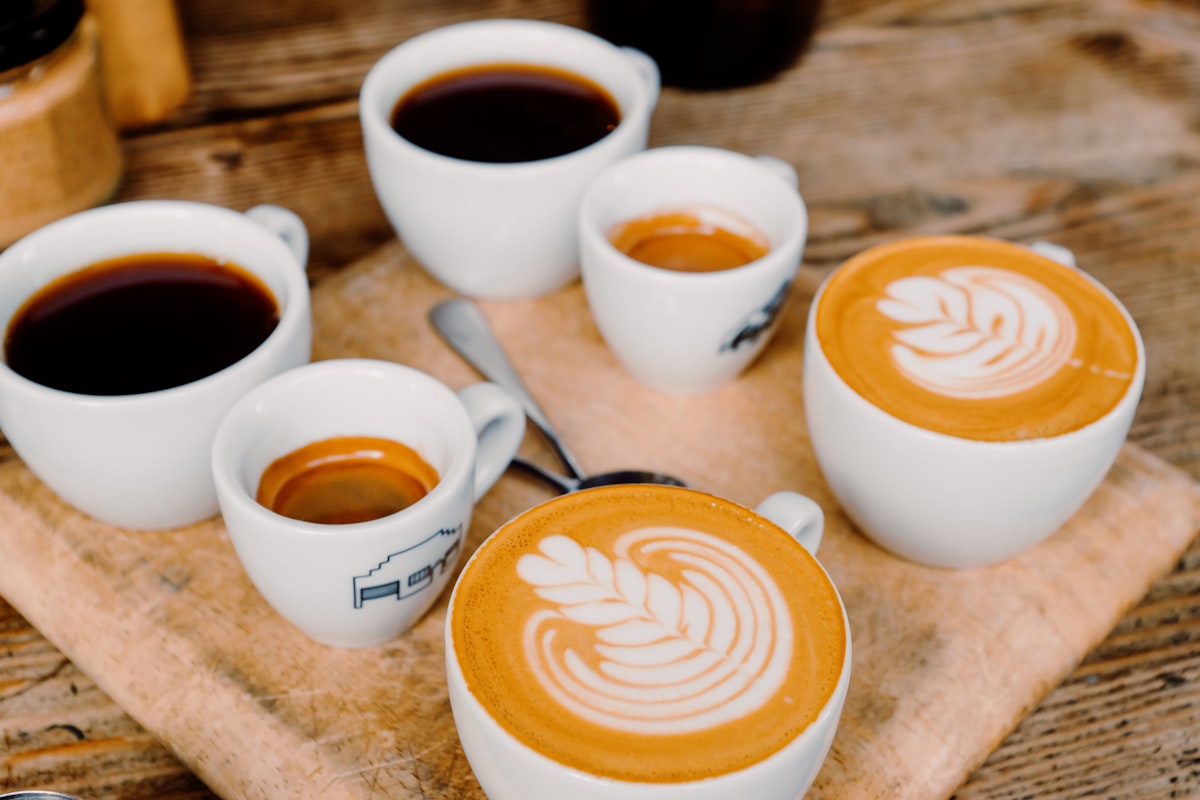
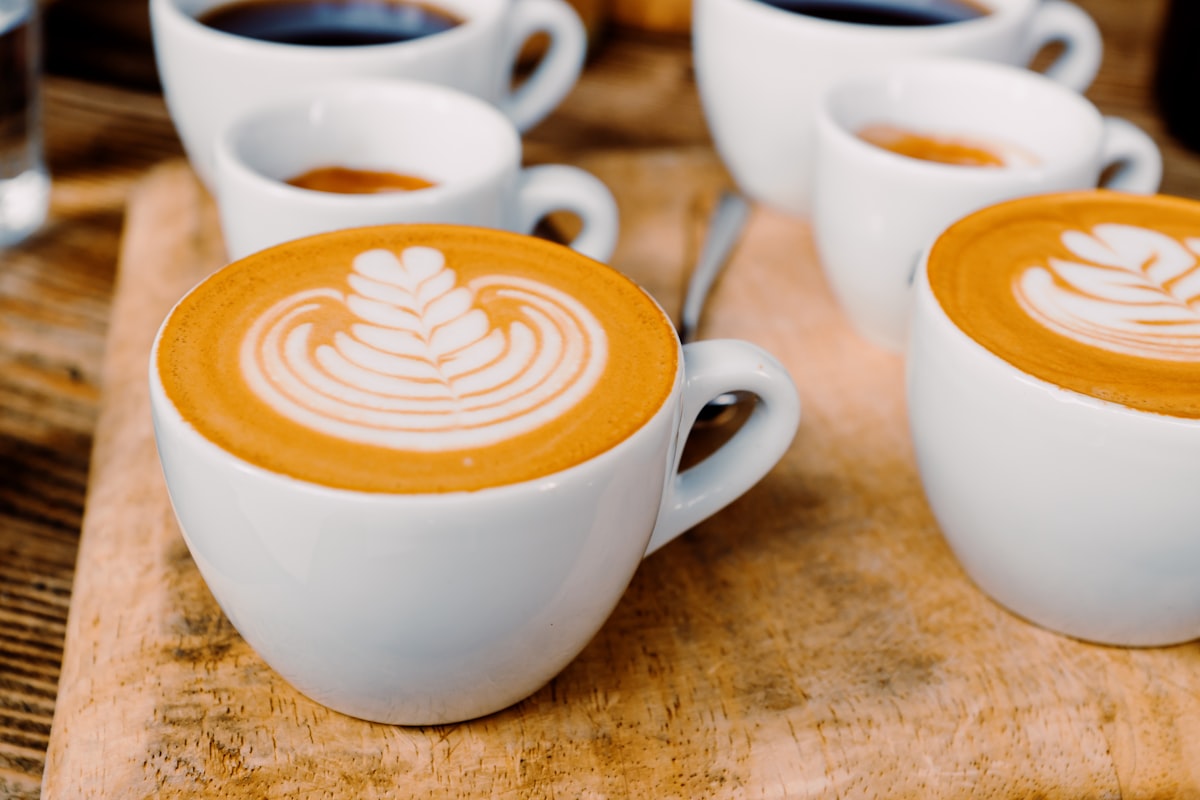
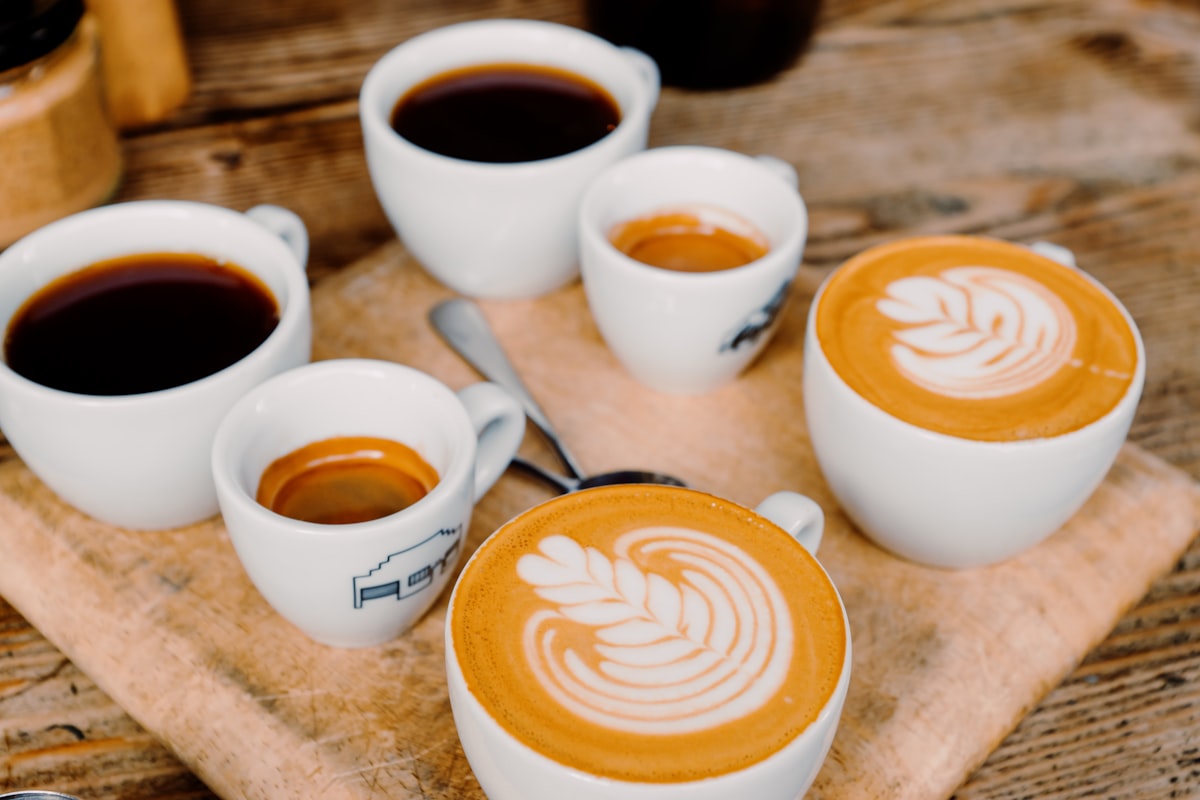
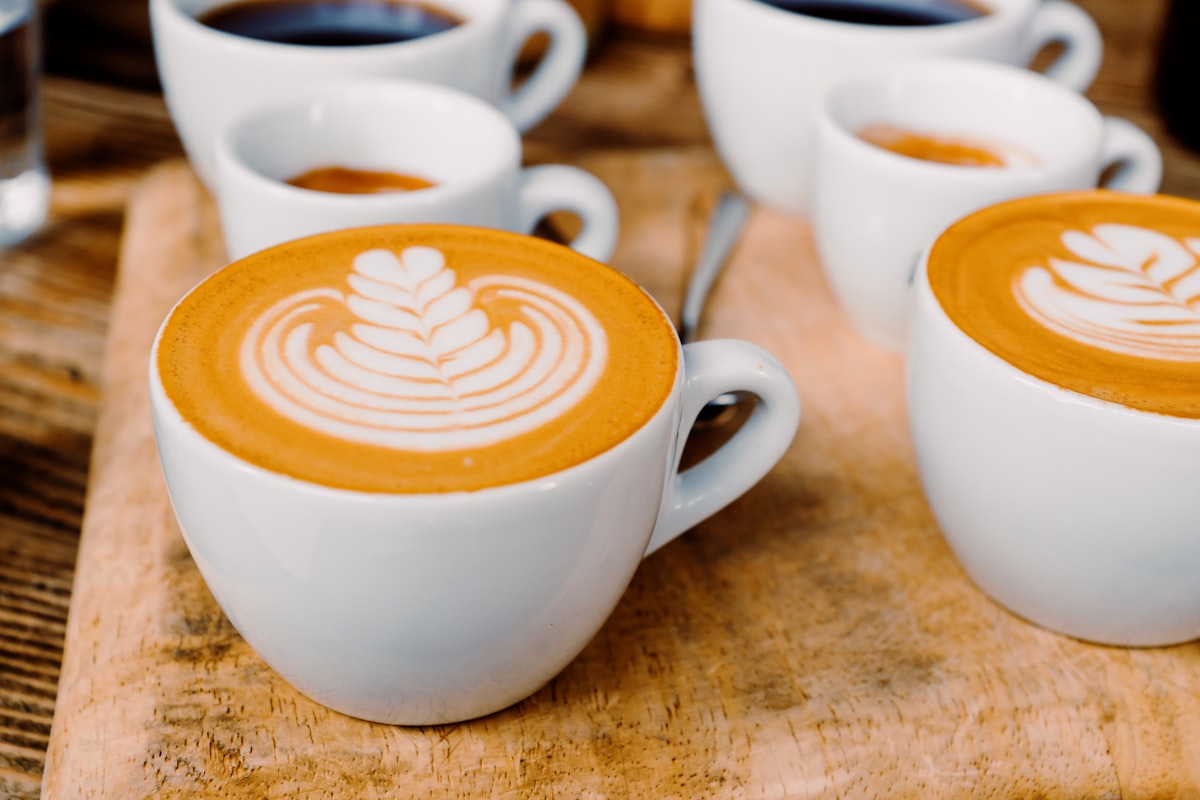
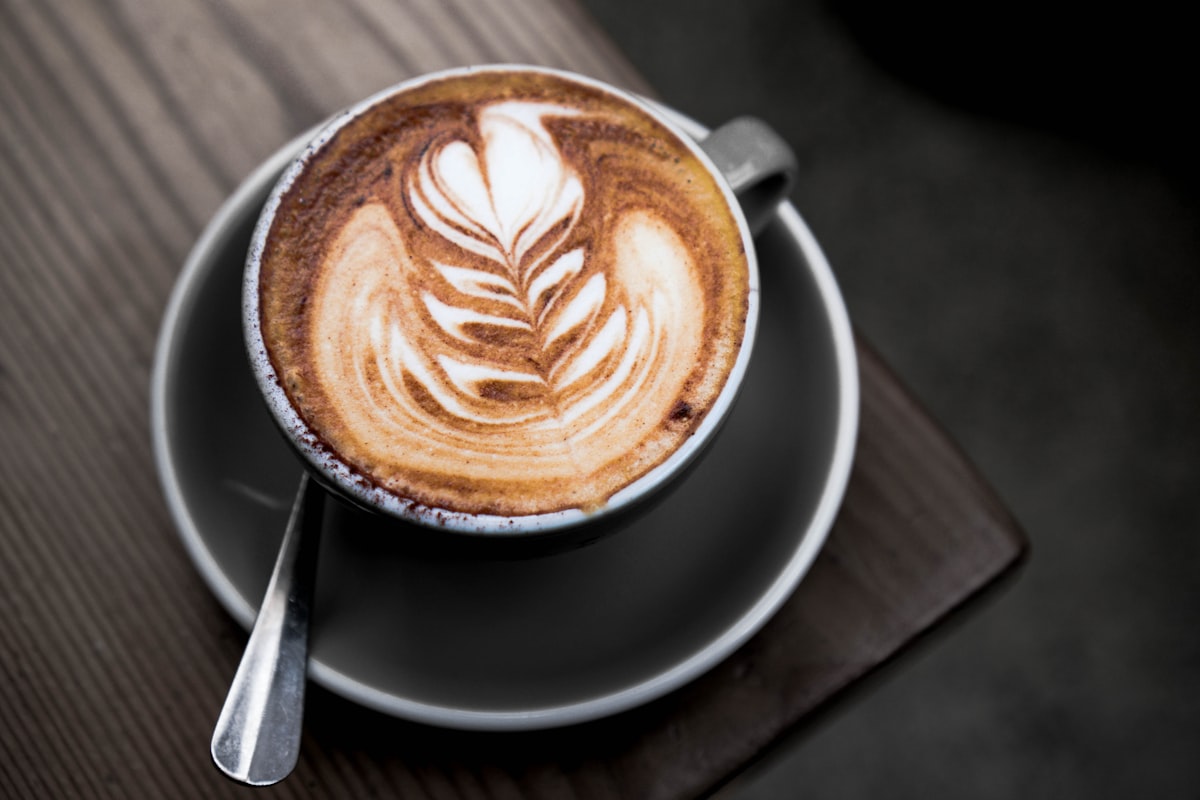
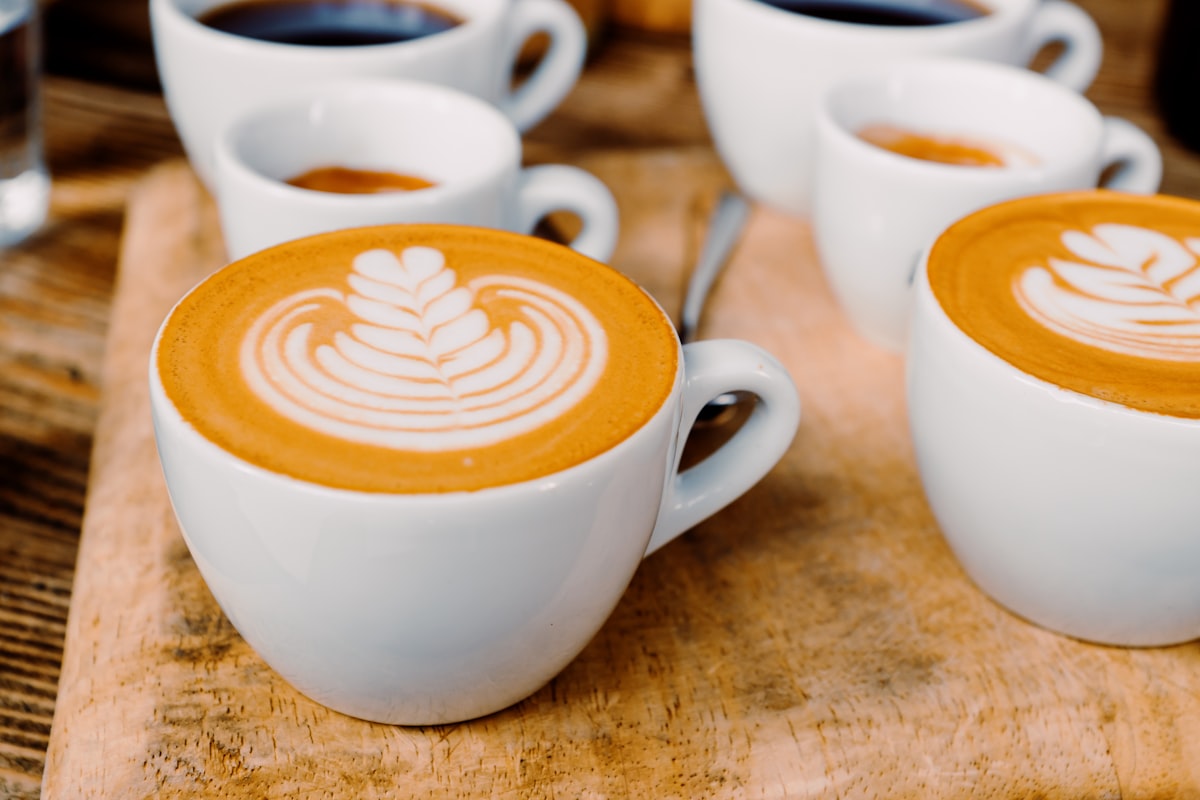
Carlton is where Melbourne’s coffee culture began (Pellegrini’s opened on Bourke Street in 1954; the Lygon Street espresso machines never stopped). Lygon Street still anchors Italian-Australian dining — trattorias, enotecas, gelato bars — alongside modern Australian kitchens, Korean fried-chicken joints, and third-wave roasters that crept in over the last decade. The Carlton cafes guide starts with the daytime layer; the trattorias take over after dark.
St Kilda: Bayside bites
St Kilda runs three distinct food layers: the Acland Street cake shops (Monarch and Le Bon since the 1930s), the Fitzroy Street trader strip, and the foreshore seafood pubs that anchor weekend trade. The tempo is unhurried, portions tend toward generous, and the foreshore moves with people from late afternoon onward. Our St Kilda fish-and-chips guide covers the bayside seafood specifically; broader St Kilda restaurants live on the suburb hub.
Brunswick, Collingwood, Richmond and beyond
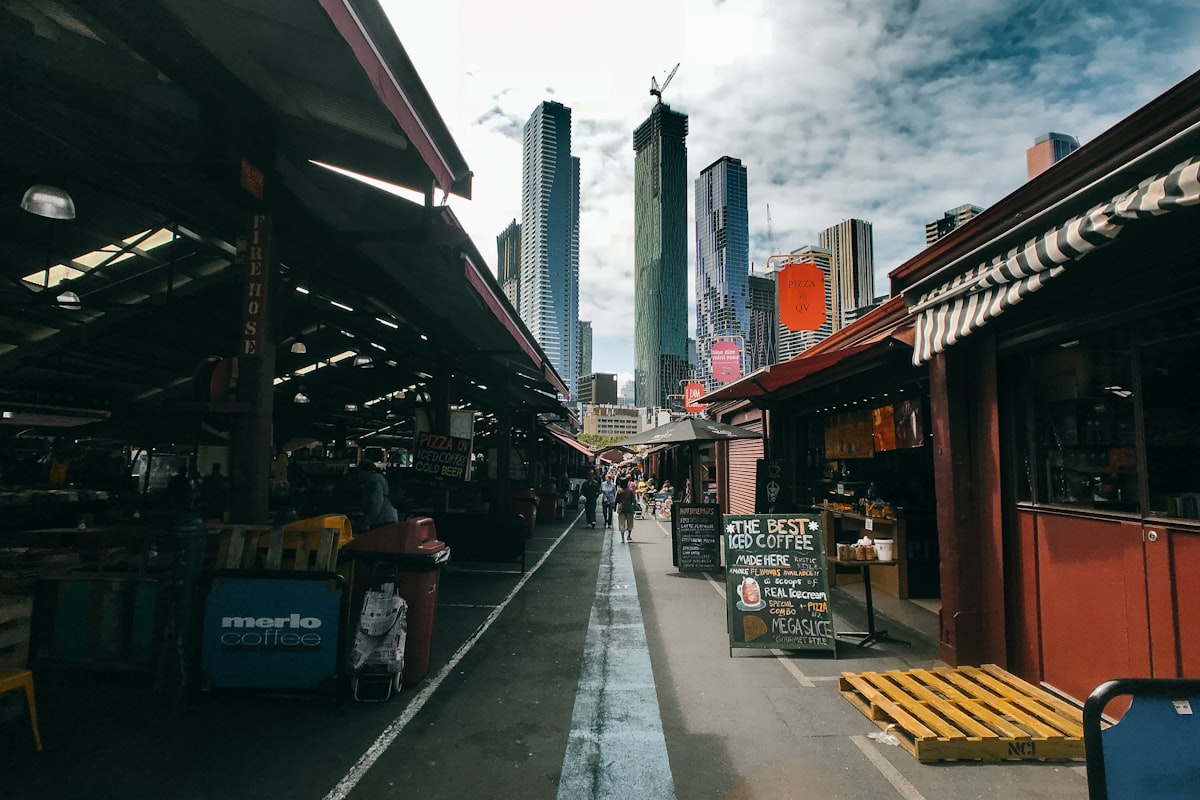
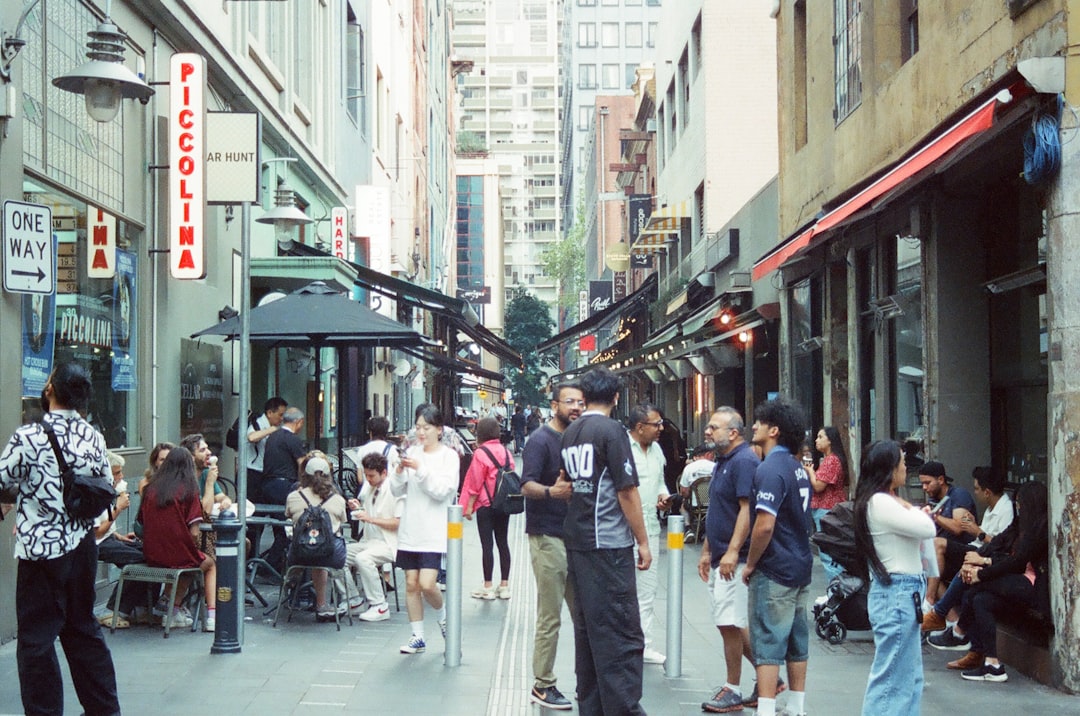
The inner-north and inner-east each operate a different food economy. Brunswick’s Sydney Road runs Middle Eastern and Lebanese bakeries past midnight; Collingwood’s Smith Street cafe strip has shifted toward third-wave roasters since 2020; Richmond’s Victoria Street is the city’s longest-running Vietnamese strip. Our suburb guides cover each: Brunswick fish-and-chips, Collingwood late-night Vietnamese, Richmond rent vs food trade-off.
Frequently asked questions
What’s the best food suburb in Melbourne?
Depends on the meal. Fitzroy concentrates the densest mix of cuisines per square kilometre (Indian, Ethiopian, Italian, modern Australian within a 600 m radius of Brunswick Street). Carlton anchors Italian heritage and 1950s-origin coffee culture. St Kilda owns seafood and beachfront pubs. The three sit 15-20 minutes apart by tram — walk Smith-Brunswick-Lygon-Fitzroy on a single Saturday and you’ll have your answer.
Is Melbourne expensive for eating out?
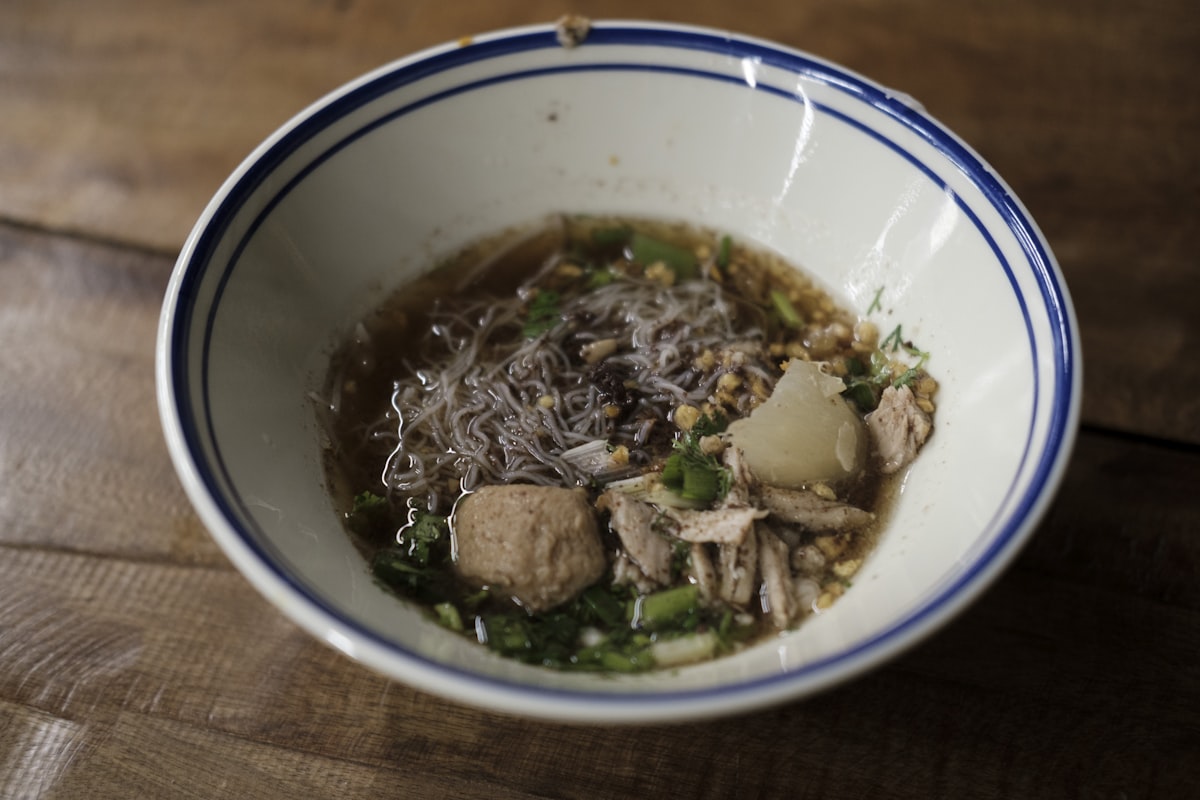
It can be, but plenty of room to eat well cheaply. Melbourne’s $10–$15 bracket covers banh mi (Footscray, Richmond), bowls of pho or ramen (Springvale, CBD), $7–$12 slices of pizza (Brunswick), and pub parmas under $20 (most inner-suburban pubs on weekday specials). Mid-range mains usually $25–$40, fine-dining tasting menus $90–$220 — generally lower than Sydney for comparable quality. Our cost-of-living food breakdown has the per-suburb numbers.
Do I need to book restaurants in advance?
For popular spots, especially on weekends, yes. Many of Melbourne’s best restaurants are small and fill up days or weeks ahead. Use online booking platforms like Resy, OpenTable or the restaurant’s own website. For casual cafes and pubs, walk-ins are usually fine, but there might be a wait during peak times.
What’s the tipping culture in Melbourne?
Tipping is not expected in Australia—staff are paid a living wage. That said, if you receive exceptional service, a tip of 5-10% is appreciated but never obligatory. Some restaurants add a weekend or public-holiday surcharge (usually 10-15%), which will be clearly noted on the menu.
Keep exploring
Food is just one part of Melbourne’s suburb story. Dive into our nightlife guide for the best bars and live music, or check the live Suburb Vibe Score to see which neighbourhoods are buzzing right now. And if you’re after the absolute best of the best, don’t miss our master list of Melbourne’s top restaurants, ranked suburb by suburb.