You are choosing between Box Hill and Doncaster because the spreadsheet says both work, but your weekdays will feel completely different. Pick Box Hill if trains, school-zone ambition, and dense food matter. Pick Doncaster if space, car life, and Westfield convenience matter more.
The Verdict
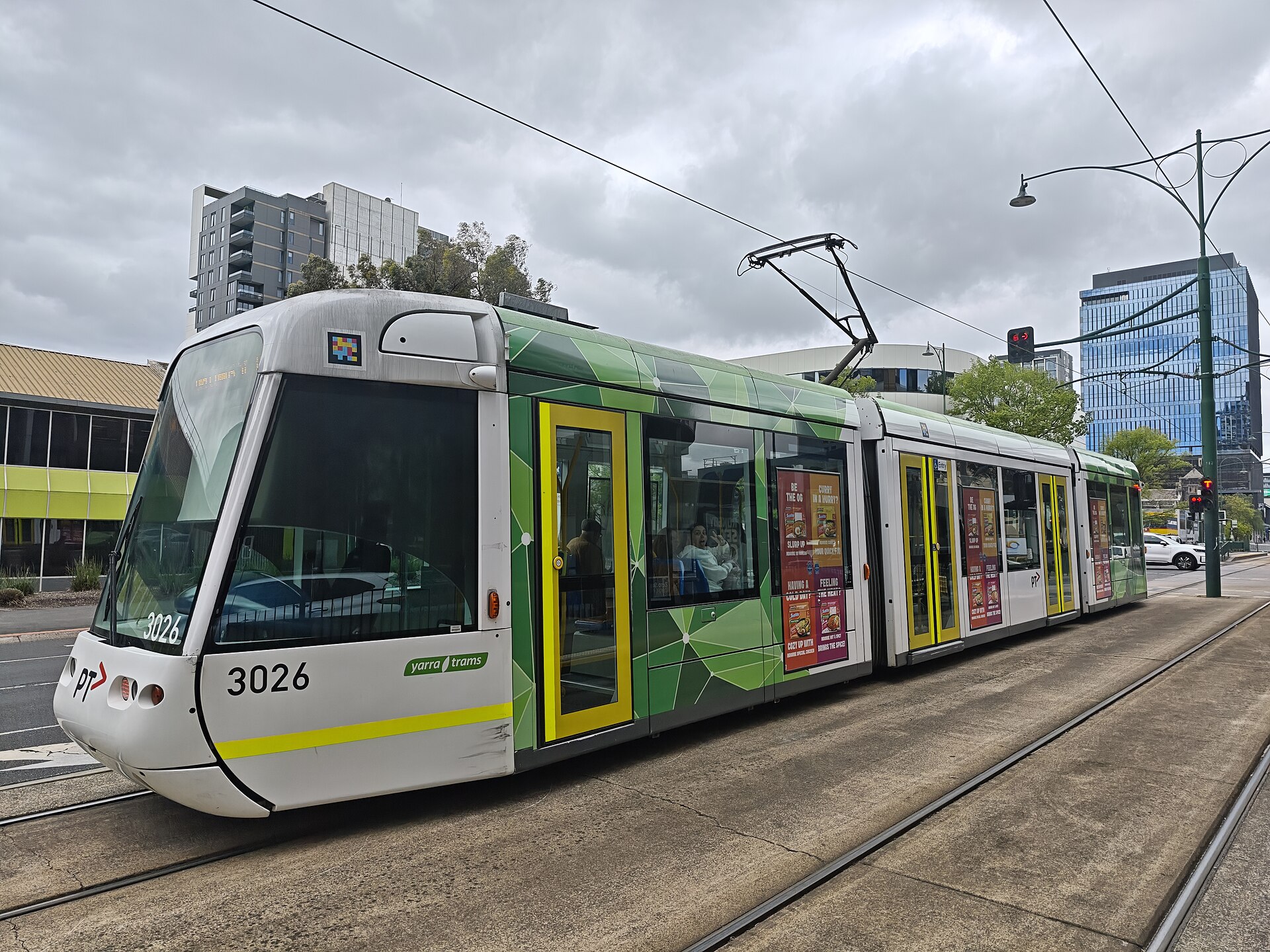
Box Hill is the better default family pick if you only read one section, because the train station changes daily life more than Doncaster’s bigger blocks do. The Lilydale/Belgrave line gives you a roughly 25-minute CBD run, tram 109 finishes at Box Hill, and Box Hill Central puts groceries, cheap Asian food, and quick dinners in one dense hub. For families juggling school runs, tutoring, work commutes, and weeknight meals, that kind of friction removal matters. Box Hill High School is also the obvious trump card for academically focused families, and it is the reason some buyers will tolerate smaller blocks or apartment density around the station.
Doncaster still wins for families who want a quieter residential feel and more house for the way they live. Its median house price sits around $1.55m versus Box Hill’s $1.45m, but the difference is block size and newer housing, not just suburb bragging rights. Westfield Doncaster is easier with kids than a street-by-street errand run, and Doncaster Park gives the suburb a proper recreation anchor. The catch is transport: no train means bus, car, or a hybrid commute, often 30-45 minutes depending on the day, with SmartBus 902, 906, and 907 doing useful work but never quite replacing rail. Don’t choose Doncaster while secretly hoping the commute will feel like Box Hill’s. It won’t, and you’ll resent it by winter.
Local Reality
Box Hill feels busy because it is busy. Around Box Hill Central and Whitehorse Road, Saturday foot traffic is real: groceries, food court runs, yum cha, students, families, and people transferring between train, tram, and buses. That density is the point. You can get dinner, top up Asian groceries, and move a child between activities without driving across three suburbs. Whitehorse Activity Centre adds another practical family stop, and Deakin Burwood is close enough that students and university-linked households keep the area moving beyond the standard school-run rhythm.
Doncaster is more spread out and more car-shaped. Westfield Doncaster is the anchor, so errands tend to become one big indoor stop rather than a walkable strip. Doncaster Park is the local outdoor counterweight, and the Eastern Freeway is genuinely useful if your household already drives. Parking is usually less mentally taxing than Box Hill, but peak Westfield periods can still chew up time, especially around weekends and Christmas retail season.
Skip Box Hill if you hate density, apartment towers, and station precinct noise. Skip Doncaster if one adult needs a reliable public-transport commute every weekday. If you’re west of Box Hill and already tied to Burwood routines, Box Hill probably fits better. If your life points toward the Eastern Freeway, Doncaster starts to feel more natural.
Who This Suits
If you’re a train-commuter family, pick Box Hill. If you’re an academic-school-zone family, start with Box Hill because Box Hill High School is the decision-maker. If you’re an Asian-Australian family that wants dense groceries, casual meals, and familiar food culture close by, Box Hill is the stronger everyday fit. If you’re a space-first family with two cars and weekend sport logistics, pick Doncaster. If you’re a mall-convenience family who likes doing shopping, food, errands, and kids’ needs in one controlled place, Doncaster is the cleaner match.
Cost-wise, do not pretend there is a bargain suburb here. Box Hill’s median house price is about $1.45m, while Doncaster’s is about $1.55m because the blocks tend to be larger. Apartments are closer: Box Hill 2-bed apartments sit around $580 per week, and Doncaster 2-bed apartments around $560 per week. The real choice is not a simple cheaper-versus-expensive split. It is whether you pay for train-linked density or car-based space.
Time of day matters. Box Hill is strongest on weekdays when the train, tram, food, and shopping density reduce errands. It can feel hectic on Saturday around Box Hill Central. Doncaster is strongest for weekend family logistics, especially if Westfield Doncaster is already part of your routine. It weakens during peak commute hours because every trip depends more heavily on roads, buses, and timing. In school terms, Box Hill rewards precision about catchments; Doncaster rewards households that want flexibility across St Charles Primary, Doncaster Secondary, and private-school options nearby.
What to Do Next
If train access is even slightly important, inspect Box Hill first and test the station-to-home walk at school-pickup time. If space matters more, spend a Saturday around Westfield Doncaster and Doncaster Park, then read Doncaster vs Templestowe.
Tom Hartigan writes regional and outer-suburb stories for MELBZ.