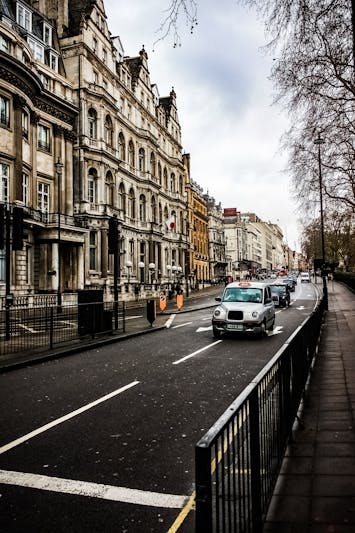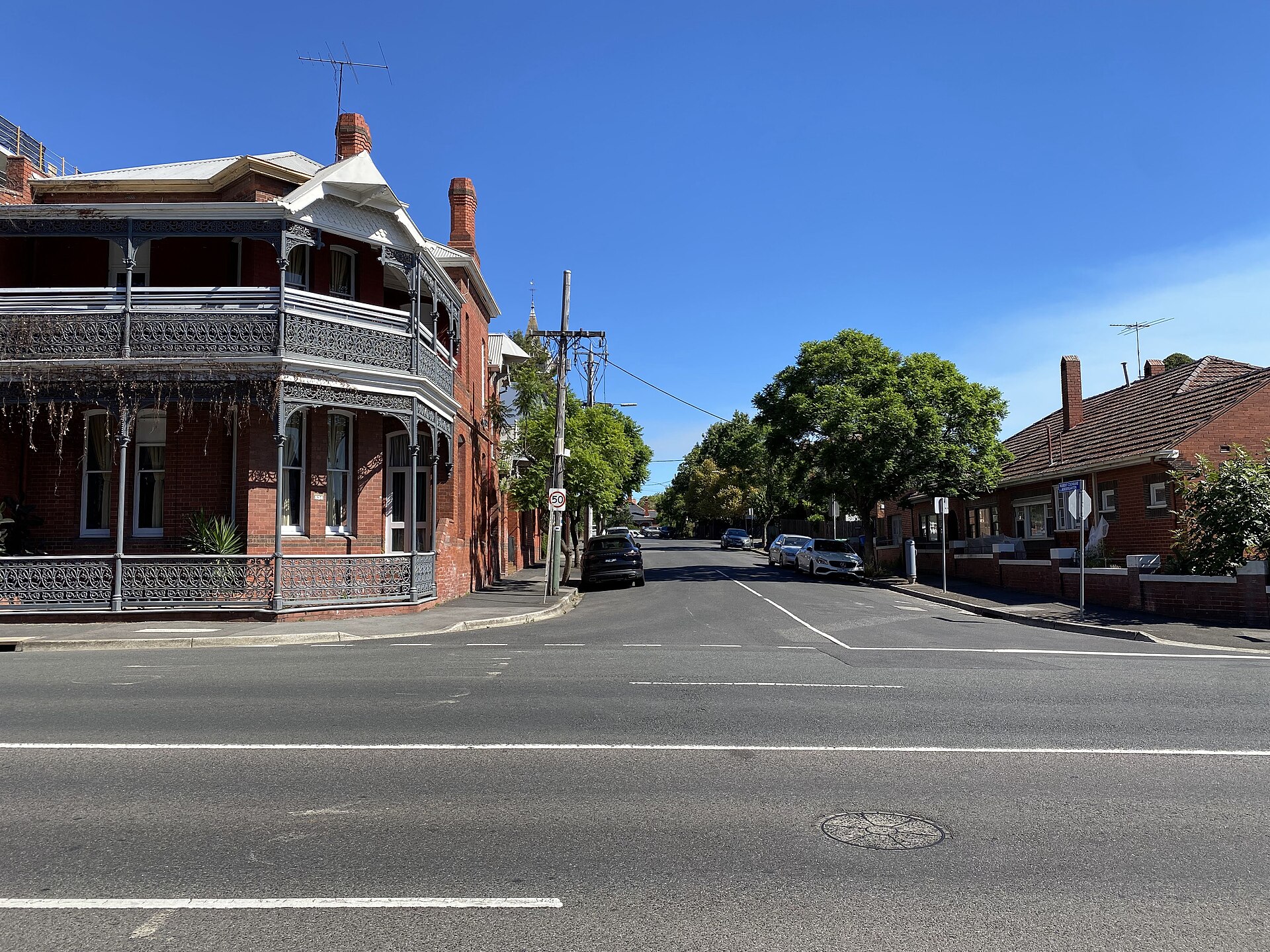
Glenferrie Road cafes, Swinburne University, heritage homes on tree-lined streets, and one of Melbourne’s best-connected inner-east postcodes. Hawthorn (3122) sits about six kilometres east of the CBD in the City of Boroondara, and it delivers a lifestyle that balances family appeal with genuine urban convenience.
If you’re thinking about living in Hawthorn, visiting for the first time, or trying to work out whether this suburb is worth your Saturday afternoon — here’s the honest rundown.
Where Is Hawthorn?
Hawthorn sits in Melbourne’s inner east, bounded by the Yarra River to the north and bordered by Kew, Camberwell, Richmond, and Hawthorn East. It’s roughly six kilometres from the CBD — close enough to feel connected, far enough to feel residential.
The postcode is 3122 and the suburb falls within the City of Boroondara council area. That matters for rates, planning rules, and the general standard of services you can expect.
What’s Hawthorn Actually Like?
Glenferrie Road is the spine of the suburb — a busy shopping and dining strip anchored by Swinburne University at one end and lined with cafes, restaurants, and independent shops. Burwood Road runs east-west and carries tram route 72, while Auburn Road and Church Street add their own character.
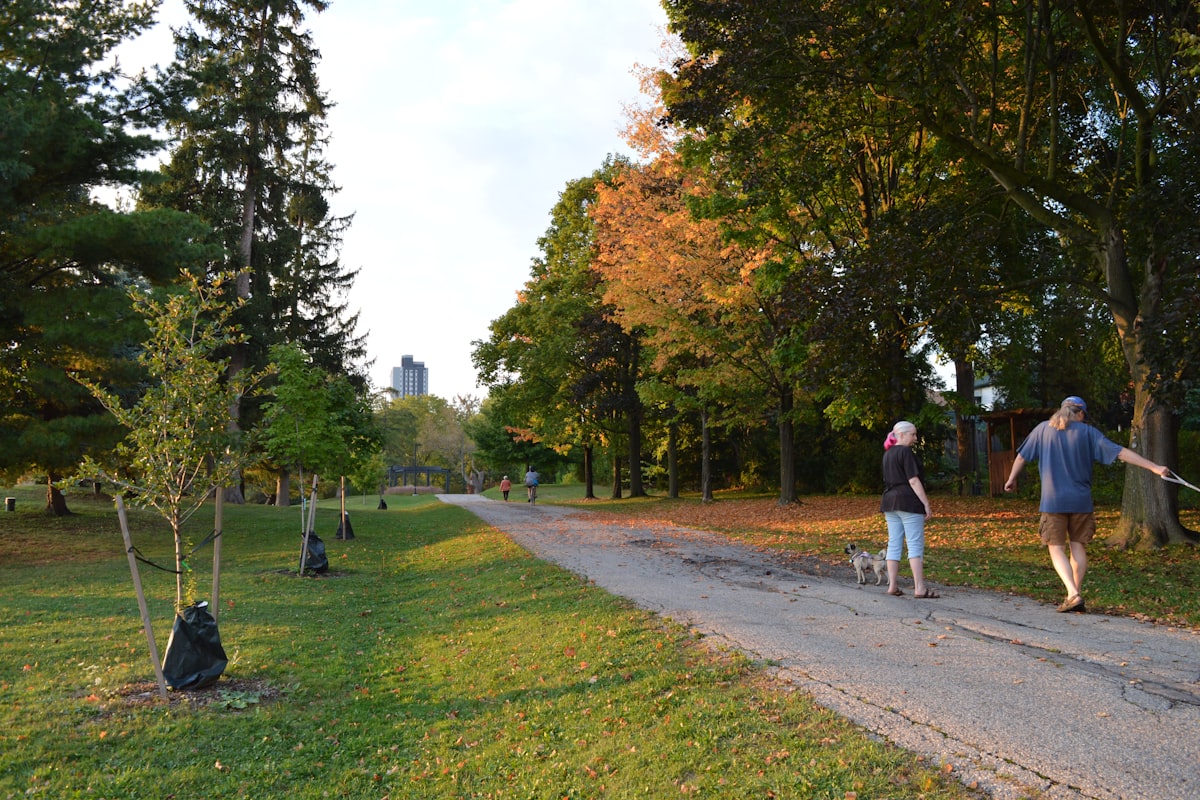
The residential streets off the main strips are genuinely beautiful. Mature elms and plane trees create proper canopy cover, and the mix of Victorian-era homes, Edwardian terraces, and contemporary townhouses gives the suburb architectural variety.
The energy is calm but not boring. Swinburne students keep Glenferrie Road lively during the week, families fill the parks on weekends, and the cafe scene is competitive enough that quality stays high.
Who Lives in Hawthorn?
A genuine mix. Young professionals renting near Glenferrie station, families drawn by strong school catchments, Swinburne students in share houses, downsizers in newer apartments, and long-term residents who’ve watched the suburb evolve over decades.
The Hawthorn Football Club connection runs deep — brown and gold flags appear on porches during AFL season, and match-day energy is real even though the Hawks now play home games at the MCG.
Getting Around Hawthorn
Transport is one of Hawthorn’s strongest cards. Two train stations serve the suburb: Hawthorn station and Glenferrie station, both on the Glen Waverley and Lilydale/Belgrave lines. You’re at Flinders Street in 15-20 minutes.
Tram route 16 runs along Glenferrie Road and tram route 72 runs along Burwood Road, both connecting directly to the CBD. Cycling infrastructure along the Yarra Trail is excellent for commuters and weekend riders.
Full breakdown: Hawthorn Transport Guide
Eating and Drinking in Hawthorn
The food scene clusters along Glenferrie Road and Burwood Road, with solid options on Auburn Road too. You’ll find everything from Malaysian hawker food at Petaling Street to Japanese izakaya plates at Izakaya Jiro, proper brunch at Porgie + Mr Jones, and reliable pub meals at The Hawthorn Hotel.
Coffee is sorted — Axil Coffee Roasters on Burwood Road is a standout, and the Glenferrie Road strip has enough competition that bad coffee doesn’t last long here.
Dive deeper: Best Restaurants | Best Cafes | Cheap Eats | Best Asian Food
Housing in Hawthorn
The housing stock tells the story of how the suburb has evolved. Victorian and Edwardian homes on the quieter streets, 1970s apartment blocks along Burwood Road, and newer townhouse developments near Swinburne. Heritage properties attract renovation-minded buyers, while the apartment market serves first-home buyers and investors.
Renting is competitive — vacancy rates sit around 1.3% and good properties attract multiple applications. Expect to pay $420-$480/week for a one-bedroom apartment, $550-$620 for a two-bedroom, and $750-$900 for a three-bedroom house.
More detail: Rent Guide | Property Market | Cost of Living
Is Hawthorn Right for You?
You’ll love Hawthorn if:
- You want strong school catchments in the City of Boroondara
- You value fast train access to the CBD (15-20 minutes from Glenferrie station)
- You like having a walkable main strip with genuine variety on Glenferrie Road
- You appreciate leafy streets with heritage character
- You want a suburb with community feel that isn’t pretending to be something it’s not
It might not suit you if:
- You want buzzing nightlife on your doorstep — Hawthorn quiets down early
- Budget is tight — this is premium inner-east territory
- You need a big backyard — family homes with space come at a serious premium
- You prefer the gritty energy of suburbs like Fitzroy or Collingwood
FAQ
What council is Hawthorn in? City of Boroondara. The council manages local planning, parks, waste collection, and community services across Hawthorn and neighbouring suburbs including Kew, Camberwell, and Canterbury.
What train line is Hawthorn on? Hawthorn station and Glenferrie station are both served by the Glen Waverley line and the Lilydale/Belgrave lines. Trains run frequently during peak hours and get you to Flinders Street in 15-20 minutes.
Is Hawthorn expensive? By Melbourne standards, yes. It’s inner-east premium territory. A single person needs roughly $75K+ salary to live comfortably, or $130K+ combined for a couple wanting to save meaningfully. It’s cheaper than Kew but pricier than Richmond.
What is Hawthorn known for? Swinburne University, the Glenferrie Road shopping strip, heritage homes on leafy streets, strong schools in the Boroondara catchment, and the Hawthorn Football Club (AFL).
Living Here — The Deep Dive
- Hawthorn Honest Guide — Pros, cons, and the unfiltered truth
- Family Guide — Schools, parks, safety, the works
- Young Professionals Guide — Social scene, commute, renting
- Retirees Guide — Quiet streets, healthcare, community
- Cost of Living — Rent, daily costs, and how it compares
- Transport Guide — Trains, trams, bikes, driving
- History of Hawthorn — How this suburb became what it is today
Suburbs Near Hawthorn
- Kew — Established family suburb with Studley Park bushland, High Street cafes, and top schools. The quieter, pricier sibling to the north.
- Camberwell — Camberwell Junction shopping, the famous Sunday market, and heritage homes. Similar demographics, slightly further from the CBD.
- Richmond — Bridge Road shopping, Victoria Street Vietnamese food, and Swan Street’s pub scene. Cheaper, grittier, and better nightlife.
- Hawthorn East — Quieter extension of Hawthorn with Auburn Village shops and easy access to Camberwell amenities.