Kensington Local Discoveries (2026): Beyond the Main Strip
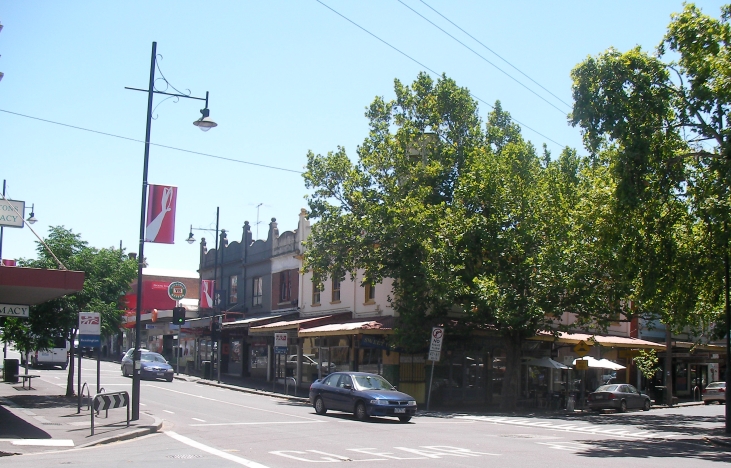
Kensington (3031) has more to offer than its main commercial strip. For residents and visitors willing to walk a few blocks further, the suburb reveals quieter spots, local businesses, and community resources that do not appear in most guides.
Side Streets and Laneways
The blocks behind Kensington’s main strip contain:
- Small cafes with loyal local followings and lower prices than the main road
- Specialist shops including independent bookshops, record stores, and boutique retailers
- Studios and galleries in converted residential and commercial spaces
- Community gardens maintained by local residents
Local Markets
Kensington and surrounding suburbs host markets that range from weekly produce markets to monthly artisan and makers markets. These are gathering points for the local community and a good entry point for new residents.
Community Spaces
Resources that Kensington residents use but visitors rarely find:
- Neighbourhood houses running free and low-cost workshops, language classes, and social groups
- Community centres with meeting rooms, event spaces, and council-run programs
- Sports clubs welcoming new members for social and competitive leagues
Walking Routes
Three walks that reveal Kensington’s character:
- The main strip extended (30 min): Walk past the commercial centre in either direction to see where the suburb transitions to residential. The architecture changes noticeably within a few blocks – Victorian terraces, Edwardian cottages, 1960s brick flats, and modern townhouses tell the suburb’s development story.
- The creek or river trail (45-60 min): If Kensington has a waterway nearby, follow it for a perspective the streets do not provide. Creek trails in inner Melbourne pass through native vegetation pockets, under heritage bridges, and alongside community gardens.
- The back streets loop (30 min): A walk through residential side streets reveals front gardens, local streetscape character, and the occasional cat observing you from a windowsill. This is how you learn whether you want to live in a suburb.
Architecture and Streetscape
Kensington’s residential streets contain a mix of:
- Victorian terraces (1870s-1900s): Narrow frontages, decorative ironwork, front verandahs. These are the most sought-after housing stock in inner Melbourne and have been renovated extensively.
- Edwardian houses (1900s-1920s): Slightly wider blocks, timber detailing, and front gardens. Well-maintained examples command strong prices.
- Interwar bungalows (1920s-1940s): Clinker brick, California bungalow style. Less common in the innermost suburbs.
- Post-war flats (1950s-1970s): Brick apartment blocks, typically 3-4 stories. Affordable but often dated internally.
- Modern townhouses and apartments (2000s-present): Contemporary design, smaller footprints, sometimes at odds with the heritage streetscape.
Local Markets
Kensington and surrounding suburbs host markets that range from weekly produce markets to monthly artisan and makers markets. These are gathering points for the local community and a good entry point for new residents. Market days vary by season – check council and community noticeboards for current schedules.
Common market types in inner Melbourne:
- Farmers markets: Fresh produce direct from growers, typically monthly. Prices are 10-30% below supermarket for equivalent quality.
- Artisan and makers markets: Handmade goods, art, clothing, and food. Monthly or seasonal.
- Flea markets and vintage: Second-hand goods, furniture, books, and records. Variable schedules.
Community Spaces
Resources that Kensington residents use but visitors rarely find:
- Neighbourhood houses running free and low-cost workshops, language classes, and social groups
- Community centres with meeting rooms, event spaces, and council-run programs
- Men’s sheds offering woodworking, metalwork, and community connection
- Sports clubs welcoming new members for social and competitive leagues (AFL, cricket, soccer, netball, tennis)
- Community gardens with plots available for residents (waitlists apply at popular sites)
Frequently Asked Questions
What should I explore in Kensington beyond the main strip?
Side streets have smaller cafes, specialist shops, and galleries. Walking trails, community gardens, and local markets add to the experience. The residential streets themselves reveal Kensington’s architectural character – walk the back streets to understand the suburb properly.
Are there community groups in Kensington?
Yes. Neighbourhood houses, community centres, men’s sheds, and sports clubs all welcome new members. Check the local council website for a directory of community organisations in Kensington.
What markets are near Kensington?
Kensington and surrounding suburbs host weekly and monthly markets including farmers markets, artisan markets, and vintage markets. Schedules vary by season – check council noticeboards and community Facebook groups.
Compiled April 2026.