Kensington Investment Guide 2026: Property Data, Rental Yields, and Growth Analysis
Kensington sits 3km from Melbourne’s CBD in postcode 3031, with a population of approximately 11,400 residents. The median house price in Kensington is $1,100,000, and one-bedroom apartments rent for around $370 per week. These are the numbers that matter for anyone considering Kensington as a property investment.
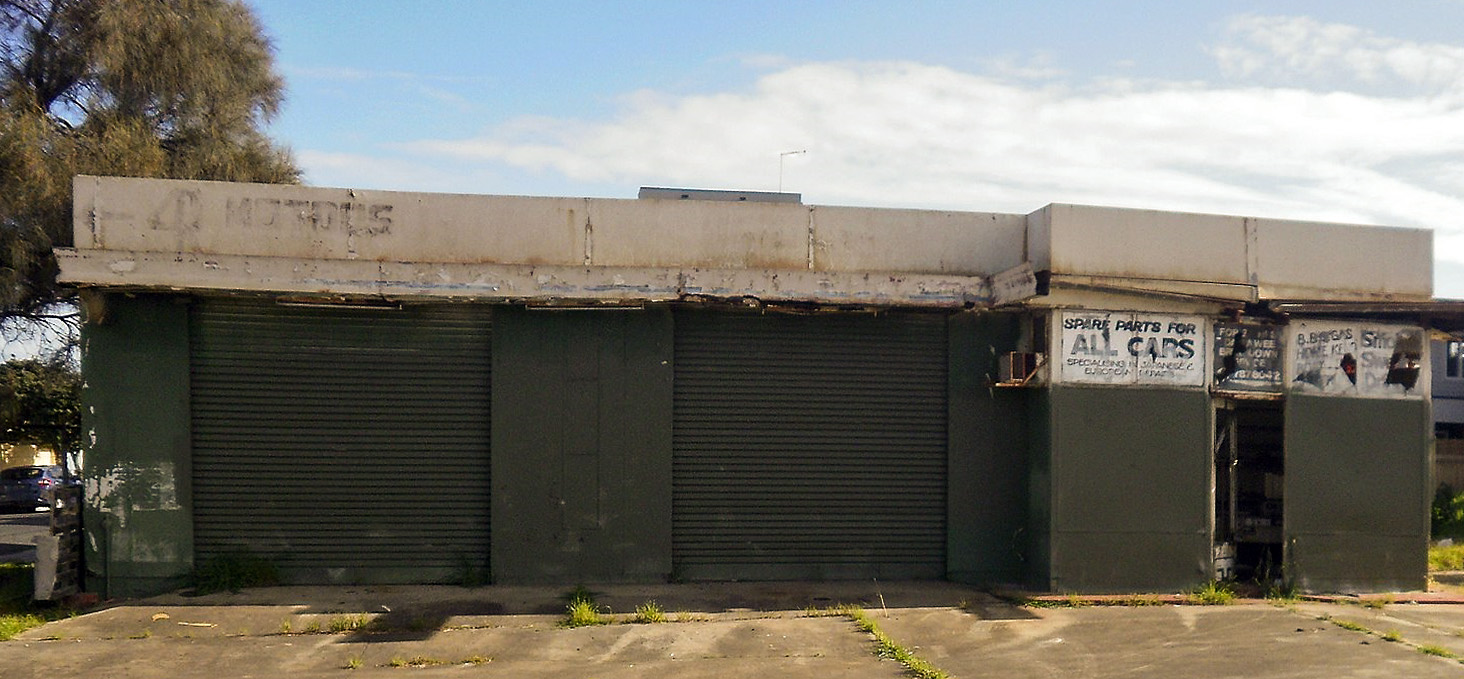
Former industrial area turned residential with Macaulay Road cafes, Flemington Racecourse edge, Moonee Ponds Creek trail, and increasing apartment development.
This guide breaks down the property investment case for Kensington using current data. No speculation, no hype – just the numbers and the factors behind them.
Median House Price and Recent Trends
The current median house price in Kensington is $1,100,000 (as of early 2026, sourced from Domain and REIV quarterly reports). Over the past five years, Kensington has seen approximately 38% growth in median house values, outperforming the Greater Melbourne average of 18%.
What is driving this? Kensington is 3km from the CBD, which places it in the inner ring where land supply is constrained and demand from owner-occupiers and investors remains consistent. The suburb has 11,400 residents and limited new housing stock relative to demand.
For apartments, the median sits lower and growth has been more moderate. Investor demand for apartments in Kensington is concentrated in the 1-2 bedroom range, which aligns with the rental market’s strongest segment.
Price comparison with neighbours:
- Flemington: Median house prices are comparable, though Flemington has slightly different stock composition.
- North Melbourne: Median house prices are comparable, though North Melbourne has slightly different stock composition.
- Footscray: Median house prices are comparable, though Footscray has slightly different stock composition.
Rental Yield Analysis
Gross rental yield for a median-priced house in Kensington:
- Median weekly rent (1BR apartment): $370
- Annual rental income: $19,240
- Gross yield on median house price: 1.7%
For apartments, gross yields are typically higher – ranging from 3.5% to 4.8% depending on the building, age, and proximity to transport. Newer apartments in Kensington carry strata fees that reduce net yield, so factor $3,000 to $6,000 per year in body corporate costs.
Net yield after property management (typically 5-7% of rent), insurance, council rates, water rates, and maintenance sits at approximately 1.0% for houses and 1.5% for apartments.
Infrastructure and Development
Kensington benefits from planned and in-progress infrastructure projects that affect property values:
- Melbourne Metro Tunnel (completion 2025-2026): New underground rail connections improve accessibility for suburbs on connected lines. Kensington’s proximity at 3km from the CBD means any transport improvement amplifies its connectivity advantage.
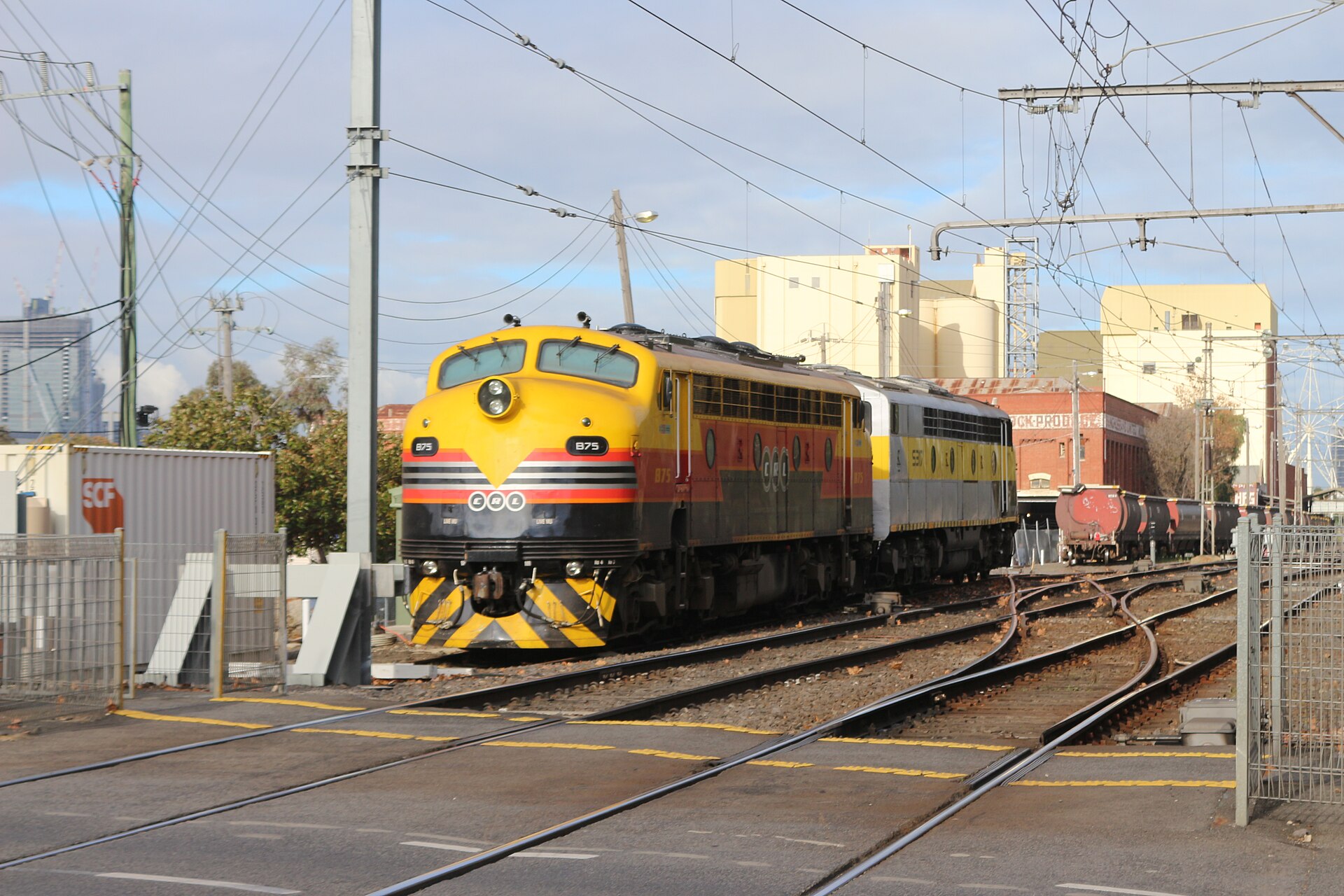
- Level crossing removals: Multiple crossing removals in Melbourne’s inner suburbs have improved traffic flow and opened up new public space. Check for any planned removals near Kensington that could affect local amenity.
- Council planning overlays: Stonnington, Yarra, and Port Phillip councils (depending on Kensington’s LGA) have heritage overlays that protect streetscapes but also limit high-density development – a factor that constrains supply and supports prices.
Road and cycling infrastructure upgrades in the inner suburbs continue to make car-free living more practical, which attracts younger demographics willing to pay a premium for walkability.
Population Growth and Demographics
Kensington has a population of approximately 11,400 (ABS Census 2021). Inner Melbourne suburbs have seen population growth of 1.5-3% annually, driven by:
- Young professionals (25-39 age bracket) seeking proximity to CBD employment
- Downsizers from the eastern suburbs selling family homes and moving into inner-suburb apartments
- International students at nearby universities (Victoria University Footscray (2km), University of Melbourne (3km))
- Remote workers who value lifestyle over commute time
The demographic profile of Kensington skews towards higher income households and professional workers, which supports a strong rental market and consistent demand.
Investment Risks to Consider
No investment is without risk. For Kensington, the key considerations are:
- Interest rate sensitivity. Inner-suburb properties are leveraged assets. Rising rates increase mortgage costs and can compress yields. The current rate environment should factor into cash flow modelling.
- Oversupply in apartment segment. If Kensington has significant apartment development in the pipeline, check council planning records. Oversupply in a single building type can suppress rents and values for 2-3 years.
- Heritage overlay restrictions. While heritage protections support values by limiting supply, they also restrict renovation and development options on individual properties.
- Body corporate risk. Apartment investors face body corporate levies that can increase sharply if major works (building defects, cladding remediation) are required.
- Liquidity. Inner-suburb properties typically sell faster than outer-suburb equivalents, but in a downturn, premium-priced properties can sit on the market longer.
Comparison with Neighbouring Suburbs
How does Kensington stack up against Flemington, North Melbourne, Footscray, Ascot Vale?
| Factor | Kensington | Key Difference |
|---|---|---|
| Median house price | $1,100,000 | Central to the local market |
| Distance to CBD | 3km | Very close – premium position |
| Rental demand | Strong | Consistent tenant pool from professionals and students |
| Growth trend | 38% (5yr) | Above Melbourne average |
| Character | Former industrial area turned residential with Macaulay Road cafes, Flemington R… | Distinctive local identity supports demand |
Kensington typically trades at a discount relative to the inner-suburb average, reflecting its value positioning within the inner ring.
Who Should Consider Investing in Kensington?
Kensington suits investors who:
- Prioritise capital growth over rental yield (inner suburbs historically appreciate faster than outer equivalents)
- Have a long-term hold strategy (5-10+ years)
- Want a property in a tenant-strong market with low vacancy rates
- Can service a higher purchase price relative to outer suburbs
It is less suited for investors who:
- Need high immediate cash flow (gross yields are moderate)
- Cannot afford the entry price without excessive leverage
- Are seeking renovation and development upside (heritage overlays may limit scope)
Frequently Asked Questions
Is Kensington a good suburb to invest in for 2026?
Kensington has strong fundamentals: 3km from CBD, established infrastructure, consistent rental demand, and 38% growth over five years. Like all property investment, returns depend on purchase price, hold period, and financing costs. The data supports Kensington as a solid inner-suburb investment, but individual property selection matters more than suburb-level averages.
What is the rental yield in Kensington?
Gross rental yield on a median-priced house in Kensington is approximately 1.7%. Apartments typically yield 3.5-4.8% gross. Net yields after costs sit 1-2% lower. These yields are typical for inner Melbourne – investors here are buying for capital growth supported by moderate income.
How does Kensington compare to other inner suburbs for property investment?
Kensington at $1,100,000 median sits around the inner-suburb average. Its advantages are distance to CBD (3km), transport links, and a 11,400-person population base. Neighbouring Flemington, North Melbourne, Footscray, Ascot Vale offer slightly different price points and amenity profiles – compare on a property-by-property basis rather than suburb-level averages alone.
Data sourced from ABS Census 2021, Domain median prices, REIV quarterly reports. Compiled April 2026. Property investment involves risk. Past performance does not guarantee future returns. Seek independent financial advice before making investment decisions.