Living in Kensington: Resident’s Guide (2026)
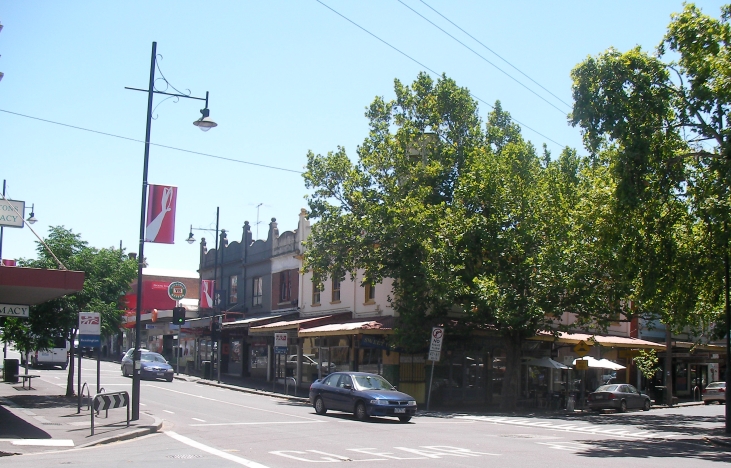
Kensington (3031) is 3km from Melbourne’s CBD with a population of approximately 11,400. Former industrial area turned residential with Macaulay Road cafes, Flemington Racecourse edge, Moonee Ponds Creek trail, and increasing apartment development.
This guide covers what daily life in Kensington actually looks like – from commuting to shopping, community resources to weekend routines. If you are considering a move or want to understand the suburb beyond the real estate listing, this is the practical information residents rely on.
The Daily Commute
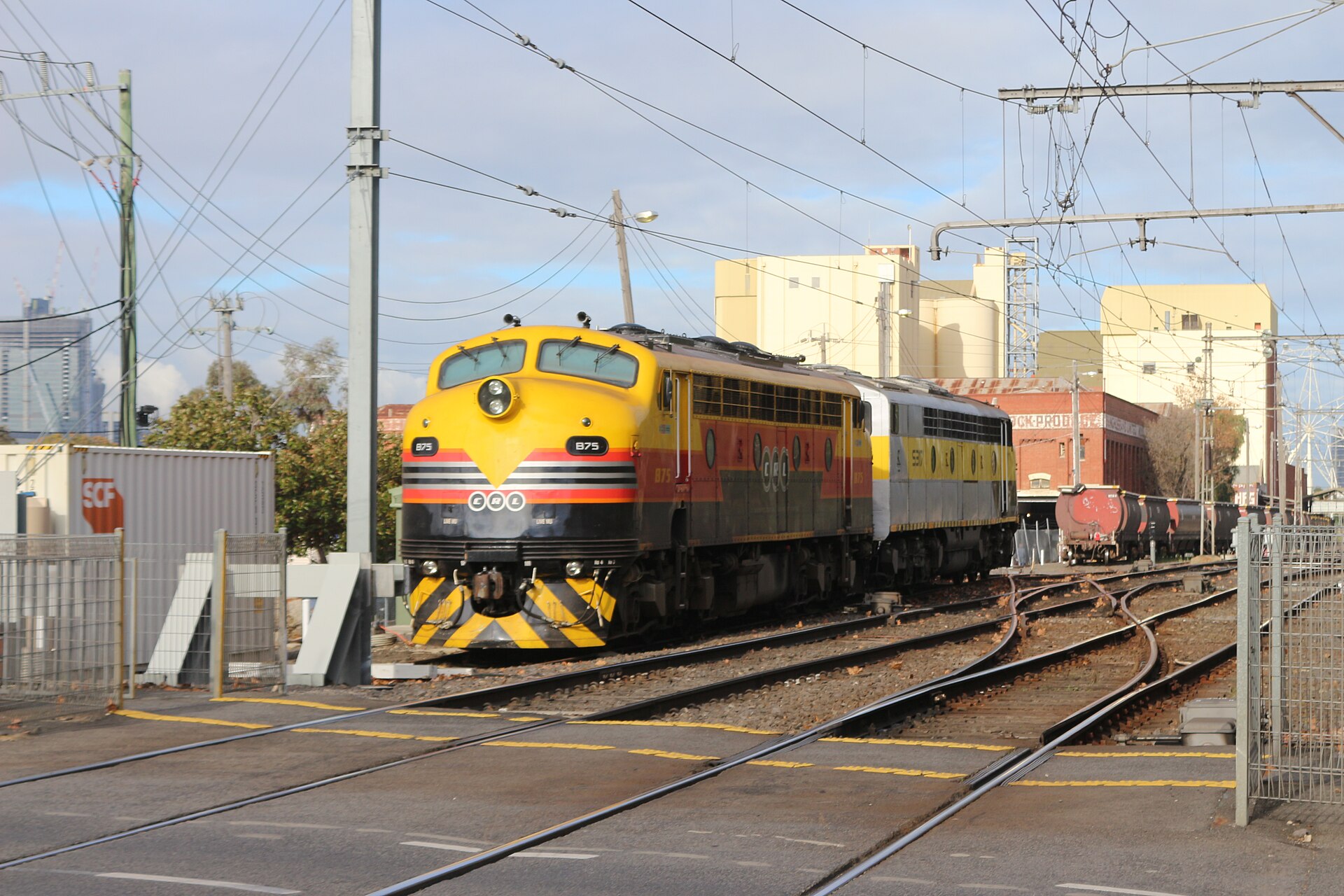
Kensington and South Kensington stations (Werribee/Williamstown lines). Route 57 tram.
Most residents commute to the CBD in 10-20 minutes depending on their mode of transport. The proximity to central Melbourne at 3km means many residents walk, cycle, or take a short tram ride rather than driving.
During morning peak (7-9am), services run frequently enough that most commuters do not need to check a timetable. Off-peak services run every 10-20 minutes, which is adequate for flexible schedules.
Car ownership in Kensington is optional for many residents. Street parking is available in residential areas (often requiring a council permit, $50-100/year) and metered on commercial strips. If you work in the CBD, public transport is almost always faster than driving during peak hours.
Shopping and Essentials
Kensington has supermarkets (Coles, Woolworths, and in most cases Aldi) within the suburb or in immediately adjacent areas. The main commercial strip serves daily shopping needs: pharmacy, post office, banks, medical centres, and specialty retailers.
Grocery shopping in Kensington is straightforward. A weekly shop at Aldi costs $55-75 for a single person, or $75-110 at Coles/Woolworths. Asian grocers in the area sell staples (rice, noodles, tofu, sauces) at prices well below supermarket equivalents.
For major shopping, the CBD and large shopping centres are accessible by public transport within 20-30 minutes. Most Kensington residents handle weekly groceries locally and travel for larger purchases only when needed.
Medical and Health Services
Kensington has a reasonable spread of healthcare options:
- GP clinics: Multiple practices within the suburb, with bulk-billing available at some. Wait times for new patient registrations vary – book early if you are new to the area.
- Dental: Private dental practices in Kensington, with costs starting at $250-400 for a check-up and clean. Public dental has longer wait times.
- Pharmacy: Multiple pharmacies along the main commercial strip, open until 6-9pm on weekdays.
- Physiotherapy, chiropractic, and allied health: Several practices in the suburb.
- Hospitals: The Royal Melbourne Hospital and other major hospitals are accessible from Kensington in 10-20 minutes.
Community Resources
- Libraries: The local council library offers free WiFi, reading programs, book clubs, and community events. Open until 6-8pm most weekdays and Saturday mornings.
- Parks and recreation: Playgrounds, sports fields, walking trails, and open green space within the suburb.
- Medical services: GPs, dental, physiotherapy, and pharmacies within walking distance.
- Schools: Primary and secondary schools in the area serve local families.
- Community centres: Council-run programs for all age groups, including language classes, fitness programs, and social groups.
- Neighbourhood houses: Free and low-cost workshops, drop-in activities, and community connections.
Weekend Life in Kensington
Weekends in Kensington follow a recognisable Melbourne rhythm:
Saturday:
- Morning coffee and brunch on the main commercial strip (expect 20-30 minute waits at popular cafes between 9-11am)
- Market browsing if one runs locally or in a neighbouring suburb
- Afternoon in the park, at the pool, or exploring side streets
- Evening dinner at a local restaurant or pub, often with live music
Sunday:
- Later start, leisurely brunch
- Grocery shopping and meal prep for the week
- Cycling or walking along local trails
- Exploring neighbouring Flemington, North Melbourne, Footscray for variety – each suburb nearby has its own dining and shopping character
Who Lives in Kensington?
Kensington’s population of 11,400 includes a mix of young professionals (25-39 age bracket), students and sharehouse residents, and long-term residents who have been in the suburb for decades. The demographic mix creates a community that is:
- Active: Running groups, cycling clubs, and community sport leagues are common
- Social: Pub trivia, cafe culture, and neighbourhood events bring people together
- Independent-minded: Kensington residents tend to support local businesses over chains
The suburb attracts people who value proximity to the CBD and inner-city amenity. Median house prices of $1,100,000 and rents of $370/week (1BR) define the economic profile.
What Residents Say
Common themes from Kensington residents:
- The walkability is a major draw – daily errands on foot, no car needed
- The dining scene keeps improving without losing its character
- Noise on the main strip can be an issue for residents in nearby apartments
- Parking is competitive in the evenings and weekends
- The community feel is stronger than most inner suburbs despite the density
Frequently Asked Questions
Is Kensington a good suburb to live in?
Kensington is 3km from the CBD with 11,400 residents, strong transport links, and a mix of dining, shopping, and community resources. It suits city-oriented professionals and students. The main trade-off is rent, which at $370/week for a 1BR apartment reflects the inner-suburb premium.
What is the community like in Kensington?
Kensington has a strong local identity with active community groups and regular neighbourhood events. New residents find it relatively easy to connect through cafes, sports clubs, and community programs.
How is public transport in Kensington?
Kensington and South Kensington stations (Werribee/Williamstown lines). Route 57 tram. Myki fares cap at $10.60/day (full) or $5.30/day (concession). Most residents reach the CBD in 10-20 minutes by public transport.
Data sourced from ABS Census 2021, Domain median prices. Compiled April 2026.