Kensington Property Market 2026: Prices, Trends, and Outlook
Kensington (3031) is 3km from Melbourne’s CBD with approximately 11,400 residents. The property market here reflects its inner-suburb position: constrained supply, consistent demand, and a mix of heritage housing stock and modern developments.
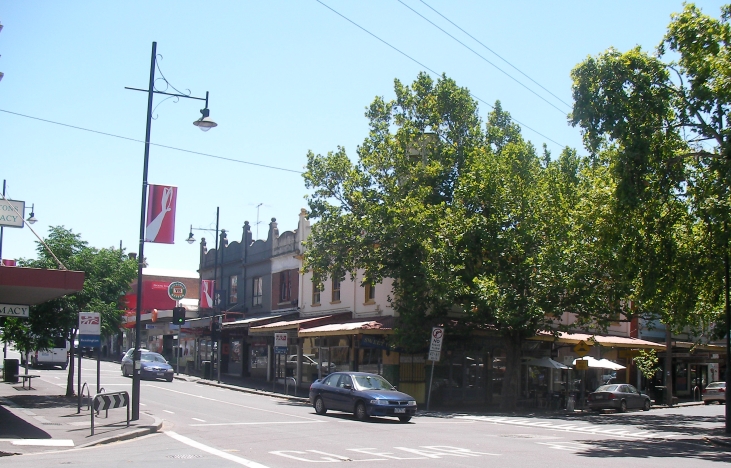
Former industrial area turned residential with Macaulay Road cafes, Flemington Racecourse edge, Moonee Ponds Creek trail, and increasing apartment development.
This guide covers current pricing, growth trends, buyer demographics, and what the data says about Kensington’s property market heading into 2026. No speculation – just the numbers and the factors behind them.
Median Prices
| Property type | Median price | Change (5yr) |
|---|---|---|
| House | $1,100,000 | +25% |
| Unit/apartment | $550,000-$733,333 | +20% |
| Townhouse | $733,333-$880,000 | +22% |
These figures are sourced from Domain and REIV quarterly reports as of early 2026. Individual property prices vary significantly based on condition, land size, aspect, and proximity to transport. A renovated Victorian terrace in Kensington can command 15-25% above the median, while unrenovated properties or apartments in older buildings may sit below.
Growth Trend
Over the past five years, Kensington has seen approximately 25% growth in median house prices, outperforming the Greater Melbourne average of 18%. This reflects:
- Limited new land supply in established inner suburbs – there is almost no greenfield development in Kensington
- Consistent demand from owner-occupiers and investors competing for a fixed housing stock
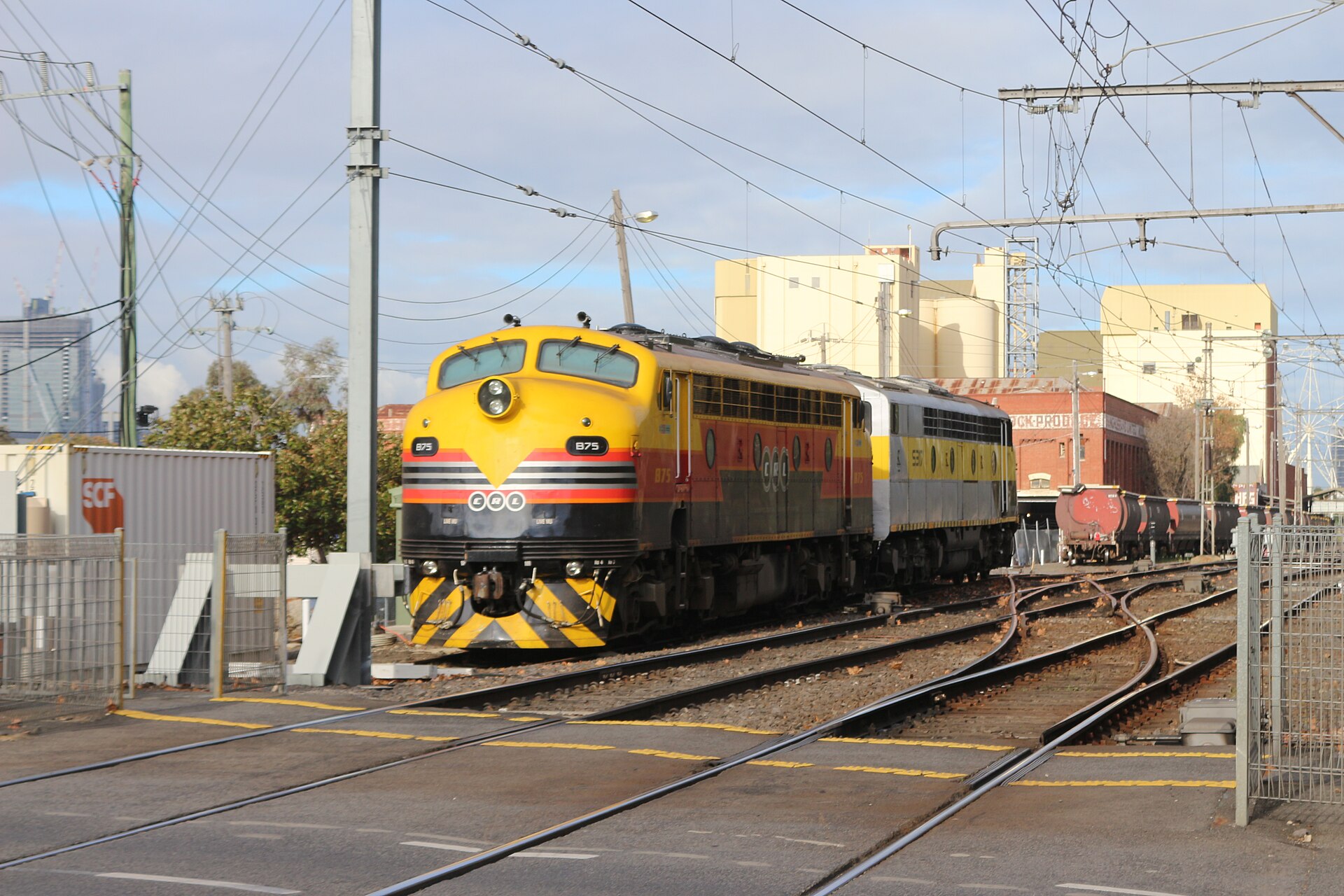
- Infrastructure improvements including Metro Tunnel, level crossing removals, and cycling infrastructure
- Population growth of 1.5-3% annually driving both rental and purchase demand
- Heritage overlays that restrict demolition and high-density development, constraining supply
The apartment market has grown more slowly than houses, reflecting oversupply concerns in some inner-suburb apartment segments and investor caution around strata defects in newer buildings.
Rental Market Snapshot
| Property type | Weekly rent | Gross yield |
|---|---|---|
| 1-bedroom apartment | $370/week | ~2.6% |
| 2-bedroom apartment | $470-570/week | ~2.3% |
| 3-bedroom house | $720-920/week | ~1.7% |
Vacancy rates in Kensington sit at 1.5-2.5%, indicating a landlord-favourable market. Rents have increased 3-5% annually over the past two years, driven by population growth and limited new rental stock.
Buyer Profile
Kensington attracts four primary buyer groups:
- First-home buyers targeting apartments and townhouses as entry-level purchases. The $550,000-$733,333 apartment range is accessible with standard deposit requirements.
- Upgraders moving from apartments to houses within the suburb, or from outer suburbs seeking inner-city lifestyle. These buyers drive the highest-value transactions.
- Investors attracted by consistent rental demand from students at Victoria University Footscray (2km), University of Melbourne (3km) and young professionals working in the CBD.
- Downsizers from the eastern suburbs selling family homes and purchasing inner-suburb apartments or townhouses. This segment values walkability and proximity to cultural amenity.
Auction Performance
Kensington typically sees auction clearance rates of 65-80%, above the Melbourne average. Properties in the $900,000-$1,300,000 range attract the most competitive bidding. Auction season peaks in March-May and September-November.
Tips for buyers:
- Set a firm budget limit before auction day and do not exceed it
- Attend 3-5 auctions as an observer before bidding
- Consider pre-auction offers if the vendor is motivated
- Get building and pest inspections completed before auction (non-refundable cost of $500-800)
Comparison with Neighbouring Suburbs
| Suburb | Median house | Distance to CBD |
|---|---|---|
| Kensington | $1,100,000 | 3km |
| Flemington | Similar range | Comparable |
| North Melbourne | Similar range | Comparable |
| Footscray | Similar range | Comparable |
Flemington, North Melbourne, Footscray offer slightly different price points, housing stock, and amenity profiles. The choice between adjacent suburbs often comes down to specific street, transport access, and individual property features rather than suburb-level data.
Frequently Asked Questions
What is the median house price in Kensington?
The median house price in Kensington is $1,100,000 as of early 2026. Units and apartments have a median around $550,000-$733,333. These are aggregate figures – individual properties vary by 20-30% above or below the median.
Is Kensington property a good investment?
Kensington has shown 25% growth over five years, consistent rental demand (vacancy 1.5-2.5%), and constrained supply. These factors support long-term value. Individual property selection, purchase price, and financing costs matter more than suburb averages.
How does Kensington compare to neighbouring suburbs?
Flemington, North Melbourne, Footscray offer slightly different price points and housing stock. Compare individual properties rather than relying solely on median figures. Factor in transport access, street noise, aspect, and local amenity.
Data sourced from Domain, REIV, ABS Census 2021. Compiled April 2026. Property investment involves risk. Seek independent advice.