Verdict Box
Kew is not trying to be cool. That is the point. It is a high-income, old-established inner-east suburb for people who want large streets, private-school access, Yarra parkland, solid cafes, low drama and a quick enough run into the city without living above a nightlife strip.
The trade-off is sharp. Kew has trams and buses, but no train station. Its best pockets feel peaceful because they are not built around a rail spine. That means daily life works best if you are happy with route 48 or 109 trams, buses, cycling, rideshare, or a car. Peak-hour movement through Kew Junction, Cotham Road, High Street, Princess Street and Barkers Road can be slow, especially around school times.
The suburb’s strongest pitch is not one single feature. It is the package: Yarra Bend and Studley Park access, Kew Junction services, heritage homes, apartment options, respected schools, proximity to Richmond, Hawthorn, Camberwell and the CBD, and a local rhythm that feels established rather than performative.
The blunt verdict for 2026: Kew is excellent if you can afford the entry price and do not need a train at your door. It is less convincing for renters chasing cheap space, buyers expecting strong yield, or anyone who wants bars, late dinners and constant street energy within a five-minute walk.
At-a-Glance Table
| Category | Kew 2026 reality |
|---|---|
| Best for | Families, established professionals, downsizers, private-school households, park-first buyers |
| Main weakness | No train station; tram and road congestion matter more than brochures admit |
| Daily village | Kew Junction, Willsmere Village, High Street, Cotham Road and smaller cafe strips |
| Green space | Studley Park and Yarra Bend Park are the suburb’s strongest lifestyle assets |
| Housing feel | Heritage homes, large family houses, townhouses, older apartments and newer infill |
| Nightlife | Limited; Richmond, Hawthorn and the city do the heavy lifting |
| Transport | Tram routes 48 and 109, buses, cycling links, car access to eastern corridors |
| Property tone | Premium family-house market with a more varied unit and townhouse layer |
| Deal-breaker question | Are you comfortable paying Kew prices without a local train station? |
Who It Suits
The School-Run Strategist — wants private-school access, calm streets and enough local services to keep weekdays controlled.
Mira, 44, park-first buyer — values Yarra Bend walks, Studley Park weekends and a quieter home base more than a late-night dining strip.
The Inner-East Downsizer — wants to stay near Hawthorn, Richmond and Camberwell but move into a newer apartment or townhouse with less garden burden.
The Tram-Committed Professional — accepts the 48 or 109 routine and prefers Kew’s space over being closer to a station in Hawthorn or Richmond.
Rent & Property Reality
Kew property is expensive, and the gap between houses and apartments is wide. Realestate.com.au’s Kew profile for May 2025 to April 2026 listed a median house price around $2.595 million and a median unit price around $862,000, with median advertised house rent around $1,150 per week and unit rent around $640 per week. Domain’s suburb profile also shows the segmented nature of the market, with lower-entry one-bedroom units, mid-market two-bedroom units and very expensive four- and five-bedroom houses. Check the live data before acting: realestate.com.au Kew profile and Domain Kew suburb profile are useful starting points.
The practical rental story is this: Kew can look less impossible if you are comparing apartments rather than houses. A one- or two-bedroom unit near Cotham Road, High Street, Princess Street or Willsmere Village may put you in the suburb for a price that is still high, but not family-house high. Detached houses are a different market. Families wanting three or four bedrooms, parking and school proximity are competing for limited stock, and the rent can move quickly from expensive to punishing.
For buyers, Kew is a suburb where the median can mislead. A tired apartment, a townhouse on a busier road, a renovated family home near private schools and a trophy house near Studley Park are not really the same market. Street quality matters. So does orientation, heritage overlay, land size, parking, tram noise, school traffic and whether the property sits near a main-road corridor.
The investor case is not simple. Kew houses tend to be bought for long-term land, family utility and prestige, not fat yield. Units can produce stronger yield, but body corporate costs, building age, cladding history, special levies, lift maintenance and car-space quality need close inspection. If you are buying an apartment, the minutes of owners corporation meetings matter almost as much as the floor plan.
The 2021 ABS Census recorded Kew with 24,499 residents, a median age of 41, median weekly household income of $2,497, median monthly mortgage repayments of $3,000 and median weekly rent of $476 at the time of that census. That census rent is now dated, but it is still useful for understanding the suburb’s established income profile and owner-heavy base: ABS 2021 Kew QuickStats.
Local Reality & Pockets
Kew Junction is the practical centre. It is not glamorous, but it gives you supermarkets, pharmacies, medical services, everyday food, banks, small retail and tram access. Living near it makes Kew easier without a car, though the roads are busy and apartments near major intersections can carry traffic noise.
Willsmere Village has a softer village feel. The pocket around Pakington Street, Willsmere Road and the former Kew Asylum precinct is a strong option for people who want character, greenery and cafe convenience without being directly on Kew Junction. It is also one of the areas where Kew’s no-train issue feels less painful if your daily pattern points toward trams, buses, cycling or car trips.
Studley Park is the prestige green-space play. Streets near Studley Park Road, Yarra Boulevard and the river edge can feel removed from the city despite being close to it. The upside is obvious: park access, canopy, larger homes and a calmer atmosphere. The downside is price, limited stock and a lifestyle that often assumes car use.
The Cotham Road and High Street corridors are more connected but less serene. They suit renters and apartment buyers who want tram access and services. They are also the places where you need to inspect at peak hour. A floor plan that looks calm online can feel very different when trams, trucks, school traffic and turning lanes are doing their weekday routine.
The Barkers Road edge toward Hawthorn is useful for people connected to schools, Swinburne, Glenferrie Road or Richmond. It can be convenient, but also busier and more exposed. The closer you get to main routes, the more you should think about noise, parking, driveway access and whether visitors can actually stop nearby.
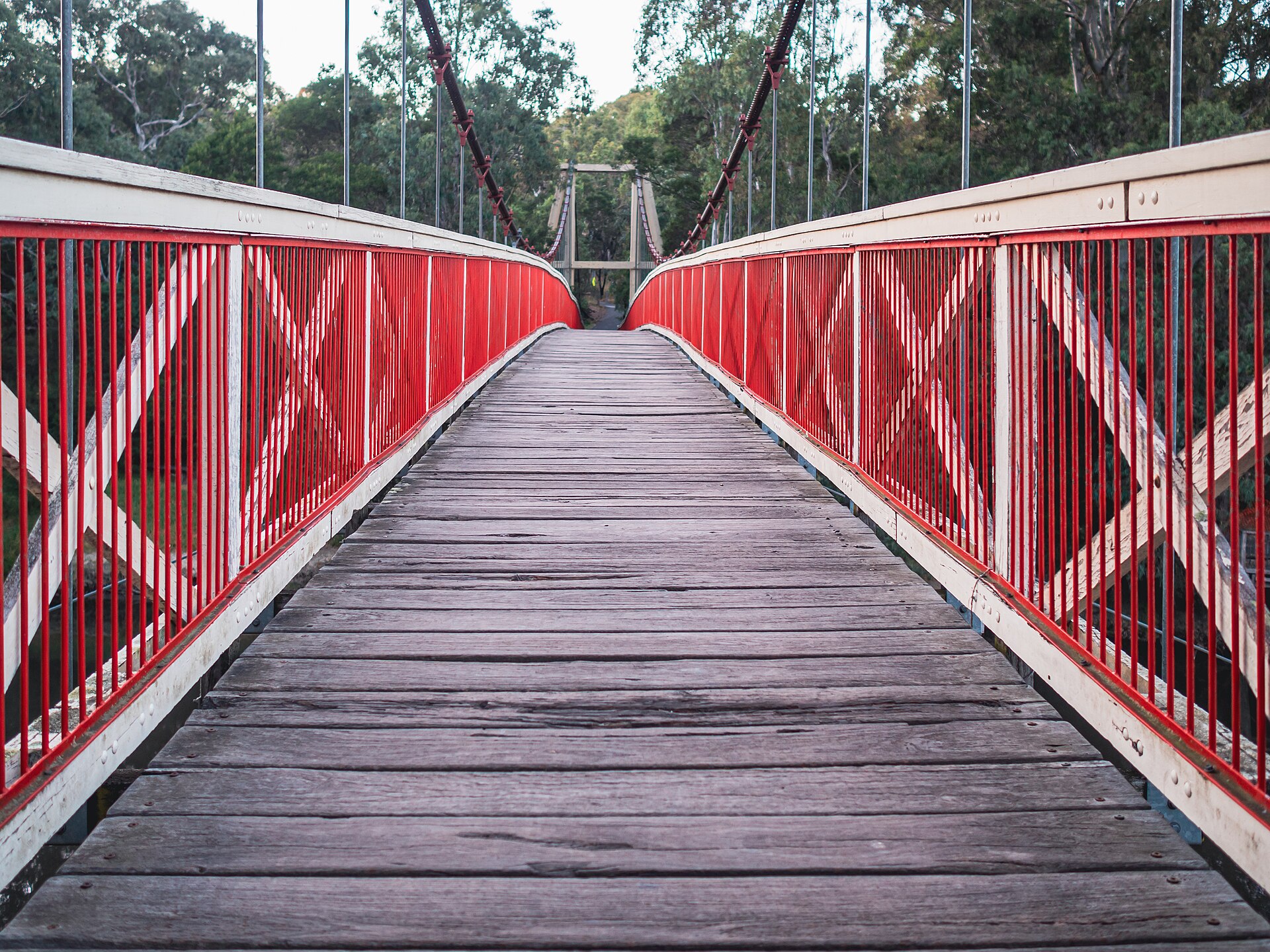
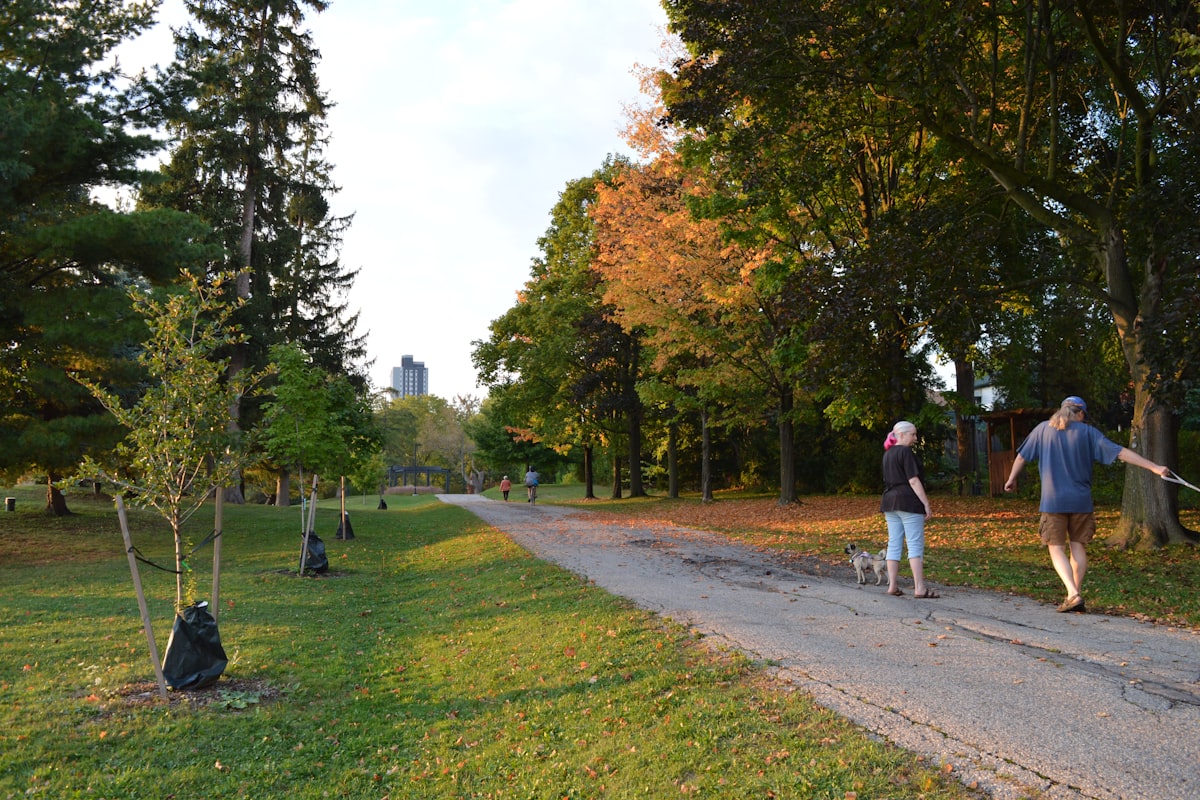
Kew’s park access is not marketing filler. Yarra Bend Park is one of inner Melbourne’s major open-space assets. Boroondara Council notes the park covers 260 hectares, includes walking and cycling tracks, picnic areas and the historic Studley Park Boathouse, with Parks Victoria managing the parkland. That changes the daily lifestyle for runners, dog owners, cyclists and families who actually use open space rather than just like the idea of it: Boroondara Yarra Bend Park.
Signature Craving
Kew’s signature craving is not a late-night tasting menu. It is a long walk, a proper coffee and a river-side pause that makes the suburb feel worth its price.
Start with coffee at Ora Kew in Willsmere Village. Ora describes itself as a specialty coffee cafe with a seasonal breakfast and lunch menu, and it has been a Kew institution for more than a decade. That matters in Kew because locals tend to reward places that become part of the weekly rhythm rather than venues that burn hot for one season.
For a more obviously Kew experience, take the craving down to Studley Park Boathouse. The point is not that it is the sharpest dining room in the inner east. The point is the setting: river, trees, boats, families, walkers and that slightly old-fashioned weekend feeling Kew does well. It is the place you take visiting relatives when you want the suburb to explain itself without a speech.
Adeney Milk Bar is another useful local marker. Sitting near the quieter residential side of Kew, it shows the suburb’s smaller-scale cafe life away from the junction. The best Kew food days are usually built from these pieces: coffee close to home, a park walk, a simple lunch, then dinner in Hawthorn, Richmond, Collingwood or the city if you want more edge.
Comparisons Table
| Suburb | Compared with Kew | Better for | Watch-outs |
|---|---|---|---|
| Hawthorn | More connected and student-adjacent, with Glenferrie Station and more dining | Train access, renters, nightlife, Swinburne links | Busier streets, more apartment density, less secluded in parts |
| Kew East | Quieter and more residential, with less of Kew Junction’s service depth | Families wanting calm and larger blocks | Even more car-dependent in many pockets |
| Richmond | More urban, faster into the CBD and far stronger for food and nightlife | Bars, dining, trains, inner-city energy | Less calm, tighter parking, more noise |
| Balwyn | More suburban and school-focused, with a different family-house rhythm | Larger family homes, school-zone buyers | Further from the city and less Yarra-side character |
Trust Block
Author: Jules Marchetti
Method: Fresh 2026 rewrite using current public property profiles, ABS Census data, council and park sources, and venue checks. The article is written for readers deciding whether Kew’s premium is justified in daily life, not for suburb promotion.
Sources checked: ABS 2021 QuickStats for Kew, Domain Kew suburb profile, realestate.com.au Kew market profile, Boroondara Council park and Kew Junction pages, Parks Victoria Yarra Bend information, venue websites and current public listings.
Local caveat: Property and rental figures move quickly. Treat quoted market numbers as a 2026 snapshot and check live listings before signing a lease, bidding or making an offer.
FAQ
Q: Is Kew a good suburb to live in?
A: Yes, if you want quiet inner-east living, strong park access, respected schools and a polished residential feel. It is less suitable if you need a train station, cheap rent or late-night activity on your doorstep.
Q: Does Kew have a train station?
A: No. This is one of the suburb’s biggest practical drawbacks. Most public transport reliance is on trams, buses and connections through nearby suburbs such as Hawthorn, Richmond and Camberwell.
Q: Which trams serve Kew?
A: Route 48 and route 109 are the key tram services through the area, with Kew Depot also part of the local tram story. Your exact usefulness depends heavily on which pocket of Kew you live in.
Q: Is Kew expensive for renters?
A: Yes. Houses are especially expensive, while units and apartments create more accessible entry points. Even then, Kew generally prices above many middle-ring alternatives because of location, schools and prestige.
Q: Is Kew better than Hawthorn?
A: Kew is calmer and greener in many pockets. Hawthorn is stronger for train access, dining, student life and walkable urban convenience. The better choice depends on whether you value serenity or connectivity more.
Q: Is Kew family-friendly?
A: Very. The suburb is strongly shaped by schools, parks, larger homes and family routines. The less charming side is school traffic, high housing costs and competition for well-located family rentals.
Q: Is Kew good for first-home buyers?
A: It is difficult for first-home buyers chasing land or detached houses. Apartments and older units are more realistic, but buyers need to inspect owners corporation records, building condition and main-road exposure carefully.
Q: Where is the nicest pocket of Kew?
A: Studley Park and the river-side pockets are among the most prized, while Willsmere Village is highly liveable for cafe access and character. Kew Junction is more practical but busier.
Q: Is Kew safe?
A: Kew generally has a quiet, established feel, but safety should still be checked at street level. Inspect lighting, parking, apartment entry points and the walk home from your tram stop at the time you would actually use it.
Q: What is Kew’s biggest downside?
A: The no-train reality. Many buyers accept it because the suburb offers space, greenery and schools, but daily commuting can become frustrating if your work pattern does not match the tram or bus network.
Q: Are there good cafes in Kew?
A: Yes, though the scene is more local and daytime-focused than destination-driven. Ora Kew, Adeney Milk Bar and Studley Park Boathouse are useful reference points for the suburb’s cafe rhythm.
Q: Should investors buy in Kew?
A: Kew is usually a capital-growth and blue-chip land argument rather than a high-yield house play. Units can be more yield-friendly, but building quality, body corporate costs and resale appeal need close review.
{< json-ld >} { “@context”: “https://schema.org”, “@graph”: [ { “@type”: “Article”, “@id”: “https://melbz.com.au/kew/#article”, “headline”: “Kew 2026: Leafy Old-Money Calm & Honest Local Verdict”, “description”: “No spin. Kew is wealthy, green and useful, but the no-train reality, school traffic and property prices need a clear-eyed verdict.”, “author”: { “@type”: “Person”, “name”: “Jules Marchetti” }, “dateModified”: “2026-05-25”, “mainEntityOfPage”: { “@type”: “WebPage”, “@id”: “https://melbz.com.au/kew/” }, “publisher”: { “@type”: “Organization”, “name”: “MELBZ” }, “image”: “https://melbz.com.au/images/heritage/musvic_e41a7cbf21.jpg” }, { “@type”: “BreadcrumbList”, “@id”: “https://melbz.com.au/kew/#breadcrumb”, “itemListElement”: [ { “@type”: “ListItem”, “position”: 1, “name”: “Home”, “item”: “https://melbz.com.au/” }, { “@type”: “ListItem”, “position”: 2, “name”: “Kew”, “item”: “https://melbz.com.au/kew/” } ] }, { “@type”: “FAQPage”, “@id”: “https://melbz.com.au/kew/#faq”, “mainEntity”: [ { “@type”: “Question”, “name”: “Is Kew a good suburb to live in?”, “acceptedAnswer”: { “@type”: “Answer”, “text”: “Yes, if you want quiet inner-east living, strong park access, respected schools and a polished residential feel. It is less suitable if you need a train station, cheap rent or late-night activity on your doorstep.” } }, { “@type”: “Question”, “name”: “Does Kew have a train station?”, “acceptedAnswer”: { “@type”: “Answer”, “text”: “No. Most public transport reliance is on trams, buses and connections through nearby suburbs such as Hawthorn, Richmond and Camberwell.” } }, { “@type”: “Question”, “name”: “Which trams serve Kew?”, “acceptedAnswer”: { “@type”: “Answer”, “text”: “Route 48 and route 109 are the key tram services through the area, with usefulness depending heavily on which pocket of Kew you live in.” } }, { “@type”: “Question”, “name”: “Is Kew expensive for renters?”, “acceptedAnswer”: { “@type”: “Answer”, “text”: “Yes. Houses are especially expensive, while units and apartments create more accessible entry points.” } }, { “@type”: “Question”, “name”: “Is Kew better than Hawthorn?”, “acceptedAnswer”: { “@type”: “Answer”, “text”: “Kew is calmer and greener in many pockets. Hawthorn is stronger for train access, dining, student life and walkable urban convenience.” } }, { “@type”: “Question”, “name”: “Is Kew family-friendly?”, “acceptedAnswer”: { “@type”: “Answer”, “text”: “Very. The suburb is strongly shaped by schools, parks, larger homes and family routines, although school traffic and housing costs are real constraints.” } }, { “@type”: “Question”, “name”: “Is Kew good for first-home buyers?”, “acceptedAnswer”: { “@type”: “Answer”, “text”: “It is difficult for first-home buyers chasing land or detached houses. Apartments and older units are more realistic.” } }, { “@type”: “Question”, “name”: “Where is the nicest pocket of Kew?”, “acceptedAnswer”: { “@type”: “Answer”, “text”: “Studley Park and the river-side pockets are among the most prized, while Willsmere Village is highly liveable for cafe access and character.” } }, { “@type”: “Question”, “name”: “What is Kew’s biggest downside?”, “acceptedAnswer”: { “@type”: “Answer”, “text”: “The no-train reality. Many buyers accept it because the suburb offers space, greenery and schools, but daily commuting can become frustrating.” } } ] } ] } {< /json-ld >}