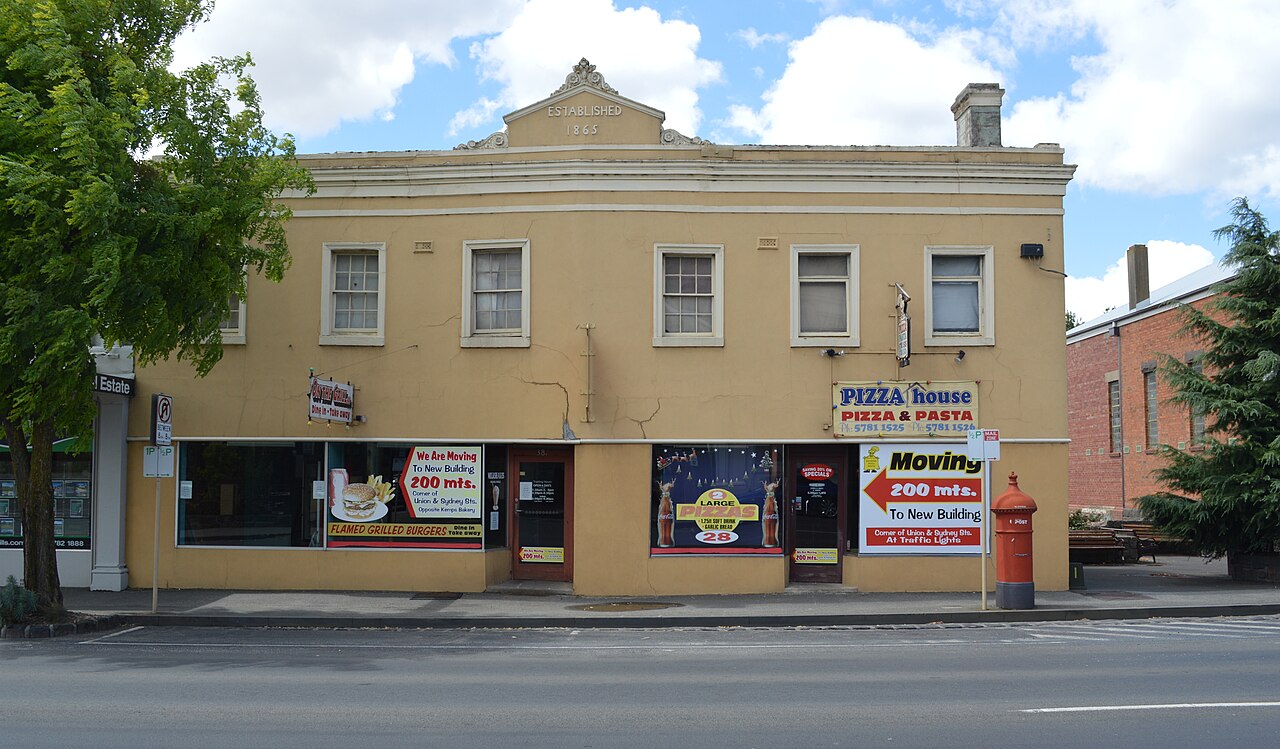
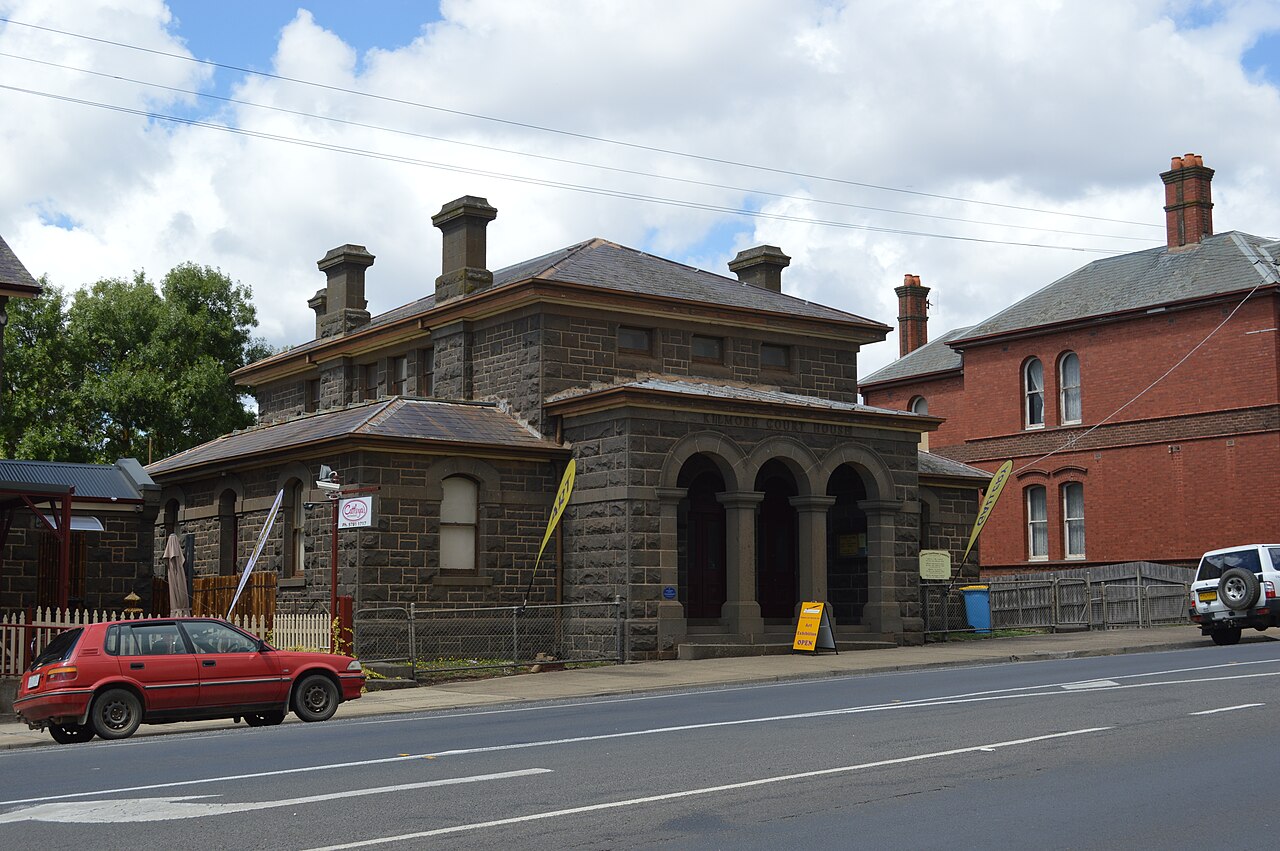
You are weighing up Kilmore because the rent looks sane, but the weekly spend is not just rent. Here is the real 2026 budget: what singles, couples, and families should expect before the car, winter bills, and groceries bite.
The Verdict
A couple renting a two-bedroom place should budget around $999 a week in Kilmore, because that is the cleanest middle-ground number for 2026 living here. A single should plan for about $769 a week, while a family with two kids is closer to $1,495 a week once rent, groceries, transport, utilities, internet, and phones are counted. The headline saving is housing: Kilmore can still be $100-200 a week cheaper than CBD living on rent alone, and you usually get more space for it.
The catch is that Kilmore is not a cheap-life cheat code. A car is essentially mandatory unless your routine lines up neatly with public transport, and car running costs can hit $120-180 a week before you feel like you have done anything extravagant. Groceries are manageable if you stick to Coles, Woolworths, home brands, and Aldi runs, but a standard shop still lands around $187-217 a week for many households. Do not build your budget around cafe brunches and mid-range dinners; $18-26 per person for brunch and $70-110 for dinner for two without drinks is exactly where the budget starts leaking.
Local Reality
Kilmore works financially when you accept the suburb for what it is: cheaper housing with a car-based weekly rhythm. Parking is rarely the problem. Most homes have driveways or garages, and day-to-day errands around Coles and Woolworths are straightforward. The bigger issue is repetition: every extra drive, school pickup, supermarket top-up, and commute day quietly adds fuel, servicing, rego, and insurance pressure.
If you are comparing Kilmore with inner-Melbourne life, the rent saving is real. One-bedroom apartments sit around $257-337 a week, two-bedroom apartments or units around $369-469, and three-bedroom houses around $615-765. A room in a share house is roughly $290-340 a week. Those figures came from current Domain and realestate.com.au listings for Kilmore in April 2026, and they move, so check the rent guide before you sign anything.
The warning is winter. Gas heating in Kilmore can push bills up 40-60%, so the tidy weekly utility number you wrote down in autumn may be wrong by June. Budget an extra $15-30 a week from June to August. Skip Kilmore if your plan only works without a car, or if a long commute will make you spend your rent savings on fuel, takeaway, and exhaustion. If you are west of the practical commute line for your job, the better suburb may simply be the one that cuts travel time, even if the rent is higher.
Who This Suits
If you are a single renter, pick a share house unless privacy is worth paying for. The share-room range of $290-340 a week is not automatically cheaper than the bottom end of a one-bedroom apartment, but it can reduce setup costs and bills if the household is sensible. If you are a couple, the two-bedroom unit is the sweet spot: $369-469 a week keeps the budget under control without forcing you into a too-small place. If you are a family, assume the three-bedroom house number is real, not negotiable fantasy: $615-765 a week before school, childcare, pets, insurance, and weekend spending.
Cost expectations need to be blunt. A single living alone should not treat $3,076 a month as generous; that is the working number before lifestyle creep. A couple should plan around $3,996 a month. A family should expect about $5,980 a month, and that excludes the nastier optional-but-common lines like private school fees, childcare before subsidies, and pet costs. Owners also need to remember council rates around $2,148 a year, with body corporate around $3,614 a year for apartments.
Time of year matters. Summer can make Kilmore feel easy because bills are calmer and parking is simple. Winter is when the budget gets tested: heating jumps, car use feels less optional, and convenience spending rises. Hybrid workers should use Myki money instead of a pass if they only travel some days. Full-time commuters need to price transport honestly before they celebrate the cheaper rent.
What to Do Next
Build your Kilmore budget from the $999-a-week couple figure, then adjust up or down for household size and car use. Check the latest rents before inspecting anything, starting with the Kilmore rent guide.
The Quick Numbers
| Expense | Single | Couple | Family (2 kids) |
|---|---|---|---|
| Rent | $257/wk | $369/wk | $615/wk |
| Groceries | $187/wk | $299/wk | $411/wk |
| Transport | $33/wk | $59/wk | $66/wk |
| Utilities | $66/wk | $66/wk | $92/wk |
| Internet/Phone | $76/wk | $76/wk | $76/wk |
| Weekly Total | $769/wk | $999/wk | $1495/wk |
| Monthly Total | $3076/mo | $3996/mo | $5980/mo |
| Annual Total | $39,988/yr | $51,948/yr | $77,740/yr |
Utilities & Bills
| Utility | Single | Couple | Family |
|---|---|---|---|
| Electricity | $25-35/wk | $30-45/wk | $40-60/wk |
| Gas (if connected) | $10-18/wk | $12-22/wk | $15-28/wk |
| Water | $8-12/wk | $10-15/wk | $12-20/wk |
| Internet (NBN) | $20-25/wk | $20-25/wk | $20-25/wk |
| Mobile | $10-15/wk | $20-30/wk | $30-50/wk |
Preserved Source Note
Budget data compiled from ABS household expenditure surveys, local rental listings from Domain and realestate.com.au, and utility comparison sites. Updated April 2026. Individual circumstances vary.