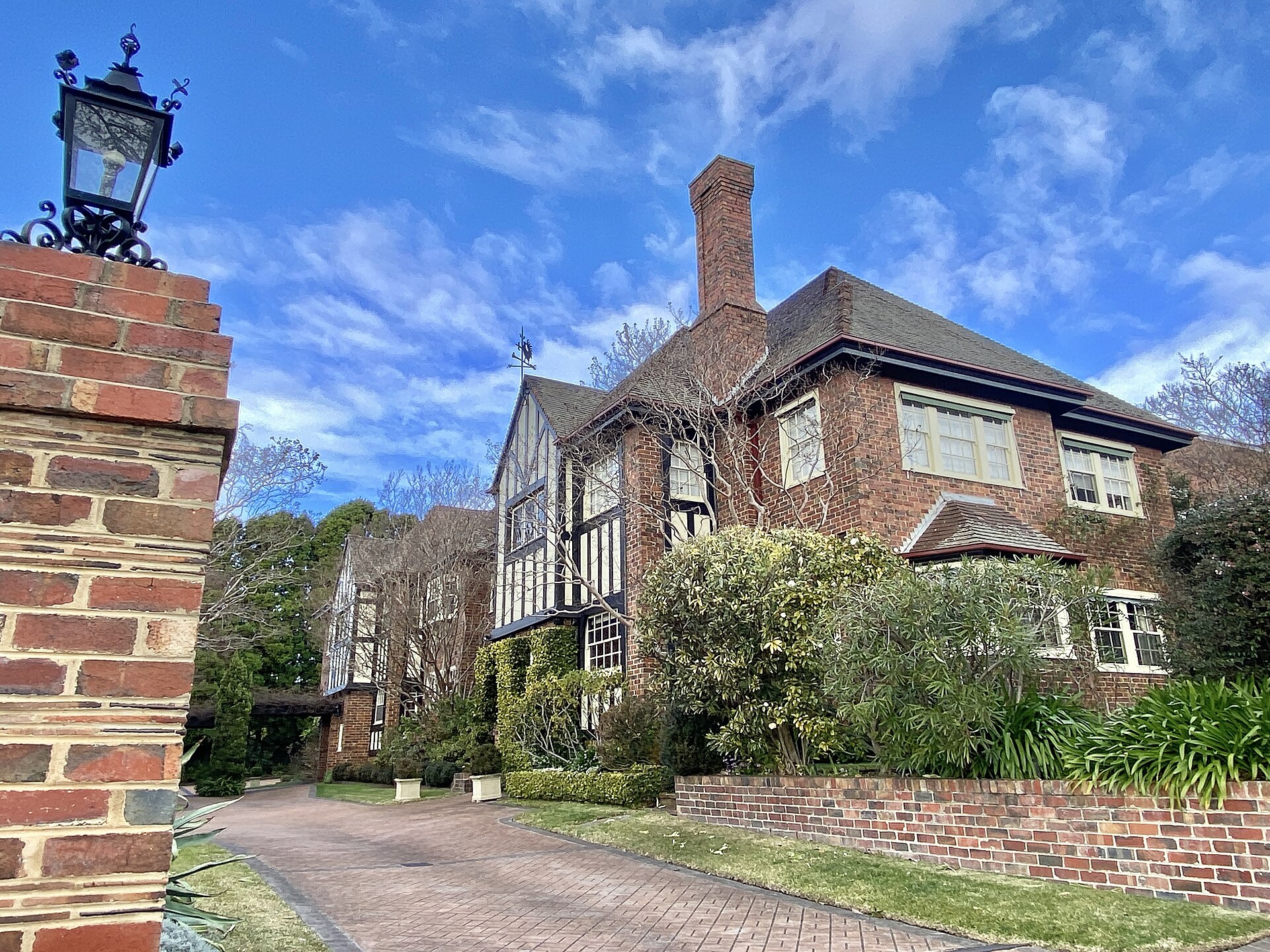
Verdict Box
Best for: high-income renters who want a tiny, controlled suburb with train access, tram access and a low-friction run into Stonnington, Hawthorn and the city. Skip if: you need rental choice, cheap groceries at your door, late-night eating, or a lively main strip. Kooyong is expensive and small, not convenient in every daily sense. Rent pressure: severe. The suburb has so little rental stock that one or two premium apartments can distort the median. Commute reality: strong on paper via Kooyong station and route 16 tram, but Glenferrie Road can snarl at the tram/train crossing and peak-hour car trips are not as smooth as the postcode suggests. Food scene: almost non-existent inside the suburb. Nom Nom’s carries more weight than a single cafe should. Family fit: calm streets, prestige schools nearby, but limited playground-and-shopping convenience. Overall score: 7/10 if money is not the issue; 4/10 if value is.
At-a-Glance Table
| Factor | Kooyong 2026 |
|---|---|
| LGA | Stonnington City Council |
| Postcode | 3144 |
| Geographic tier | Inner |
| Region | inner-south-east |
| Transport grade | n/a |
| Overall grade | n/a |
Who It Suits
Daniel, 41, finance commuter — wants Glen Waverley line access without living in a busier apartment suburb. The Downsizing Couple — can pay for quiet streets, low maintenance and a short drive to Toorak, Malvern and Hawthorn. Priya, 34, school-zone strategist — accepts thin rental choice because the surrounding private-school belt matters more than nightlife.
Rent & Property Reality
Median 1BR rent: about $570 per week in 2026; YoY change for Kooyong one-bedroom units is not reliably published as a separate figure, so use the suburb-wide unit trend as the warning light. Realestate.com.au reports Kooyong’s median unit rent at $900 per week, up 22% over the past 12 months, while Domain shows the practical one-bedroom search spilling into nearby Toorak, Malvern, Hawthorn and Hawthorn East because Kooyong itself is so small.
That means the headline number needs careful reading. Kooyong is not a normal rental suburb with deep apartment supply and a clean ladder from studio to one-bed to two-bed. It is a pocket suburb with prestige houses, scattered apartments, a station, the Kooyong Lawn Tennis Club precinct, and a rental market where available homes can change the mood quickly. A renter budgeting $570 a week for a one-bed should not expect a broad menu of neat Kooyong-only options. In practice, that budget often means monitoring surrounding suburbs and jumping fast when something genuinely inside Kooyong appears.
The real budget problem is not just rent. Kooyong can push up incidental costs because convenience is fragmented. You may save time on the train, then spend more on groceries, takeaway, rideshares, petrol, tennis-club-adjacent social spending, or simply driving to Glenferrie Road Hawthorn, Malvern, Toorak Village or Camberwell for better choice. If you own a car, parking matters more than the suburb’s wealthy image implies: older apartments may have tight spaces, visitor parking is limited, and streets near the station and major roads can be contested during peak periods.
For singles, Kooyong only makes financial sense if commute quality or local quiet is worth paying a premium over nearby Hawthorn East, Glen Iris or Malvern. For couples, the equation improves because the rent can be split and the suburb’s calm does have real value. For families, the weekly rent is only the entry fee; school fees, car costs and larger-home scarcity are what turn Kooyong from expensive into selective.
Local Reality & Pockets
Favour the quieter residential pockets set back from Glenferrie Road, Toorak Road and the Monash Freeway edge. Streets around Talbot Crescent, Mernda Road and Monaro Road can give you the Kooyong version people imagine: leafy, restrained, close to the station, and calmer than nearby commercial strips. The trade-off is price and scarcity. When a decent rental appears in these pockets, it is rarely competing on discount.
Be more cautious around Glenferrie Road if you are noise-sensitive. Nom Nom’s at 487 Glenferrie Road is a useful local marker: it sits on the corridor that gives Kooyong its transport value, but that same corridor brings tram traffic, car movement, the rail crossing, delivery activity and less relaxed parking. The Glenferrie Road tram/train crossing near Kooyong station is one of the area’s defining practical frustrations. It is great to have train and tram in the same pocket, but the intersection can feel clumsy at peak times, especially if you drive, cycle or walk it daily.
Toorak Road addresses can be convenient, particularly for drivers using the Monash Freeway or moving between Hawthorn, Toorak and Glen Iris, but do not confuse convenience with quiet. Check glazing, bedroom orientation and off-street parking before applying. A polished apartment can still carry road noise if the floor plan is wrong.
Transport is strong if your life aligns with it: Kooyong station is on the Glen Waverley line, and route 16 tram runs along Glenferrie Road. The gotcha is frequency and friction. A missed train late at night or a tram delayed through traffic changes the feel of the suburb quickly because there is not much to do while waiting.
Two honest gotchas stand out. First, Kooyong has very little everyday retail depth; you will leave the suburb for bigger supermarket trips, most dinners and many errands. Second, the suburb’s prestige can hide practical compromise. Some homes are beautiful but old, some apartments are costly for what they are, and paying Kooyong rent does not automatically buy modern insulation, storage or easy guest parking.
Signature Craving
Kooyong does not give you a long food shortlist. It gives you a reality check: there is one local venue doing more everyday work than the suburb’s size should demand. Nom Nom’s on Glenferrie Road is the practical craving stop, especially when you want Vietnamese-leaning cafe food without turning a simple lunch into a drive to Hawthorn or Malvern. The value is not that Kooyong has a dining strip; it plainly does not. The value is having a reliable local option near the transport spine, useful for a coffee, a quick bite, or a low-effort weekday meal. That matters in a suburb where the weekly budget can already feel inflated by rent and car-dependent errands. Treat Nom Nom’s as the local anchor, not proof of a full food scene.
Comparisons Table
| Suburb | Transport | Tier | Region |
|---|---|---|---|
| Kooyong | n/a | Inner | inner-south-east |
| Armadale | A | Inner | inner-south-east |
| Malvern | A+ | Inner | inner-south-east |
| Malvern East | N/A | Inner | inner-south-east |
Trust Block
Author: Jack Morrison — Bayside and west property correspondent. Walks every suburb he writes about.
Data: data/melbourne_suburbs_master.json (Codex per-LGA enumeration, cross-checked vs VEC + Australia Post + ABS SA2 boundaries), data/suburb_scores.json (composite percentile grades), data/venues/.json (OpenStreetMap + Gemini-verified venue catalog).
Last reviewed: 2026-05-26. Not financial advice. We do not accept paid placements in editorial.
FAQ
Q: Is Kooyong expensive to rent in 2026? A: Yes. Kooyong is expensive because supply is thin, the suburb is tiny, and the surrounding postcode logic pulls in prestige pricing from Toorak, Malvern and Hawthorn. A one-bedroom budget around $570 per week may be a starting point, but the broader unit market is much higher, with realestate.com.au reporting a $900 per week median unit rent and a 22% annual increase. The practical issue is choice: you may find more options just outside Kooyong than inside it.
Q: Can a single person live comfortably in Kooyong? A: A single person can live comfortably in Kooyong if income is strong and quiet is the priority. The suburb works well for someone who wants train access, does not need a big nightlife scene, and is happy to travel to surrounding suburbs for groceries and dining. It is less convincing for a renter trying to keep costs lean. Rent, limited local shopping, and the temptation to drive for errands can make the weekly budget feel heavier than expected.
Q: Is Kooyong good for couples on a shared budget? A: Kooyong makes more sense for couples than singles because the rent burden is shared and the suburb’s calm has practical value after work. A couple commuting to the CBD, Richmond, South Yarra, Hawthorn or Stonnington can use the train, tram and short drives effectively. The catch is lifestyle variety. If weekends revolve around restaurants, bars and spontaneous shopping, Kooyong will feel too quiet and you will spend more time in Hawthorn, Malvern, Toorak or Armadale.
Q: What are the main cost-of-living traps in Kooyong? A: The first trap is assuming high rent buys complete convenience. Kooyong has transport, but it does not have a deep supermarket, dining or services strip inside the suburb. The second trap is car cost. Even if you use the train, many errands still push you into nearby suburbs, and parking can matter more than expected. The third trap is paying a premium for an older apartment without checking heating, cooling, insulation, storage and bedroom noise.
Q: Do you need a car in Kooyong? A: You do not strictly need a car if your work is near the Glen Waverley line, route 16 tram, or an easy rideshare corridor. For daily living, though, a car is useful. Bigger grocery runs, school logistics, sport, medical appointments and most restaurant choices are easier with wheels. The suburb is small and walkable in parts, but it is not self-contained. Car-free living works best for singles or couples with simple routines and flexible delivery habits.
Q: Which Kooyong pockets are better for renters? A: Renters who want quiet should favour streets away from Glenferrie Road, Toorak Road and the freeway edge, especially pockets around Talbot Crescent, Mernda Road and Monaro Road where the residential feel is stronger. Renters who value transport above quiet may prefer being closer to Kooyong station and Glenferrie Road. The trade-off is noise, tighter parking and more daily movement outside the front door. Always inspect at peak hour, not just on a calm weekend morning.
Q: Is Kooyong family-friendly? A: Kooyong can be family-friendly if the household has the income to absorb the location premium and does not need everything within the suburb boundary. The streets can be calm, the surrounding school belt is a major draw, and access to sport and established eastern-suburb infrastructure is strong. The downside is cost and limited rental stock. Families needing a larger rental may face very few choices, high weekly rent and competition from households with deep budgets.
Q: How does Kooyong compare with Hawthorn or Malvern for value? A: Kooyong is usually weaker on value and stronger on quiet prestige. Hawthorn gives renters more apartments, more food, more shops and more student-adjacent energy. Malvern gives better everyday retail access and a broader rental spread. Kooyong gives a smaller, calmer, more exclusive feel with good transport links, but you pay for scarcity. If you want options and price discipline, compare Kooyong listings against Hawthorn East, Glen Iris and Malvern before applying.
Q: What should I inspect before signing a Kooyong lease? A: Check noise first: stand in the bedroom and living room with windows closed and open, especially near Glenferrie Road, Toorak Road, the rail line or freeway side. Check parking, storage, heating, cooling and mobile reception. Ask how bins, visitors and deliveries work because small apartment blocks can be awkward. Also test the walk to Kooyong station or the tram stop at the time you would actually use it. The suburb’s map looks easy; daily friction is what matters.
“\n{\n "@context": "https://schema.org",\n "@graph": [\n {\n "@type": "Article",\n "@id": "https://melbz.com.au/kooyong/budget-breakdown/#article",\n "headline": "Kooyong 2026: Rent Shock \u0026 Honest Local Verdict",\n "description": "Honest 2026 reality of Kooyong costs, rent pressure, transport trade-offs, food options and who should actually pay the premium.",\n "datePublished": "2026-04-01",\n "dateModified": "2026-05-26",\n "author": {\n "@type": "Person",\n "name": "Jack Morrison",\n "url": "https://melbz.com.au/authors/jack-morrison/"\n },\n "publisher": {\n "@type": "Organization",\n "name": "MELBZ",\n "url": "https://melbz.com.au/"\n },\n "mainEntityOfPage": "https://melbz.com.au/kooyong/budget-breakdown/"\n },\n {\n "@type": "BreadcrumbList",\n "itemListElement": [\n {\n "@type": "ListItem",\n "position": 1,\n "name": "Home",\n "item": "https://melbz.com.au/"\n },\n {\n "@type": "ListItem",\n "position": 2,\n "name": "Kooyong",\n "item": "https://melbz.com.au/kooyong/"\n },\n {\n "@type": "ListItem",\n "position": 3,\n "name": "Budget Breakdown",\n "item": "https://melbz.com.au/kooyong/budget-breakdown/"\n }\n ]\n },\n {\n "@type": "FAQPage",\n "mainEntity": [\n {\n "@type": "Question",\n "name": "Is Kooyong expensive to rent in 2026?",\n "acceptedAnswer": {\n "@type": "Answer",\n "text": "Yes. Kooyong is expensive because supply is thin, the suburb is tiny, and the surrounding postcode logic pulls in prestige pricing from Toorak, Malvern and Hawthorn. A one-bedroom budget around $570 per week may be a starting point, but the broader unit market is much higher, with realestate.com.au reporting a $900 per week median unit rent and a 22% annual increase. The practical issue is choice: you may find more options just outside Kooyong than inside it."\n }\n },\n {\n "@type": "Question",\n "name": "Can a single person live comfortably in Kooyong?",\n "acceptedAnswer": {\n "@type": "Answer",\n "text": "A single person can live comfortably in Kooyong if income is strong and quiet is the priority. The suburb works well for someone who wants train access, does not need a big nightlife scene, and is happy to travel to surrounding suburbs for groceries and dining. It is less convincing for a renter trying to keep costs lean. Rent, limited local shopping, and the temptation to drive for errands can make the weekly budget feel heavier than expected."\n }\n },\n {\n "@type": "Question",\n "name": "Is Kooyong good for couples on a shared budget?",\n "acceptedAnswer": {\n "@type": "Answer",\n "text": "Kooyong makes more sense for couples than singles because the rent burden is shared and the suburb’s calm has practical value after work. A couple commuting to the CBD, Richmond, South Yarra, Hawthorn or Stonnington can use the train, tram and short drives effectively. The catch is lifestyle variety. If weekends revolve around restaurants, bars and spontaneous shopping, Kooyong will feel too quiet and you will spend more time in Hawthorn, Malvern, Toorak or Armadale."\n }\n },\n {\n "@type": "Question",\n "name": "What are the main cost-of-living traps in Kooyong?",\n "acceptedAnswer": {\n "@type": "Answer",\n "text": "The first trap is assuming high rent buys complete convenience. Kooyong has transport, but it does not have a deep supermarket, dining or services strip inside the suburb. The second trap is car cost. Even if you use the train, many errands still push you into nearby suburbs, and parking can matter more than expected. The third trap is paying a premium for an older apartment without checking heating, cooling, insulation, storage and bedroom noise."\n }\n },\n {\n "@type": "Question",\n "name": "Do you need a car in Kooyong?",\n "acceptedAnswer": {\n "@type": "Answer",\n "text": "You do not strictly need a car if your work is near the Glen Waverley line, route 16 tram, or an easy rideshare corridor. For daily living, though, a car is useful. Bigger grocery runs, school logistics, sport, medical appointments and most restaurant choices are easier with wheels. The suburb is small and walkable in parts, but it is not self-contained. Car-free living works best for singles or couples with simple routines and flexible delivery habits."\n }\n },\n {\n "@type": "Question",\n "name": "Which Kooyong pockets are better for renters?",\n "acceptedAnswer": {\n "@type": "Answer",\n "text": "Renters who want quiet should favour streets away from Glenferrie Road, Toorak Road and the freeway edge, especially pockets around Talbot Crescent, Mernda Road and Monaro Road where the residential feel is stronger. Renters who value transport above quiet may prefer being closer to Kooyong station and Glenferrie Road. The trade-off is noise, tighter parking and more daily movement outside the front door. Always inspect at peak hour, not just on a calm weekend morning."\n }\n },\n {\n "@type": "Question",\n "name": "Is Kooyong family-friendly?",\n "acceptedAnswer": {\n "@type": "Answer",\n "text": "Kooyong can be family-friendly if the household has the income to absorb the location premium and does not need everything within the suburb boundary. The streets can be calm, the surrounding school belt is a major draw, and access to sport and established eastern-suburb infrastructure is strong. The downside is cost and limited rental stock. Families needing a larger rental may face very few choices, high weekly rent and competition from households with deep budgets."\n }\n },\n {\n "@type": "Question",\n "name": "How does Kooyong compare with Hawthorn or Malvern for value?",\n "acceptedAnswer": {\n "@type": "Answer",\n "text": "Kooyong is usually weaker on value and stronger on quiet prestige. Hawthorn gives renters more apartments, more food, more shops and more student-adjacent energy. Malvern gives better everyday retail access and a broader rental spread. Kooyong gives a smaller, calmer, more exclusive feel with good transport links, but you pay for scarcity. If you want options and price discipline, compare Kooyong listings against Hawthorn East, Glen Iris and Malvern before applying."\n }\n },\n {\n "@type": "Question",\n "name": "What should I inspect before signing a Kooyong lease?",\n "acceptedAnswer": {\n "@type": "Answer",\n "text": "Check noise first: stand in the bedroom and living room with windows closed and open, especially near Glenferrie Road, Toorak Road, the rail line or freeway side. Check parking, storage, heating, cooling and mobile reception. Ask how bins, visitors and deliveries work because small apartment blocks can be awkward. Also test the walk to Kooyong station or the tram stop at the time you would actually use it. The suburb’s map looks easy; daily friction is what matters."\n }\n }\n ]\n }\n ]\n}\n”