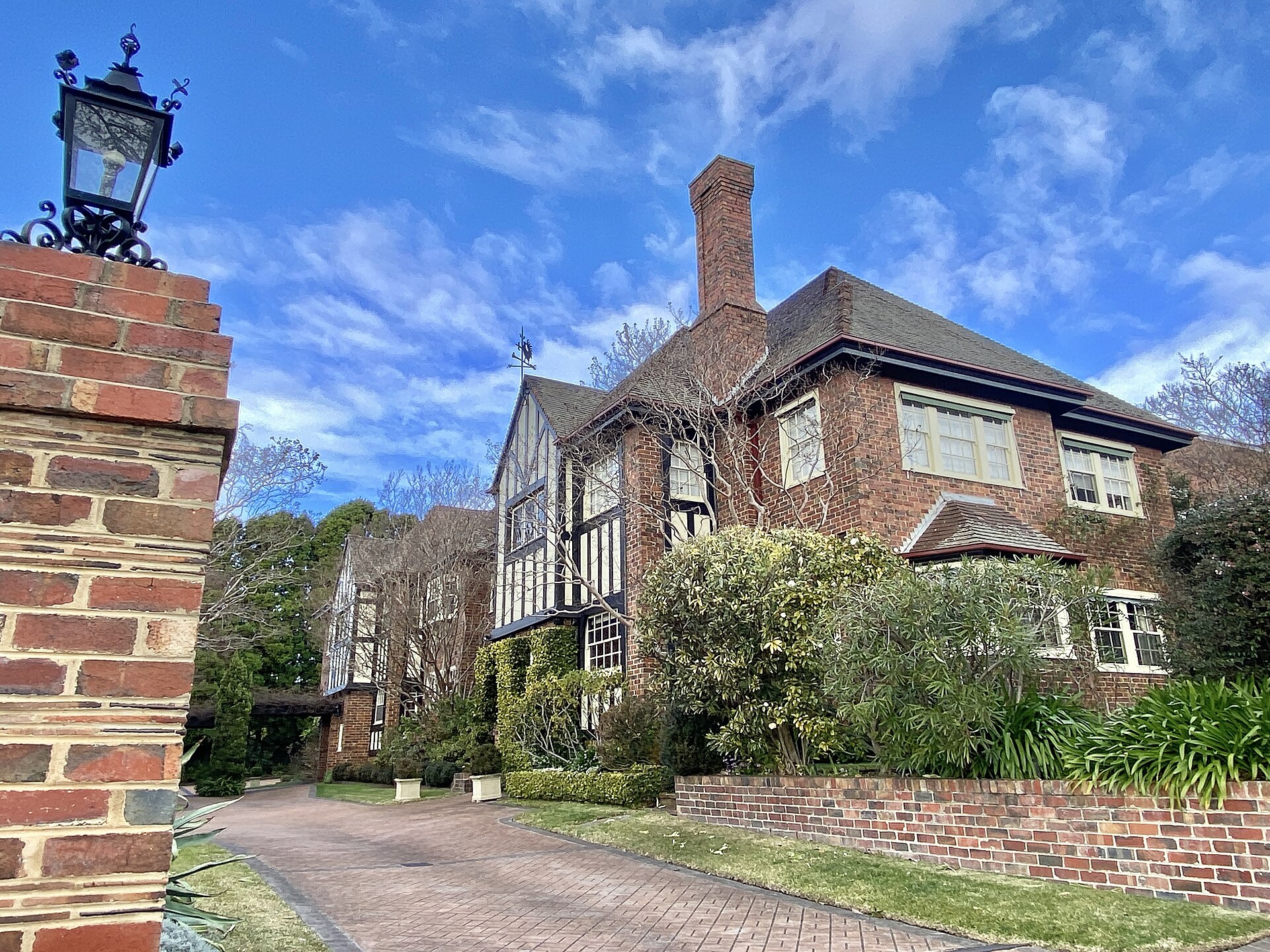
Verdict Box
Best for: high-income downsizers, couples who want rail access without Chapel Street intensity, and families already priced into the private-school belt. Skip if: you need nightlife, rental choice, forgiving budgets or a suburb where errands happen on foot after 7 pm. Rent pressure: sharp. Kooyong has few rentals, and the cheaper stock is usually older apartments near the transport spine rather than polished houses. Commute reality: the Glen Waverley line is the ace, but Glenferrie Road and the tram-train crossing can make driving feel slower than the map suggests. Food scene: one local cafe anchor, then you are leaning on Hawthorn, Malvern and Toorak. Family fit: strong for quiet streets and access to schools, weaker for children who want parks, shops and friends all within one simple walk. Overall score: 7.2/10. Kooyong is excellent if you can afford its constraints; overrated if you expect prestige to equal convenience.
At-a-Glance Table
| Factor | Kooyong 2026 |
|---|---|
| LGA | Stonnington City Council |
| Postcode | 3144 |
| Geographic tier | Inner |
| Region | inner-south-east |
| Transport grade | n/a |
| Overall grade | n/a |
Who It Suits
Claire, 44, school-belt parent — wants a calm address near tram, train and established private-school routes. The Downsizing Professional — values station access, low street drama and older apartments with less tower density. Marcus, 36, city commuter — will pay extra to be near Kooyong station and avoid the Prahran-style weekend churn.
Rent & Property Reality
Median 1BR rent: about $500 per week in early 2026, with the wider Kooyong unit rental market showing roughly +11% annual pressure on recent realestate.com.au listing data. Treat that number as a practical asking-rent guide rather than a neat suburb-wide truth, because Kooyong has a small rental pool and the sample can swing hard when a few premium units hit the market. The useful comparison is the live stock: Domain’s Kooyong one-bedroom rental listings show the realistic band for renters who are also looking at Toorak, Malvern, Hawthorn East and nearby Glenferrie Road pockets.
Plainly, $500 a week does not buy the Kooyong fantasy. It usually buys an older one-bedroom apartment, a compact floor plan, and a trade-off between parking, presentation and noise. If the listing is close to Glenferrie Road, Toorak Road or Kooyong station, inspect for traffic sound, tram bell noise, rail vibration and how much natural light the unit actually gets. If the rent looks cheap for the postcode, there is usually a reason: dated kitchen, poor storage, no proper workspace, awkward parking, or a building where the common areas have not kept pace with the suburb’s price tag.
The biggest trap is comparing Kooyong to cheaper inner-south suburbs on rent alone. Kooyong’s rent premium is not about having more to do. It is about access: the Glen Waverley line, Route 16 tram on Glenferrie Road, quick runs to the Monash Freeway, and proximity to Toorak, Malvern and Hawthorn amenities without living inside their busiest strips. That is valuable, but only if your week actually uses those connections.
For renters, the checklist is blunt. Inspect midweek near peak hour, not only on a quiet Saturday. Ask whether the car space is on title, tandem, permit-dependent or first-come. Check mobile reception inside the apartment because older solid buildings can be patchy. If you work from home, do not assume a prestige suburb means quiet. Kooyong’s better rental value is usually one street back from the movement corridors, not directly on them.
Local Reality & Pockets
Kooyong is small, and that matters. You are not choosing between five different village personalities; you are choosing how close you want to sit to transport, traffic and prestige housing. The most practical pocket for commuters is around Kooyong station, Monaro Road and the Glenferrie Road spine. It gives you fast access to the Glen Waverley line, Route 16 tram and the cafe strip around Nom Nom’s, but it also brings the obvious costs: rail noise, road movement, tram bells and event traffic around Kooyong Lawn Tennis Club.
If you want the quieter Kooyong experience, look deeper into the residential streets away from Glenferrie Road and Toorak Road. Talbot Crescent and the more tucked-in streets toward the Toorak side feel more settled, with less casual traffic and a stronger house-and-garden rhythm. Moralla Road-style pockets can suit families and downsizers who care more about calm than stepping out to dinner. The trade-off is that you may still be paying Kooyong money while doing many daily errands in Malvern, Hawthorn or Toorak.
The streets to be wary of are not bad streets; they are compromise streets. Anything hard up against Glenferrie Road needs a noise test with windows open and closed. Anything close to the rail line needs a vibration and sleep test. Anything relying on street parking needs a weekday check, because the station, tram, tennis club and nearby businesses can put pressure on spaces at annoying times. Event days at Kooyong Lawn Tennis Club are not constant, but when they land, the suburb feels much less private than the price suggests.
Two honest gotchas stand out. First, Kooyong is less walkable than the postcode prestige implies. You can get coffee and transport, but the richer grocery, dinner and service options sit outside the suburb. Second, driving is not always the shortcut. The Glenferrie Road tram-train crossing and the Toorak Road approaches can stack up, especially when school traffic, trams and station movement overlap. If you are moving here for calm, choose the street before you choose the facade.
Signature Craving
Nom Nom’s at 487 Glenferrie Road is the local reality check: Kooyong does not have a long dining strip, but it does have a useful cafe with Vietnamese-fusion leanings right where commuters and locals actually pass. This is the place for a quick coffee, a banh-mi-adjacent lunch, or a low-fuss stop before the train rather than a suburb-defining restaurant scene. The bigger point is that Kooyong residents outsource plenty of eating to Malvern, Hawthorn and Toorak, so your move should not be based on expecting a deep local food roster. Glenferrie Road Convenience is the craving here: one dependable stop near the station, then a short drive or tram ride when you want more choice. That is fine for busy professionals and parents. It will frustrate anyone who wants dinner variety at the end of their street.
Comparisons Table
| Suburb | Transport | Tier | Region |
|---|---|---|---|
| Kooyong | n/a | Inner | inner-south-east |
| Armadale | A | Inner | inner-south-east |
| Malvern | A+ | Inner | inner-south-east |
| Malvern East | N/A | Inner | inner-south-east |
Trust Block
Author: Jack Morrison — Bayside and west property correspondent. Walks every suburb he writes about.
Data: data/melbourne_suburbs_master.json (Codex per-LGA enumeration, cross-checked vs VEC + Australia Post + ABS SA2 boundaries), data/suburb_scores.json (composite percentile grades), data/venues/.json (OpenStreetMap + Gemini-verified venue catalog).
Last reviewed: 2026-05-26. Not financial advice. We do not accept paid placements in editorial.
FAQ
Q: Is Kooyong a good suburb to move to in 2026? A: Kooyong is a good move if you are buying or renting for access, quiet streets and established inner-east status rather than entertainment. The suburb suits people who use the Glen Waverley line, Route 16 tram, nearby private schools and the Malvern-Toorak-Hawthorn service network. It is less convincing for renters who want choice, nightlife, supermarkets within a simple walk, or a strong cafe and restaurant strip. The price is high because the location is scarce and tightly held, not because Kooyong gives you every daily convenience inside its boundary.
Q: What is the biggest downside of living in Kooyong? A: The biggest downside is that Kooyong can feel expensive for the amount of everyday amenity inside the suburb itself. You get strong transport access and a prestigious address, but the local food and shopping offer is thin. Many errands push you into Malvern, Hawthorn, Toorak or Camberwell depending on your route. The other downside is movement noise. Close to Glenferrie Road, Toorak Road, Kooyong station or the rail line, the suburb is not as hushed as people imagine when they see the house prices.
Q: Which streets or pockets should renters inspect first? A: Renters should start near Kooyong station only if train access is genuinely important, then compare that convenience against noise and parking. Monaro Road and streets near the station work for commuters, but you need to test rail and tram sound. If you want calmer living, inspect the more residential pockets away from Glenferrie Road and Toorak Road, including streets around Talbot Crescent and the quieter house-dominated areas. The right Kooyong rental is usually not the cheapest listing; it is the one with tolerable noise, secure parking and enough light.
Q: Is Kooyong suitable for families with children? A: Kooyong can suit families very well, especially those already oriented around the inner-east school network, sport, private-school commutes and quieter residential streets. The suburb has a calm residential feel in its better pockets, and the transport links make cross-suburb school and work routines manageable. The limitation is that children may not get the same easy local strip life they would in Hawthorn, Malvern or Armadale. Families should inspect footpaths, road crossings, parking and the school-run route at the actual times they will use them, not just on weekends.
Q: Do you need a car in Kooyong? A: You can live in Kooyong without a car if your work and social life line up with the Glen Waverley train line, Route 16 tram and short rides to nearby suburbs. In practice, many households still keep at least one car because grocery runs, children’s activities, medical appointments and weekend errands often sit outside Kooyong. The suburb is transport-rich but not amenity-dense. If you are renting an apartment, do not treat parking as a minor detail. Confirm whether the space is secure, allocated and easy to access before applying.
Q: How noisy is Kooyong near the station and Glenferrie Road? A: Noise varies sharply by position. Close to Kooyong station, the rail line, Glenferrie Road or the tram-train crossing, you can get train movement, tram noise, road traffic and occasional congestion. Some apartments handle it well with double glazing and better orientation; others feel exposed as soon as windows open. Inspect during weekday peak and stand silently in the bedroom for a minute. Also check balcony usability, because a balcony facing a transport corridor can look good online but be unpleasant for calls, sleep-ins or summer evenings.
Q: Is Kooyong good value for renters? A: Kooyong is rarely cheap value in the simple dollars-per-bedroom sense. You are paying for postcode, transport, scarcity and proximity to wealthier neighbouring suburbs. A renter who mainly wants space may do better in Glen Iris, Carnegie, parts of Malvern East or further along the train line. Kooyong makes more sense when the commute saving, school access or quieter street profile has real weekly value to you. The key is to compare actual listings, not suburb reputation. A dated Kooyong one-bedroom can be worse value than a better nearby apartment.
Q: What should I check before signing a lease in Kooyong? A: Check noise, parking, heating and cooling, storage, mobile reception and the exact commute. Kooyong has older apartments and prestige homes, and both can hide practical problems. In apartments, look for thin windows, awkward shared laundries, dark living rooms and car spaces that are difficult to use. In houses, check garden maintenance obligations, insulation and whether the property sits on a rat-run between major roads. Walk the street after work hours, not only during the inspection slot, because parking and traffic pressure can change the feel quickly.
Q: Is Kooyong better than Toorak, Malvern or Hawthorn? A: Kooyong is not broadly better; it is narrower. Compared with Toorak, it is usually quieter and more transport-focused around the station, but it lacks Toorak’s depth of shops and dining. Compared with Malvern, it has less everyday convenience but can feel more tucked away. Compared with Hawthorn, it is calmer and more residential, but far less active. Choose Kooyong if you want a small, controlled suburb with strong links out. Choose the neighbours if you want more choice at street level and a wider rental pool.
“\n{\n "@context": "https://schema.org",\n "@graph": [\n {\n "@type": "Article",\n "@id": "https://melbz.com.au/kooyong/moving-checklist/#article",\n "headline": "Kooyong 2026: Prestige, Train Noise \u0026 Honest Local Verdict",\n "description": "Honest 2026 reality of Kooyong before you move: rents, streets to favour, transport trade-offs, food limits and who should skip it.",\n "datePublished": "2026-04-01",\n "dateModified": "2026-05-26",\n "author": {\n "@type": "Person",\n "name": "Jack Morrison",\n "url": "https://melbz.com.au/authors/jack-morrison/"\n },\n "publisher": {\n "@type": "Organization",\n "name": "MELBZ",\n "url": "https://melbz.com.au/"\n },\n "mainEntityOfPage": "https://melbz.com.au/kooyong/moving-checklist/"\n },\n {\n "@type": "BreadcrumbList",\n "itemListElement": [\n {\n "@type": "ListItem",\n "position": 1,\n "name": "Home",\n "item": "https://melbz.com.au/"\n },\n {\n "@type": "ListItem",\n "position": 2,\n "name": "Kooyong",\n "item": "https://melbz.com.au/kooyong/"\n },\n {\n "@type": "ListItem",\n "position": 3,\n "name": "Moving Checklist",\n "item": "https://melbz.com.au/kooyong/moving-checklist/"\n }\n ]\n },\n {\n "@type": "FAQPage",\n "mainEntity": [\n {\n "@type": "Question",\n "name": "Is Kooyong a good suburb to move to in 2026?",\n "acceptedAnswer": {\n "@type": "Answer",\n "text": "Kooyong is a good move if you are buying or renting for access, quiet streets and established inner-east status rather than entertainment. The suburb suits people who use the Glen Waverley line, Route 16 tram, nearby private schools and the Malvern-Toorak-Hawthorn service network. It is less convincing for renters who want choice, nightlife, supermarkets within a simple walk, or a strong cafe and restaurant strip. The price is high because the location is scarce and tightly held, not because Kooyong gives you every daily convenience inside its boundary."\n }\n },\n {\n "@type": "Question",\n "name": "What is the biggest downside of living in Kooyong?",\n "acceptedAnswer": {\n "@type": "Answer",\n "text": "The biggest downside is that Kooyong can feel expensive for the amount of everyday amenity inside the suburb itself. You get strong transport access and a prestigious address, but the local food and shopping offer is thin. Many errands push you into Malvern, Hawthorn, Toorak or Camberwell depending on your route. The other downside is movement noise. Close to Glenferrie Road, Toorak Road, Kooyong station or the rail line, the suburb is not as hushed as people imagine when they see the house prices."\n }\n },\n {\n "@type": "Question",\n "name": "Which streets or pockets should renters inspect first?",\n "acceptedAnswer": {\n "@type": "Answer",\n "text": "Renters should start near Kooyong station only if train access is genuinely important, then compare that convenience against noise and parking. Monaro Road and streets near the station work for commuters, but you need to test rail and tram sound. If you want calmer living, inspect the more residential pockets away from Glenferrie Road and Toorak Road, including streets around Talbot Crescent and the quieter house-dominated areas. The right Kooyong rental is usually not the cheapest listing; it is the one with tolerable noise, secure parking and enough light."\n }\n },\n {\n "@type": "Question",\n "name": "Is Kooyong suitable for families with children?",\n "acceptedAnswer": {\n "@type": "Answer",\n "text": "Kooyong can suit families very well, especially those already oriented around the inner-east school network, sport, private-school commutes and quieter residential streets. The suburb has a calm residential feel in its better pockets, and the transport links make cross-suburb school and work routines manageable. The limitation is that children may not get the same easy local strip life they would in Hawthorn, Malvern or Armadale. Families should inspect footpaths, road crossings, parking and the school-run route at the actual times they will use them, not just on weekends."\n }\n },\n {\n "@type": "Question",\n "name": "Do you need a car in Kooyong?",\n "acceptedAnswer": {\n "@type": "Answer",\n "text": "You can live in Kooyong without a car if your work and social life line up with the Glen Waverley train line, Route 16 tram and short rides to nearby suburbs. In practice, many households still keep at least one car because grocery runs, children’s activities, medical appointments and weekend errands often sit outside Kooyong. The suburb is transport-rich but not amenity-dense. If you are renting an apartment, do not treat parking as a minor detail. Confirm whether the space is secure, allocated and easy to access before applying."\n }\n },\n {\n "@type": "Question",\n "name": "How noisy is Kooyong near the station and Glenferrie Road?",\n "acceptedAnswer": {\n "@type": "Answer",\n "text": "Noise varies sharply by position. Close to Kooyong station, the rail line, Glenferrie Road or the tram-train crossing, you can get train movement, tram noise, road traffic and occasional congestion. Some apartments handle it well with double glazing and better orientation; others feel exposed as soon as windows open. Inspect during weekday peak and stand silently in the bedroom for a minute. Also check balcony usability, because a balcony facing a transport corridor can look good online but be unpleasant for calls, sleep-ins or summer evenings."\n }\n },\n {\n "@type": "Question",\n "name": "Is Kooyong good value for renters?",\n "acceptedAnswer": {\n "@type": "Answer",\n "text": "Kooyong is rarely cheap value in the simple dollars-per-bedroom sense. You are paying for postcode, transport, scarcity and proximity to wealthier neighbouring suburbs. A renter who mainly wants space may do better in Glen Iris, Carnegie, parts of Malvern East or further along the train line. Kooyong makes more sense when the commute saving, school access or quieter street profile has real weekly value to you. The key is to compare actual listings, not suburb reputation. A dated Kooyong one-bedroom can be worse value than a better nearby apartment."\n }\n },\n {\n "@type": "Question",\n "name": "What should I check before signing a lease in Kooyong?",\n "acceptedAnswer": {\n "@type": "Answer",\n "text": "Check noise, parking, heating and cooling, storage, mobile reception and the exact commute. Kooyong has older apartments and prestige homes, and both can hide practical problems. In apartments, look for thin windows, awkward shared laundries, dark living rooms and car spaces that are difficult to use. In houses, check garden maintenance obligations, insulation and whether the property sits on a rat-run between major roads. Walk the street after work hours, not only during the inspection slot, because parking and traffic pressure can change the feel quickly."\n }\n },\n {\n "@type": "Question",\n "name": "Is Kooyong better than Toorak, Malvern or Hawthorn?",\n "acceptedAnswer": {\n "@type": "Answer",\n "text": "Kooyong is not broadly better; it is narrower. Compared with Toorak, it is usually quieter and more transport-focused around the station, but it lacks Toorak’s depth of shops and dining. Compared with Malvern, it has less everyday convenience but can feel more tucked away. Compared with Hawthorn, it is calmer and more residential, but far less active. Choose Kooyong if you want a small, controlled suburb with strong links out. Choose the neighbours if you want more choice at street level and a wider rental pool."\n }\n }\n ]\n }\n ]\n}\n”