Malvern Rent Guide 2026: Prices, Tips, and Market Analysis
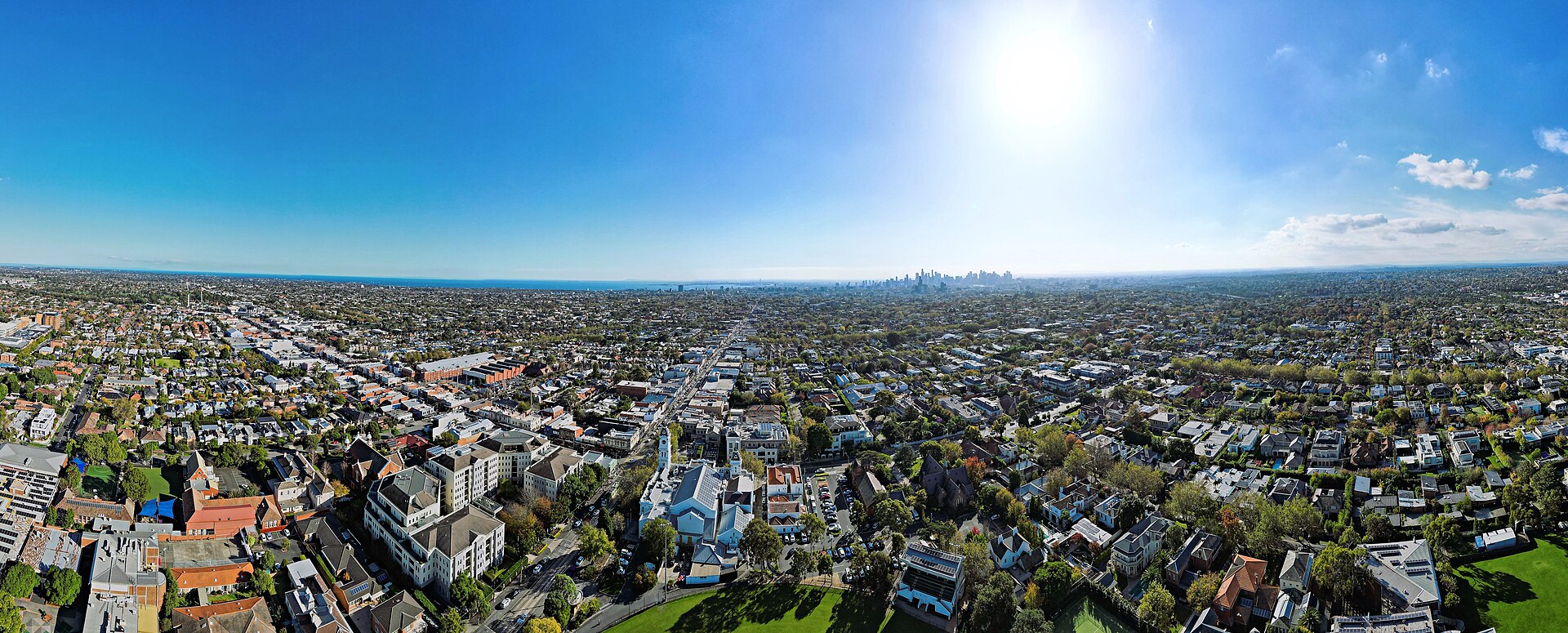
Malvern (3144) is 9km from Melbourne’s CBD with a population of 11,800. The rental market here reflects its inner-suburb positioning with consistent demand and limited vacancy. Whether you are looking for a share house room, a studio, or a family home, this guide covers current rental prices, what to expect during inspections, and practical strategies for securing a property.
The rental market in Malvern is competitive but not impossible to navigate. Preparation and speed are the two factors that separate successful applicants from those who spend months searching.
Current Rental Prices in Malvern
| Property type | Weekly rent | Monthly estimate |
|---|---|---|
| Room in share house | $200-280/week | $866-1,213/month |
| Studio apartment | $340-400/week | $1,473-1,733/month |
| 1-bedroom apartment | $380/week | $1,646/month |
| 2-bedroom apartment | $480-580/week | $2,080-2,513/month |
| 3-bedroom house | $680-880/week | $2,946-3,813/month |
These figures are based on Domain and REIV data as of early 2026. Actual rents vary by property condition, age, floor level (for apartments), and exact location within the suburb. Properties on quiet residential streets typically rent for 5-10% less than those on main commercial strips.
Vacancy Rate and Competition
Malvern’s vacancy rate sits at approximately 1.5-2.5% (inner Melbourne average). This means:
- Good properties attract 10-30 applications
- Well-presented applications with references stand out significantly
- Be prepared to apply for 5-15 properties before securing one
- Properties near train stations and tram stops command 5-15% premiums
The rental market is tightest in January-February (start-of-year moves and new students) and July (mid-year leases turning over). Searching in March-May or September-November typically means less competition and occasionally more room for negotiation.
The Application Process
A successful rental application in Malvern requires:
- 100 points of ID: Passport or driver’s licence, Medicare card, utility bill showing current address
- Proof of income: Three months of bank statements or pay slips showing you can afford the rent (agents typically want rent to be no more than 30% of gross income)
- Rental history: References from previous landlords or agents. If this is your first rental, a character reference and a guarantor letter strengthen your application.
- Cover letter: A brief, professional note explaining who you are, why you want this property, and your rental track record. This sounds like overkill, but in a competitive market it makes a difference.
Application platforms: Most Malvern rental agents use 2Apply, 1Form, or Snug for digital applications. Having your documents pre-loaded on these platforms means you can submit within minutes of an inspection.
What to Check During Inspections
Do not rely on photos alone. During in-person inspections in Malvern, check:
- Natural light: South-facing apartments in Melbourne get minimal sun in winter
- Noise: Stand quietly and listen. Main road traffic, tram noise, and pub noise are common in inner suburbs
- Water pressure: Run the shower and kitchen tap simultaneously
- Storage: Older apartments in Malvern often have minimal built-in storage
- Phone reception: Test your mobile signal in each room
- Dampness: Check for mould in bathrooms, under sinks, and around window frames
- Laundry: In-unit or shared? Shared laundries with coin machines add $10-20/month
Comparing Malvern to Nearby Suburbs
Moving one or two suburbs further from the CBD can save $30-60 per week on rent:
- Armadale: Slightly different price point with comparable amenity
- Glen Iris: Slightly different price point with comparable amenity
- Toorak: Slightly different price point with comparable amenity
Factor in transport costs when comparing suburbs. A $40/week rent saving loses its value if you spend $20/week more on commuting. Calculate the total cost (rent + transport + time value) before deciding.
Renter’s Rights in Victoria
Key protections for tenants in Malvern:
- Bond: Maximum 4 weeks rent, held by RTBA (Residential Tenancies Bond Authority)
- Rent increases: Once per year for periodic leases, with 60 days notice. You can challenge unreasonable increases through VCAT.
- Repairs: Urgent repairs (broken hot water, gas leak, flooding) must be addressed within 24 hours. Non-urgent repairs within 14 days.
- Entry notice: Landlords must give 24 hours notice before entering, except in emergencies.
- Breaking lease: Financial penalties apply but are capped. Calculate the break-lease cost before committing to a longer lease.
Consumer Affairs Victoria publishes a comprehensive renter’s guide in multiple languages at consumer.vic.gov.au.
Frequently Asked Questions
How much is rent in Malvern?
One-bedroom apartments in Malvern rent for approximately $380/week ($1,646/month). Share house rooms run $200-280/week. Two-bedroom apartments sit at $480-580/week.
Is it hard to find a rental in Malvern?
Malvern’s vacancy rate is around 1.5-2.5%. Good properties attract multiple applications. Prepare your documents in advance, use digital application platforms, and submit within hours of inspection.
When is the best time to rent in Malvern?
Demand peaks in January-February (start of year) and July (mid-year). March-May and September-November typically have less competition and more negotiating room on price.
Data sourced from Domain median prices, REIV vacancy rates, Consumer Affairs Victoria. Compiled April 2026.