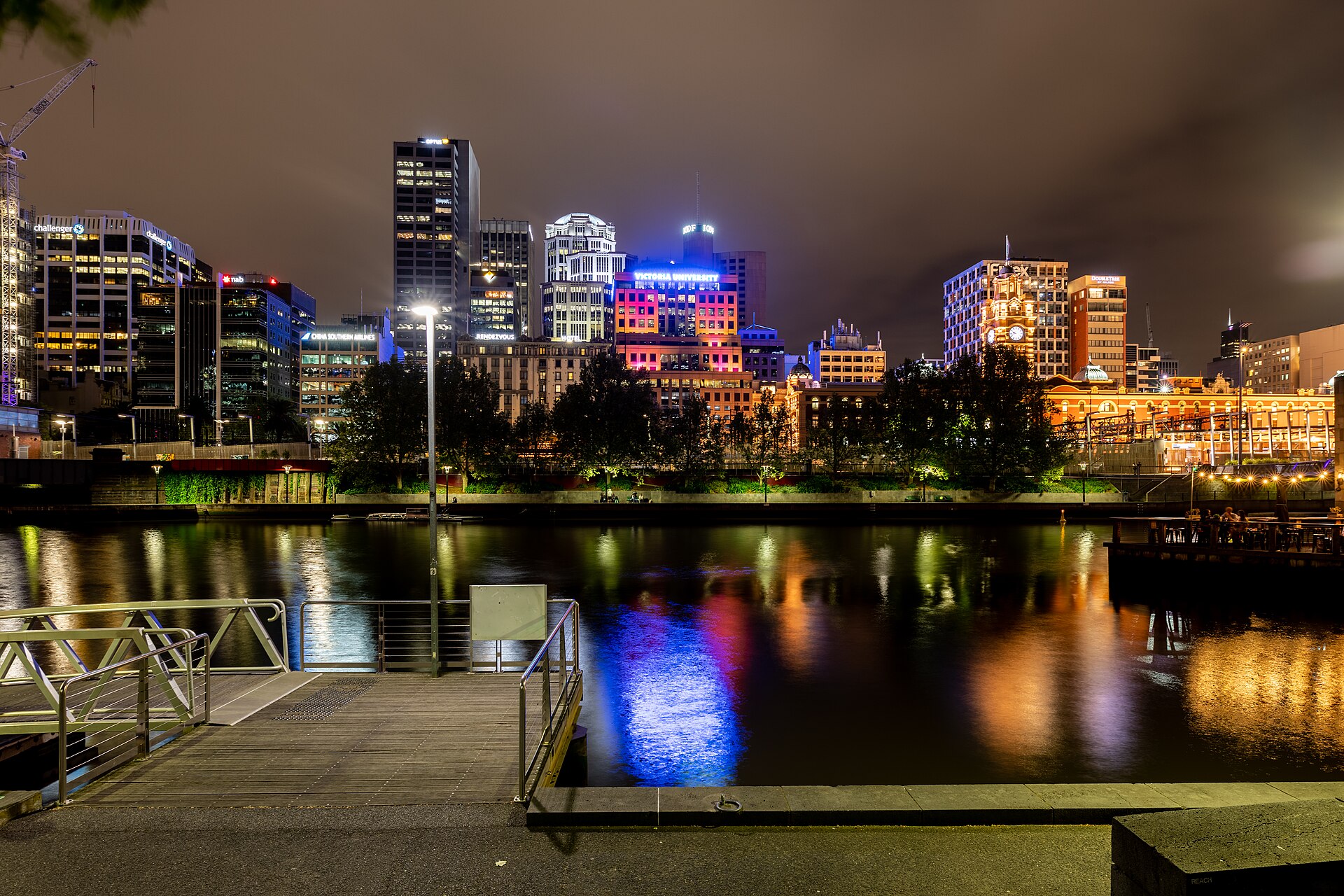
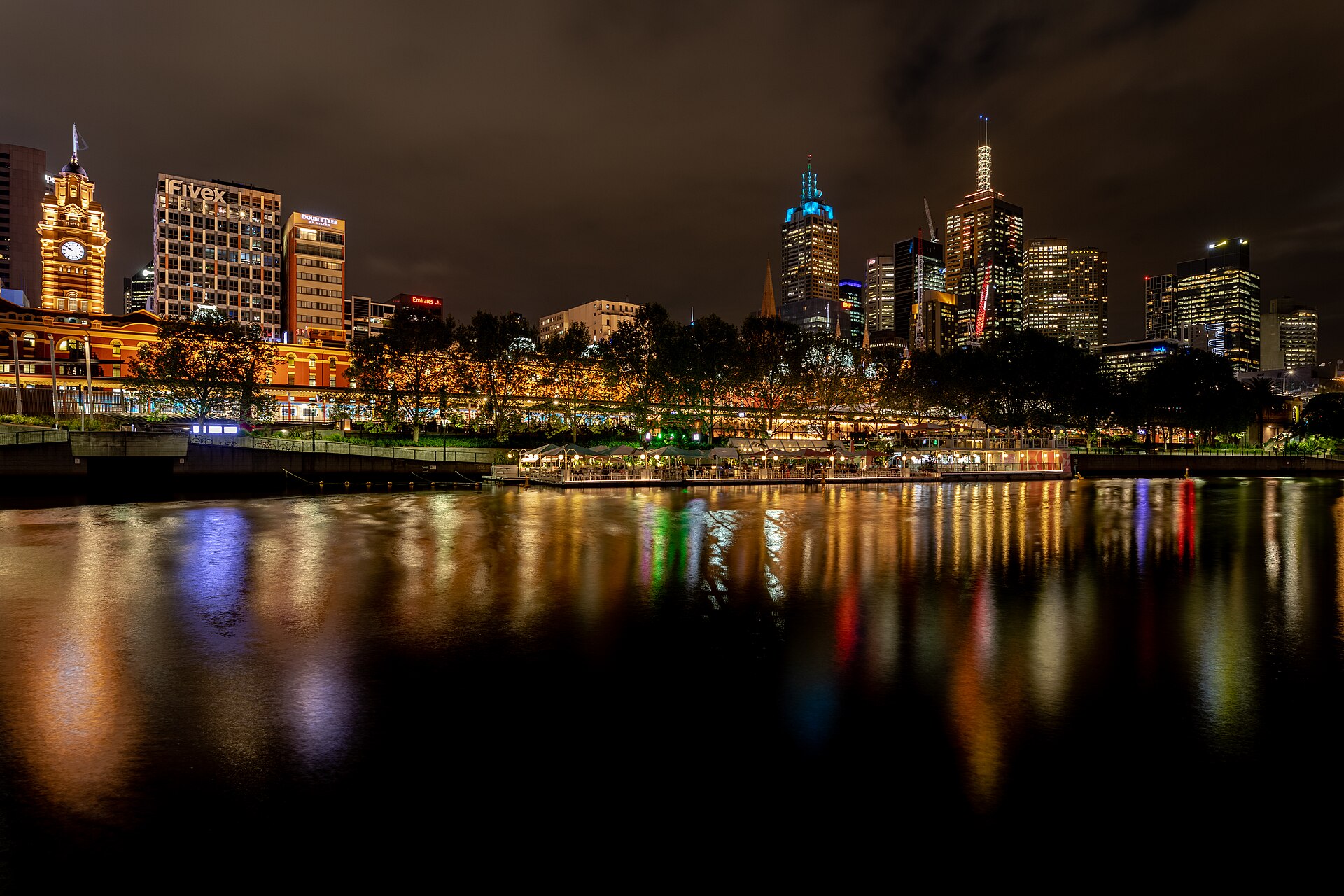
Melbourne CBD is the centre of everything. Postcode 3000, City of Melbourne council, and 2.6 square kilometres of laneways, tram tracks, and dining options that make other Australian capitals look like they are still working things out.
If you are thinking about living here, visiting, or just trying to decide whether the CBD deserves your Saturday night, here is the honest rundown.
Where Is Melbourne CBD?
The Hoddle Grid sits between Spring Street to the east, Spencer Street (Southern Cross) to the west, La Trobe Street to the north, and Flinders Street to the south. The grid was surveyed by Robert Hoddle in 1837 and the basic layout has not changed since.
Bordering suburbs include Southbank across the Yarra, Carlton to the north, Fitzroy and East Melbourne to the northeast, and Docklands to the west. Each of those suburbs extends your dining, drinking, and weekend options well beyond the CBD postcode.
Transport — Five Stations and a Free Tram Zone
Melbourne CBD has more public transport density than anywhere else in the country.
Train stations: Flinders Street (the main junction for southeastern and eastern lines), Southern Cross (western, northern lines plus regional V/Line), Melbourne Central (connects to the northern suburbs), Parliament (eastern lines), and Flagstaff (northern lines). The City Loop connects all five underground stations.
Free Tram Zone: Every tram within the CBD grid is free. No Myki tap required inside the zone boundaries. Routes 96 down Bourke Street, 86 along Bourke to Northcote, and 109 along Collins Street are the workhorses.
Cycling: Protected lanes on Swanston Street, La Trobe Street, and Exhibition Street. The Capital City Trail loops the CBD perimeter.
Full details in our Melbourne CBD Transport Guide.
Eating and Drinking
The CBD restaurant scene runs from $8 banh mi on Little Bourke Street to $315 kaiseki at Ishizuka. Chinatown along Little Bourke Street between Swanston and Exhibition is one of the oldest in the Western world and still serves some of the best cheap dumplings in the city.
Collins Street and Flinders Lane hold the fine dining end — Gimlet at Cavendish House, Tipo 00, and Flower Drum. The laneways between them hide cocktail bars, wine bars, and the sort of coffee that Melbourne built its reputation on.
Coffee is sorted at Patricia Coffee Brewers on Little Bourke Street, Brother Baba Budan around the corner, and Higher Ground in the converted power station further west.
- Best Restaurants in Melbourne CBD
- Best Cafes in Melbourne CBD
- Best Bars in Melbourne CBD
- Cheap Eats Under $20
- Best Coffee in Melbourne CBD
Who Lives Here?
CBD residents include international students (RMIT and University of Melbourne are walking distance), young professionals who want the walk-to-work life, downsizers in the higher-end apartments along Collins Street, and a smaller cohort of families who have chosen density over backyard space. The median age sits around 29 to 31 and the population is notably diverse.
Is Melbourne CBD Right for You?
You will like Melbourne CBD if:
- You want walkability above everything else
- You value the Free Tram Zone saving you $40-plus a week
- You prefer laneway bars and Chinatown dumplings over suburban quiet
- You work in the CBD and want to eliminate the commute
It might not suit you if:
- You need silence and a backyard
- Budget is tight — one-bedroom apartments average $480 to $580 a week
- You want a tight-knit neighbourhood community rather than transient apartment living
- Construction noise and late-night crowds bother you
Key Landmarks and Streets
- Swanston Street — The main north-south spine from Flinders Street Station to Melbourne Central
- Bourke Street Mall — Pedestrian shopping strip with Myer and David Jones
- Collins Street — The “Paris End” east of Russell Street for luxury retail, working west for finance
- Flinders Lane — Laneway dining, galleries, and some of the best independent fashion
- Hosier Lane — Melbourne’s most famous street art laneway, opposite Federation Square
- Queen Victoria Market — Fresh produce, deli goods, and Saturday morning crowds
Living Here — The Deep Dive
- The Honest Guide to Melbourne CBD
- Melbourne CBD for Families
- Melbourne CBD for Young Professionals
- Melbourne CBD for Retirees
- Cost of Living in Melbourne CBD
- Transport Guide
- History of Melbourne CBD
FAQ
What postcode is Melbourne CBD? Postcode 3000, within the City of Melbourne local government area.
Is the Free Tram Zone really free? Yes. Any tram travel within the marked Free Tram Zone boundaries costs nothing. You do not need to tap your Myki. The zone covers the entire CBD grid and extends into Docklands.
Which train station should I use? Flinders Street for southeastern and eastern lines. Southern Cross for western, northern, and regional services. Melbourne Central connects to the northern suburbs. Parliament serves the Hurstbridge and Mernda lines. Flagstaff covers similar northern lines.
Is Melbourne CBD safe at night? Main streets and well-lit laneways are generally safe. Exercise standard caution around Flinders Street Station’s Elizabeth Street exit and along Swanston Street between 2am and 4am on weekends.
The Verdict
Melbourne CBD is not for everyone and it does not pretend to be. It is loud, expensive, and the apartment walls are thin. But the concentration of food, art, music, transport, and employment within walking distance is unmatched anywhere in Australia. If you value convenience and cultural density above space and quiet, postcode 3000 delivers.
Suburbs Near Melbourne CBD
- Southbank — High-rise riverside living with Arts Centre views
- Carlton — Lygon Street Italian dining and university culture
- Fitzroy — Street art, live music, and Brunswick Street bars
- South Yarra — Chapel Street retail and the Royal Botanic Gardens
Got something to add about Melbourne CBD? Email [email protected].