
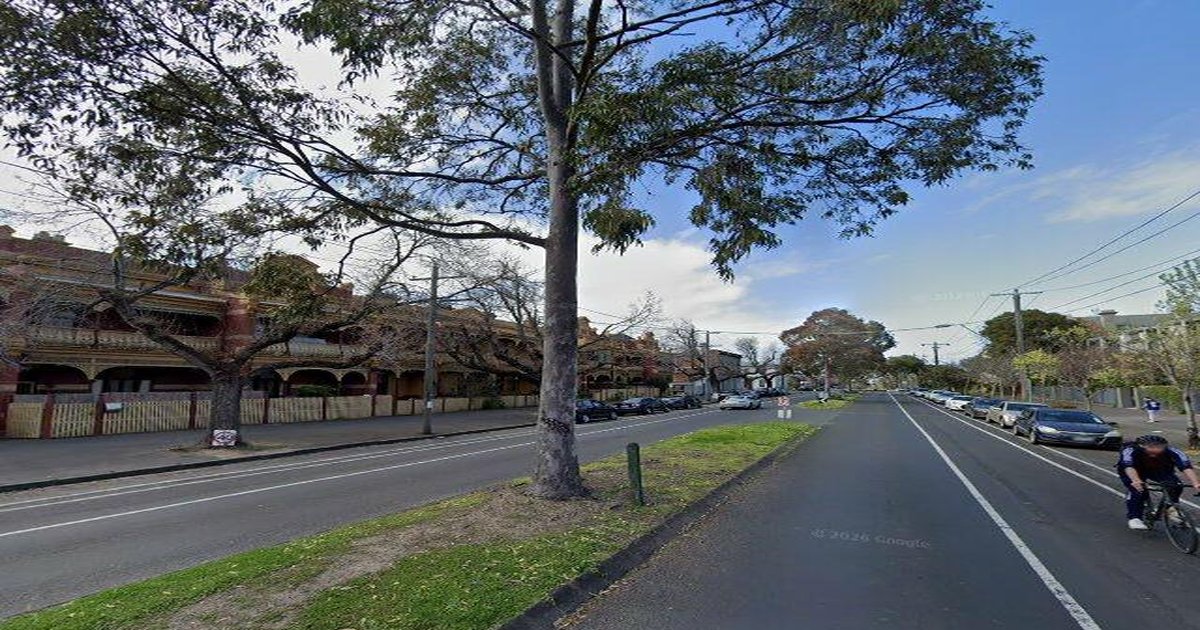



This is the actual weekly budget for living in Moving To Melbourne 2026 Guide in 2026. Not averages from a national database. Not estimates from someone who has never been here. Real costs, sourced locally, broken down by household type.
The Quick Numbers
| Expense | Single | Couple | Family (2 kids) |
|---|---|---|---|
| Rent | $260/wk | $325/wk | $449/wk |
| Groceries | $136/wk | $217/wk | $299/wk |
| Transport | $37/wk | $66/wk | $74/wk |
| Utilities | $49/wk | $49/wk | $68/wk |
| Internet/Phone | $70/wk | $70/wk | $70/wk |
| Weekly Total | $692/wk | $853/wk | $1292/wk |
| Monthly Total | $2768/mo | $3412/mo | $5168/mo |
| Annual Total | $35,984/yr | $44,356/yr | $67,184/yr |
Housing Costs Breakdown
Housing is the biggest line item regardless of your situation. Here is what the Moving To Melbourne 2026 Guide rental market looks like right now:
Renting in Moving To Melbourne 2026 Guide (April 2026):
- One-bedroom apartment: $260-340/week
- Two-bedroom apartment or unit: $325-425/week
- Three-bedroom house: $449-599/week
- Room in a share house: $203-253/week
These figures come from current Domain and realestate.com.au listings for Moving To Melbourne 2026 Guide. They shift quarterly – check our rent guide for the latest medians.
Groceries & Food
Your grocery bill in Moving To Melbourne 2026 Guide depends on where you shop and how often you eat out:
Weekly grocery spend:
- Budget (Aldi, home brands, minimal eating out): $96-126/week
- Standard (Coles/Woolworths mix, occasional dining): $136-166/week
- Premium (specialty stores, organic, regular dining): $176-236/week
Local options: Coles and Woolworths handle most needs. Some residents drive to Aldi for savings of $30-50/week on a standard shop.
Eating out benchmark: A decent cafe brunch runs $18-26 per person. A mid-range dinner for two: $70-110 without drinks. Budget accordingly – this is where most Moving To Melbourne 2026 Guide households blow their budget.
Transport Costs
A car is essentially mandatory. Public transport exists but adds significant commute time.
Weekly transport budget:
- Myki (full fare): ~$37/week for daily commuting
- Car running costs (fuel, rego, insurance, servicing): $120-180/week
- Car + occasional PT: $150-200/week combined
Parking: Parking is rarely an issue. Most homes have driveways or garages.
Utilities & Bills
The quarterly bills that catch people off guard:
| Utility | Single | Couple | Family |
|---|---|---|---|
| Electricity | $25-35/wk | $30-45/wk | $40-60/wk |
| Gas (if connected) | $10-18/wk | $12-22/wk | $15-28/wk |
| Water | $8-12/wk | $10-15/wk | $12-20/wk |
| Internet (NBN) | $20-25/wk | $20-25/wk | $20-25/wk |
| Mobile | $10-15/wk | $20-30/wk | $30-50/wk |
Winter warning: Gas heating in Moving To Melbourne 2026 Guide pushes winter bills up 40-60%. Budget an extra $15-30/week from June to August.
The Hidden Costs Nobody Mentions
These are the expenses that blow budgets in Moving To Melbourne 2026 Guide:
- Council rates: $1632/year (if you own)
- Body corporate: $6862/year (apartments)
- Insurance: $80-150/month (contents for renters, building for owners)
- Childcare: $100-180/day before subsidies
- School fees: $0 for public, $5,000-15,000/year for private
- Pet costs: $50-100/month (vet, food, insurance)
How Moving To Melbourne 2026 Guide Compares
Compared to CBD living, you save $100-200/week on rent alone. The trade-off is longer commute times but significantly more space.
For a detailed suburb-to-suburb comparison, see our property market analysis and cost of living guide.
Budget Tips for Moving To Melbourne 2026 Guide Residents
- Shop at Aldi first – saves $30-50/week on a standard grocery shop
- Use Myki money (not pass) if you work hybrid – only pay when you travel
- Compare energy plans quarterly – new estates often have solar-ready homes that slash bills
- Share house if single – saves $57/week vs living alone
- Avoid shopping centre impulse spending – set a weekly dining/entertainment budget and stick to it
Budget data compiled from ABS household expenditure surveys, local rental listings (Domain, realestate.com.au), and utility comparison sites. Updated April 2026. Individual circumstances vary.
💬 Discussion
Join the conversation — no account needed