Verdict Box
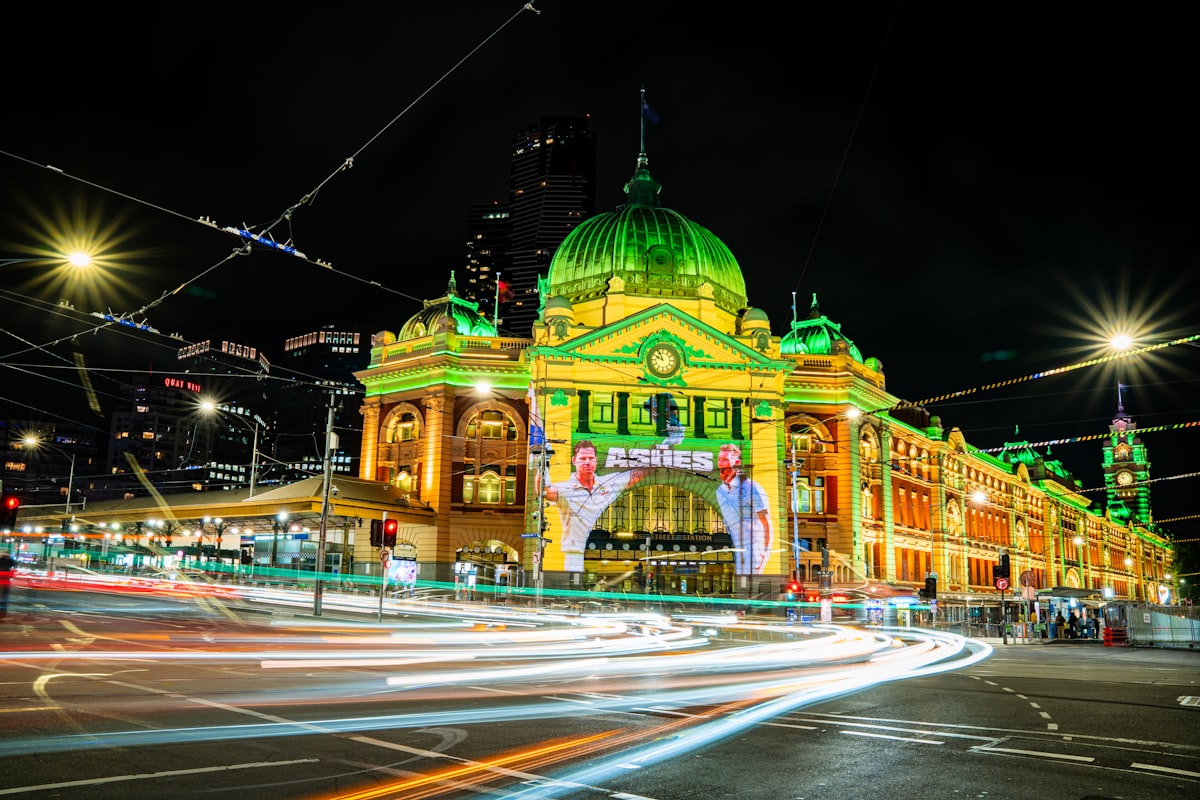
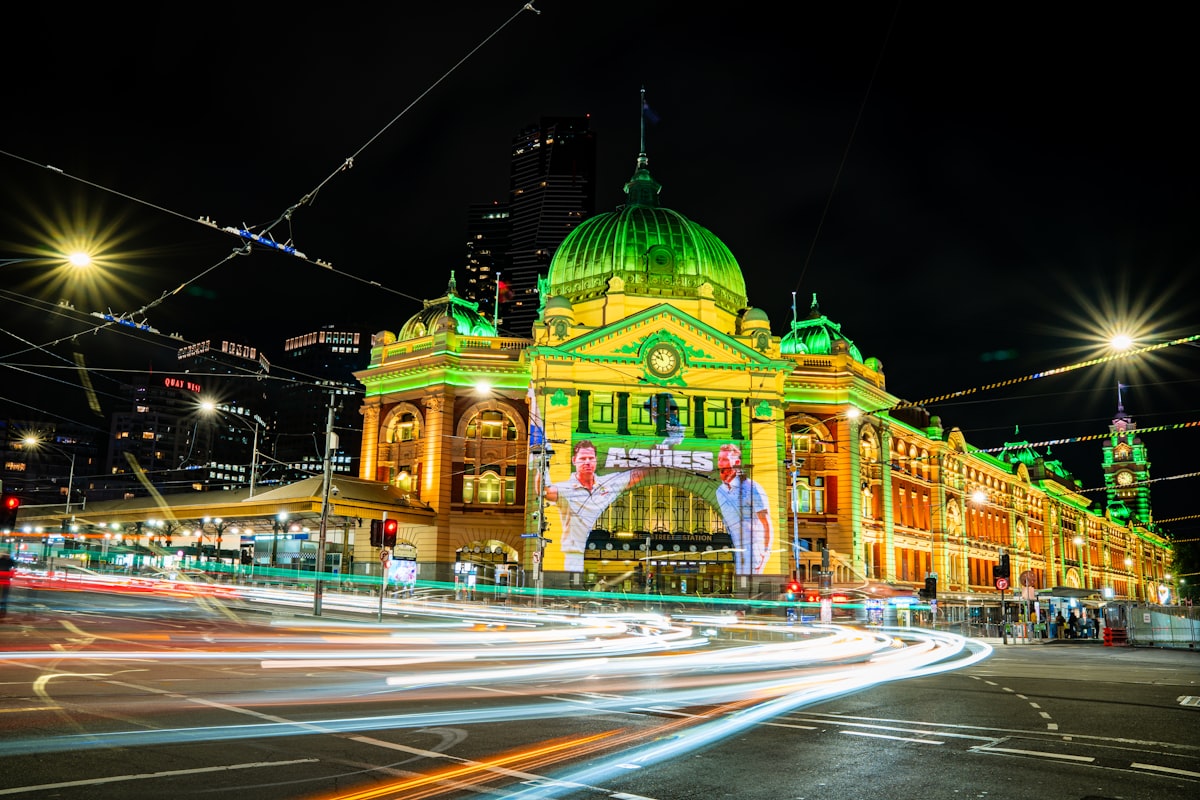
Honest reality: Nightlife is not a gazetted Melbourne suburb, so the honest local verdict is to treat this as a cost-of-living guide for living near the CBD night economy rather than a suburb profile with neat borders. Best for: renters who actually use late trading, walk home, and value tram access more than a backyard. Skip if: you want quiet sleep before midnight, easy visitor parking, or pub access without spillover noise. Rent pressure: real, especially around Melbourne 3000 and inner-north apartments, but supply is deeper than in family-house suburbs. Commute reality: excellent if your work is in the CBD, Docklands, Carlton, Fitzroy, Richmond or Southbank; annoying if you need a car daily. Food scene: strong nearby, but the cheapest dinner is still groceries at home, not another late snack after two drinks. Family fit: poor for young kids unless you are very deliberate about street choice. Overall score: 6.5/10 if you use the night economy, 3/10 if you only like the idea of it.
At-a-Glance Table
| Factor | Nightlife 2026 |
|---|---|
| LGA | n/a |
| Postcode | n/a |
| Geographic tier | n/a |
| Region | n/a |
| Transport grade | n/a |
| Overall grade | n/a |
Who It Suits
Marcus, 38, hospo-adjacent — wants to walk to late food, complain about prices, then still order the extra slice. The Shift Worker — gets value from trams, late kitchens and being close to venues after normal commuters go home. The Car-Free Renter — can live smaller because the money goes into location, transport and nights out instead of rego and parking.
Rent & Property Reality
Median 1BR rent: $550/week, with REA’s March 2026 rental data pointing to Melbourne rents rising about 6.1% year-on-year; see the current realestate.com.au Melbourne 3000 rental profile and REA’s March 2026 rental prices report. The annoying footnote is that Nightlife is not an official suburb, so there is no clean Domain suburb page for “nightlife-vic”. The most honest proxy is Melbourne 3000 and the nearby CBD-edge apartment market, because that is where most people mean when they say they want to live near nightlife.
At $550/week, a one-bedroom apartment is not a cheap lifestyle choice. It is roughly $28,600 a year before bills, bond, moving costs, furniture, streaming, mobile, contents insurance and the small weekly leaks that come with living near places open late. If you earn $80,000 before tax, rent alone can feel manageable on paper and tight in real life once you add food, transport, drinks, rideshares, gym, medical costs and debt repayments. If you earn closer to hospitality wages, the maths gets harsh fast unless you share, pick an older building, or accept a smaller floor plan.
The upside is substitution. Living close to the CBD can cut car costs, parking fees and some rideshare spend. A $550 one-bed near Russell Street, Queen Street, Elizabeth Street, Swanston Street or the top of Bourke Street can make sense if you walk or tram most places and genuinely use the location four or five times a week. It makes far less sense if you still drive to work, pay for secure parking, and only go out once a fortnight.
The weekly budget nobody admits: rent $550, utilities and internet $55-$80, groceries $110-$160 if disciplined, public transport $30-$55 depending on habits, two modest nights out $90-$180, and one tired rideshare mistake $25-$60. The difference between “fine” and “wrecked” is not the first drink; it is the repeat convenience spending around it.
Local Reality & Pockets
Because Nightlife is a theme rather than a real suburb, the useful street advice is about CBD-edge pockets. Favour Russell Street north of Bourke if you want late bars nearby but still want some tram and shopping practicality. The Russell and Lonsdale area puts you near Heartbreaker, Chinatown, Melbourne Central and Swanston Street trams, but it also means sirens, delivery trucks and people yelling after midnight. Queen Street and William Street are better if you want a slightly more office-worker rhythm, though some blocks feel empty late and can be dull rather than peaceful.
If you are renting, be careful around King Street unless nightlife noise is the whole point. It is convenient, but the mix of clubs, late taxis, loading zones and weekend crowds can wear thin. Swanston Street is useful for trams and students, but apartments facing the street can cop tram bells, foot traffic and street performers. Little Collins Street, Flinders Lane and some laneway apartments look romantic in inspections and then punish you with bin collection, kitchen exhaust, bottle noise and zero sunlight.
Parking is the trap. If the listing says no car space, assume street parking will be painful and paid parking will change your budget. If it includes a stacker, inspect the stacker, ask about breakdowns, and check body corporate rules before pretending it is the same as a normal basement bay. Transport is the strength: trains from Melbourne Central, Parliament, Flagstaff, Flinders Street and Southern Cross cover a lot of the city, while trams on Swanston, Elizabeth, Collins, Bourke and La Trobe make short trips easy.
Two honest gotchas: first, newer apartment towers can have thin internal noise, so the neighbour’s afters may matter more than the bar downstairs. Second, food delivery access is often worse than expected; riders get lost, lifts are slow, and late-night building entry can turn dinner into a lobby negotiation.
Signature Craving
Honest reality: there is no Nightlife venue catalogue here because Nightlife is not a normal suburb with a tidy high street. The nearest honest anchor is the CBD. Heartbreaker on Russell Street in Melbourne CBD is the sort of place people imagine when they say they want to live near nightlife: late hours, pizza by the slice, pool, loud rooms, and a crowd that does not care about your inspection spreadsheet. That is also the budget warning. One “quick drink” can become a $70 night before the rideshare app even opens. If you live close enough to walk home, the venue becomes cheaper and more dangerous at the same time: cheaper because transport drops out, dangerous because convenience removes friction. The real signature craving is not fine dining; it is a late slice after you promised yourself you were going straight home.
Comparisons Table
| Suburb | Transport | Tier | Region |
|---|---|---|---|
| Nightlife | n/a | n/a | n/a |
| Fitzroy | C | Inner | inner-north |
| St Kilda | B | Inner | inner-south |
| Brunswick | A+ | North | middle-north |
Trust Block
Author: Marcus Cole — Long-time Melbourne local who eats his way through the inner-east. Property cynic.
Data: data/melbourne_suburbs_master.json (Codex per-LGA enumeration, cross-checked vs VEC + Australia Post + ABS SA2 boundaries), data/suburb_scores.json (composite percentile grades), data/venues/.json (OpenStreetMap + Gemini-verified venue catalog).
Last reviewed: 2026-05-26. Not financial advice. We do not accept paid placements in editorial.
FAQ
Q: Is Nightlife actually a Melbourne suburb? A: No. Nightlife is not a gazetted suburb, which matters because rent data, school zones, council services and suburb medians do not exist for it in the way they do for Melbourne 3000, Fitzroy, Collingwood, Richmond or Southbank. For budgeting, treat this page as a guide to living near Melbourne’s night economy, mostly CBD and inner-edge apartment territory. That means the numbers are best read as proxies, not a clean suburb median with a neat postcode boundary.
Q: What is a realistic weekly budget for one person near CBD nightlife? A: A realistic solo budget starts with about $550 a week for a one-bedroom apartment around Melbourne 3000, then another $250-$400 depending on habits. Utilities, internet and mobile can sit around $70-$110 a week when averaged. Groceries might be $110-$160 if you cook. Public transport is manageable, but nights out are the leak: two drinks, food and a late snack can quietly add $80-$150. The renter who survives here tracks convenience spending, not just rent.
Q: Is it cheaper to live close to nightlife if I stop using rideshares? A: It can be, but only if you actually replace rideshares with walking, trams or trains. Saving two $35 rideshares a week is meaningful, but it disappears if living nearby makes you go out more often. The location is financially useful for shift workers, hospo staff and regular CBD social plans because transport friction drops. It is not automatically cheaper for people who still drive, pay for parking, order delivery constantly or use the location as an excuse for extra midweek spending.
Q: Which streets should I be cautious about before renting? A: Be cautious with apartments directly facing King Street, Swanston Street, Russell Street, Lonsdale Street and busy laneways off Flinders Lane or Little Collins Street. These can be excellent locations, but noise patterns are different after dark: taxis, venue queues, bottle collection, commercial bins, tram bells, delivery riders and people leaving bars. Inspect at night if possible, not just at 10am on a weekday. Also check whether the bedroom faces the street, an internal lightwell, a loading dock or another apartment tower.
Q: Can I live here without a car? A: Yes, and that is one of the few ways the budget starts to make sense. The CBD and nearby inner suburbs give you trains, trams, walking access and decent bike options. Removing rego, insurance, fuel, servicing and parking can offset a higher rent. The catch is that car-free living works best when your job, friends, gym and groceries fit the network. If you regularly need cross-suburb trips at awkward hours, the rideshare bill can replace the car bill faster than expected.
Q: Is the area good for quiet renters? A: Only in carefully chosen buildings. Quiet renters should avoid street-facing apartments above late venues, major tram corridors and laneways with commercial bins. Look for higher floors, double glazing, bedrooms away from the facade, solid internal doors and buildings with strict short-stay rules. A newer tower is not automatically quiet; internal neighbour noise can be worse than street noise. The best inspection test is simple: stand silently in the bedroom for two minutes and listen for lifts, plumbing, hallway doors and bass.
Q: What are the biggest hidden costs of living near nightlife? A: The hidden costs are convenience and building friction. You spend more because food, drinks, snacks and delivery are always available. You may also pay more for secure parking, storage cages, moving lifts, body corporate move-in bookings, replacement keys and short-term accommodation if a lease starts awkwardly. Visitors can struggle with parking, which pushes social plans into paid venues. Even groceries can cost more if you rely on small-format CBD supermarkets instead of planning bigger shops outside peak hours.
Q: Is it better to rent in the CBD or just outside it? A: Just outside the CBD often gives better sleep and a more normal weekly rhythm. Carlton, North Melbourne, Southbank, South Melbourne, Fitzroy, Collingwood and Richmond can still put you close to late venues while offering more residential streets. The CBD wins on transport and walkability, especially for people working odd hours. The edge suburbs win if you want cafes, parks, slightly easier parking and fewer 3am street moments. The right answer depends on whether nightlife is your routine or your occasional treat.
Q: What should I check at an inspection before signing? A: Check the bedroom orientation, glazing, lift wait times, rubbish room location, loading dock position, intercom reliability, parcel system, bike storage and whether short-stay apartments operate in the building. Ask about embedded electricity networks because some towers lock renters into specific providers. Look up the street at night and on a Friday if you can. Then price the whole week, not just rent: groceries, transport, parking, drinks, gym, laundry, delivery and the cost of getting home when the last sensible decision has already passed.