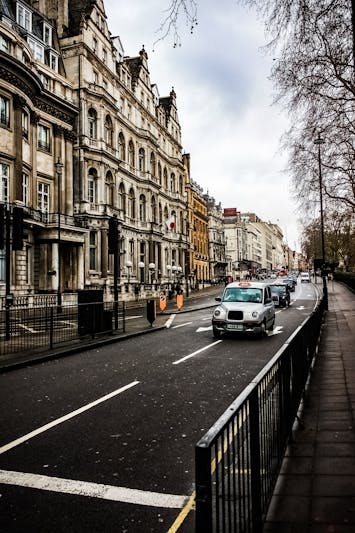
Living in Northcote as a British expat works if you can match the suburb’s character to your daily life and accept the trade-offs. This is the honest local guide — what the day-to-day actually looks like, what you’ll like, what you’ll grumble about, and how the suburb compares to the London or northern-English equivalent you’re probably comparing it against.
The Northcote Profile
Northcote sits at postcode 3070, 6km from the Melbourne CBD. Inner-north; high street strip; gentrified working-class roots; large lgbt+ population.
The defining streets are High St, St Georges Rd, Westgarth St. The resident demographic is creative professionals, public-sector workers, families, queer households. Northcote is what happens when Brunswick fully gentrifies and prices out its early adopters — High Street is where you’ll find the better record shops and the louder politics.
For the broader British-expat suburb context, see Where Do Most British Expats Live in Melbourne?.
Your Weekday Rhythm
The honest weekday in Northcote for a British arrival working in the CBD:
- Morning: walk or tram to High St for a coffee — Melbourne café standard runs higher than London suburban average
- Commute: 17-28 minutes by tram routes 86 during peak; longer if you drive
- Lunch: High St or the CBD depending on where work lands
- Evening: groceries at the local Coles or Woolworths, dinner at home or a casual local restaurant
- Weekday after-work: a pint on High St runs AUD 12-15 a pint
The CBD-and-back rhythm is comparable to a Zone 2-3 London commute in time but meaningfully cheaper in monthly transport cost. For the full transport-cost comparison, see Melbourne vs London Cost of Living.
Your Weekend in Northcote
The standard British-arrival weekend pattern in Northcote:
- Saturday morning: brunch at a High St café — Melbourne brunch culture is one of the genuine quality-of-life upgrades
- Saturday afternoon: the CBD or one of the inner-suburb high streets
- Saturday evening: dinner locally or in the inner-suburb hospitality belt
- Sunday morning: brunch again, market run, or a slow start
- Sunday afternoon: a walk along the bay or Albert Park Lake
Sunday roast options in or near Northcote: multiple inner-Melbourne pubs run roasts May-September.
What Costs What
Realistic monthly budget for a British professional couple living in Northcote:
- Rent (2-bed): $650-$900/wk for a 2-bed terrace
- Bills (electricity, gas, water, internet): AUD 350-550/month
- Groceries (couple): AUD 800-1,100/month
- Transport (Myki monthly Pass): AUD 173/person if commuting daily
- Eating out and bars (couple): AUD 600-1,200/month depending on frequency
- Council rates (if buying): AUD 2,200-3,500/year
For the full Melbourne-versus-London cost breakdown, see Melbourne vs London Cost of Living.
What You’ll Genuinely Like
- High St as a daily anchor — coffee, services, weekday life within a 10-minute walk
- The tram corridor running you to the CBD without needing a car most days
- The Melbourne brunch standard — meaningfully better than London suburban equivalent
- The weekend regional access — Mornington Peninsula, Yarra Valley, or Great Ocean Road all sit within 60-90 minutes
- The summer evening culture — outdoor dining and bayside walks from October to April
What You’ll Grumble About
The honest list, drawn from British arrivals:
- The winter — Melbourne June-August is wet and grey; not as cold as English winter but older terrace stock runs poorly insulated by UK standards
- The distance from family — 22 hours of flight time, once-a-year visits the realistic norm
- The grocery prices on imported British items (Branston Pickle, Heinz Salad Cream, Walkers shortbread)
- The sun in summer — UV index at 11+ requires SPF 50+ as default
- The pub-closing time — most Northcote pubs close by 11pm-1am, earlier than UK equivalents
- The lack of a proper London-style takeaway curry — Australian curry standards run good but different
The Schools Question
For families, the Northcote primary and secondary catchment is a working mix of state and private options at primary level, with secondary requiring zone-checking on the Department of Education website. For the full UK-to-Victoria school year conversion, see UK School Year Equivalent in Victoria.
The Healthcare Setup
Standard Medicare-plus-private-health setup applies. The nearest major hospital sits within 5-15 minutes by car. Multiple GP clinics across High St. For the British-arrival healthcare picture, see Medicare for British Expats.
The British Community Texture
Northcote is what happens when Brunswick fully gentrifies and prices out its early adopters — High Street is where you’ll find the better record shops and the louder politics. For the specific British social anchors in Northcote, see The British Community in Northcote which covers pubs, sport, and where Brits gather here.
Who Northcote Suits Most
The honest fit:
- Yes if you match creative professionals demographically
- Yes if your work runs in or near the CBD with the tram corridor working for you
- Probably not if your work is in the outer-east or south-east
- Probably not if you need genuine inner-city walking-density 24/7 — even Northcote’s High St runs quieter than London Zone-2 equivalents after 9pm
The Five-Year Question
Most British arrivals who stay five years in Northcote report: easier than expected to settle, harder than expected to integrate fully into the broader Australian social structure (this is true across Melbourne, not just Northcote), and the lifestyle upside (outdoor space, regional access, summer evenings) becomes the structural reason to stay rather than the headline financial picture.
The One-Sentence Summary
Living in Northcote as a British expat works for creative professionals matching the 6km-from-CBD commute and the tram corridor — and the day-to-day quality of life runs comparable to Zone 2-3 London with meaningfully more space and a different but equally rich food culture.