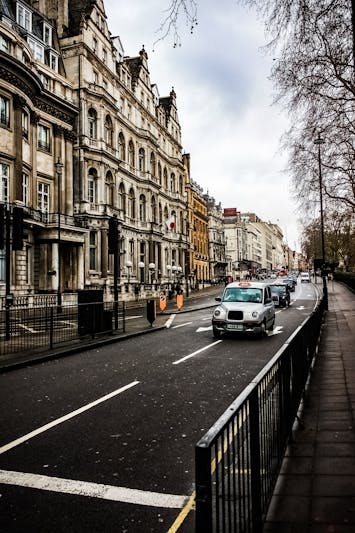
The honest verdict for British arrivals weighing Port Melbourne as a place to live: it works if professionals matches your stage of life and you’ve checked the 109 access against your daily commute. Port Melbourne carries genuine maritime history — Princes Pier hosted the post-WWII migrant ships including a sizeable share of British ‘Ten Pound Pom’ arrivals between 1947 and the 1970s.
This guide is for British expats — recently arrived or in the planning phase — assessing whether Port Melbourne is the right Melbourne suburb for your first year, your family year, or your settled phase.
Where Port Melbourne Actually Sits
Port Melbourne is postcode 3207, roughly 4km from the Melbourne CBD. Bayside inner; bay street strip; spirit of tasmania ferry terminal; modernised port-side apartments.
The defining streets are Bay St, Beach St, Williamstown Rd — these are where the suburb lives and where you’ll spend your weekends if you settle here. The resident demographic skews toward professionals, downsizers, young families, expat workers.
By Melbourne hierarchy, Port Melbourne sits in the inner-to-middle ring — close enough to the CBD that public transport works, far enough out that you’re in a recognisable suburb rather than a high-rise corridor.
Transport: How Port Melbourne Connects
The transport picture is the single biggest practical factor for a British arrival used to Tube-style frequency:
- Train: Light rail 109
- Tram: tram routes 109
- CBD commute time: typically 15-22 minutes during peak, depending on mode
- Driving: 4km to the CBD; allow 25-45 minutes during peak hour
For full Melbourne-versus-London transport comparison, see Melbourne vs London Cost of Living.
What Living in Port Melbourne Costs
Rental pricing in Port Melbourne for British arrivals to budget against:
- Typical 2-bed range: $700-$1,000/wk for a 2-bed apartment
- Family house (3-bed plus yard): typically AUD 979.-1400/wk
- Council rates (if buying): typically AUD 2,000-3,800/year on a family home
Compared to a Zone 2-3 London equivalent, Port Melbourne runs at comparable pricing for better space.
What British Arrivals Tend to Like
Port Melbourne carries genuine maritime history — Princes Pier hosted the post-WWII migrant ships including a sizeable share of British ‘Ten Pound Pom’ arrivals between 1947 and the 1970s. The retail strip along Bay St handles weekday life — cafés, supermarkets, services — without forcing a CBD trip.
The resident mix means you’ll find established Australian, established migrant-heritage households (depending on suburb history), and a working share of newer arrivals. Port Melbourne is not a “British enclave” — but it’s also not a suburb where a British accent stands out.
What British Arrivals Tend to Dislike
The honest list:
- Distance from inner-Melbourne hospitality density if Port Melbourne sits past the inner ring
- Limited late-night options — most Port Melbourne venues close by 11pm-1am
- Public transport thinning at off-peak hours, especially weekends and after 10pm
- Australian winter wet — Port Melbourne’s housing stock varies in heating quality, with older inner-city stock often poorly insulated by UK standards
For broader British-expat suburb context, Where Do Most British Expats Live in Melbourne? covers where the community concentrates.
The Schools Picture
For British families with school-age children, Port Melbourne’s catchment area covers a mix of state and private options at primary level, with secondary requiring a zone-checked decision. The Department of Education and Training Victoria’s Find My School tool (findmyschool.vic.gov.au) shows current school zones — worth checking before signing a rental.
For the full UK-to-Victoria school year conversion, see UK School Year Equivalent in Victoria.
Healthcare Access
The standard Medicare-and-private-health setup applies. The closest major hospital is typically within 5-15 minutes by car, with multiple GP clinics across Bay St. For the British-arrival healthcare picture, see Medicare for British Expats.
Who Should Pick Port Melbourne
The honest fit:
- Yes if you match professionals demographically and the transport works for your job location
- Yes if you prioritise inner-city access over the alternative
- Probably not if you need large family yard space
- Probably not if your work is in the outer eastern or southern suburbs
The British-Community Texture
For the specific British social texture in Port Melbourne, see The British Community in Port Melbourne which covers pubs, sport, and where Brits actually gather here.
The One-Sentence Summary
Port Melbourne works for British arrivals matching the professionals demographic with 4km-from-CBD commute tolerance, and the 109 tram corridor delivers the day-to-day connectivity that decides whether the suburb works long-term.