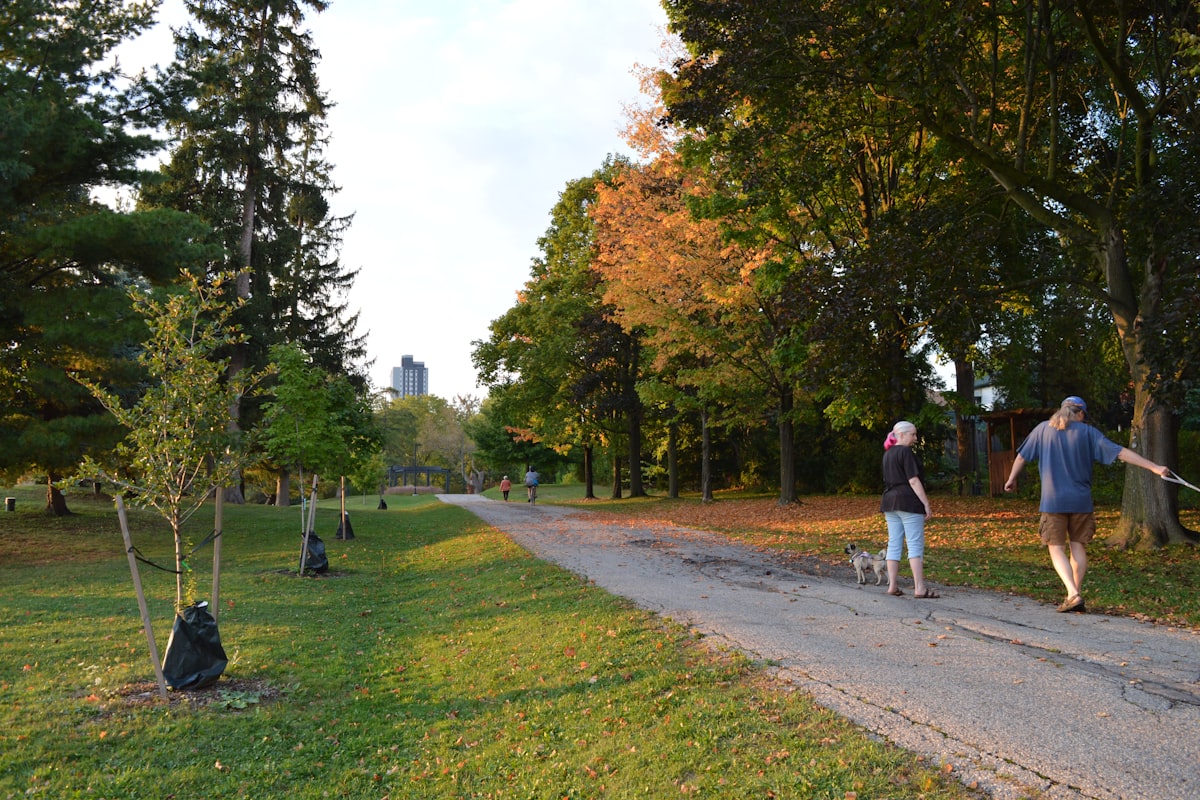
Preston Market, High Street’s multicultural food strip, and a suburb that has quietly become one of Melbourne’s most liveable inner-north postcodes.
If you’re thinking about living in Preston, visiting for the first time, or just trying to work out if this place is worth your Saturday afternoon — here’s the honest rundown.
Where Is Preston?
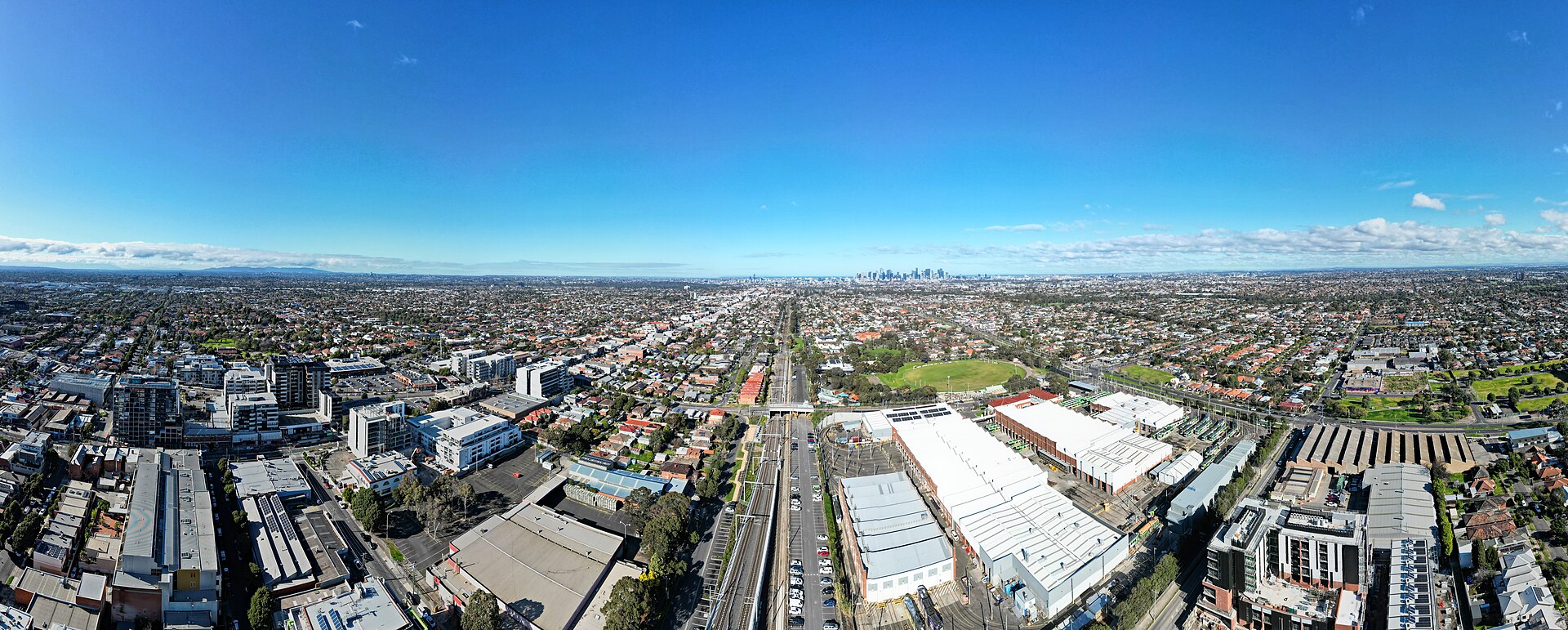
Preston sits in Melbourne’s inner north, roughly 10 kilometres from the CBD in the City of Darebin (postcode 3072). It’s the kind of suburb where you can feel the neighbourhood’s personality the minute you step off the train at Preston station on the South Morang/Mernda line.
The suburb borders Thornbury to the south, Reservoir to the north, and Coburg to the west. That matters because your nearby options for food, coffee, and weekend plans extend well beyond Preston’s own postcode boundaries.
What’s Preston Actually Like?
High Street is the spine — a genuine multicultural food corridor that runs through the suburb with Vietnamese pho joints, Turkish bakeries, Lebanese delis, and a growing wave of craft beer bars and specialty cafes. Preston Market, tucked behind High Street between Murray Road and Cramer Street, is one of Melbourne’s best fresh food markets and the reason some people move here in the first place.
Walk around on a Saturday morning and you’ll pick up the vibe quickly. Families at the market loading up on cheap produce. Young professionals brunching at Skinny’s on High Street. Greek and Italian families who’ve been here for forty years chatting outside the butcher.
Who Lives in Preston?
Preston draws a genuine mix. Young families who wanted a backyard without leaving the inner north. Greek and Italian families who’ve been here for decades. Vietnamese and Lebanese communities who built the food scene from scratch. A growing cohort of professionals who discovered they don’t need to live in Fitzroy to have a good time.
The community here has its own institutions, its own rhythms, its own complaints about parking near the market. It’s evolved over the past two decades, but unlike some gentrified suburbs, the old and new coexist here rather than one replacing the other.
Housing in Preston
The housing stock tells the story of how the suburb has evolved. You’ll find period homes alongside newer townhouses and apartment developments. Median house prices hover around $1.05-1.3 million (early 2026), with units offering more realistic entry points.
If you’re renting, there’s decent variety. Share houses exist for those starting out (around $184/week per room). One-bedroom apartments run $336-440/week. Families hunting for standalone homes with a backyard will pay $500-700/week depending on condition and proximity to the station.
Getting Around Preston
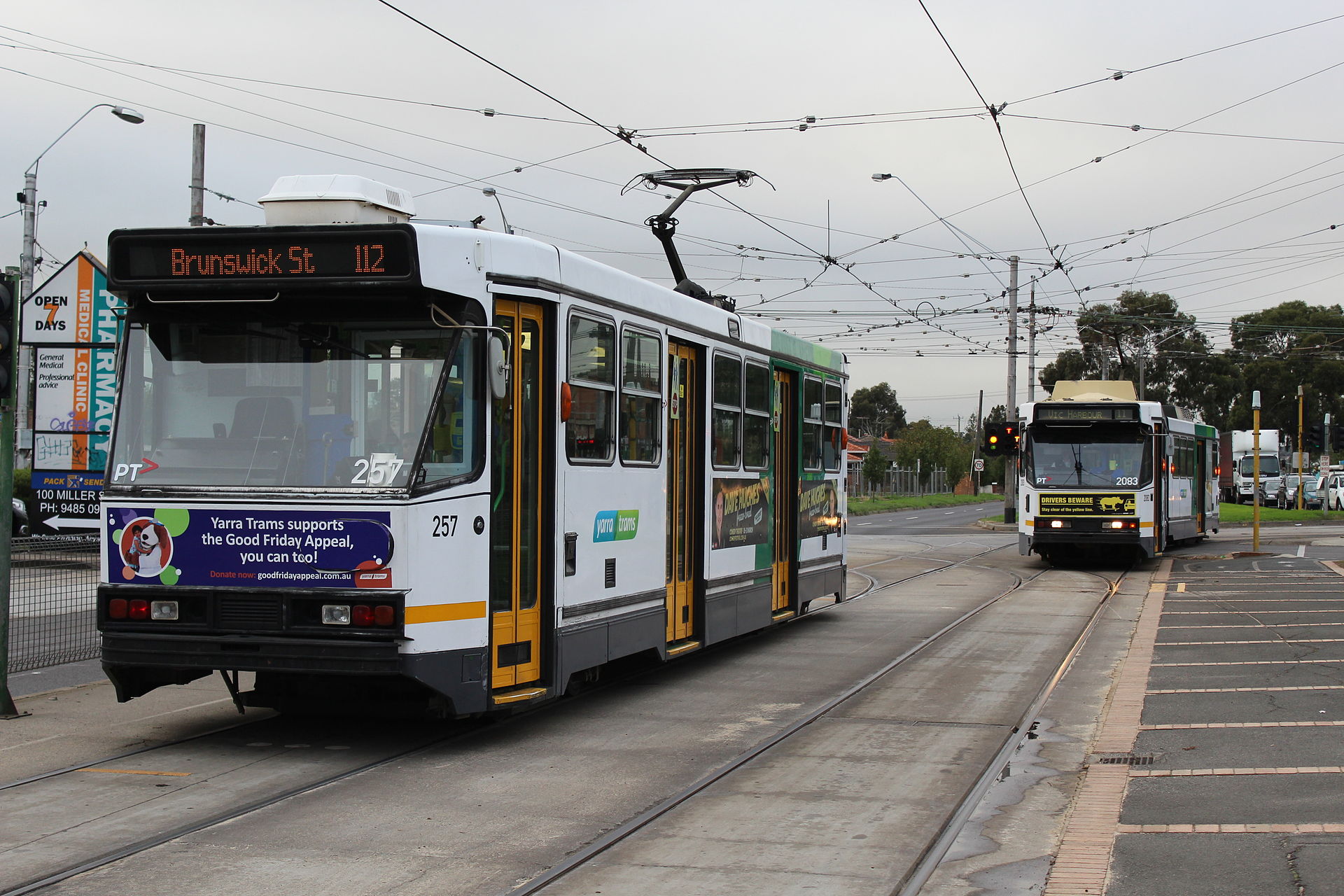
Transport is one of Preston’s genuine strengths. Three train stations serve the suburb — Preston station, Bell station, and Regent station — all on the South Morang/Mernda line, getting you to Flinders Street in about 25 minutes. The 86 tram runs along Plenty Road connecting to the CBD via Northcote and Clifton Hill.
Key streets: High Street is the main commercial strip. Plenty Road, Murray Road, Bell Street, and Gilbert Road are the other major arteries.
Read the full breakdown: Preston Transport Guide
Eating and Drinking in Preston
The food scene is legitimately world-class if you know where to look. Pho Hung on High Street has been serving $14 bowls of rare beef pho since before “foodie culture” existed. The Preston Market gozleme stalls will feed you for $10 and make you question why anyone pays $22 for brunch. Dexter on High Street does fire-cooked modern Australian that would feel at home in Collingwood.
Coffee is sorted — from Colombian-style brews at Arepa Days on Dundas Place to the neighbourhood warmth of Moon Rabbit on High Street.
Is Preston Right for You?
You’ll love Preston if:
- You want a suburb with genuine multicultural character and community
- You value proximity to Melbourne’s best food without paying absolute top dollar
- You like having your local spots — the cafe, the pub, the market stall
- You appreciate a neighbourhood where old-school and new-wave coexist
It might not be for you if:
- You need absolute silence and a massive backyard
- Budget is extremely tight — Preston has crept up in cost
- You want late-night clubbing on your doorstep (this is a 10pm-to-bed suburb)
- You want everything brand new and shiny
FAQ
What council is Preston in? City of Darebin. Postcode 3072.
How far is Preston from the CBD? About 10 kilometres, or 25 minutes by train from Preston station to Flinders Street.
Does Preston have a train station? Yes — three. Preston station, Bell station, and Regent station, all on the South Morang/Mernda line.
Is Preston expensive? Mid-range for the inner north. Cheaper than Northcote or Thornbury for comparable properties, but more expensive than Reservoir.
What is Preston known for? Preston Market (one of Melbourne’s best fresh food markets), multicultural food along High Street, and a growing cafe and bar scene.
The Verdict
Preston in 2026 is a suburb that works. It’s not trying to reinvent itself or pretend to be something it isn’t. The food scene is genuinely outstanding, the transport links are solid, and the community has the kind of depth that only comes from decades of different people making the same streets their home. Come for the banh mi. Stay for the fact that nobody’s charging you $22 for avocado toast.
Living Here — The Deep Dive
Want more detail? We’ve covered every angle:
- Living in Preston — The Honest Guide — Pros, cons, and the unfiltered truth
- Is Preston Good for Families? — Schools, parks, safety, the works
- Is Preston Good for Young Professionals? — Social scene, commute, renting
- Is Preston Good for Retirees? — Quiet streets, healthcare, community
- Cost of Living in Preston — Rent, daily costs, and how it compares
- Getting Around Preston — Trains, trams, bikes, driving
- Preston Neighbourhood Guide — Streets, pockets, and where to be
- History of Preston — How this suburb became what it is today