Preston Investment Guide 2026: Property Data, Rental Yields, and Growth Analysis
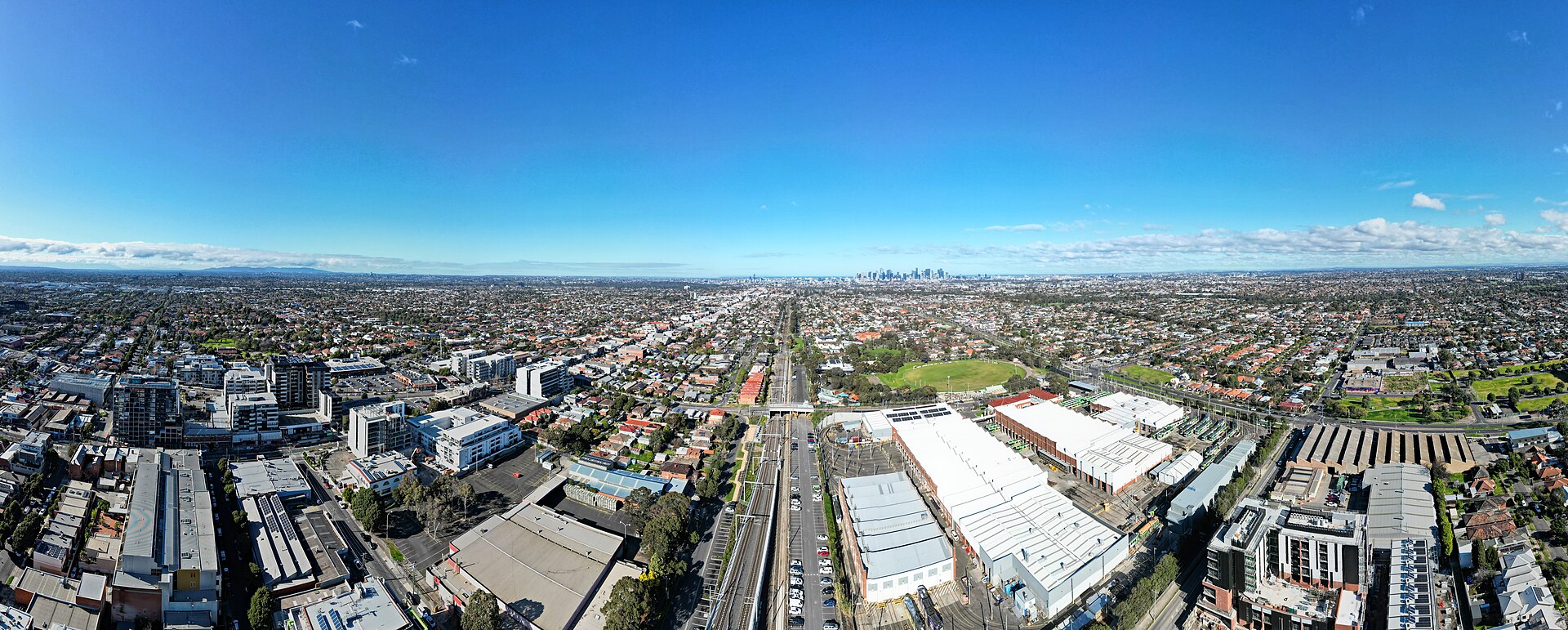
Preston sits 7km from Melbourne’s CBD in postcode 3072, with a population of approximately 33,790 residents. The median house price in Preston is $1,183,954, and one-bedroom apartments rent for around $387 per week. These are the numbers that matter for anyone considering Preston as a property investment.
Preston sits in Melbourne’s middle ring, 7km from the CBD, with a population of approximately 33,790. The suburb has an established residential character with local shops, parks, and transport connections.
This guide breaks down the property investment case for Preston using current data. No speculation, no hype – just the numbers and the factors behind them.
Median House Price and Recent Trends
The current median house price in Preston is $1,183,954 (as of early 2026, sourced from Domain and REIV quarterly reports). Over the past five years, Preston has seen approximately 28% growth in median house values.
Preston at 7km from the CBD sits in the middle ring, where affordability relative to inner suburbs attracts first-home buyers and investors seeking higher yield. The suburb has 33,790 residents.
For apartments, the median sits lower and growth has been more moderate. Investor demand for apartments in Preston is concentrated in the 1-2 bedroom range, which aligns with the rental market’s strongest segment.
Rental Yield Analysis
Gross rental yield for a median-priced house in Preston:
- Median weekly rent (1BR apartment): $387
- Annual rental income: $20,124
- Gross yield on median house price: 1.7%
For apartments, gross yields are typically higher – ranging from 3.5% to 5.5% depending on the building, age, and proximity to transport. Newer apartments carry strata fees that reduce net yield, so factor $3,000 to $6,000 per year in body corporate costs.
Net yield after property management (typically 5-7% of rent), insurance, council rates, water rates, and maintenance sits at approximately 1.0% for houses and 1.5% for apartments.
Infrastructure and Development
Preston benefits from planned and in-progress infrastructure projects that affect property values:
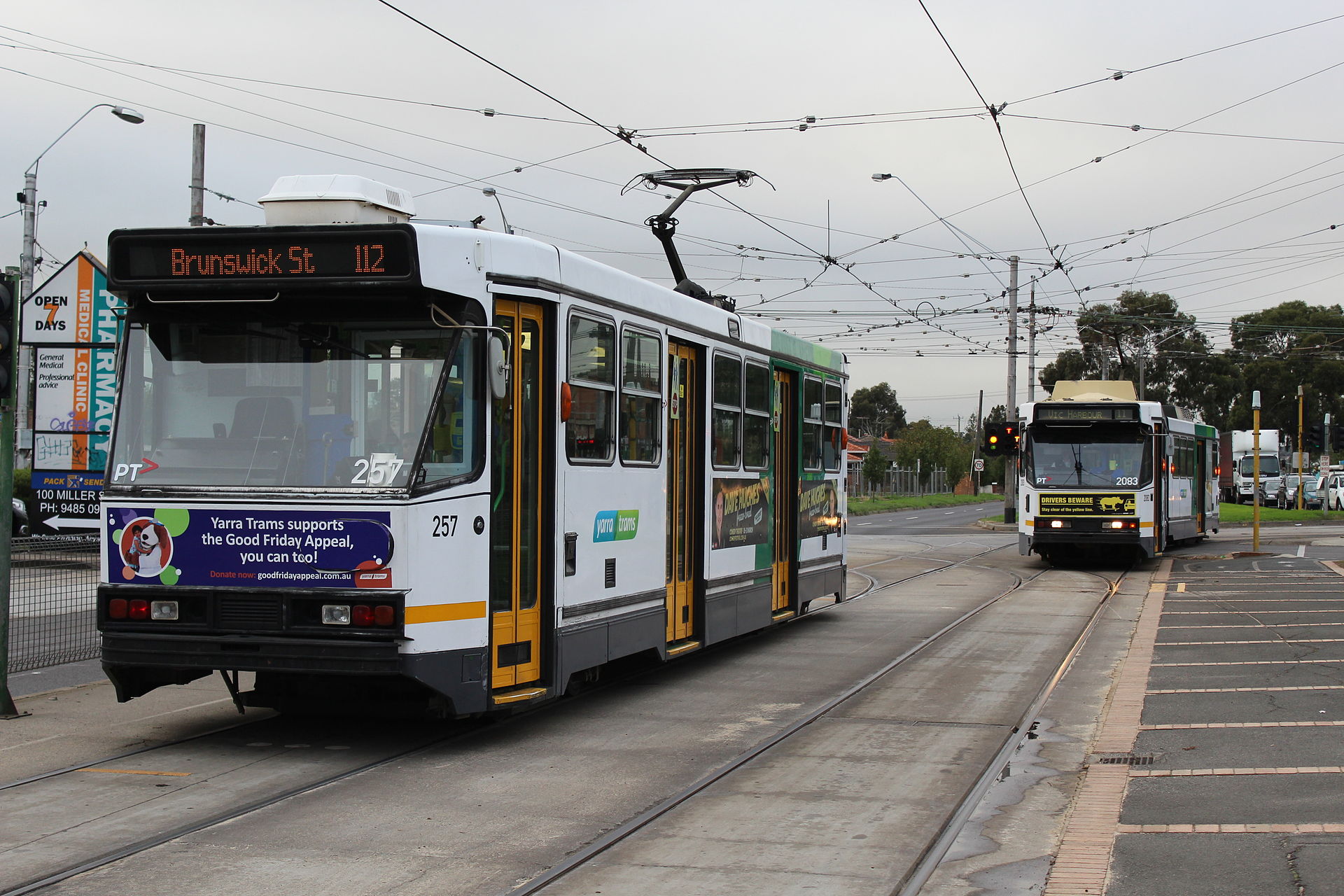
- Melbourne Metro Tunnel (completion 2025-2026): New underground rail connections improve accessibility for suburbs on connected lines.
- Level crossing removals: Multiple crossing removals across Melbourne have improved traffic flow and opened up new public space.
- Council planning: The local council manages planning overlays that affect development density and housing stock composition.
Road and cycling infrastructure upgrades continue to improve liveability.
Population Growth and Demographics
Preston has a population of approximately 33,790 (ABS Census 2021). Population growth has been steady at 1-3% annually, driven by the suburb’s established amenity and accessibility.
Key demographic factors for property investment:
- Young professionals and families seeking established suburbs with good transport and amenity
- International migration adding to rental demand in the area
- Consistent rental demand from the established resident base
Investment Risks to Consider
No investment is without risk. For Preston, the key considerations are:
- Interest rate sensitivity. Properties are leveraged assets. Rising rates increase mortgage costs and can compress yields.
- **Apartment oversupply risk. Check council planning records for apartment development in the pipeline.
- Market timing. Property prices fluctuate with broader economic conditions.
- Body corporate risk. Apartment investors face body corporate levies that can increase sharply if major works are required.
- Liquidity. Inner and middle-ring properties typically sell faster than outer-suburb equivalents, but in a downturn, prices can still stall.
Who Should Consider Investing in Preston?
Preston suits investors who:
- Prioritise a balance of capital growth and rental yield in an established location
- Have a long-term hold strategy (5-10+ years)
- Can service the entry price for middle-ring Melbourne
- Want a property in a stable rental market
It is less suited for investors who:
- Need high immediate cash flow (gross yields are moderate)
- Are seeking short-term capital gains without holding through a full cycle
- Cannot afford the entry price without excessive leverage
Frequently Asked Questions
Is Preston a good suburb to invest in for 2026?
Preston has solid fundamentals: 7km from CBD, established infrastructure, consistent rental demand. The median house price of $1,183,954 and gross yield of 1.7% are the key numbers to assess. Like all property investment, returns depend on purchase price, hold period, and financing costs.
What is the rental yield in Preston?
Gross rental yield on a median-priced house is approximately 1.7%. Apartments typically yield 3.5-5.5% gross. Net yields after costs sit 1-2% lower.
How does Preston compare to other middle-ring suburbs?
Preston at $1,183,954 median sits around the middle-ring average. Compare on a property-by-property basis rather than suburb-level averages alone.
Data sourced from ABS Census 2021, Domain median prices, REIV quarterly reports. Compiled April 2026. Property investment involves risk. Past performance does not guarantee future returns. Seek independent financial advice before making investment decisions.