You are trying to work out whether Rowville is actually affordable in 2026, not whether a spreadsheet says it should be. Use $733 a week for a single, $1107 for a couple, and $1383 for a family before you sign anything.
The Verdict
The number to trust is $1107 a week for a couple renting in Rowville, because it is the cleanest middle case: $377 for rent, $307 for groceries, $91 for transport, $56 for utilities, and $82 for internet and phones. Singles can scrape by at about $733 a week if they share costs carefully or find a cheaper one-bedroom, while families should treat $1383 a week as the starting line, not the finish line. The rent looks friendly compared with inner Melbourne, especially if you are coming from the CBD, but Rowville gives some of that saving back through car costs, family bills, and grocery creep.
The real trap is thinking the suburb is cheap just because the rent is lower. A one-bedroom apartment sits around $251-331 a week, a two-bedroom unit around $377-477, and a three-bedroom house around $416-566 based on April 2026 Domain and realestate.com.au listings. That is the good news. The less pleasant part is that Rowville is not a suburb where you can casually live car-free and expect your budget to behave. Public transport exists, but a car is effectively mandatory for many households, and car running costs can land at $120-180 a week before you have even bought brunch. Do not build your Rowville budget around the cheapest rent line and ignore transport; you will regret it by the second full tank.
Local Reality
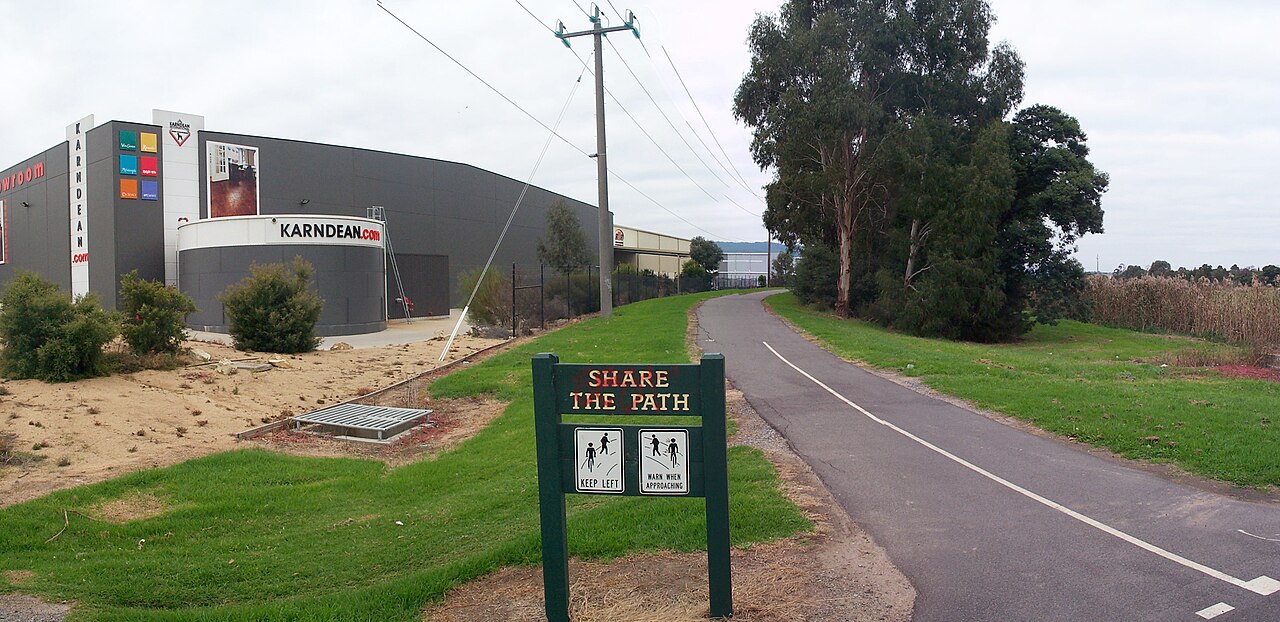
Rowville works best when you budget for the suburb as it is: spacious, practical, car-oriented, and easy to overspend in small ways. Parking is rarely the problem here. Most homes have driveways or garages, and daily errands are usually simpler than in tighter inner suburbs. The problem is that every errand feels easy enough to turn into another spend. Coles and Woolworths will cover most weekly shops, but residents chasing savings often drive to Aldi first because a standard grocery shop can come in $30-50 cheaper. That difference matters more than it sounds when your baseline grocery spend is already $192-222 a week for a standard household shop.
Eating out is where the budget quietly leaks. A cafe brunch at $18-26 per person does not look dangerous once. Do it twice on a weekend, add coffees, then add a mid-range dinner for two at $70-110 without drinks, and the suburb stops looking like a bargain. The shopping centre impulse spend is real too: easy parking, easy groceries, easy takeaway, easy money gone. Skip Rowville if your plan is to live without a car and commute daily across Melbourne; the Myki-only number of about $51 a week is not the full lifestyle cost if your trips are slow, awkward, or require rideshare top-ups. If you are west of Rowville and need stronger public transport, you may be better comparing nearby suburbs before committing.
Who This Suits
If you are a single renter, pick a room in a share house at $200-250 a week before you pick solo living; the saving is meaningful and gives you room for transport, food, and bills. If you are a couple, use the $1107 weekly budget as your baseline and only relax once you have seen your actual car and grocery spend for two full months. If you are a family with two kids, start from $1383 a week and add childcare, school, pet, and winter heating costs before deciding the suburb is comfortable. If you are an owner, do not forget the non-rent lines: council rates around $2143 a year, body corporate around $4184 a year for apartments, and insurance from about $80-150 a month depending on cover.
Cost expectations are simple: Rowville saves money on space compared with CBD living, often $100-200 a week on rent alone, but it is not a low-cost suburb once transport and household habits are included. Groceries can be kept under control with Aldi and home brands, with budget shops around $152-182 a week, but standard habits push that to $192-222 and premium habits to $232-292. Utilities are manageable most of the year, but internet, mobile, water, gas, and electricity still add up fast.
Season matters. Winter gas heating can push bills up 40-60%, so budget an extra $15-30 a week from June to August. Hybrid workers should use Myki money rather than a pass if they are only travelling some days. Families should do the childcare and school-fee maths before falling in love with a bigger house, because those costs can dwarf the difference between two rental listings.
What to Do Next
Before applying for a Rowville rental, run your numbers against the table below and add one honest car line. Then check the latest rent movement in the Rowville rent guide before you decide the suburb is cheap.
The Quick Numbers
| Expense | Single | Couple | Family (2 kids) |
|---|---|---|---|
| Rent | $251/wk | $377/wk | $416/wk |
| Groceries | $192/wk | $307/wk | $422/wk |
| Transport | $51/wk | $91/wk | $102/wk |
| Utilities | $56/wk | $56/wk | $78/wk |
| Internet/Phone | $82/wk | $82/wk | $82/wk |
| Weekly Total | $733/wk | $1107/wk | $1383/wk |
| Monthly Total | $2932/mo | $4428/mo | $5532/mo |
| Annual Total | $38,116/yr | $57,564/yr | $71,916/yr |
Utilities & Bills
| Utility | Single | Couple | Family |
|---|---|---|---|
| Electricity | $25-35/wk | $30-45/wk | $40-60/wk |
| Gas (if connected) | $10-18/wk | $12-22/wk | $15-28/wk |
| Water | $8-12/wk | $10-15/wk | $12-20/wk |
| Internet (NBN) | $20-25/wk | $20-25/wk | $20-25/wk |
| Mobile | $10-15/wk | $20-30/wk | $30-50/wk |
Budget data compiled from ABS household expenditure surveys, local rental listings (Domain, realestate.com.au), and utility comparison sites. Updated April 2026. Individual circumstances vary.