Verdict Box
Best for: renters who want walk-to-work CBD access, late dinners, theatres, Crown, riverside paths, and apartment choice more than a classic suburban strip. Skip if: your idea of fish and chips is a paper parcel from a proper corner shop. Southbank is stronger for hotel dining, bars, steak, Chinese, Italian and event-night food than old-school chippers. Rent pressure: high, but not mysterious. The suburb has a huge apartment pool, yet the better towers, views, car spaces and quiet levels still attract serious competition. Commute reality: excellent without a car. Tram, train-adjacent walks, bike paths and CBD foot access do most of the work. Driving is the punishment. Food scene: useful, expensive, uneven. The good nights are planned; the lazy takeaway nights can feel oddly thin. Family fit: workable for small households, less natural for kids needing backyard space and easy parking. Overall score: 7/10 for convenience, 4/10 for true fish-and-chip culture.
At-a-Glance Table
| Factor | Southbank 2026 |
|---|---|
| LGA | Melbourne City Council |
| Postcode | 3006 |
| Geographic tier | Inner |
| Region | inner-cbd |
| Transport grade | A+ |
| Overall grade | B |
Who It Suits
Maya, 31, arts precinct renter - wants dinner before a show and can live without a garage. The Car-Free Professional - values a 15-minute walk to the CBD over a larger apartment further out. Dev, 42, weeknight diner - wants reliable restaurants nearby, but understands Southbank is not a cheap takeaway suburb.
Rent & Property Reality
$590 per week is the current median for a Southbank 1-bedroom unit, with 12-month rent growth of 6.1%, according to REA-backed property.com.au market data. Domain’s live Southbank rental listings were showing a similar 1-bedroom unit median around $580 per week, so the practical read is simple: budget close to $600 before power, internet, water usage, parking and moving costs.
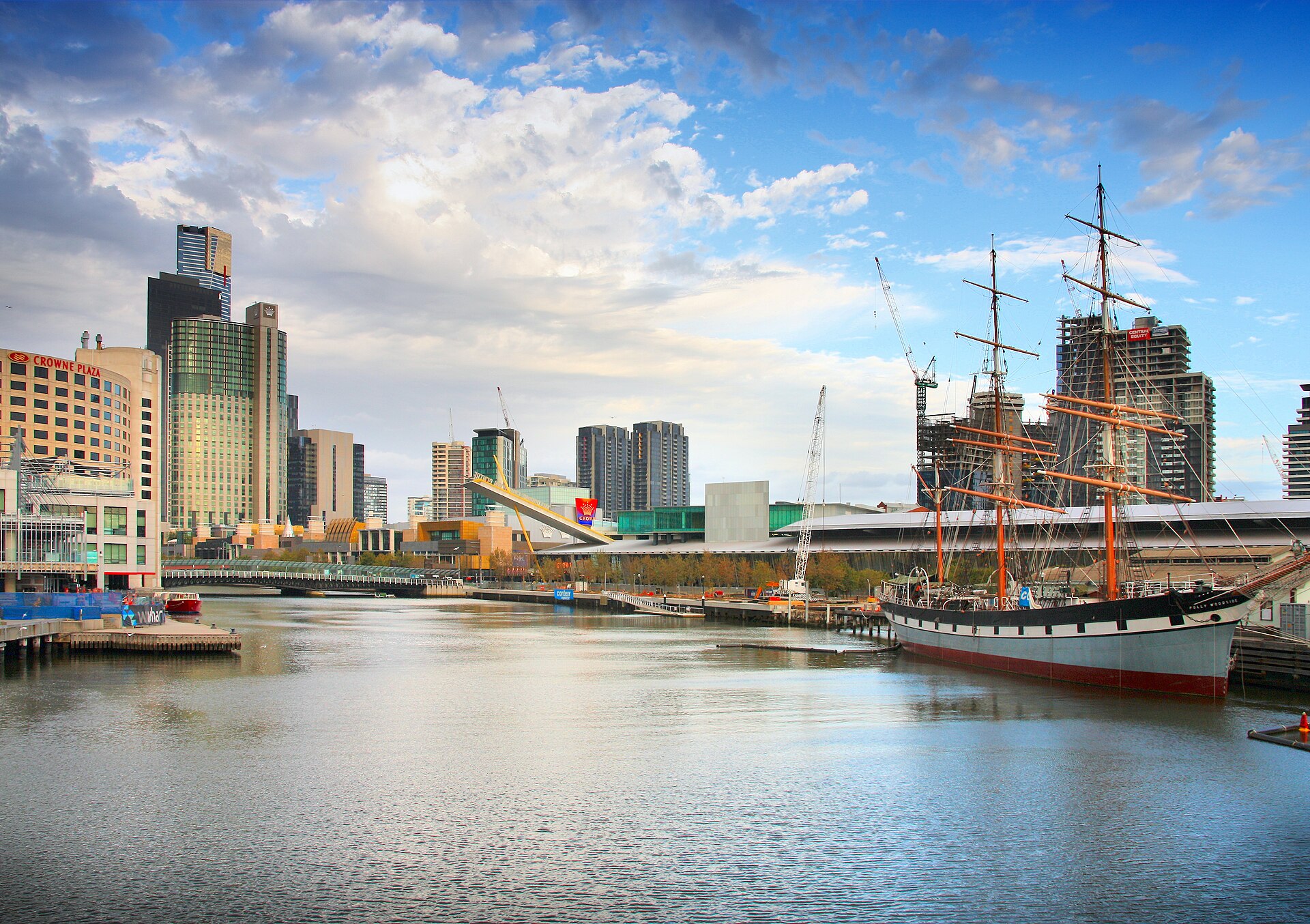
That number changes the way you should judge Southbank. A $590 one-bed is not buying a beachy lifestyle, a village main street, or a big kitchen for weekend cooking. It is buying proximity: the CBD over the river, Crown and South Wharf on one side, the Arts Precinct and St Kilda Road edge on the other, and enough towers that you can inspect multiple apartments in one afternoon. The trade-off is that many listings look similar online but live very differently once you factor in lift wait times, freeway hum, nightclub spillover, construction noise, short-stay neighbours, and whether the bedroom has real natural light.
For renters, the trap is comparing Southbank only by weekly rent. A $560 apartment with no car space, poor storage, electric cooktop, gym you will never use, and a bedroom facing City Road may be worse value than a $620 apartment with a better orientation, quieter glazing, and a usable study nook. Parking can add a material amount, and visitor parking is rarely as easy as agents imply. Furnished apartments also distort the market: they look convenient for newcomers, but you need to inspect the furniture quality, mattress condition and lease terms carefully.
The useful move is to treat $590 as the starting point, not the finish line. If you work in the CBD, the rent premium can be partly offset by walking instead of paying for commuting. If you work elsewhere and need to drive daily, Southbank’s rent-plus-parking-plus-traffic equation becomes harder to defend.
Local Reality & Pockets
Favour the river and arts-side pockets if your life is built around walking. Riverside Quay gives you immediate access to the Yarra path and quick CBD foot traffic, with The Bond Store at 1 Riverside Quay as a useful everyday marker. Southbank Boulevard suits people who want the Arts Precinct, trams, galleries and a slightly more civic feel than the casino edge. Freshwater Place works for polished apartment living and corporate convenience, with The Meat and Wine Co. at 3 Freshwater Place showing the dining style around that pocket: higher spend, planned meals, lots of work dinners.
Be more careful around City Road. It is useful, but it can be hard living. Wild Bean Cafe at 322 City Road and Sopranos at 91 City Road sit on a corridor that handles traffic, delivery riders, late movement, sirens and the kind of road noise that becomes a daily fact rather than a rare annoyance. Apartments here can be good value by Southbank standards, but you want double glazing, a bedroom away from the road, and a balcony you would actually use. Whiteman Street is also a special case: Lucky Chan at 8 Whiteman Street gives you food nearby, but Crown event nights and weekend foot traffic can change the mood fast.
Transport is the strongest argument for Southbank. You can walk to Flinders Street, Southern Cross is reachable depending on your pocket, trams run along nearby corridors, and cycling along the river is viable if you are comfortable with shared-path congestion. Parking is the weak point. Street parking is scarce, building parking is priced into better leases, and visitors can find the area frustrating.
Two honest gotchas matter. First, Southbank can feel strangely thin for ordinary errands after the restaurants and bars are stripped away; you may still cross into the CBD or South Melbourne for basics. Second, apartment quality varies wildly tower by tower. Do not rent from floorplan photos alone. Inspect lifts, lobby management, rubbish rooms, parcel systems, acoustic separation and the exact view line before you get seduced by postcode convenience.
Signature Craving
Southbank is not where I would send someone chasing a classic fish-and-chip paper bundle. The better local craving is a sharp, post-walk dinner that accepts the suburb for what it is: vertical, event-driven and better at sit-down meals than beach-shop nostalgia. For that, Lucky Chan on Whiteman Street is the more honest Southbank move - a real local address near the casino edge, useful when you want Chinese food without pretending the suburb has a deep chippery bench. If the brief is strictly fish and chips, I would widen the search toward South Melbourne or Port Melbourne and treat Southbank as the pre-drink, river-walk or hotel-dining base. The craving here is convenience with a bill attached, not a $14 minimum chips fantasy.
Comparisons Table
| Suburb | Transport | Tier | Region |
|---|---|---|---|
| Southbank | A+ | Inner | inner-cbd |
| Carlton | A+ | Inner | inner-cbd |
| Carlton North | C+ | Inner | inner-cbd |
| Docklands | B | Inner | inner-cbd |
Trust Block
Author: Lina Park — Melbourne food writer covering Asian cuisine and outer-west neighbourhoods suburb by suburb.
Data: data/melbourne_suburbs_master.json (Codex per-LGA enumeration, cross-checked vs VEC + Australia Post + ABS SA2 boundaries), data/suburb_scores.json (composite percentile grades), data/venues/.json (OpenStreetMap + Gemini-verified venue catalog).
Last reviewed: 2026-05-26. Not financial advice. We do not accept paid placements in editorial.
FAQ
Q: Is Southbank actually good for fish and chips in 2026? A: Not in the classic Melbourne sense. Southbank has plenty of places to eat, but its food economy is shaped by apartments, hotels, theatres, Crown, office workers and river traffic. That produces bars, steakhouses, cafes, Italian spots, Chinese restaurants and event-night dining rather than a deep bench of old-school fish-and-chip shops. If you live here, you can still satisfy the craving, but you will often be ordering from nearby suburbs or reframing the night around riverside dining instead of a suburban chippery run.
Q: Where should I live in Southbank if I care about food access? A: Pick your pocket based on the food you actually repeat, not the place you visit once. Riverside Quay works well for CBD crossover and quick weekday eating. Freshwater Place suits people who like polished restaurants and work-adjacent dinners. Whiteman Street gives you Crown and late movement, which is useful but can be noisy. City Road is practical for takeaway and services, but it is also the corridor where traffic and apartment compromises are most obvious, so inspect at the exact time you expect to be home.
Q: Is Southbank too noisy for renters? A: Some parts are, and the difference can be one building or one orientation. City Road can carry heavy vehicle noise, sirens and late delivery traffic. Whiteman Street and the Crown edge can shift sharply on event nights and weekends. Riverside apartments can still get pedestrian noise, restaurant noise and wind exposure. The quieter choices are usually higher floors, bedrooms facing away from arterial roads, and buildings with proper glazing. Never judge Southbank noise from a midday inspection alone; inspect after work or on a Friday evening if possible.
Q: Do I need a car in Southbank? A: For most renters, no. Southbank is one of the easier Melbourne suburbs for living without a car because the CBD, Flinders Street, trams, river paths, South Wharf, Crown and the Arts Precinct are all reachable on foot from many addresses. The problem starts when you own a car casually. Parking can be expensive, visitor parking is limited, and driving out through City Road or across the river can be slow at the exact times you want to move. If you need daily driving, price the car space before falling for the apartment.
Q: Is Southbank a good suburb for families? A: It can work for apartment-comfortable families, but it is not the obvious choice for everyone. The suburb offers excellent access to culture, the river, the CBD and public transport, yet it has limited backyard life, tight parking and busy roads that can make everyday logistics feel managed rather than relaxed. Families should inspect storage, lift reliability, pram access, nearby open space, school logistics and noise carefully. A great Southbank apartment can be convenient; a cramped one can become frustrating quickly when routines involve children, visitors and gear.
Q: What is the biggest rental mistake people make in Southbank? A: They rent the view instead of the building. A skyline or river glimpse is nice, but daily life depends on the boring details: lift speed, parcel storage, rubbish rooms, acoustic separation, ventilation, water pressure, bedroom size, storage and how the owners corporation manages short stays. Southbank has many towers, and two apartments at the same rent can have completely different living quality. Read recent building reviews where possible, inspect common areas slowly, and ask direct questions about embedded networks, move-in fees and parking access.
Q: Which Southbank streets should I be cautious about? A: City Road deserves the most caution because it is useful but exposed. It has food, services and transport access, yet it also brings traffic, noise and a harder pedestrian feel in parts. Whiteman Street can be convenient for Crown and restaurants, but weekend movement and event surges are real. Southbank Boulevard is generally more appealing for arts access, though construction, tram works or event crowds can still matter. Riverside Quay is attractive, but river-facing does not automatically mean quiet, especially near busy pedestrian routes.
Q: Is Southbank better than South Melbourne for food? A: For everyday food depth, South Melbourne is usually stronger. It has a clearer village structure, market access, more casual lunch options and a stronger takeaway rhythm. Southbank is better when you want convenience around the river, Crown, Arts Precinct, hotels or a work dinner close to the CBD. If the specific craving is fish and chips, South Melbourne and Port Melbourne are usually more natural hunting grounds. Southbank wins on proximity and late options; it loses when you want a grounded neighbourhood food strip.
Q: What should I inspect before signing a Southbank lease? A: Inspect the apartment at the time you will use it, not just when the agent schedules it. Check road noise with the balcony door shut and open, test mobile reception, look at natural light in the bedroom, confirm whether the car space is included, and ask about embedded electricity or internet arrangements. Walk the route to groceries, tram stops and the CBD after dark. Also check the lobby, lifts, rubbish rooms and parcel area. In Southbank, building operations can matter as much as the apartment itself.
“\n{\n "@context": "https://schema.org",\n "@graph": [\n {\n "@type": "Article",\n "@id": "https://melbz.com.au/southbank/best-fish-and-chips-2026/#article",\n "headline": "Southbank 2026: Fish-and-Chip Scarcity \u0026 Honest Verdict",\n "description": "Honest verdict on Southbank fish and chips in 2026: scarce true chippers, better riverside snacks, rent pressure, and streets worth choosing.",\n "datePublished": "2026-04-01",\n "dateModified": "2026-05-26",\n "author": {\n "@type": "Person",\n "name": "Lina Park",\n "url": "https://melbz.com.au/authors/lina-park/"\n },\n "publisher": {\n "@type": "Organization",\n "name": "MELBZ",\n "url": "https://melbz.com.au/"\n },\n "mainEntityOfPage": "https://melbz.com.au/southbank/best-fish-and-chips-2026/"\n },\n {\n "@type": "BreadcrumbList",\n "itemListElement": [\n {\n "@type": "ListItem",\n "position": 1,\n "name": "Home",\n "item": "https://melbz.com.au/"\n },\n {\n "@type": "ListItem",\n "position": 2,\n "name": "Southbank",\n "item": "https://melbz.com.au/southbank/"\n },\n {\n "@type": "ListItem",\n "position": 3,\n "name": "Best Fish And Chips 2026",\n "item": "https://melbz.com.au/southbank/best-fish-and-chips-2026/"\n }\n ]\n },\n {\n "@type": "FAQPage",\n "mainEntity": [\n {\n "@type": "Question",\n "name": "Is Southbank actually good for fish and chips in 2026?",\n "acceptedAnswer": {\n "@type": "Answer",\n "text": "Not in the classic Melbourne sense. Southbank has plenty of places to eat, but its food economy is shaped by apartments, hotels, theatres, Crown, office workers and river traffic. That produces bars, steakhouses, cafes, Italian spots, Chinese restaurants and event-night dining rather than a deep bench of old-school fish-and-chip shops. If you live here, you can still satisfy the craving, but you will often be ordering from nearby suburbs or reframing the night around riverside dining instead of a suburban chippery run."\n }\n },\n {\n "@type": "Question",\n "name": "Where should I live in Southbank if I care about food access?",\n "acceptedAnswer": {\n "@type": "Answer",\n "text": "Pick your pocket based on the food you actually repeat, not the place you visit once. Riverside Quay works well for CBD crossover and quick weekday eating. Freshwater Place suits people who like polished restaurants and work-adjacent dinners. Whiteman Street gives you Crown and late movement, which is useful but can be noisy. City Road is practical for takeaway and services, but it is also the corridor where traffic and apartment compromises are most obvious, so inspect at the exact time you expect to be home."\n }\n },\n {\n "@type": "Question",\n "name": "Is Southbank too noisy for renters?",\n "acceptedAnswer": {\n "@type": "Answer",\n "text": "Some parts are, and the difference can be one building or one orientation. City Road can carry heavy vehicle noise, sirens and late delivery traffic. Whiteman Street and the Crown edge can shift sharply on event nights and weekends. Riverside apartments can still get pedestrian noise, restaurant noise and wind exposure. The quieter choices are usually higher floors, bedrooms facing away from arterial roads, and buildings with proper glazing. Never judge Southbank noise from a midday inspection alone; inspect after work or on a Friday evening if possible."\n }\n },\n {\n "@type": "Question",\n "name": "Do I need a car in Southbank?",\n "acceptedAnswer": {\n "@type": "Answer",\n "text": "For most renters, no. Southbank is one of the easier Melbourne suburbs for living without a car because the CBD, Flinders Street, trams, river paths, South Wharf, Crown and the Arts Precinct are all reachable on foot from many addresses. The problem starts when you own a car casually. Parking can be expensive, visitor parking is limited, and driving out through City Road or across the river can be slow at the exact times you want to move. If you need daily driving, price the car space before falling for the apartment."\n }\n },\n {\n "@type": "Question",\n "name": "Is Southbank a good suburb for families?",\n "acceptedAnswer": {\n "@type": "Answer",\n "text": "It can work for apartment-comfortable families, but it is not the obvious choice for everyone. The suburb offers excellent access to culture, the river, the CBD and public transport, yet it has limited backyard life, tight parking and busy roads that can make everyday logistics feel managed rather than relaxed. Families should inspect storage, lift reliability, pram access, nearby open space, school logistics and noise carefully. A great Southbank apartment can be convenient; a cramped one can become frustrating quickly when routines involve children, visitors and gear."\n }\n },\n {\n "@type": "Question",\n "name": "What is the biggest rental mistake people make in Southbank?",\n "acceptedAnswer": {\n "@type": "Answer",\n "text": "They rent the view instead of the building. A skyline or river glimpse is nice, but daily life depends on the boring details: lift speed, parcel storage, rubbish rooms, acoustic separation, ventilation, water pressure, bedroom size, storage and how the owners corporation manages short stays. Southbank has many towers, and two apartments at the same rent can have completely different living quality. Read recent building reviews where possible, inspect common areas slowly, and ask direct questions about embedded networks, move-in fees and parking access."\n }\n },\n {\n "@type": "Question",\n "name": "Which Southbank streets should I be cautious about?",\n "acceptedAnswer": {\n "@type": "Answer",\n "text": "City Road deserves the most caution because it is useful but exposed. It has food, services and transport access, yet it also brings traffic, noise and a harder pedestrian feel in parts. Whiteman Street can be convenient for Crown and restaurants, but weekend movement and event surges are real. Southbank Boulevard is generally more appealing for arts access, though construction, tram works or event crowds can still matter. Riverside Quay is attractive, but river-facing does not automatically mean quiet, especially near busy pedestrian routes."\n }\n },\n {\n "@type": "Question",\n "name": "Is Southbank better than South Melbourne for food?",\n "acceptedAnswer": {\n "@type": "Answer",\n "text": "For everyday food depth, South Melbourne is usually stronger. It has a clearer village structure, market access, more casual lunch options and a stronger takeaway rhythm. Southbank is better when you want convenience around the river, Crown, Arts Precinct, hotels or a work dinner close to the CBD. If the specific craving is fish and chips, South Melbourne and Port Melbourne are usually more natural hunting grounds. Southbank wins on proximity and late options; it loses when you want a grounded neighbourhood food strip."\n }\n },\n {\n "@type": "Question",\n "name": "What should I inspect before signing a Southbank lease?",\n "acceptedAnswer": {\n "@type": "Answer",\n "text": "Inspect the apartment at the time you will use it, not just when the agent schedules it. Check road noise with the balcony door shut and open, test mobile reception, look at natural light in the bedroom, confirm whether the car space is included, and ask about embedded electricity or internet arrangements. Walk the route to groceries, tram stops and the CBD after dark. Also check the lobby, lifts, rubbish rooms and parcel area. In Southbank, building operations can matter as much as the apartment itself."\n }\n }\n ]\n }\n ]\n}\n”