Verdict Box
St Albans is a value-first move, not a polished lifestyle bet. The case for it is simple: two useful train stations in and near the suburb, a serious Alfrieda Street food strip, older detached houses on usable blocks, and rents that still sit below many middle-ring alternatives. The case against it is just as real: traffic around Main Road can be clumsy, some streets feel tired, and the suburb rewards careful inspection more than online optimism.
For a 2026 mover, the checklist starts with location inside the suburb. Being walkable to St Albans station and Alfrieda Street gives you the strongest day-to-day convenience. Being closer to Ginifer can suit hospital, university or Sunshine connections. North and west pockets can give you more house for the money, but check bus routes, night walking comfort, parking pressure and how long the grocery run actually takes.
The relocation call is strongest for renters, first-home buyers and families who would rather accept an older house or unit than stretch into a more expensive suburb. It is weaker for people chasing polished streetscapes, quiet cafe-lane living or a short inner-city commute. St Albans works when you treat it as a practical western suburbs base and choose the pocket deliberately.
At-a-Glance Table
| Moving factor | St Albans reality in 2026 |
|---|---|
| Best for | Budget-conscious renters, first-home buyers, multigenerational households, train commuters |
| Main transport | St Albans station on the Sunbury line, Ginifer nearby, buses on Main Road and Furlong Road |
| Food anchor | Alfrieda Street, especially Vietnamese restaurants, bakeries and grocery shops |
| Housing stock | Older weatherboard, brick veneer, post-war homes, units and townhouse infill |
| Property caution | Quality varies sharply by street, renovation history and distance from services |
| Council | Brimbank City Council |
| Local feel | Practical, busy around the centre, quieter in residential pockets away from Main Road |
| Biggest moving mistake | Taking a cheap listing without testing the walk to shops, station and parking at night |
Who It Suits
The Value-Focused Renter — wants a proper train suburb and everyday food options without paying inner-west prices.
Linh, 34, first-home buyer — can live with an older kitchen if the block, station access and mortgage numbers make sense.
The Multigenerational Household — needs bedrooms, parking, groceries, medical services and family networks more than a glossy main street.
The Practical Commuter — wants Sunbury line access and is willing to compare exact travel times from St Albans, Ginifer and Sunshine.
Rent & Property Reality
St Albans remains one of the western suburbs where the spreadsheet still gets a hearing. According to the current realestate.com.au St Albans market profile, houses in St Albans have recently been renting around the $500 per week mark, while units sit lower, with the portal also reporting a 12-month house price snapshot in the low-to-mid $700,000s. Treat those figures as a market guide, not a promise: the difference between a basic older house and a renovated family home can be large.
The older census baseline also explains why the suburb feels different from newer estates. The ABS 2021 St Albans QuickStats recorded 38,042 people, a median age of 36, median weekly household income of $1,205, median monthly mortgage repayments of $1,500 and median weekly rent of $325 at that time. Those numbers are dated now, but they help show the underlying affordability profile and household mix.
For renters, the checklist is about speed and evidence. Have payslips, references, pet details and ID ready before inspections. Ask whether heating, cooling, locks, smoke alarms, blinds and appliances are already compliant, because older housing stock can create more maintenance follow-up than a near-new apartment. Photograph condition issues on entry and keep written records.
For buyers, do not mistake “affordable” for “low risk”. St Albans has many older homes where the value is in land size, access and future renovation potential, but building inspections matter. Check restumping, roof condition, drainage, asbestos risk, old wiring, unpermitted works and whether a rear unit or extension has affected parking and outdoor space. If you are looking near main roads, factor noise into the price rather than hoping you will stop noticing it.
The moving advantage is that St Albans gives you choices. You can rent a unit first, learn which side of the station suits you, then buy later with better local knowledge. That is a smarter path than buying purely because the suburb looks cheaper than Sunshine, Keilor Downs or Cairnlea on a search map.
Local Reality & Pockets
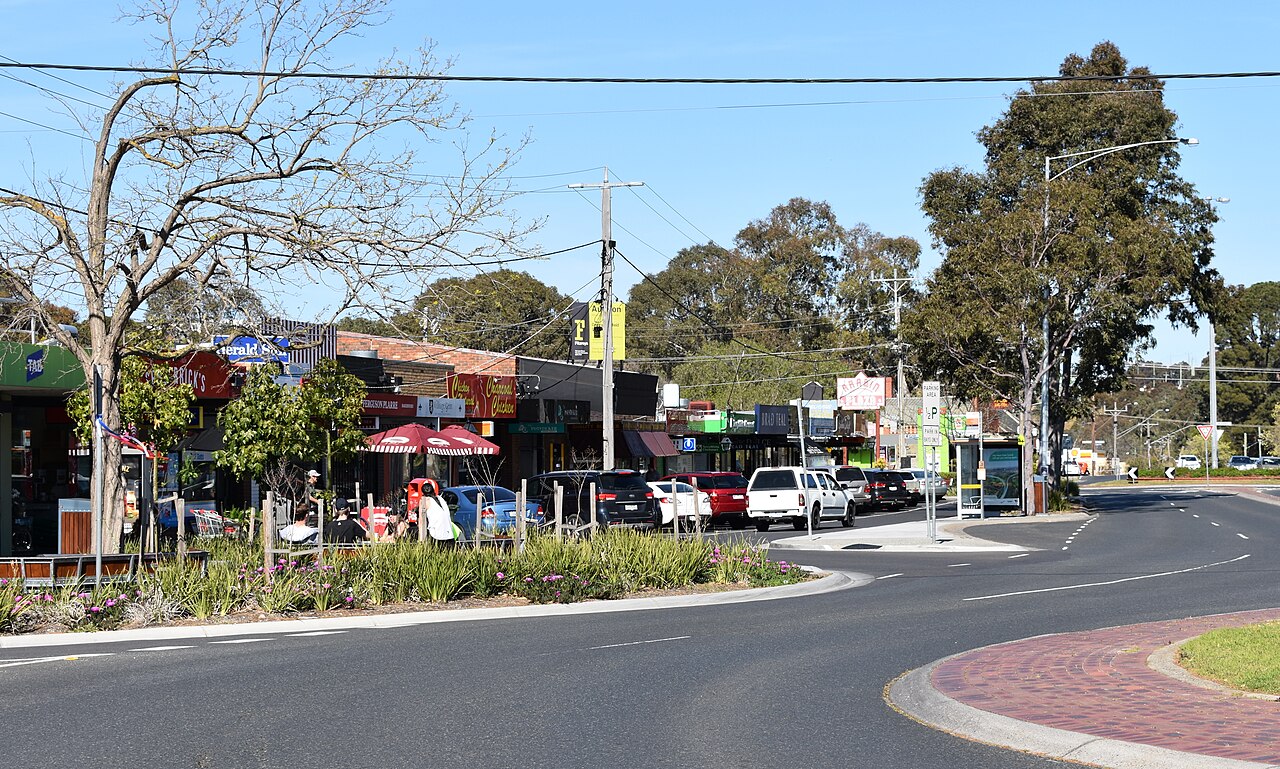
St Albans is not one uniform suburb. Around Alfrieda Street and St Albans station, the trade-off is convenience versus intensity. You get the strongest access to food, trains, pharmacies, grocers and daily errands, but you also get more traffic, more movement and more competition for easy parking. If you do not like active town centres, inspect on a Saturday afternoon before signing anything.
Ginifer-side living can be practical for people connected to Victoria University, Sunshine Hospital, medical work or the broader Sunshine corridor. It is less famous than Alfrieda Street, but it can make everyday movement easier if your life points that way. The key is to test the actual walk from the property to Ginifer station, not just the map distance.
The northern and western residential pockets can offer bigger blocks, quieter streets and better parking. They can also leave you more dependent on the car. Before moving, time the school run, the supermarket run and the station trip in bad weather. A listing that says “close to everything” may still mean you are driving for most errands.
Main Road is the suburb’s spine and one of its pressure points. It helps with buses, services and orientation, but it can also feel busy and fragmented. If you are noise-sensitive, be wary of homes too close to major roads, railway edges or commercial strips. If you are a shift worker, check street lighting and the walk home from the station after dark.
For families, schools and childcare should be checked through official zones, not agent language. St Albans has established education options, but catchments, enrolment pressure and commute patterns are property-specific. Put school-zone verification on the same level as finance approval and building inspection.
Signature Craving
The St Albans food test is a bowl on Alfrieda Street. Start with Pho Thin St Albans at 24 Alfrieda Street, then compare it with the other Vietnamese kitchens, bakeries and grocery shops nearby. This is one of the suburb’s real strengths: the centre is not built around one photogenic cafe. It is built around repeat local eating, shopping and errands.
That matters when you are moving because food geography affects daily life more than people admit. A suburb with a reliable dinner option, fresh herbs, bakery runs, fruit shops and late errands feels easier in the second month than a suburb that only looked neat during inspection. St Albans is strongest when you live close enough to use Alfrieda Street casually, not only as a planned destination.
The caution is that the town centre can be busy and uneven. Some shopfronts feel worn, and parking can take patience. If you want spotless footpaths and designer fit-outs, this is not the pitch. If you want proper local food, groceries and a centre that functions for everyday life, it is a major reason to shortlist the suburb.
Your moving checklist should include one meal and one grocery run before applying for a rental or making an offer. Walk the route from the property to Alfrieda Street, check the crossings, then decide whether that convenience is part of your life or just a nice idea on the map.
Comparisons Table
| Suburb | Compared with St Albans | Better fit if you want | Watch-outs |
|---|---|---|---|
| Sunshine | More established transport interchange and bigger activity-centre feel | Stronger regional connections, more services, closer inner-west identity | Often more expensive and busier around the centre |
| Deer Park | More car-oriented, with retail and freeway access advantages | Larger retail trips, road access, newer-feeling pockets | Less walkable train-and-food combination than central St Albans |
| Keilor Downs | Quieter suburban feel and more family-oriented streets | Calmer residential setting, shopping centre convenience, schools nearby | Usually less of the Alfrieda Street food-and-train package |
| Albanvale | Smaller and often cheaper-feeling residential option next door | Lower-cost housing search and quieter streets | More car dependence and fewer centre-of-suburb amenities |
Trust Block
Author: Freya Anderson
Freya Anderson writes Melbourne suburb guides with a focus on rent pressure, household budgets and relocation decisions. This guide was rebuilt for 2026 using current property portal signals, ABS census context, Brimbank local information and named local venue checks.
Key sources reviewed include the realestate.com.au St Albans suburb profile for current rental and sale indicators, ABS 2021 QuickStats for demographic baseline, St Albans Town Centre information for the activity centre, and Brimbank Council material for local governance context.
This article is written for a named reader: Linh, a first-home buyer or renter comparing western suburbs by weekly cost, train access, food, housing condition and day-to-day convenience. It does not assume St Albans is right for every mover. It is designed to help you reject the wrong pocket before you pay bond, stamp duty or moving costs.
Next review is scheduled for October 2026, with rent, sale and transport details checked again against live market data.
FAQ
Q: Is St Albans a good suburb to move to in 2026?
A: It is a good fit if affordability, train access, older houses and practical food options matter more than polished streetscapes. It is not the easy pick for buyers who want a quiet premium feel from the first inspection.
Q: What is the biggest advantage of living in St Albans?
A: The main advantage is the mix of relative affordability, Sunbury line access and Alfrieda Street food. That combination is harder to find at the same price point closer to the city.
Q: What is the biggest downside?
A: Street quality varies. Some pockets feel convenient and established, while others are more car-dependent or rougher around the edges. Inspect at different times of day.
Q: Should renters choose St Albans station or Ginifer station?
A: Choose St Albans station if Alfrieda Street and the town centre are central to your routine. Choose Ginifer if your work, study or medical needs point toward Sunshine Hospital, Victoria University or the Sunshine corridor.
Q: Are St Albans houses mostly new or old?
A: Much of the suburb is older detached housing, brick veneer, weatherboard and post-war stock, with units and townhouse infill mixed through. Building condition matters more here than listing photos.
Q: Is St Albans cheaper than Sunshine?
A: Often, yes, but compare live listings before deciding. Sunshine has stronger interchange status and a different activity-centre profile, which can push demand and pricing higher.
Q: Do I need a car in St Albans?
A: You can manage with trains and buses in the right pocket, especially near the station and shops. In outer residential pockets, a car makes daily life much easier.
Q: What should I check before signing a lease?
A: Check heating, cooling, locks, appliances, water pressure, mould, parking, public transport access and night-time street comfort. Older properties deserve a slower inspection.
Q: Is Alfrieda Street useful for everyday life?
A: Yes. It is one of the main reasons people choose central St Albans, with Vietnamese dining, groceries, bakeries, pharmacies and errands close together.
Q: Is St Albans better for renters or buyers?
A: It can work for both. Renters get a lower-risk way to test the suburb, while buyers may find better land and house value than in pricier western suburbs. Buyers need stronger due diligence on building condition.
Q: What is the first thing to do before moving there?
A: Pick three candidate pockets, then do the station walk, grocery run and evening drive for each one. St Albans makes much more sense when judged street by street.