
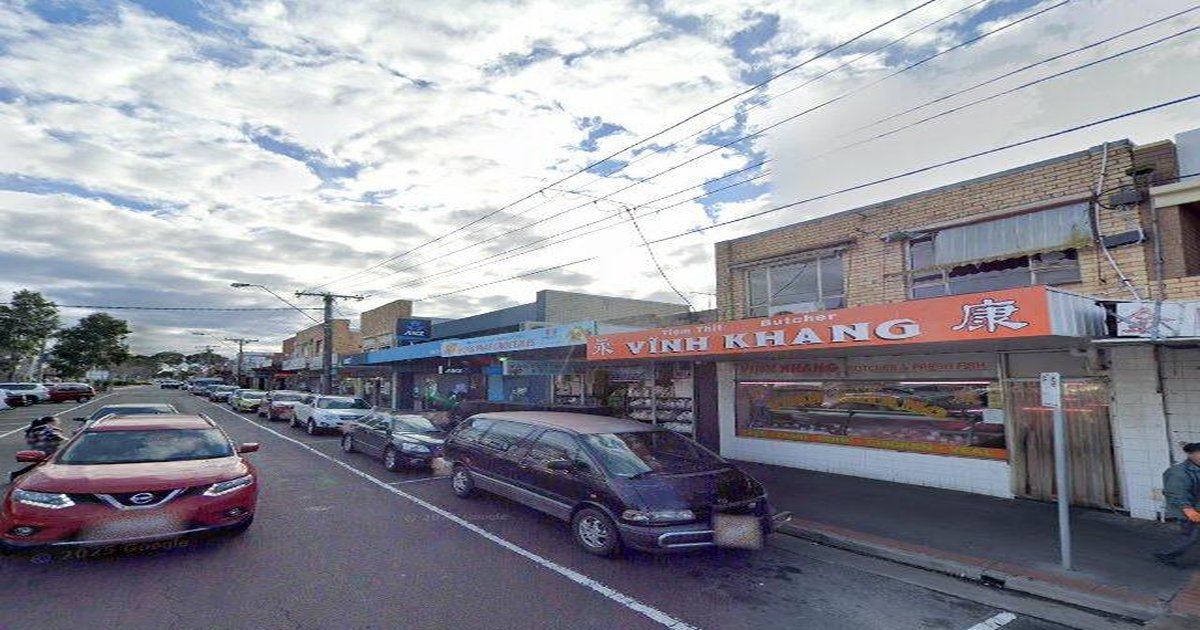
Moving to St Albans — Relocation Guide 2026
Vietnamese food strip, Pacific Werribee access, and a multicultural hub with improving transport.
The Financial Side of St Albans
Whether you’re renting, buying, or investing, St Albans has its own market dynamics. Here’s what the numbers actually look like in 2026.
Current Market Snapshot
St Albans’s property market reflects its position in Melbourne’s West region. Median prices, rental yields, and vacancy rates all tell a story about demand and liveability.
Rental Market
Rental prices in St Albans vary by property type and street. Units and apartments tend to be more affordable, while houses — especially those near schools and transport — command premium rents.
Cost of Living
Beyond rent or mortgage, your cost of living in St Albans includes council rates, utilities, transport, groceries, and the inevitable cafe habit that Melbourne demands. Budget accordingly.
Investment Outlook
St Albans’s investment potential depends on infrastructure projects, population growth, and the broader Melbourne market. Long-term fundamentals remain solid for well-located Melbourne suburbs.
Practical Tips
- Get a rental inspection checklist before signing
- Compare utility providers — don’t default to whoever the previous tenant used
- Local knowledge from real estate agents can save you thousands at auction
Explore More of St Albans
Looking for more local intel? Check these out:
Last updated: March 2026