St Kilda East occupies the triangle between Hotham Street, Inkerman Road, and the Balaclava train line — a residential pocket seven kilometres south-east of the CBD that most Melburnians drive through without realising they’ve entered a different suburb. That anonymity is part of the appeal. The people who live here chose it deliberately.
The suburb sits within the City of Port Phillip, postcode 3183, and its character is shaped by two forces: proximity to St Kilda’s beach strip without the noise, and one of Melbourne’s oldest and most established Jewish communities. Walk along Hotham Street on a Friday afternoon and the rhythm shifts — families heading to shul, bakeries selling challah, a pace that feels deliberately slower than the surrounding suburbs.
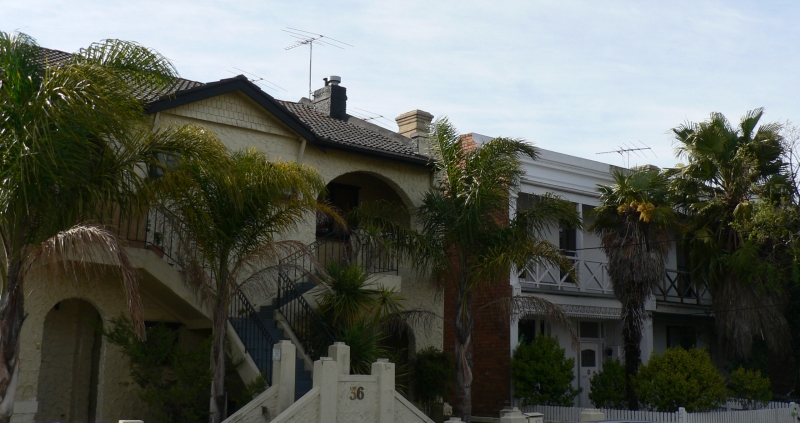
The housing stock is mostly Edwardian and interwar — double-fronted weatherboards on the quieter streets, solid 1930s brick flats along Alma Road, and a scattering of 1960s walk-ups that have been steadily renovated. Chapel Street forms the western border with Windsor, and on a Saturday you can walk from the boutiques and bars of Chapel Street to the silence of a residential back street in St Kilda East in under five minutes.
What to eat in St Kilda East
St Kilda East is not a dining destination in the traditional sense, and that honesty matters. The suburb has a handful of venues that locals return to weekly, and the rest of your eating life happens across the border in Balaclava or St Kilda.
Scheherazade on Acland Street (technically St Kilda, but locals claim it) has been serving Eastern European comfort food — borscht, blintzes, schnitzel — since 1958. On Hotham Street, Glick’s Bagels does the best bagels in Melbourne’s south-east, and the kosher bakeries along Carlisle Street in neighbouring Balaclava are a five-minute walk. For a proper sit-down dinner, Claypots Seafood Bar on St Kilda’s foreshore is a 10-minute walk west.
For the full breakdown, see our guide to St Kilda East’s best restaurants.
The St Kilda East Vibe Score
Our live Suburb Vibe Score tracks venue activity, foot traffic, and community engagement across Melbourne’s suburbs. St Kilda East sits in the steady mid-range — it doesn’t spike with new openings or trend on social media, but it holds consistent because the people who live here actually use the suburb daily. Check the latest ranking to see where it sits this week.
Living in St Kilda East — what it actually costs
A one-bedroom apartment on Alma Road runs $400–$480 per week in 2026. A two-bedroom unit near Hotham Street is $550–$680. Buying a freestanding house crossed $1.4 million median in 2024, but apartments remain accessible at $500K–$700K. The tradeoff is that you’re close to everything — Balaclava station is a five-minute walk for most residents, tram 3 runs along Balaclava Road, and tram 67 on Glen Huntly Road connects you to the CBD in 25 minutes.
Getting around
St Kilda East has no train station of its own, but Balaclava station on the Sandringham line sits right on the border and most of the suburb is within a 10-minute walk of it. Tram 3 runs along Balaclava Road toward the city, and tram 67 on Glen Huntly Road heads to Melbourne University and beyond. Chapel Street is a short walk west with its own tram connections. Most locals walk or cycle — the flat terrain and grid streets make it genuinely car-optional.
Is St Kilda East good for families?
St Kilda East works well for families who want inner-city access without inner-city noise. St Kilda East Primary School on Blessington Street has a strong community reputation. Alma Park — the suburb’s biggest green space — has a playground, mature trees, and enough room for weekend cricket. The Jewish day schools nearby (Leibler Yavneh College, Beth Rivkah) add educational options that draw families from across the south-east. The walk to Balaclava station is flat and safe, and the local streets are quiet enough for kids on bikes.
Keep exploring
St Kilda East connects naturally to its neighbours. Walk west across Chapel Street into Windsor for its bar and dining strip. South along Hotham Street takes you into St Kilda and the Acland Street foreshore. East is Caulfield North with its larger houses and Caulfield Park. North across Inkerman Road puts you in Balaclava and the Carlisle Street food scene that many St Kilda East residents consider their local strip.