The Honest Truth About Living in St Kilda
Every suburb in Melbourne has a PR team. The real estate agents, the council brochures, the developer websites — they’re all selling you a version of St Kilda that doesn’t mention the bad stuff.
Here’s what they won’t tell you. And here’s what they’re right about.
I’m telling you this because I’d want someone to tell me before I signed a lease or put in an offer.
First Impressions
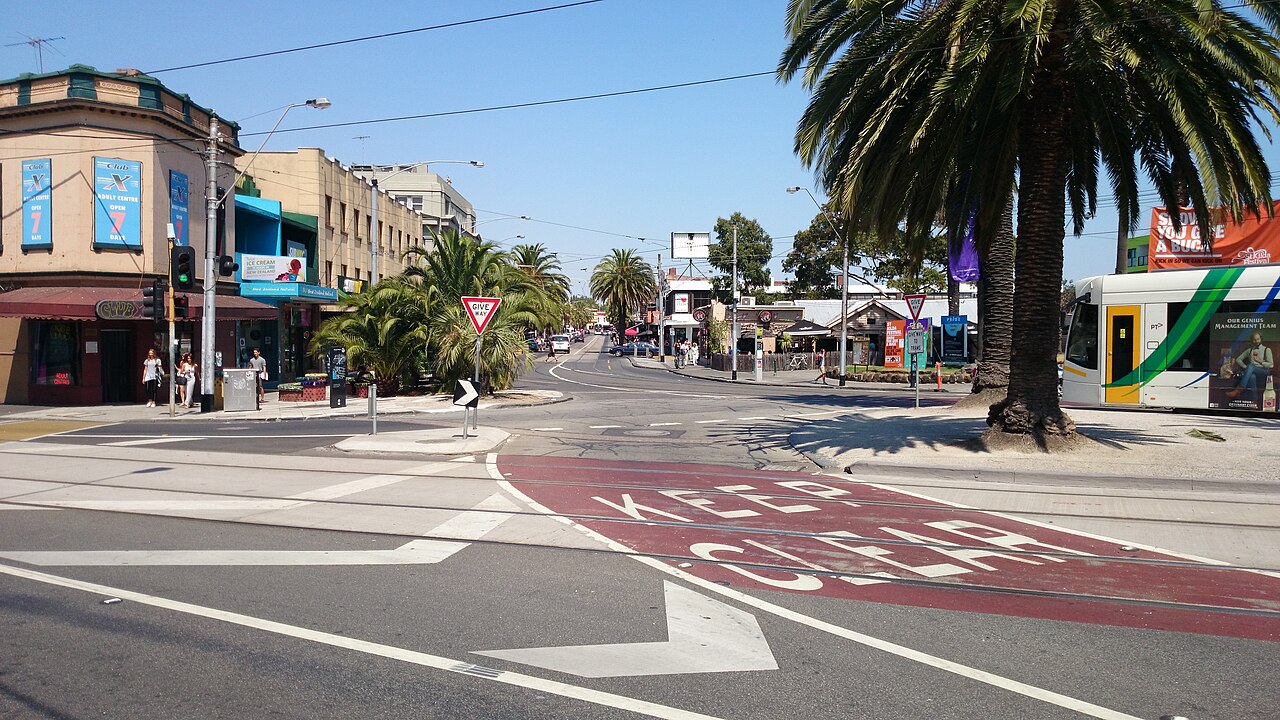
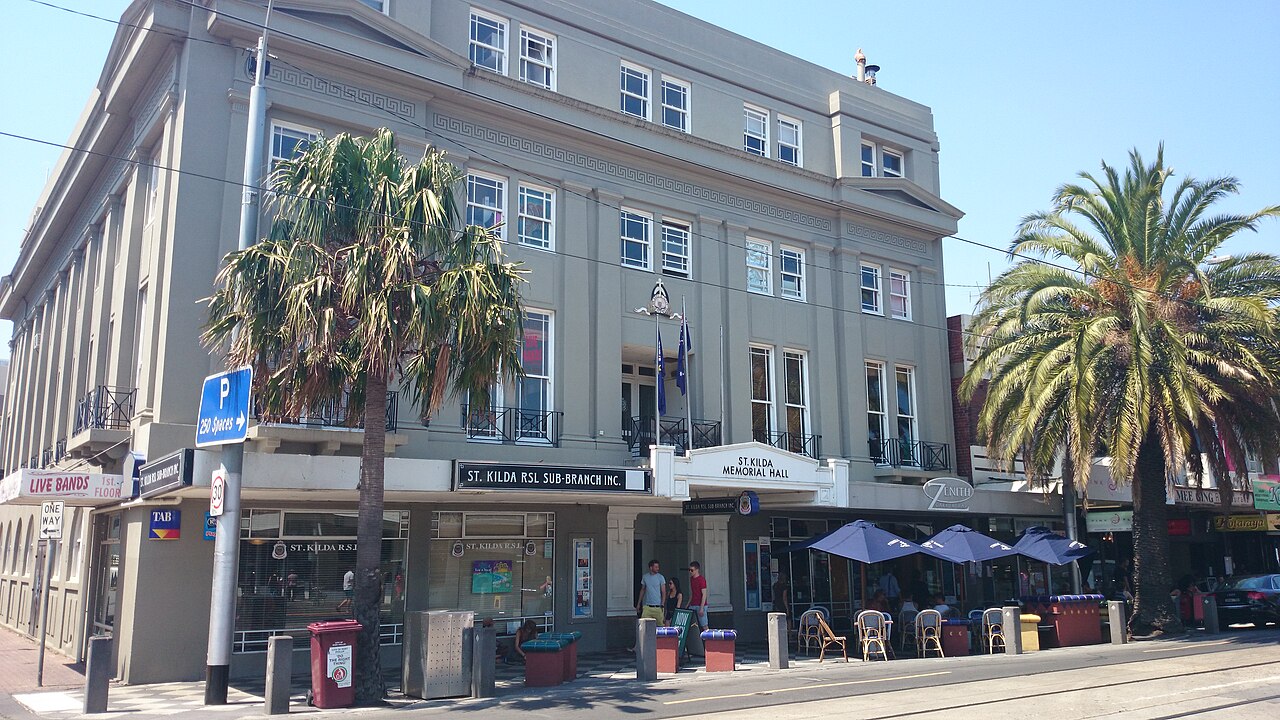
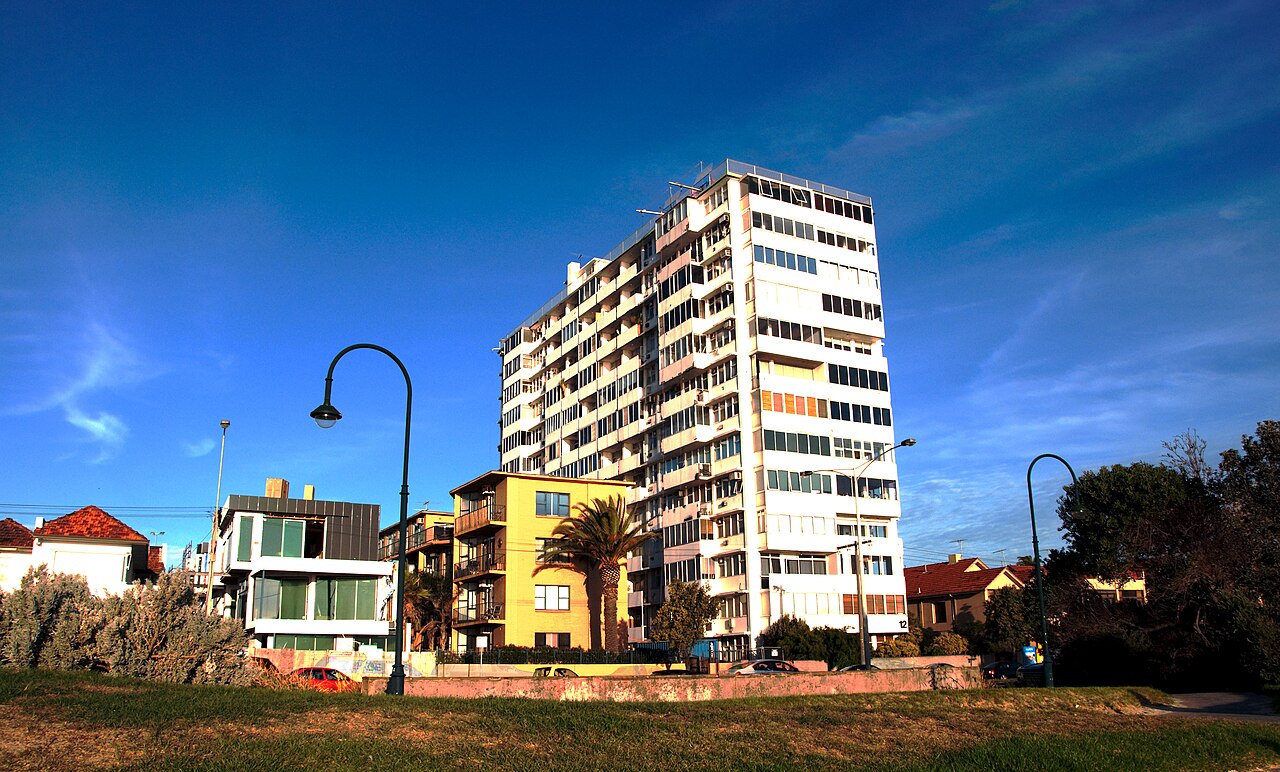
At 6km from the CBD, you’re looking at a 25-40 minute commute by train or car. Bayside suburb with Acland Street, Luna Park, the Esplanade, and a long-standing live music and arts scene. Sunday market on the foreshore. Your first drive through will either make you think “yeah, I could live here” or “this isn’t for me.” Trust that instinct.
The Good Stuff
- The food scene is real. St Kilda has genuinely good restaurants and cafes, not just chain stores. You can eat your way through a weekend without repeating a cuisine. The density of quality food options per square kilometre is something outer suburbs simply cannot match.
- Public transport works. Trams, trains, or both — you can ditch the car most days, and that saves you $100+/week in running costs. Not needing a car in Melbourne is a genuine financial advantage.
- The community has character. St Kilda has its own identity. People who live here chose it specifically, not just because it was affordable. That creates a neighbourhood worth being part of. You will recognise the barista, the person at the bottle shop, and the dog walkers.
- Walking is practical. Groceries, gym, coffee, pub — most of your daily needs are within a 15-minute walk. In Melbourne’s outer suburbs, that is a genuine luxury that people underestimate until they do not have it.
- Career proximity matters. Being close to the CBD means networking events, after-work drinks with colleagues, and spontaneous opportunities that people in outer suburbs miss because the commute home is too long.
The Not-So-Good
- Noise is part of the deal. Inner-suburb living means hearing your neighbours, hearing the tram at 6am, and hearing drunk people at midnight. If you need silence, this is not it. Earplugs become a lifestyle choice.
- Parking is a sport. Finding a park near your house on a Friday night involves laps, patience, and occasionally some creative interpretation of clearway signs. Many residents pay $200+/month for a dedicated car space.
- The rent keeps climbing. St Kilda’s popularity means rents go up every year. That $390/week is probably $410/week by next lease renewal. And there is always someone willing to pay more, which gives landlords zero reason to negotiate.
- Space is minimal. Your apartment will be smaller than you would like. Your balcony (if you have one) fits two chairs and a dead plant. Storage means a single cupboard. Accept it or pay even more for a bigger place.
- Gentrification has consequences. The things that made St Kilda interesting — the dive bars, the cheap eats, the artists — get pushed out as rents rise. What you move to St Kilda for might not be there in five years.
The Dealbreakers
- If you need a backyard, keep driving. Inner-suburb properties are built for adults, not kids with cricket sets. Families with young children will feel the squeeze.
- If $390/week rent stretches your budget, you will be stressed. Living here on a tight budget means sacrificing savings. It is not worth it if you are barely covering bills. The lifestyle premium only works if you can actually afford the lifestyle.
- If you work remotely full-time, you are paying for proximity you do not use. Remote workers get better value 15-20km out where the same rent buys twice the space.
Who Thrives in St Kilda
St Kilda works best for young families, first-home buyers, and professionals who want a balance of space and access. If that’s you, this suburb will probably feel right.
People who thrive here tend to:
- Value location and walkability over space
- Have active social lives in the area
- Appreciate character and community
Who Should Stay Away
Honest talk: if you need quiet nights and a backyard, St Kilda will frustrate you. If your commute tolerance is low and you work in the outer suburbs, look elsewhere.
The Numbers
Rent around $390/week and houses at $1,500,000 put St Kilda in the middle of the Melbourne market.
| Metric | St Kilda |
|---|---|
| Median Weekly Rent (1BR) | $390/wk |
| Median House Price | $1,500,000 |
| Distance to CBD | 6km |
| Population | 17,800 |
Compare that to the Melbourne-wide median house price of around $950,000 and median rent of $400/week. St Kilda sits above average on price and below on rent.
What the Future Looks Like
St Kilda in five years? Prices will keep climbing. The gentrification wave that made this suburb popular will keep pushing rents up and pushing out the characters who made it interesting in the first place. That is the cycle of every inner Melbourne suburb, and St Kilda is no exception.
Population growth across Melbourne means demand in St Kilda is not going anywhere. If you are buying, the long-term outlook is reasonable. If you are renting, expect annual increases of 3-5%.
Final Take
St Kilda is not perfect. No suburb is. But if you go in with realistic expectations — knowing the noise and the tiny apartments are part of the deal — you might find it is exactly what you need.
I reckon St Kilda is solid value for what you get. Just do not expect it to be something it is not. Visit on a Tuesday night, not a sunny Saturday open house. See it at its most ordinary. If you still like it, you have found your suburb.
Read the full St Kilda guide | Compare St Kilda with nearby suburbs | Melbourne suburb A-Z