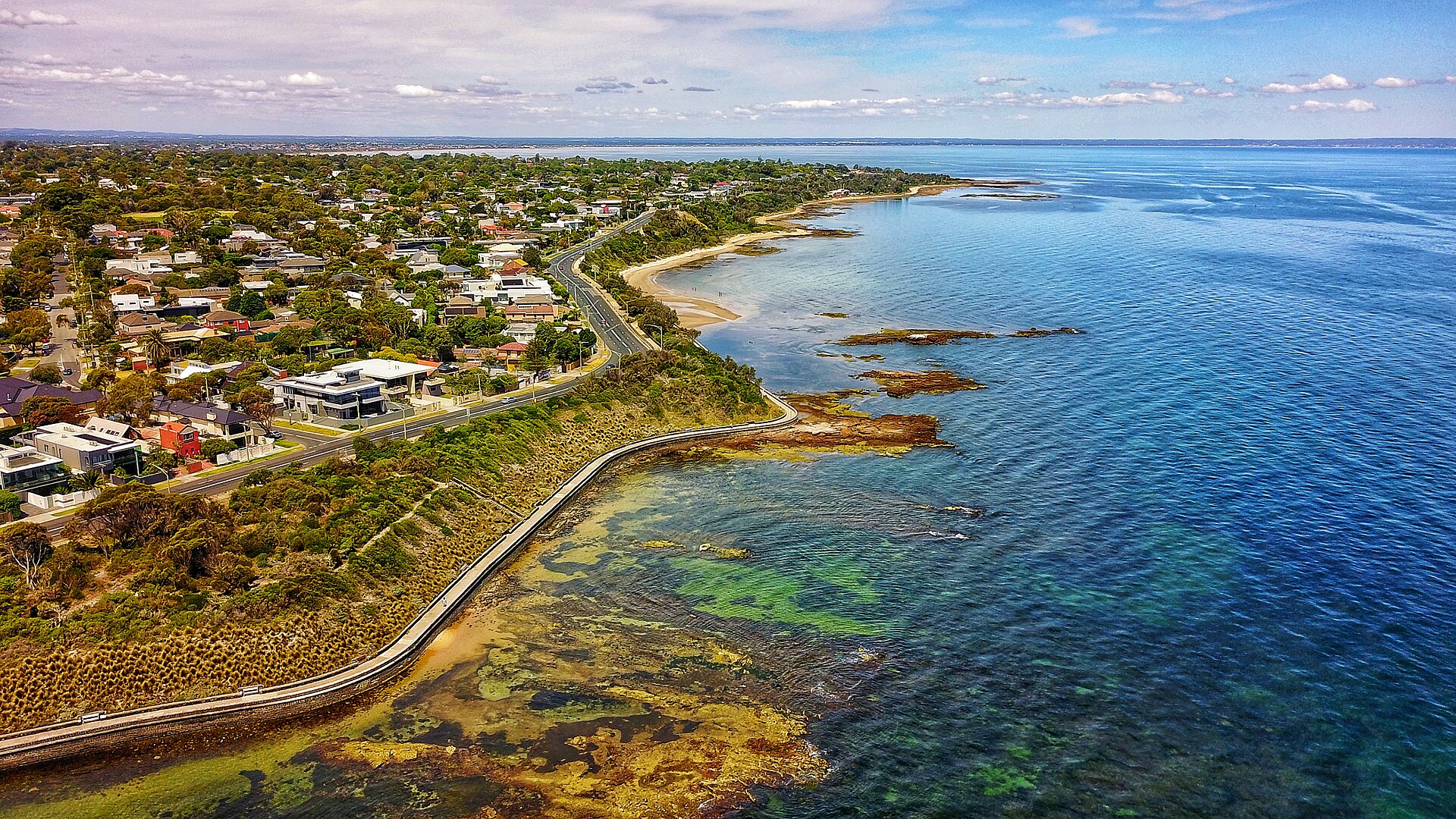
St Kilda sits in Melbourne’s inner south - a suburb that runs beachside, eclectic, faded glamour. Here’s what the numbers and the locals actually say about the property and rental situation.
Rental Prices - St Kilda 2026
| Property Type | Weekly Rent | Monthly | Annual |
|---|---|---|---|
| 1-bedroom unit | $565/wk | $2448/mo | $29,380/yr |
| 2-bedroom unit | $752/wk | $3258/mo | $39,104/yr |
| 3-bedroom house | $927/wk | $4017/mo | $48,204/yr |
Rents in St Kilda have increased modestly compared to 2025. The vacancy rate sits at 2.0%, which is moderate - you have some negotiating room.
Property Prices
| Property Type | Median Price | 12-Month Change |
|---|---|---|
| House | $1,613,509 | +2.7% |
| Unit/Apartment | $764,799 | +1.4% |
Gross rental yield: 5.0% (units tend to yield higher than houses in St Kilda).
Who Lives Here
St Kilda attracts a mix of young professionals and established families. The suburb is known for Luna Park, Esplanade, cake shops, Sunday market.
Average resident profile:
- Age: Predominantly 35-55
- Household: Mix of singles, couples, and families
- Income: Well above metro average
Renting Tips for St Kilda
- Apply fast. Good properties in St Kilda get 20-40 applications. Have your documents ready: 100 points of ID, recent payslips, rental history, references.
- Inspect in person. Photos lie. Check water pressure, phone reception, natural light at the time of day you’d actually be home. Open the cupboards. Flush the toilet.
- Look beyond Fitzroy Street. The main strip has more foot traffic but also more noise. One or two blocks back, you get the same proximity for less money.
- Know your rights. Victorian tenancy law caps rent increases to once per 12 months. Your landlord must give 60 days notice. Urgent repairs must be addressed within 24 hours (blocked toilet, no hot water, gas leak).
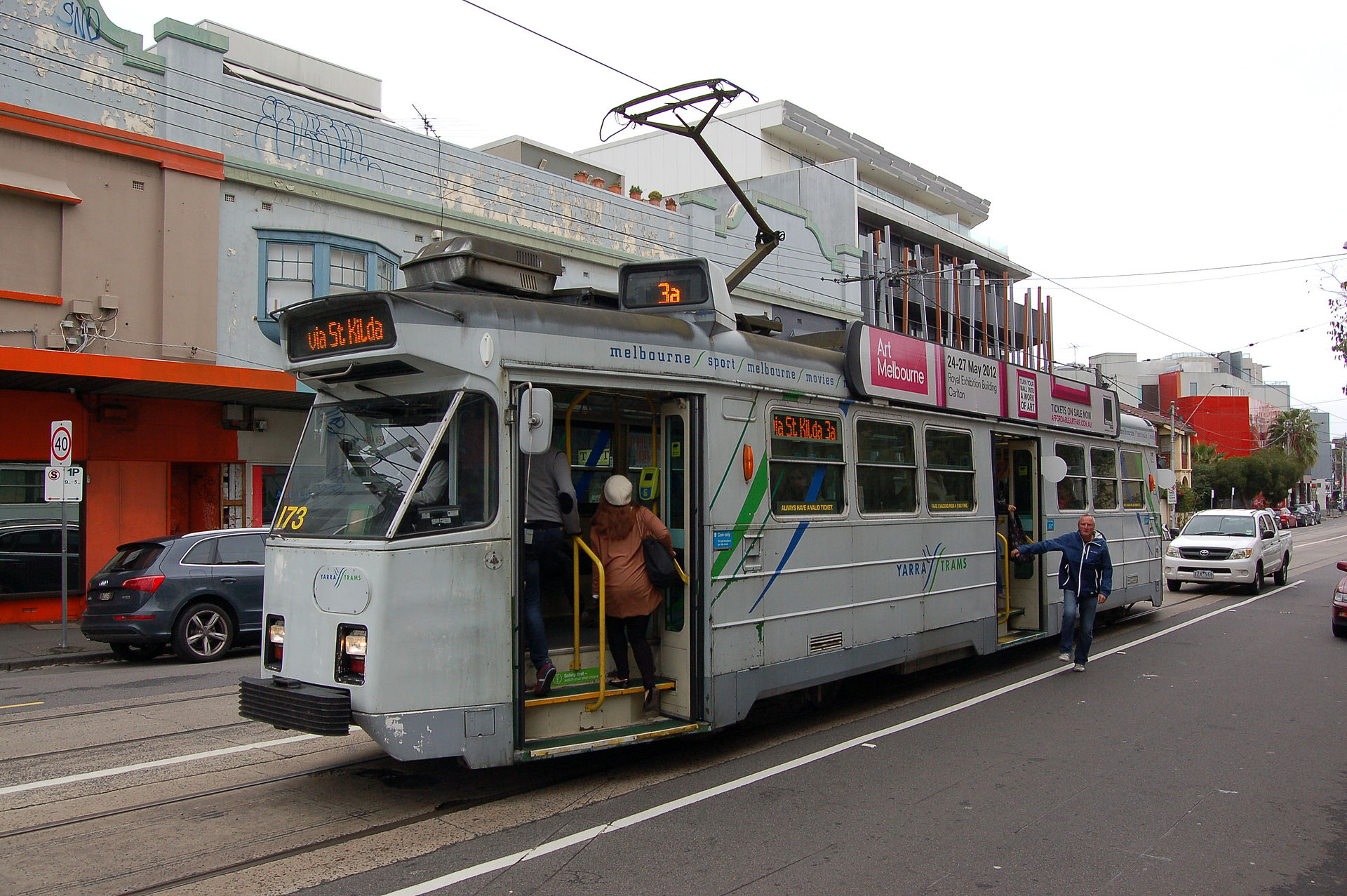
- Budget beyond rent. Factor in: utilities ($150-250/month), internet ($70-90/month), contents insurance ($15-25/month), and transport (Tram 96 (Acland St), Tram 16 (Fitzroy St)).
Investment Outlook
St Kilda is a mature market - don’t expect explosive growth, but it’s stable and liquid. The 5.0% gross yield is above the metro average.
Key factors:
- Transport: Tram 96 (Acland St), Tram 16 (Fitzroy St)
- Schools: Good public school zone
- Infrastructure: New town centre development approved
Suburb Character & Lifestyle
St Kilda runs beachside, eclectic, faded glamour. The main commercial strip along Fitzroy Street is where most of the daily life happens - cafes, restaurants, and essential services within walking distance for those who live close. The neighbourhood is known for Luna Park, Esplanade, cake shops, Sunday market, which drives both rental demand and property values.
The housing stock is a mix of Victorian-era terraces, Edwardian cottages, and modern apartment developments. For renters, the most common options are standalone units behind older houses. For buyers, the entry point is typically a townhouse on a smaller block at the lower end of the market.
Transport reality: Tram 96 (Acland St), Tram 16 (Fitzroy St). The commute to the CBD is realistic for daily workers, and most residents report using a combination of public transport, cycling, and driving depending on the trip.
Cost of Living Snapshot
| Expense | Typical Cost |
|---|---|
| Coffee | $5.00-5.50 |
| Brunch | $22-32 |
| Dinner out | $35-55 pp |
| Pint of beer | $13-15 |
| Cocktail | $22-28 |
| Groceries | $157/wk (couple) |
| Utilities | $173/mo (1br) |
| Internet | $70-90/mo (NBN) |
The Bigger Picture
St Kilda has seen consistent demand from owner-occupiers and investors alike, driven by lifestyle amenity and transport links. The suburb is beachside, eclectic, faded glamour, which attracts professionals who value walkability and lifestyle.
5-year outlook: Potential uplift from transport infrastructure projects. The fundamentals - location, transport, lifestyle amenity - are well-established.
What to watch: Park redevelopment - check council planning portal for details.
Nearby
Last updated: March 2026. Data sources: Domain, REA Group, SQM Research.
Keep Exploring
More in this area:
- Property Market in St Kilda
- Rent Guide in St Kilda
- Investment Guide in St Kilda
- First Home Buyer in St Kilda
Nearby suburbs:
Useful tools:
Data-Backed Rental Market Analysis
St Kilda’s rental market is shaped by a simple imbalance: high renter demand, limited detached housing, and strong lifestyle pull from the beach, Acland Street, Fitzroy Street, trams, cafes and nightlife.
Current Domain rental listings show St Kilda units at about $480 per week for 1 bedroom, $650 for 2 bedrooms, and $950 for 3 bedrooms. Houses are scarcer and step up quickly: around $750 for 2 bedrooms, $947 for 3 bedrooms, and about $1,400 for 4 bedrooms.
Compared with wider Melbourne, St Kilda is not a cheap rental suburb. Domain reported Melbourne’s median asking rent at $580 per week for units and $580 for houses in the December 2025 quarter. That means a typical 2-bedroom St Kilda unit at $650 sits about $70 above Melbourne’s unit median, while larger St Kilda houses sit well above the citywide benchmark because supply is thin.
The suburb is also unusually renter-heavy. Domain’s St Kilda suburb profile lists occupancy at about 65% renters and 35% owners, with a population of about 20,218. That matters because renter turnover, inspection competition and price sensitivity are all more visible in a suburb where renting is the dominant tenure type.
The practical takeaway: St Kilda offers better value in older apartments than in renovated houses or boutique townhouses. Renters chasing space, parking and quiet streets will pay a premium. Renters who can accept older buildings, shared laundries, no lift, or no parking will usually find more options.
Source: Domain St Kilda suburb and rental listings data
Rental Search Checklist
- Set a realistic weekly range before inspecting. For St Kilda, use $480-$550 as a rough 1-bedroom unit range and $650-$750 as a practical 2-bedroom unit range.
- Decide what matters most: beach access, tram access, parking, balcony, pet approval, heating/cooling, or quieter streets away from nightlife.
- Check the building age. Many St Kilda rentals are older apartments, so look closely for damp, ventilation, noise transfer, storage, hot water systems and security doors.
- Inspect at the time you would normally be home. A flat that feels calm at 11am may feel different on a Friday night near Fitzroy Street, Acland Street or major tram corridors.
- Compare the listing against similar rentals, not the suburb average. A renovated 2-bedroom apartment with parking should not be compared with an older walk-up without parking.
- Prepare documents before applying: payslips, ID, references, rental ledger, employment letter and pet profile if relevant.
- Ask what is included. Confirm water usage, parking space, storage cage, embedded electricity networks, internet options and whether appliances are part of the lease.
- Before signing, check the condition report carefully and photograph existing damage, especially floors, windows, blinds, mould, heaters and bathroom fittings.
What Renters Should Watch
The biggest risk in St Kilda is paying lifestyle pricing for a compromised property. Beachside location can hide weak fundamentals: poor insulation, limited natural light, noisy neighbours, old plumbing or no secure parking.
The best value is often a well-maintained older apartment on a quieter street within walking distance of Carlisle Street, Balaclava Station, St Kilda Road trams or the foreshore. The highest competition is usually for renovated 1- and 2-bedroom apartments with parking, outdoor space and pet approval.
FAQ
Is St Kilda expensive for renters?
Yes, compared with many Melbourne suburbs. A 2-bedroom unit around $650 per week is above Melbourne’s broader unit median of about $580 per week.
Are houses easy to rent in St Kilda?
No. Houses are limited, and family-sized homes are expensive. Most rental stock is apartments, so renters needing 3 or 4 bedrooms should expect fewer listings and stronger competition.
Is St Kilda better for singles, couples or families?
St Kilda is strongest for singles and couples who value transport, beach access and nightlife. Families can live well there, but larger homes, parking and quiet streets usually cost significantly more.