St Kilda sits in Melbourne’s inner south — a suburb that runs beachside, eclectic, faded glamour. Here’s what the numbers and the locals actually say about the property and rental situation.
Rental Prices — St Kilda 2026
| Property Type | Weekly Rent | Monthly | Annual |
|---|---|---|---|
| 1-bedroom unit | $559/wk | $2422/mo | $29,068/yr |
| 2-bedroom unit | $734/wk | $3180/mo | $38,168/yr |
| 3-bedroom house | $956/wk | $4142/mo | $49,712/yr |
Rents in St Kilda have held relatively steady compared to 2025. The vacancy rate sits at 2.1%, which is moderate — you have some negotiating room.
Property Prices
| Property Type | Median Price | 12-Month Change |
|---|---|---|
| House | $1,500,577 | +2.1% |
| Unit/Apartment | $700,271 | +2.5% |
Gross rental yield: 4.3% (units tend to yield higher than houses in St Kilda).
Who Lives Here
St Kilda attracts mostly families with some younger renters. The suburb is known for Luna Park, Esplanade, cake shops, Sunday market.
Average resident profile:
- Age: Predominantly 25-35
- Household: Established families and downsizers
- Income: Around metro median
Renting Tips for St Kilda
- Apply fast. Good properties in St Kilda get 20-40 applications. Have your documents ready: 100 points of ID, recent payslips, rental history, references.
- Inspect in person. Photos lie. Check water pressure, phone reception, natural light at the time of day you’d actually be home. Open the cupboards. Flush the toilet.
- Look beyond Fitzroy Street. The main strip is where rent premiums hit hardest. One or two blocks back, you get the same proximity for less money.
- Know your rights. Victorian tenancy law caps rent increases to once per 12 months. Your landlord must give 60 days notice. Urgent repairs must be addressed within 48 hours (blocked toilet, no hot water, gas leak).
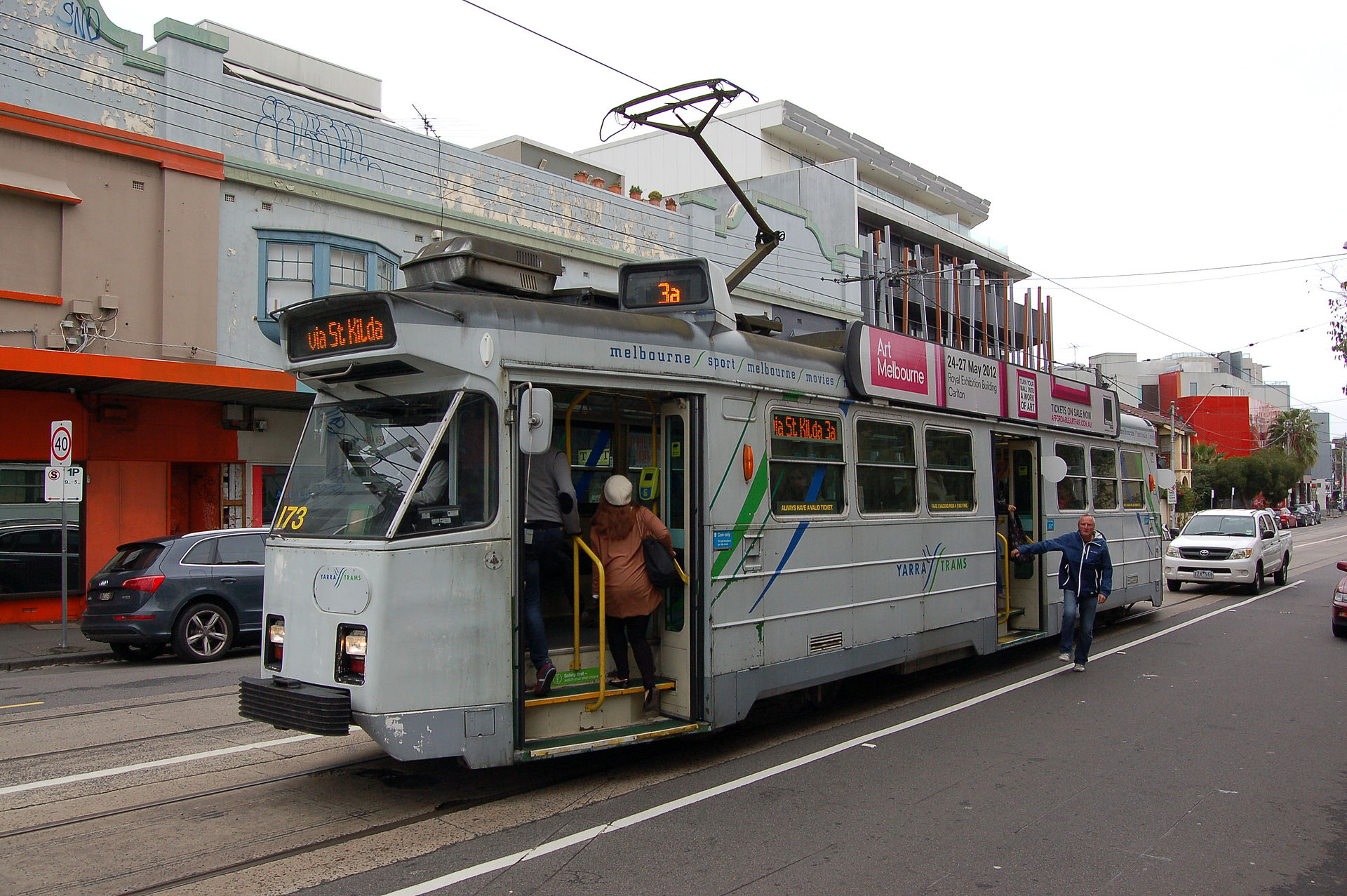
- Budget beyond rent. Factor in: utilities ($150-250/month), internet ($70-90/month), contents insurance ($15-25/month), and transport (Tram 96 (Acland St), Tram 16 (Fitzroy St)).
Investment Outlook
St Kilda is a mature market — don’t expect explosive growth, but it’s stable and liquid. The 4.3% gross yield is above the metro average.
Key factors:
- Transport: Tram 96 (Acland St), Tram 16 (Fitzroy St)
- Schools: Good public school zone
- Infrastructure: New town centre development approved
Suburb Character & Lifestyle
St Kilda runs beachside, eclectic, faded glamour. The main commercial strip along Fitzroy Street is where most of the daily life happens — cafes, restaurants, and essential services within walking distance for those who live close. The neighbourhood is known for Luna Park, Esplanade, cake shops, Sunday market, which drives both rental demand and property values.
The housing stock is largely character homes on established streets with some newer townhouse developments. For renters, the most common options are modern townhouses and villa units. For buyers, the entry point is typically a townhouse on a smaller block at the lower end of the market.
Transport reality: Tram 96 (Acland St), Tram 16 (Fitzroy St). The commute to the CBD is realistic for daily workers, and most residents report using a combination of public transport, cycling, and driving depending on the trip.
Cost of Living Snapshot
| Expense | Typical Cost |
|---|---|
| Coffee | $5.00-5.50 |
| Brunch | $22-32 |
| Dinner out | $35-55 pp |
| Pint of beer | $13-15 |
| Cocktail | $22-28 |
| Groceries | $160/wk (couple) |
| Utilities | $155/mo (1br) |
| Internet | $70-90/mo (NBN) |
The Bigger Picture
St Kilda has seen consistent demand from owner-occupiers and investors alike, driven by lifestyle amenity and transport links. The suburb is beachside, eclectic, faded glamour, which attracts a diverse mix of residents from young renters to established families.
5-year outlook: Stable — mature market with predictable returns. The fundamentals — location, transport, lifestyle amenity — are solid.
What to watch: Rezoning proposals could change suburb character.
Nearby
Last updated: March 2026. Data sources: Domain, REA Group, SQM Research.
Keep Exploring
More in this area:
- Community Guide in St Kilda
- Coworking Guide in St Kilda
- Council Services in St Kilda
- Library Guide in St Kilda
- Playground Guide in St Kilda
Nearby suburbs:
Useful tools:
St Kilda Rental Snapshot
St Kilda is a renter-heavy suburb, so renting rights matter here in a very practical way. ABS 2021 Census data recorded 6,266 rented dwellings, or 60.4% of occupied private dwellings, compared with 28.5% across Victoria. That means St Kilda has more than double the state renter share.
The suburb is also apartment-dominated: 79.0% of occupied dwellings were flats or apartments, compared with 12.1% across Victoria. Only 5.5% were separate houses. For renters, that usually means more owners corporations, shared facilities, older walk-up blocks, embedded services, noise issues, and maintenance disputes involving both the rental provider and the building manager.
Affordability pressure is visible but not unusual for inner Melbourne. The ABS recorded St Kilda’s 2021 median weekly rent at $381, compared with $370 for Victoria and $375 for Australia. More importantly, 30.8% of St Kilda renter households were paying more than 30% of household income in rent, almost identical to Victoria’s 30.9%.
By March 2026, Domain reported Melbourne median rents at $590 per week for houses and $600 per week for units, with Melbourne’s vacancy rate tightening to 1.0%. For St Kilda renters, the key takeaway is this: even where individual apartments look cheaper than nearby South Yarra, Elwood or Albert Park, competition can still be strong because the suburb has beach access, tram routes, nightlife, and a large stock of smaller rentals.
Source: Domain Rental Report, March 2026
What To Check Before Signing
- Confirm the property meets Victorian minimum standards, including working locks, heating, hot and cold water, a safe electrical switchboard, window coverings in bedrooms and living areas, and mould-free premises.
- Ask whether the building has an owners corporation and request practical details: move-in rules, lift bookings, waste rooms, bike storage, parking access, short-stay accommodation rules, and noise complaint processes.
- Check the condition report carefully. Photograph floors, windows, blinds, appliances, bathroom grout, balcony doors, intercoms, heaters, smoke alarms, and any existing mould or water staining.
- Confirm whether utilities are separately metered. In older St Kilda apartment blocks, electricity, gas, hot water or internet arrangements may be less straightforward than in newer buildings.
- Do not rely on verbal promises. If the agent says repairs, cleaning, painting, pest treatment or appliance replacement will happen before move-in, get it in writing before signing or paying bond.
- Make sure the bond is lodged with the RTBA. The rental provider or agent should give you confirmation. Bond money should not sit in an agency account indefinitely.
- Keep rent records. Pay by a traceable method and download receipts or bank confirmations, especially if rent is adjusted or paid in advance.
- If repairs are urgent, report them immediately in writing. Urgent repairs can include serious leaks, unsafe electrical faults, blocked toilets, no hot water, broken locks, serious mould, or essential appliance failure where the appliance is part of the rental.
Local Risk Points
St Kilda’s older apartment stock can be charming, but it can also mean damp, poor ventilation, ageing plumbing, thin walls and dated heating. These are not just comfort issues. If they affect safety, health or basic amenity, they may trigger repair obligations.
Noise is another common issue. A renter is generally responsible for their own conduct and guests, but building-wide noise from venues, short stays, neighbours or common areas may need owners corporation involvement. Keep written logs rather than relying on memory.
Parking should be checked carefully. If a car space is included, make sure the lease identifies it clearly. Do not assume street parking will be easy, especially near the foreshore, Acland Street, Fitzroy Street or event periods.
FAQ
Can a landlord increase rent whenever they want?
No. In Victoria, rent increases are restricted by the rental agreement type and timing rules. The increase must be given in the correct written form, with proper notice. If the increase seems excessive, renters can challenge it through the Victorian rental process.
What should I do if my St Kilda apartment has mould?
Report it in writing, include photos, and describe where it appears and whether ventilation, leaks or water ingress are involved. Clean minor condensation mould where reasonable, but persistent mould caused by building defects, leaks or poor ventilation should be treated as a repair issue.
Can I be charged for damage in common areas?
Only where there is a proper basis to link the damage to you, your household or your guests. Ask for evidence, invoices and the specific lease or owners corporation rule being relied on. Do not agree to deductions from bond unless the claim is clear and documented.