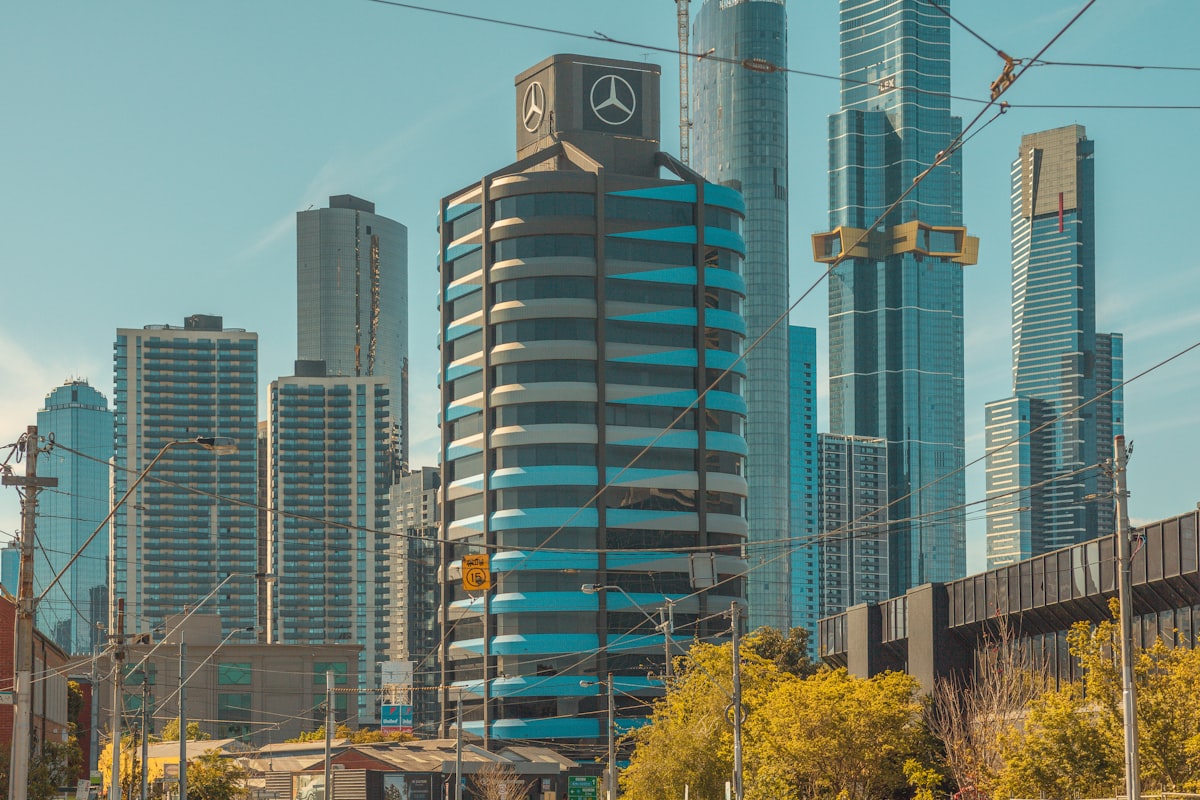
If you are a young professional 25-35 weighing CBD vs an inner-north or inner-east suburb weighing up Brunswick in 2026, the question is no longer ‘is it cool?’ — it is ‘is the price-to-payoff still worth it for you?’ The CBD-to-{suburb_label} shift is partly economic and partly lifestyle — and the cohort making the move is doing so on the back of specific math, not vibes. This guide is criteria-led: we name the venues we are confident are real, and where we are not, we tell you exactly what to look for instead. Treat any operating hours, prices, or booking conditions as things to verify with the venue or agent before you commit.
At a glance
| What changed | Why it matters |
|---|---|
| Hybrid work | Two days at home, three at the office tilts the trade-off toward suburb amenity |
| Rent gradient | Inner-Brunswick rents have moved differently from CBD rents — verify on Domain |
| Food density | Inner-north and inner-east strips compete with CBD on food per capita |
| Tram access | A 15-min commute is still a 15-min commute on the right corridor |
| Apartment stock | Pre-2010 stock in Brunswick often runs bigger floorplans than 2018+ CBD towers |
The case for Brunswick over CBD
- Rent per square metre. Inner-Brunswick apartments often deliver more floor area per dollar than newer CBD towers. Verify by comparing equivalent bedroom counts on Domain or REIV.
- Food strip density. Brunswick typically has a recognisable cafe/bar strip; CBD options are spread across a much wider grid.
- Recovery time. Walking home from a Friday session beats a 25-minute Uber.
- Rideshare cost. Late-night rideshare from CBD to home eats into a CBD rent saving fast.
- Public space. Most inner-Brunswick suburbs have a meaningful park or river precinct within 10 minutes’ walk; CBD is more about Yarra-side strips and laneways.
- Building age trade-off. Pre-2010 stock often runs bigger rooms; post-2015 has better insulation but smaller floorplans. Pick deliberately.
- Hybrid work fit. A study nook beats a corner of the lounge — older floorplans usually win here.
What to filter on
- Tram or train corridor that gets you to the office in under 25 minutes door-to-door.
- A cafe strip within an 8-minute walk for hybrid workdays.
- A supermarket open past 9pm.
- Rental stock turnover — phone two agents and ask how often listings turn in the building you’re considering.
- Body corporate fees on apartments — not in the headline rent.
Practical checks before you commit
- Walk the commute at the time you’d actually do it. Saturday afternoon is not Tuesday 8:15am.
- Check the cafe and bar strip on a quiet Wednesday — some strips are loud Friday-only.
- Verify rent against Domain or REIV’s monthly snapshot for the same dwelling type.
- Read body-corporate minutes if you’re buying. Pending levies wipe out a saved deposit.
- Test internet speed in a real listing before signing.
Watch-outs
- Listings move fast. Rental and dining listings in inner-Melbourne suburbs like Brunswick are often updated daily. A median quoted in March can be stale by June.
- Photos vs reality. Inspect the actual unit, not the staged photos. Check natural light, window seals, and street noise at the time of day you would actually live there.
- Strata / body corporate fees for apartments are not in the headline rent. For purchase, ask the agent for the latest strata report.
- Hours change. Cafes and bars in inner-Melbourne pivot menus and trading hours regularly. Always phone or check the venue’s own socials the day you go.
- Single-source claims. If a TikTok says a place ‘is empty at 7am Sundays’, verify before you build a routine around it.
How we picked
Our shortlists combine three inputs:
- Public datasets — Domain and REIV for rent and sale medians, ABS for demographics, VicPlan for zoning, ACARA for school catchments where relevant.
- Editorial criteria — we publish the criteria upfront so you can re-run the test if priorities shift (commute, noise, affordability, hospitality density).
- Local reader signal — what readers in our 25-35 cohort tell us via the suburb-page feedback form.
We do not accept paid placement on shortlists. If we are not confident a specific operational claim is current, we frame it as a check (‘phone to confirm’) rather than a fact.
FAQ
Is Brunswick actually cheaper than CBD? Sometimes. The honest answer is “it depends on dwelling type”. A 1-bed apartment in a 2018 CBD tower can be priced similarly to a 2-bed in 1970s Brunswick stock. Compare like-for-like on Domain or REIV.
What about commute time? Inner-Brunswick suburbs on a tram or train corridor usually run 15-25 minutes door-to-door to the CBD. Verify the actual route at peak hour.
What about hybrid work? Brunswick usually wins. Older floorplans tend to have study nooks or proper second bedrooms; new CBD studios often don’t.
Is the cafe and bar strip really better? Different. CBD has volume and laneways; Brunswick has density on one or two main strips. Walk both and decide.
What if I want CBD nightlife? Most inner-Melbourne suburbs are 15-25 minutes back to the CBD by tram or rideshare. The trade-off is rideshare cost late at night — factor it in.
Verdict
Brunswick beats CBD for young pros doing hybrid work, eating local during the week, and queuing for the right Saturday brunch — anyone who lives at clubs after 1am should run the rideshare math.


