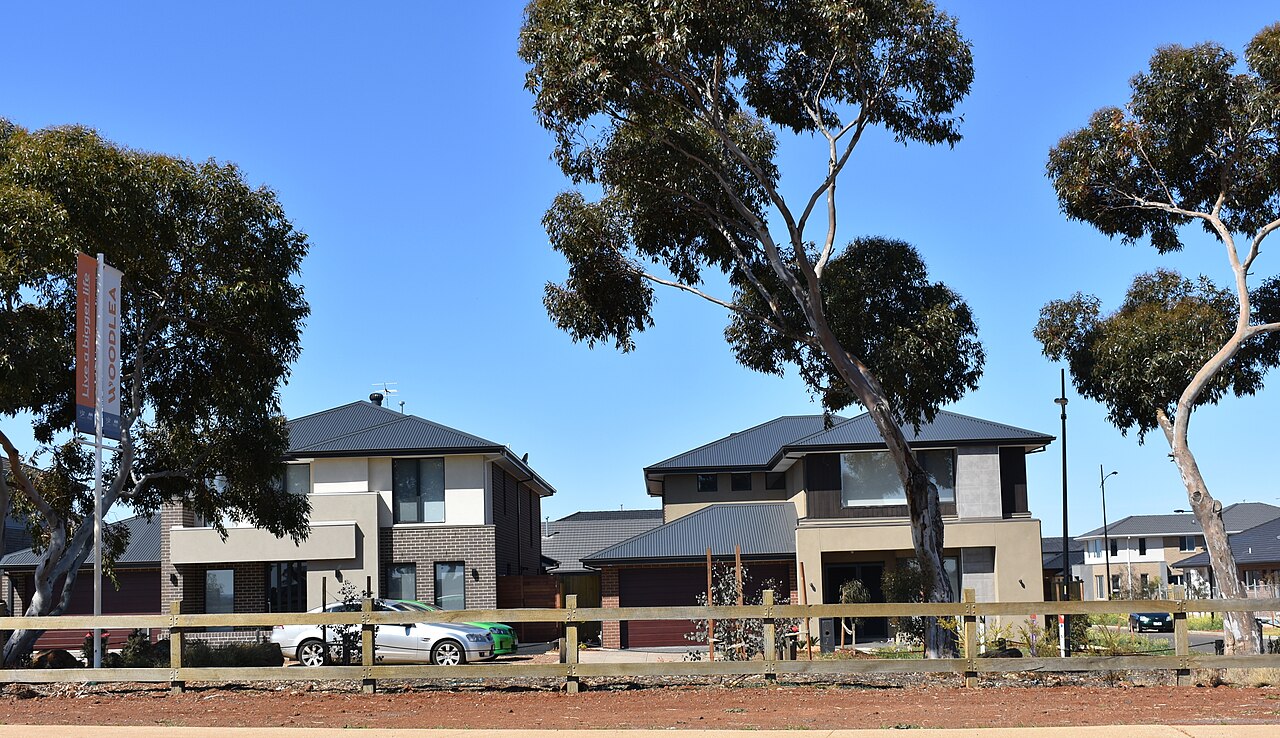
You moved to Thornhill Park and the weekly spend is not behaving like the sales brochure. Here is the real 2026 budget: what a single, couple, or family should expect to pay, where the money leaks, and what to cut first.
The Verdict
A family in Thornhill Park should budget around $1,333 a week before lifestyle creep, and that is the number to use if you want one honest answer. The suburb is cheaper than CBD living on rent, but it is not cheap in the way people imagine when they see new-estate land and more space. The rent line is the obvious win: a three-bedroom house is sitting around $400-550 a week, with the working budget here using $400 a week for the family column. A couple is closer to $997 a week all-in, and a single person lands around $826 a week unless they share. The rent ranges come from current Domain and realestate.com.au listings, so treat them as live market numbers, not fixed promises.
The catch is that Thornhill Park gives back on housing, then takes from groceries, transport, and quarterly bills. Coles and Woolworths cover the standard shop, but the cheaper play is driving to Aldi first, because the original budget saving is $30-50 a week on a standard grocery run. Transport is the real line item people undercook: a Myki-only commute is about $44 a week, but car running costs can easily sit at $120-180 a week, and car plus occasional public transport can push $150-200. Don’t build your budget around the cheapest single column if you have kids, a second car, gas heating, or regular brunches – you’ll regret it by the first winter bill.
Local Reality
Thornhill Park is a car-first budget suburb. Parking is rarely the problem because most homes have driveways or garages; the problem is that the car becomes the default solution for almost everything. Public transport exists, but the original numbers are blunt: relying on it adds significant commute time. If your weekly plan assumes you can live here like an inner-suburb renter, walking to everything and casually using trams, the budget will not survive contact with Monday morning.
The grocery reality is also less romantic than the brochure version. Coles and Woolworths handle most needs, but they are not where the best weekly saving sits. Aldi is the pressure valve, especially for families trying to hold groceries near the $327-a-week benchmark instead of drifting into premium-shop territory. Eating out is where the budget quietly breaks: cafe brunch is $18-26 per person, and a mid-range dinner for two is $70-110 before drinks. That is fine once in a while, but it turns ugly fast if it becomes the default weekend habit.
Watch winter. Gas heating can push bills up 40-60%, so the same household that looks comfortable in April can feel squeezed from June to August. Budget an extra $15-30 a week through winter rather than pretending the quarterly bill will somehow be gentle. Skip Thornhill Park if you need a low-car lifestyle; if your work, childcare, or social life is already pulling you west of the suburb most days, price the fuel and time first, then compare nearby options before signing anything.
Who This Suits
If you’re a single renter, pick a share house if the goal is saving, because a room at $257-307 a week beats carrying a one-bedroom apartment at $362-442 a week by yourself. If you’re a couple, Thornhill Park works best when one or both of you are hybrid and can use Myki money instead of paying for trips you are not taking. If you’re a family with two kids, use the $1,333-a-week figure as the floor, not the ceiling, because childcare, school costs, pets, and winter utilities can stack quickly. If you’re buying, remember the hidden costs are not hidden after settlement: council rates are listed at $1,713 a year, and apartment body corporate costs can hit $6,281 a year.
Cost expectations are straightforward. Singles should think in the $3,304-a-month range for the basic budget here, couples around $3,988 a month, and families around $5,332 a month. Those numbers include rent, groceries, transport, utilities, internet, and phones, but they do not magically absorb every lifestyle decision. Contents or building insurance can add $80-150 a month. Childcare can run $100-180 a day before subsidies. Private school fees can sit between $5,000 and $15,000 a year, while public school fees are listed as $0.
Timing matters. April numbers look cleaner because winter heating has not hit yet, and new-estate households often underestimate the first cold season. Review energy plans quarterly, especially if the home is solar-ready, and do not let a cheap rent headline distract from a second-car household budget. The best time to tighten the budget is before June; the worst time is after the gas bill arrives.
What to Do Next
Use $826, $997, or $1,333 a week as your baseline, then add your real transport and winter heating costs before applying. For the suburb-level context behind these numbers, read the Thornhill Park cost of living guide.
The Quick Numbers
| Expense | Single | Couple | Family (2 kids) |
|---|---|---|---|
| Rent | $362/wk | $354/wk | $400/wk |
| Groceries | $149/wk | $238/wk | $327/wk |
| Transport | $44/wk | $79/wk | $88/wk |
| Utilities | $70/wk | $70/wk | $98/wk |
| Internet/Phone | $64/wk | $64/wk | $64/wk |
| Weekly Total | $826/wk | $997/wk | $1333/wk |
| Monthly Total | $3304/mo | $3988/mo | $5332/mo |
| Annual Total | $42,952/yr | $51,844/yr | $69,316/yr |
Utilities & Bills
| Utility | Single | Couple | Family |
|---|---|---|---|
| Electricity | $25-35/wk | $30-45/wk | $40-60/wk |
| Gas (if connected) | $10-18/wk | $12-22/wk | $15-28/wk |
| Water | $8-12/wk | $10-15/wk | $12-20/wk |
| Internet (NBN) | $20-25/wk | $20-25/wk | $20-25/wk |
| Mobile | $10-15/wk | $20-30/wk | $30-50/wk |
Budget data compiled from ABS household expenditure surveys, local rental listings (Domain, realestate.com.au), and utility comparison sites. Updated April 2026. Individual circumstances vary.