If you’re a British expat looking at Vermont as a possible Melbourne base in 2026, this is the honest local guide. What it’s actually like, what the rent looks like, what the transport gives you, and the UK suburb it most resembles in feel.
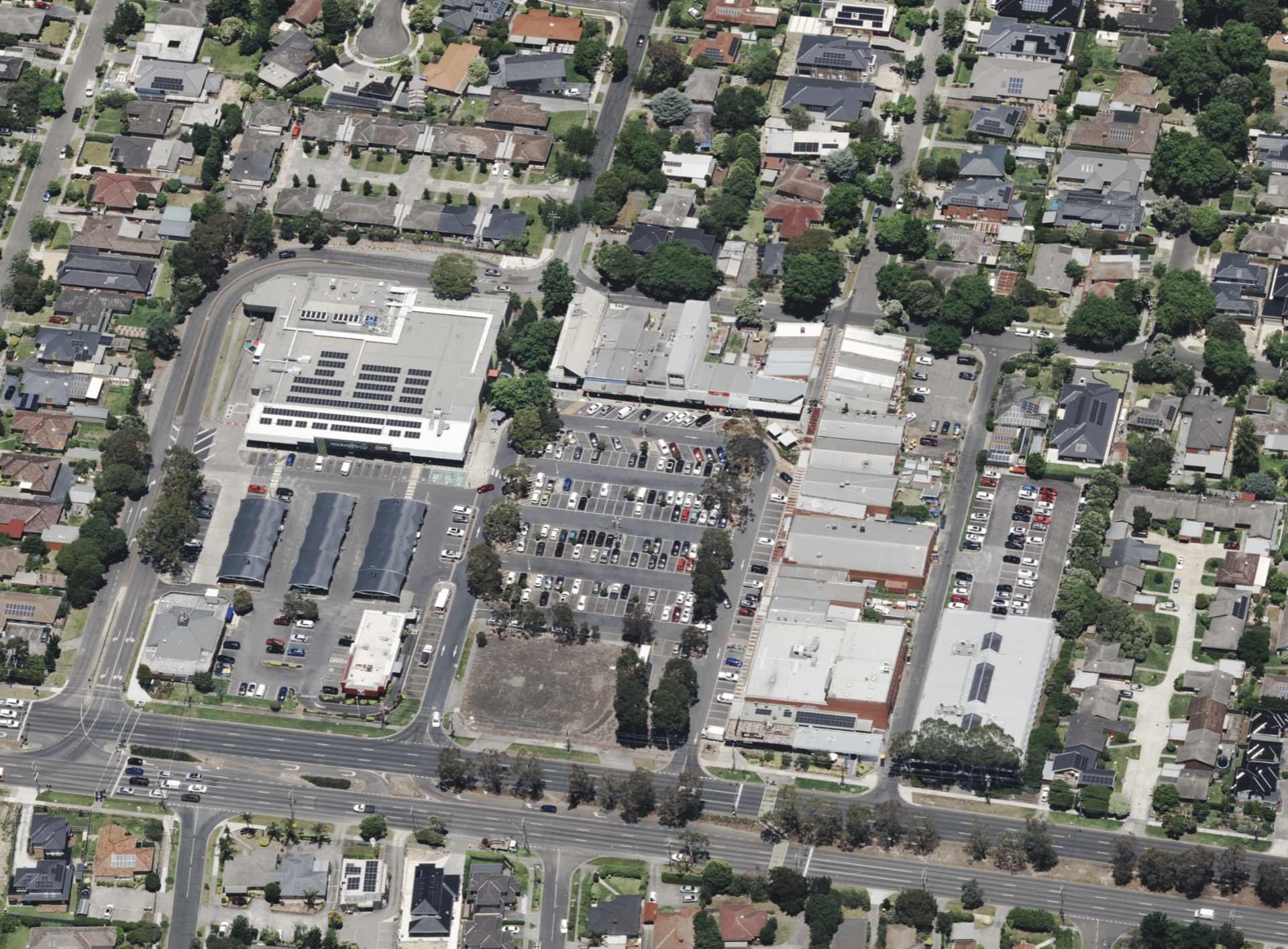
Vermont is an outer-eastern Melbourne suburb on the Belgrave line with mid-century housing and the Vermont Village shopping strip.
Most UK arrivals underestimate how different Melbourne’s suburbs are from one another. The 30-minute drive between Vermont and central Melbourne crosses through several distinctly different neighbourhoods — each with their own retail, transport, school, and housing patterns. Picking the right suburb matters substantially for the first 12–24 months of an Australian relocation.
Transport — How You Actually Get Around
Belgrave line via Heatherdale and Mitcham stations; bus 364, 366.
For UK arrivals: Melbourne’s tram and train system runs on a single ‘myki’ contactless card. Top up online or at any 7-Eleven. Daily fare cap is around $11 for adult, around $5 concession. Trams run more frequently than the average UK bus; trains are less frequent than the Tube but more reliable than UK suburban rail.
The driving reality: Melbourne is a more car-dependent city than London. Most middle-ring and outer suburbs assume car ownership for any trip outside the immediate neighbourhood. Inner-suburb living (within 8km of the CBD) lets you avoid car ownership for the first year or two; outer-suburb living essentially requires it.
Rent — What Things Actually Cost in 2026
For Vermont:
- 2-bedroom apartment — $420–$560/week
- 3-bedroom house — $580–$780/week
- Median house sale price — $1.1–$1.4m
For UK reference: a comparable inner-Melbourne 2-bed runs roughly equivalent to a London Zone 2–3 rental in pounds when adjusted for currency. Rent in Melbourne is paid weekly or fortnightly, not monthly. Bond is 4 weeks’ rent (held by the Residential Tenancies Bond Authority — rtba.vic.gov.au, not the landlord). Always confirm the bond is lodged.
The rental market in 2026 is tight — vacancy rates across inner Melbourne sit under 2% according to SQM Research’s monthly report. Expect to apply for 8–15 properties before being accepted as a UK arrival without local rental history. The workarounds: pay 6 months upfront, get an employer letter confirming income, or use a relocation agent.
Schools — What’s Available
Vermont Primary, Vermont Secondary College; Aquinas College (private) nearby.
UK arrivals should know: Australian government schools are free for residents but charge fees for overseas students on temporary visas. Permanent residents and citizens get free education. Private schools run $25,000–$45,000 per year for the major ones — substantially more expensive than UK comprehensive schools, comparable to UK independent school fees. Catchment lookups: findmyschool.vic.gov.au.
The school year runs January–December (UK academic year is September–July). Children arriving mid-UK-year may need to repeat or skip a half-year — most schools handle this case-by-case. The Victorian curriculum (VCE) at senior secondary differs from A-Levels but is comparable; UK students transferring at year 11 typically slot in fine.
What Vermont Feels Like Day-to-Day
Vermont compares roughly to Richmond-upon-Thames’ outer suburbs — leafy, family-quiet, school-anchored in the UK. The character is similar — but Melbourne’s suburbs are physically larger, with bigger blocks and lower-rise housing than equivalent UK suburbs. Australian residential streets typically have detached single-storey or double-storey houses on 500–700m² blocks; the equivalent London suburb would have terraced or semi-detached housing on smaller blocks.
The pace is slower than central London but faster than most UK regional towns. Cafes, public transport, and retail run on Melbourne hours — earlier breakfast, later dinner, no Sunday-afternoon shutdown.
The main UK arrival surprises:
- Houses are bigger — typical 3-bed family home in Vermont is 150–200m², comparable to a 4-bed UK semi
- Streets are wider — accommodating Australia’s larger cars; on-street parking is mostly easy
- Nature is closer — most Melbourne suburbs are within 30 minutes of a major park, beach, or bushland reserve
- Sport is everywhere — local sports clubs (cricket, AFL, rugby, soccer, netball) are the social glue of suburban life
Cost of Living — The Honest Comparison
For a UK arrival expecting London prices:
- Coffee — $5.50–$6.50 (£2.80–£3.30 at 2026 exchange) — expensive, but Melbourne coffee genuinely is among the world’s best
- Pint at a pub — $11–$14 (£5.50–£7) — more expensive than UK regional, similar to central London
- Groceries (weekly, single) — $120–$200 — comparable to UK weekly shop
- Petrol — $1.90–$2.20/L (£0.95–£1.10/L) — cheaper than UK
- Utilities (gas, electric, water) — $300–$500 per quarter for a typical 1-bedroom, more for houses
- Mobile and broadband — $80–$130/month for a typical setup
Health and Medicare
UK arrivals on permanent visas qualify for Medicare (Australia’s NHS equivalent) immediately on landing. Medicare Card application is free, takes 2–3 weeks. Bulk-billed GPs (free at point of service) are common but not universal in 2026 — many GPs charge $90–$110 with Medicare rebating $42. Private health insurance covers the gap; expat-suitable plans run $3,500–$6,000 per year for a couple.
Dental and optical aren’t covered by Medicare — both are private out-of-pocket or covered by private health extras. Dental costs run substantially higher than NHS dental: a basic cleaning is $150–$250; a filling is $200–$400.
Visa-Friendly Considerations for Vermont
For UK arrivals on temporary visas (482, 485, partner visa), Vermont is a reasonable choice — the suburb has a mix of long-term and recent-arrival renters. Check with your migration agent about Foreign Investment Review Board rules if you’re planning to buy property; temporary residents face restrictions on residential property purchases.
Permanent residents can buy without FIRB approval; temporary visa holders need approval to buy a single new build (not an existing property) for primary residence.
What This Means for You
Vermont works for a British expat looking for a Melbourne base that’s Richmond-upon-Thames’ outer suburbs-equivalent in feel, with the rent and transport aligned to typical professional or family relocation budgets. The suburb is established enough to integrate quickly and well-connected enough to access the city without owning a car as a first priority.
For more, see the British expat guide to Melbourne 2026 and moving from the UK to Melbourne.
Tom Hartigan writes about Melbourne for MELBZ.